An eye-opening tour through Britain’s homes and neighborhoods, with quirky quirks, surprising trends, and a dash of stat nerdiness. You’ll bump into pattern shifts, odd traditions, and a few cheeky myths debunked. Strap in—it’s a curious crawl through the UK’s living spaces.
1) The UK’s housing stock is a mixed bag of eras
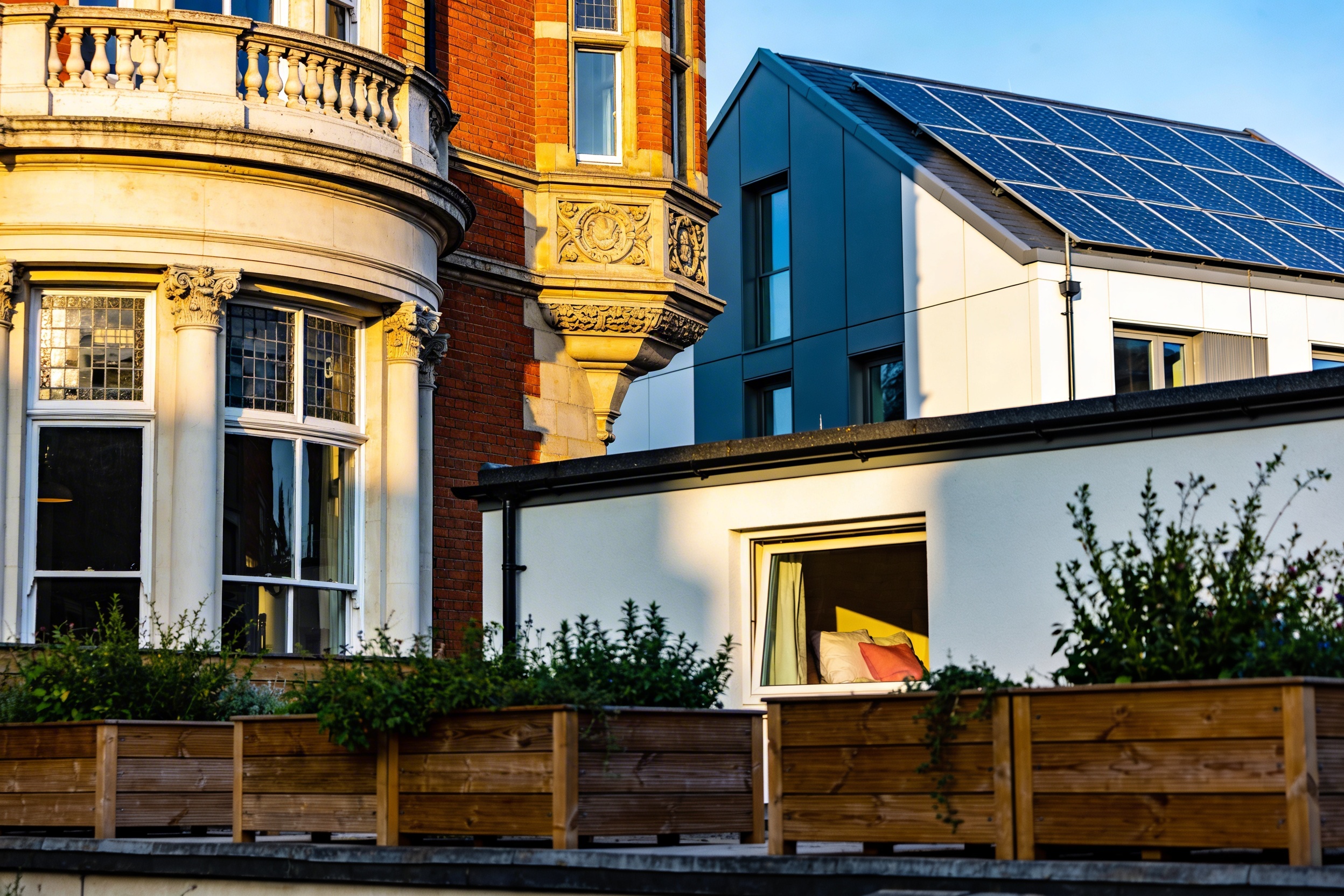
Britain didn’t build all its houses in one decade or style. You’ll literally walk from medieval street alignments to postwar council estates to modern eco-homes. FYI, this mix is why a single street can feel like a mini time machine. Each era leaves its own fingerprints on layout, material choices, and even neighborly etiquette.
Subsection: The big three eras you’ll encounter
- Georgian symmetry and bow windows
- Victorian brickwork and ironwork
- 30+ years of mass housing and prefab panels
2) Terraced houses aren’t just quaint—they’re engineered for community
If you’ve ever rented in a terraced row, you know the design invites chatty neighbors and that classic “crack in the wall” sound drama. These houses optimize space and health through airflow and light, but they also create a vibe that’s part village, part constant background hum. Do you secretly love or dread the occasional drum practice from the next door?
Subsection: The pros and cons of terrace life
- Pros: great neighbors, efficient land use, cozy feel
- Cons: less privacy, shared walls, potential noise battles
3) The census of beds: why room counts confuse everyone
House bragging rights aren’t just about baths and parking. In the UK, bedrooms aren’t always the metric you’d expect. A “three-bedroom” might be a compact box with a tiny third room, while “two bedrooms” can be surprisingly generous. It’s a reminder that floorplans matter more than labels.
4) The Great British Garden: small plots with grand ambitions
British homes often come with gardens that are more about potential than scale. A modest plot can host a thriving kitchen garden, a sunny patio, or a sculpted lawn that becomes your weekend project. Gardening in the UK is part sport, part therapy, and mostly a way to feel like you’ve tamed the weather.
Subsection: Garden sizes by region
- South: sun traps and compact courtyards
- Midlands: mid-sized lawns with practical borders
- North: hardy, low-maintenance greenery for bracing climates
5) The housing market isn’t just prices—it’s a culture of negotiation
In the UK, asking prices aren’t guarantees. Buyers often anticipate a negotiation arc, which can include closing costs, fixtures, and sometimes “fees” you didn’t expect. It keeps the process spicy and, yes, a little nerve-wracking. IMHO, patience and a good agent are worth their weight in stamps.
6) Tenure tells a story: leasehold vs freehold
The difference isn’t just legal jargon. Leasehold status shapes maintenance costs, control over alterations, and long-term value. Freeholders own the land, leaseholders rent the space for a long period, and neither side forgets it when you’re budgeting for the next decade. It’s the UK’s version of a lifelong lease on responsibility.
Subsection: Quick guide to decide what you want
- Freehold: full ownership, fewer ongoing fees
- Leasehold: typically cheaper upfront, but watch for ground rents and service charges
7) The EPC obsession—energy efficiency in plain English
Energy Performance Certificates (EPCs) aren’t just bureaucratic labels; they’re a practical road map. Homes with higher ratings can save you pounds on bills, while lower-rated places spark DIY projects or even mind-bending price negotiations. FYI, loft insulation and modern boilers move the needle more than you’d think.
8) The property ladder isn’t a ladder—it’s a maze
Many Brits aspire to move up a rung, but life often interrupts: student debt, job shifts, and mortgage deposits. The “ladder” feels more like a meandering staircase with a few hidden doors. Still, history shows patient buyers gradually climb, one sensible decision at a time.
9) Stairs and sculleries: domestic layouts evolved with technology
From coal-fired hearths to electric stoves, domestic layouts shifted to suit daily life and convenience. The kitchen moved from servant-centered spaces to the home’s social hub, and stairs were upgraded from winder stairs to straight runs for safety and flow.
10) The iconic chimney: more than decoration
Chimneys aren’t just aesthetic features; they’re a reminder of the era when fireplaces were the primary heat source. Even in modern renovations, many homes keep a chimney stack for potential future heating upgrades or simply as a nod to their lineage.
11) The “burgher” badge of townhouses
Townhouses carry a social cachet in many cities. They often sit on narrow plots and rely on clever storage solutions to maximize space. The vibe is urban, vertical, and a little postcode-powered bragging rights.
12) Post-war homes: efficiency, affluence, and a bit of myth
The post-war era delivered council housing, prefab kits, and a push for homes that were practical and affordable. Some myths linger—like “every post-war house is tiny”—but truth is mixed: many have surprisingly roomy layouts and robust skylights.
13) The popularity of period features—and the price premium that often accompanies them
That sash window, quarry-tiled floor, or decorative ceiling rose isn’t just decoration. It’s a signal of character, sometimes a 2% to 20% premium, and a reason buyers get emotionally attached. It’s not just value; it’s storytelling in plaster and wood.
Subsection: When charming features add up
- Character upgrades can boost resale appeal
- Repairs and maintenance costs may be higher for older features
14) Microflats and co-living: Britain’s urban experiments
Urban centers have experimented with micro-sized flats and shared amenities to boost affordability. It’s not everyone’s cup of tea, but it’s a pragmatic response to soaring city rents and limited space.
15) Parking puzzles: living with or without wheels
Brits value parking but don’t always get it. Street parking, designated bays, and residents’ permits shape daily life. If you’ve ever parallel parked with a coffee in hand, you know the struggle is real.
16) The “bungalow” trend in the countryside
Bungalows are practical, single-story favorites in rural areas. They’re accessible, adaptable, and often sit on generous plots with long views. The trade-off? Land tends to be pricier than you’d expect for city dwellers chasing multi-story space.
17) Conservatories: love or glare during summer?
Conservatories promise more light and a seamless indoor-outdoor vibe, but they can overheat in summer and frost in winter. Still, many homeowners swear by them as greenhouses for plants and timid sun-seekers alike.
18) The renovation culture: DIY is part of the British DNA
Brits love a good home improvement project. It’s not unusual to see DIY night classes, local builders, and a streaming diet of how-to videos shaping weekend plans. FYI, a well-planned renovation can unlock serious value.
Subsection: Common project priorities
- Insulation and heating efficiency
- Updating kitchens and bathrooms
- Creating flexible spaces for work from home
19) The role of councils and zoning in shaping neighborhoods
Local councils influence everything from permit timing to style guidelines. In many places, that means certain architectural cues are encouraged or restricted to preserve a town’s character. It’s a reminder that not all housing is purely market-driven.
20) Bank holiday house-hunting: seasonal spikes in demand
Spring and autumn bring peak activity, with buyers chasing daylight, better weather, and a sense of “fresh start.” If you’re hunting then, bring a compass, a checklist, and a mug that says “Yes, I found a gem.”
21) The price-per-square-foot puzzle
Different regions can flip the math on you. A bigger house in a quiet town might cost less than a smaller place in a high-demand city. Always sanity-check the price per square foot to avoid sticker shock.
Subsection: Regional contrasts you’ll notice
- London and the Southeast: space is premium, prices soar
- The Midlands and North: value often beats sparkle
22) The “forever home” dream vs. practical timelines
More Brits chase a forever home than ever, but life schedules, debt, and job moves complicate the plan. The result? A lot of people end up redefining “home” along the way.
23) Eco-initiatives making old homes greener
Retrofits like heat pumps, improved insulation, and solar panels are moving from fancy upgrades to common sense. The upshot: lower bills, happier mortgage lenders, and a planet-friendly vibe.
24) The social housing story: dignity, waiting lists, and reform debates
Public housing remains a critical part of the housing mix. It’s a reminder that access, quality, and long-term plans matter beyond price tags. The conversation continues, and it’s definitely not over.
25) The holiday let boom and its impact on communities
Short-term lets have reshaped some neighborhoods, offering extra income for homeowners but sometimes driving up rents and changing the local feel. It’s a balancing act between opportunity and disruption.
26) Post-Brexit dynamics and housing
Policy shifts and market signals post-Brexit have subtly steered migration, investment, and development. The long game remains uncertain, but the key takeaway is: planning decisions still need a long view.
27) National quirks that affect everyday living
From daylight saving quirks to regional dialects about “flat” versus “apartment,” the UK’s cultural language leaks into the housing experience. It’s half trivia, half lived reality.
28) The rental market: deposits, references, and the art of the lease
Renters juggle references, deposits, and periodic rent reviews. A good agent and a solid lease can save you a lot of headaches. And yes, always read the fine print.
29) The “house as investment” mindset—myth or reality?
Housing remains a popular investment, but it’s not a guaranteed ladder to wealth. Diversification, maintenance, and financing complexity matter as much as price appreciation.
30) The future of British housing: trends to watch
Expect smarter designs, more energy efficiency, and a continued blend of old-world charm with modern tech. If you’re curious, the next decade could be the most fascinating yet for Britain’s homes.
FAQ
What’s the biggest factor driving UK housing prices right now?
Prices are influenced by supply constraints, demand in urban centers, mortgage rates, and regional differences. A mix of policy moves and local market conditions shapes what you’ll pay in your postcode.
Is leasehold still common, and should I avoid it?
Leasehold remains common in some areas, especially for flats. It’s not inherently bad, but you must understand ground rents, service charges, and lease length before committing. Do the math and consult a solicitor if unsure.
What should first-time buyers prioritize?
Priorities vary, but most folks should focus on affordability, long-term stability, EPC ratings, and location perks like schools and commute. A solid budget and a realistic property shortlist help a lot.
Are eco-friendly upgrades worth it financially?
Generally, yes. Insulation and efficient heating save on bills and can raise resale value. Some upgrades qualify for incentives or grants, so check current programs in your area.
How important is it to know a neighborhood before buying?
Very important. Local schools, transport links, safety, and future development plans can massively affect both enjoyment and resale value. Do a test run—visit at different times, talk to neighbors, and map out daily routines.
What’s one quick tip for negotiating in the UK market?
Know the market sentiment for the property type and area, start with a reasonable offer, and be ready to walk away. A strong pre-approval letter also helps you stand out in a crowded listing.
Conclusion
British housing blends history, practicality, and a pinch of whimsy. From terrace chatter to eco retrofits, the story is always evolving—and that’s what keeps it fascinating. If you’re house-hunting, lean into the quirks, do your homework, and remember: the right home isn’t just in the perfect price, it’s in the right place for your life.