Introduction
Proper home insulation is essential for maintaining warmth, reducing energy bills, and improving overall living comfort. For homeowners in the UK, finding economic insulation solutions that do not compromise effectiveness is a priority. Fortunately, there are many cost-effective methods available to insulate a home efficiently.
This guide explores how to insulate a house cheaply in the UK, covering various inexpensive insulation techniques, how to insulate a room from the inside, and government-backed initiatives that offer financial support for insulation projects.
Why Insulation Matters
Effective insulation helps homeowners achieve the following benefits:
- Lower Energy Costs: Insulation reduces heat loss, meaning less energy is required to heat a home.
- Increased Comfort: A well-insulated home maintains a stable indoor temperature, making it more comfortable in both winter and summer.
- Reduced Carbon Footprint: Lower energy consumption contributes to reducing overall carbon emissions.
With the UK’s cold climate, economic insulation is particularly important to ensure households stay warm while keeping costs low.
Key Areas to Focus on for Insulation
To effectively improve a home’s energy efficiency, insulation should be installed in the areas that contribute most to heat loss:
1. Loft and Roof Insulation
Heat rises, making the loft one of the biggest sources of heat loss. Installing inexpensive insulation in the loft can prevent this, potentially saving homeowners up to £230 per year on energy bills.

Affordable Loft Insulation Options:
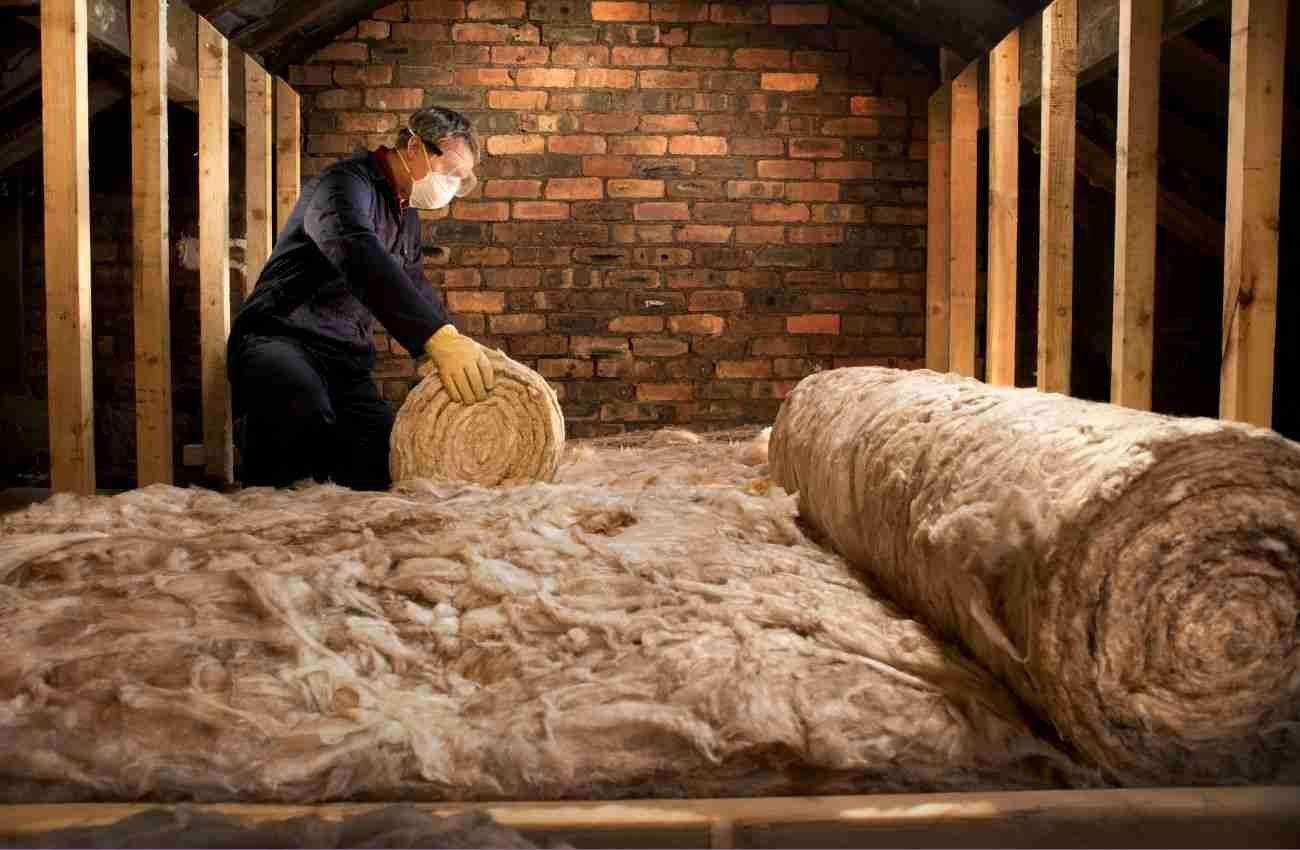
- Mineral Wool Rolls: Easy to install and relatively cheap.
- Spray Foam Insulation: More expensive upfront but provides excellent long-term efficiency.
- Sheep Wool Insulation: A natural, eco-friendly alternative that offers good thermal performance.
2. Wall Insulation
Uninsulated walls can account for over 35% of total heat loss in a home. The best insulation method depends on the type of walls:
- Cavity Walls: Insulating cavity walls involves injecting insulation materials into the wall gap.
- Solid Walls: These require internal or external insulation, with internal insulation being the most cost-effective.
3. Floor Insulation

Uninsulated floors lead to drafts and heat loss. Solutions include:
- Rugs and Carpets: Simple and affordable.
- Underfloor Insulation Boards: A long-term solution for insulating cold floors.
- Foam Underlay: Placed beneath carpets for additional insulation.
4. Doors and Windows
Doors and windows are major entry points for cold air. Draught-proofing is one of the most inexpensive insulation methods available:

- Weather Stripping: Seals gaps around doors and windows.
- Thermal Curtains: Thick, lined curtains prevent heat from escaping.
- Window Insulation Film: An affordable alternative to double glazing.
How to Insulate a House Cheaply in the UK
Homeowners looking for economic insulation methods should consider the following solutions:
1. Draught-Proofing
One of the simplest and cheapest ways to improve insulation is by sealing gaps where heat escapes. Draught-proofing windows, doors, and chimneys can save up to £50 per year.
Draught-Proofing Techniques:
- Use self-adhesive foam strips on window frames.
- Install door draft excluders.
- Apply silicone sealant to cracks and gaps.
2. Reflective Foil Behind Radiators
Placing reflective foil behind radiators on external walls reflects heat back into the room, preventing unnecessary heat loss.
- DIY Method: Kitchen foil can be used as an alternative to specialized insulation foil.
3. DIY Wall Insulation
For those wondering how to insulate a room from the inside, wall insulation is a great solution.
Internal Wall Insulation Techniques:

- Insulation Boards: Installed on the inside of external walls.
- Bubble Wrap: Can be used for a temporary solution on windows.
- Thermal Paint: Though not as effective as other options, it provides a slight insulating benefit.
4. Thermal Curtains and Blinds
Thermal curtains help retain heat inside a home and are an affordable alternative to expensive window replacements.
- Curtain Linings: Adding thermal linings to existing curtains enhances their insulating properties.
- Blackout Blinds: These also help trap heat and provide insulation.
5. Insulating a Room from the Inside
For rooms that are particularly cold, insulating from the inside can significantly improve warmth.
Step-by-Step Guide:
- Assess the Walls: Identify any existing insulation or gaps.
- Apply a Vapour Barrier: Prevents moisture buildup that could cause mold.
- Install Insulation Boards: Rigid insulation boards are an easy DIY solution.
- Seal Any Gaps: Use expanding foam to fill small cracks.
- Decorate: Cover the insulation with plasterboard and repaint.
Additional Low-Cost Insulation Ideas
Besides traditional methods, other low-cost techniques can improve insulation:

- DIY Door Snakes: Placed at the base of doors to block drafts.
- Rice-Filled Socks: Serve as homemade draft excluders.
- Bubble Wrap for Windows: Temporary insulation for single-pane windows.
Government Support for Insulation in the UK
Homeowners looking for assistance with insulation costs may be eligible for government-backed schemes:
1. Great British Insulation Scheme (GBIS)
This scheme provides grants for economic insulation improvements to help reduce energy consumption and lower bills.
2. Energy Company Obligation (ECO)
Under this program, energy companies must help consumers improve their home insulation, particularly for low-income households.
3. Local Council Grants
Many local councils offer funding to improve energy efficiency in homes, so it’s worth checking available options in your area.
Conclusion
Knowing how to insulate a house cheaply in the UK can help homeowners reduce energy bills and stay warm during colder months. By utilizing inexpensive insulation solutions such as draught-proofing, loft insulation, and wall insulation, it is possible to improve a home’s energy efficiency without breaking the bank.
For those wondering how to insulate a room from the inside, installing insulation boards and using reflective materials behind radiators are cost-effective solutions. Additionally, exploring government schemes can further reduce insulation costs.
Taking a proactive approach to economic insulation ensures homes remain warm and energy-efficient while minimizing financial strain on homeowners.
Insulation Installers in the UK