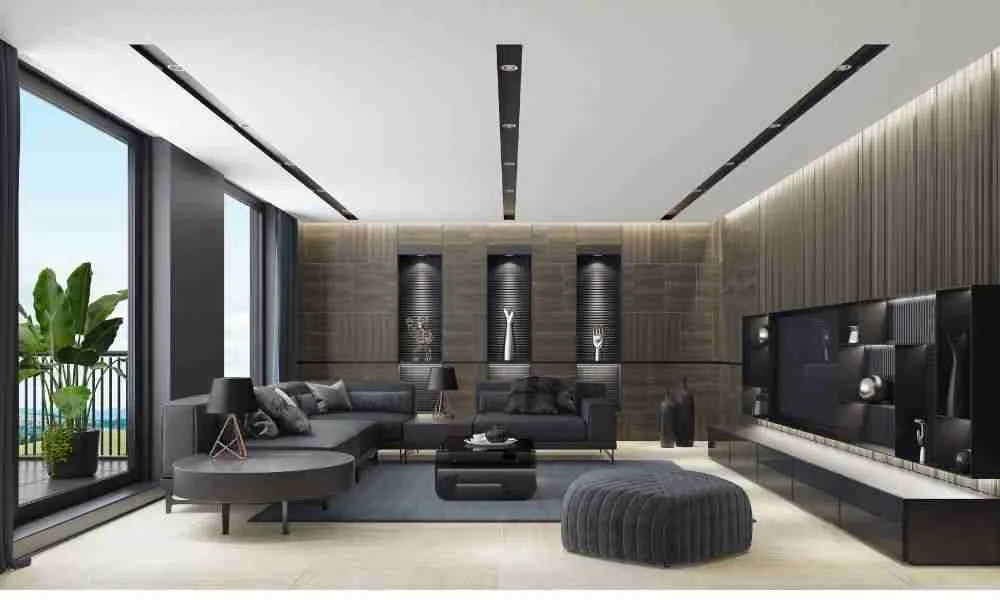
When I first got serious about Interior Design Photography, I thought I needed the most expensive gear out there to create magazine-worthy images. Spoiler alert: you don’t.
Good technique, smart equipment choices, and a bit of creative thinking can take you much further than simply emptying your wallet.

Today, I want to share the best cameras for Interior Design Photography and how you can build a great starter kit without breaking the bank.
Whether you’re just starting out or ready to level up, there’s something here for you!
Best Cameras for Interior Design Photography
1. Fujifilm GFX50S II — For Those Who Want the Best

Let’s kick things off with a dream machine: the Fujifilm GFX50S II. With a jaw-dropping 102MP medium-format sensor, this beauty captures the kind of detail that makes design features pop off the page.
We’re talking every texture, every subtle light change — nothing is missed.
What I really love about the GFX50S II. is that despite its medium-format power, it’s surprisingly compact. It’s not cheap, but if you’re shooting high-end interiors for magazines or luxury real estate, it’s worth every penny.
2. Sony A7R IV — A Brilliant All-Rounder

Next up is the Sony A7R IV — my go-to when I want crazy sharpness without going medium format.
It sports a 61MP full-frame sensor that picks up every tiny detail, from a marble counter’s veining to the grain in reclaimed wood floors.
Plus, its low-light performance is excellent, and if you’ve ever had to photograph a moody living room with minimal natural light, you’ll know how important that is.
For Interior Design Photography, having that kind of dynamic range and clarity can make a real difference in how a space feels on camera.
3. Nikon Z7 II — Color Accuracy Champion

If you’re someone who obsesses over color (like I do), you’ll love the Nikon Z7 II. With a 45.7MP sensor, it offers stunning clarity and true-to-life colors.
I also love the in-body image stabilization, which is a lifesaver when shooting handheld in tighter spots.
The dynamic range on this camera is fantastic too.
It keeps both bright highlights and deep shadows in check, which is crucial when you’re dealing with tricky lighting setups or moody, ambient interiors that are so popular in Interior Design Photography these days.
4. Panasonic Lumix S1R — Built Like a Tank

If durability is high on your wishlist, the Panasonic Lumix S1R should be on your radar. Its 47.3MP full-frame sensor is perfect for big, detailed prints, and the 5-axis stabilization keeps things super sharp.
But what really sells me on the S1R is its build quality.
It’s rugged, weather-sealed, and ready for whatever weird or unpredictable shooting conditions you might face — especially useful for on-location Interior Design Photography when you’re not always shooting in pristine studios.
5. Canon EOS R5 — Video and Photo Rockstar

Finally, let’s talk about the Canon EOS R5. This camera feels like it was made for interior photographers who also want to dabble in video content.
It has a 45MP sensor and phenomenal autofocus, plus in-body stabilization to keep things sharp even when you’re pushing the limits.
If you’re thinking about offering clients virtual tours, walkthrough videos, or behind-the-scenes clips of their beautifully styled spaces, this hybrid camera brings a lot of value to your Interior Design Photography business.
Interior Photography Accessories on a Budget
Now, while all these cameras are amazing, the reality is that building a full kit can get expensive. When I started, I had a strict budget — and honestly, it forced me to make smarter choices.
Here’s how I would build a beginner’s Interior Design Photography kit without spending a fortune:
After grabbing a decent camera and lens, I’d budget around £87 for essential accessories to make life easier on shoots.
➔ Tripod
First on the list is a tripod. Stability is everything in Interior Design Photography — you’ll often be working with slower shutter speeds to maximize natural light.

A solid starter choice is the Manfrotto 055CB:
- Weight: 2.5kg
- Max Height: 170cm
- Safe Payload: 9kg
It’s not the lightest or the most portable, but for the price (about £75 second-hand), it’s a total workhorse. It’ll easily handle your camera and a heavy lens.
➔ Tripod Head
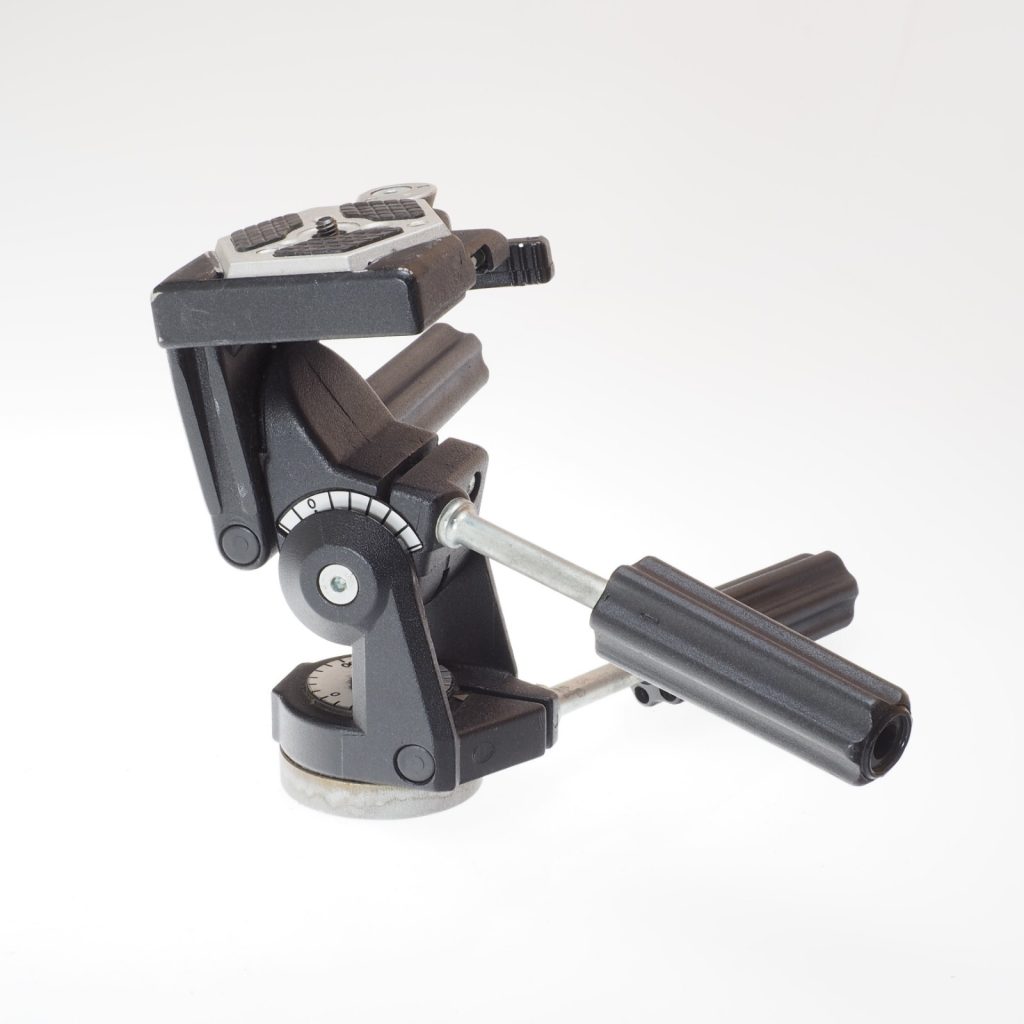
After a tripod, you’ll need a good tripod head. I always recommend a three-way head over a ball head for interior photography — it gives you precise control, which is super important for getting those vertical lines straight.
A classic choice is the Manfrotto 029, which you can usually find for under £50 on eBay. It’s a bit hefty, but totally worth it for the level of control it offers.
So, together the tripod and head bring you to about £125 total when starting from scratch — and trust me, it’s a solid foundation.
Extra Gear That’s Worth Adding When You Can
Once you’ve got your basics, here are a few more things you might want to save up for:
- Lenses: A 24-70mm f/2.8 lens gives you flexibility for wide shots and close-ups. If you want to get serious, invest in a 24mm tilt-shift lens later — it’ll correct those pesky perspective distortions.
- Lighting: Natural light is king, but sometimes you’ll need a little extra help. Portable lights like the Profoto B10 Plus or Profoto A10 are amazing for evenly illuminating rooms without looking fake.
- Tethering Setup: Hooking your camera up to a laptop or tablet lets you review your shots immediately, tweak compositions, and catch issues before you pack up.
💬 Tips I Wish I Knew Earlier
Before you rush out to spend all your money, here’s a little advice from someone who’s made every mistake possible:
➔ Start with What You Have
You don’t need to own the Fujifilm GFX 100 II to create amazing Interior Design Photography. Master the gear you have first.
A great shot with an entry-level camera beats a mediocre shot with a £10,000 setup any day.
➔ Rent Before You Buy
Not sure if you really need that tilt-shift lens? Or curious about shooting medium format? Try renting first! It’s way cheaper and helps you figure out what actually suits your style and workflow. Camera rental service
➔ Nail Your Composition
Learn to see the room. Straighten those vertical lines. Play with symmetry and negative space. Interior Design Photography is all about creating a feeling of balance, flow, and inviting spaces.
➔ Get Comfortable with Editing
Post-processing is part of the craft. Tools like Lightroom and Photoshop can fix color casts, balance exposures, and polish your images into professional-level work. Don’t be afraid to dive in and experiment.
Wrapping It Up
Choosing the best camera for Interior Design Photography can feel overwhelming — but it doesn’t have to be. Whether you’re starting small or ready to invest in top-tier equipment, the most important thing is your vision. Equipment is just a tool to help you bring that vision to life.
Hopefully, this post has given you a solid starting point for building your own Interior Design Photography kit, even if you’re on a tight budget. If you have any favorite gear or suggestions for where to score great second-hand deals, I’d love to hear about them — drop them in the comments below!
Check out our article The Best Camera for Estate Agents Photography