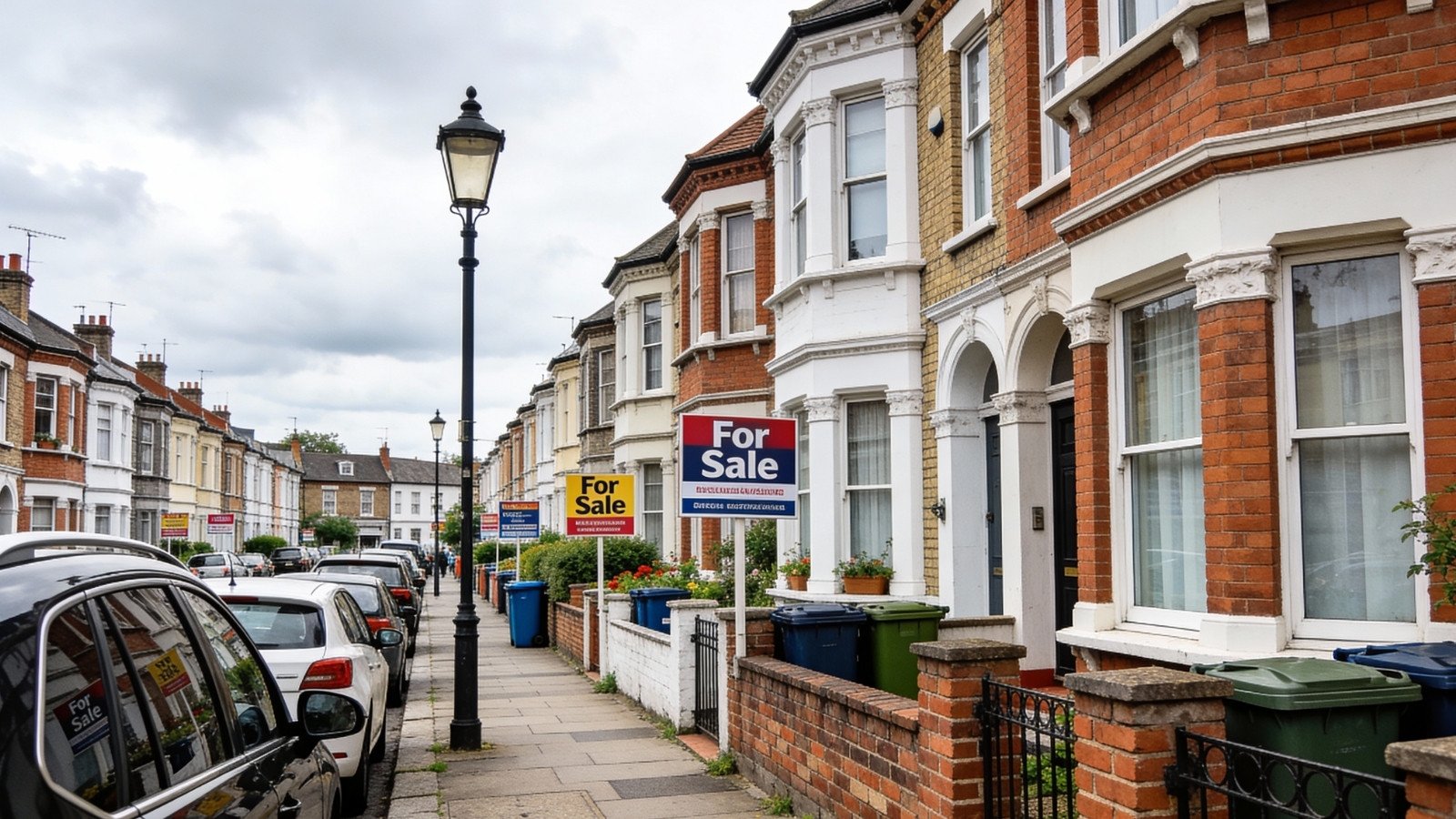
If you’ve found yourself googling will house prices crash in 2026, you’re not alone. People aren’t asking it for fun. They’re asking because, in parts of the UK, prices aren’t just “cooling” or “stabilising”.
They’re already slipping fast enough to feel like the start of something bigger. And if you’re buying, selling, or investing next year, a wrong move could cost you real money.
So let’s talk about what might actually happen in 2026 in my opinion, and why certain cities look especially exposed, and how to make decisions without panicking. I’ll keep this conversational, but we’re going to be specific.
Here’s the uncomfortable truth: there isn’t one UK housing market.
There are lots of mini-markets, moving at different speeds, for different reasons. Some places are resilient. Others are wobbly.
A few look like they’re quietly setting up for something that will feel like a UK house price crash if you happen to own property there.
So let’s make sense of it, city by city, and then talk about what it means for buyers, sellers, and investors.
The question everyone’s asking (and why it’s not silly)

When people ask will house prices crash in 2026?, they usually mean one of two things:
- “Is the whole country about to drop like 2008?”
- “Is my area going to take a hit big enough to matter?”
Those are very different questions.
A nationwide crash needs a big, obvious trigger: mass unemployment, a severe recession, a credit crunch where lending dries up, or a sudden wave of forced selling. That’s possible in theory, but it’s not the default.
What’s more likely is something messier and more realistic: a fractured market where some areas fall hard, others drift down, and some keep ticking along.
That’s why the “average UK house price” headline can be misleading. It blurs the extremes. In 2026, the extremes are where the real story lives.
And yes, a lot of the warning signs are already flashing in specific cities: affordability is stretched, demand is weakening, and sellers are starting to accept they can’t just name a number and get it.
Will house prices crash in 2026? Here’s Our Prediction
Let’s put a stake in the ground. Will house prices crash in 2026 across the entire UK? Probably not as one single dramatic event. But will house prices crash in 2026 in certain places that are already strained, overvalued, or structurally weak? That’s much more plausible.
Our prediction looks like this:
- Nationally: a mixed year, with some areas flat, some slightly down, and some modestly up.
- Locally: a real risk of sharp drops in a handful of cities and segments, especially where affordability has snapped and demand is thinning.
So instead of one big UK house price crash, you get a patchwork of mini-corrections. And if you’re in one of the vulnerable postcodes, it won’t feel “patchy” at all. It’ll feel personal.
Now, let’s get into the 10 places your reference highlights as the most exposed.
10 UK areas that look most vulnerable in 2026
1) Prime Central London: the posh postcodes aren’t immune
This one shocks people because Prime Central London is supposed to be the “safe” part of the market. But when prices rely heavily on global wealth, policy changes and sentiment shifts can hit fast.
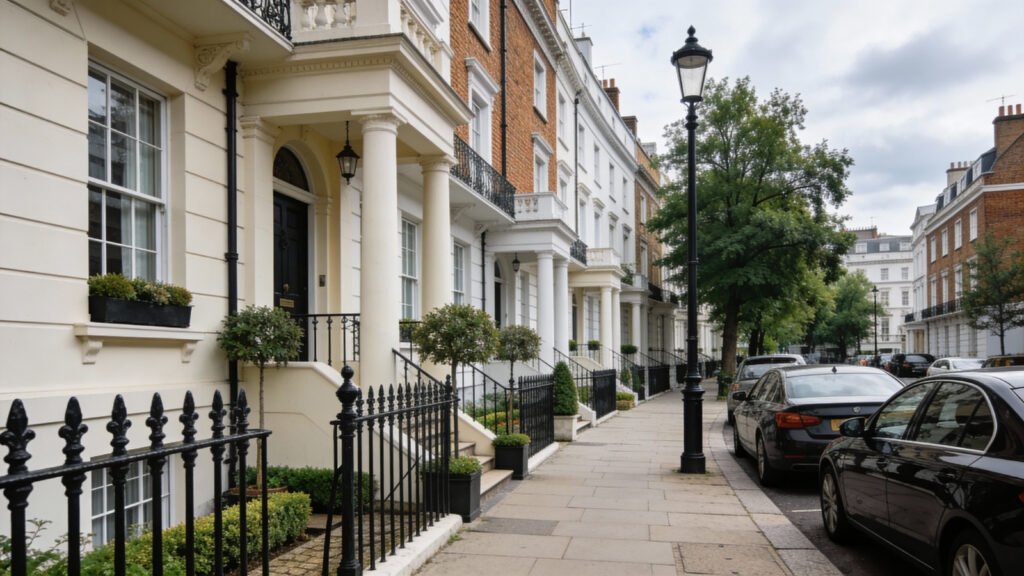
Your reference points to serious falls in places like Kensington & Chelsea and Westminster, plus a big rise in “selling below asking” and discounting.
That’s important because discounting is often the first visible sign of stress. It’s the market quietly admitting that the old prices aren’t clearing anymore.
Prime London also matters because of the ripple effect. When high-end areas weaken, it affects confidence and pricing in surrounding boroughs and commuter zones. It doesn’t mean your semi in Zone 4 drops 20% overnight. But it does change the mood, and mood moves markets.
If you’re asking will house prices crash in 2026?, Prime Central London is one of the places where the answer could be “it’s already partly happening.”
2) Aberdeen: a slow-motion structural problem
Aberdeen isn’t struggling because it got too trendy or too expensive. It’s struggling because of its economic foundation.
When a city depends heavily on one sector, and that sector faces long-term uncertainty, housing doesn’t just wobble. It can stagnate for years, then slip as sellers outnumber buyers.
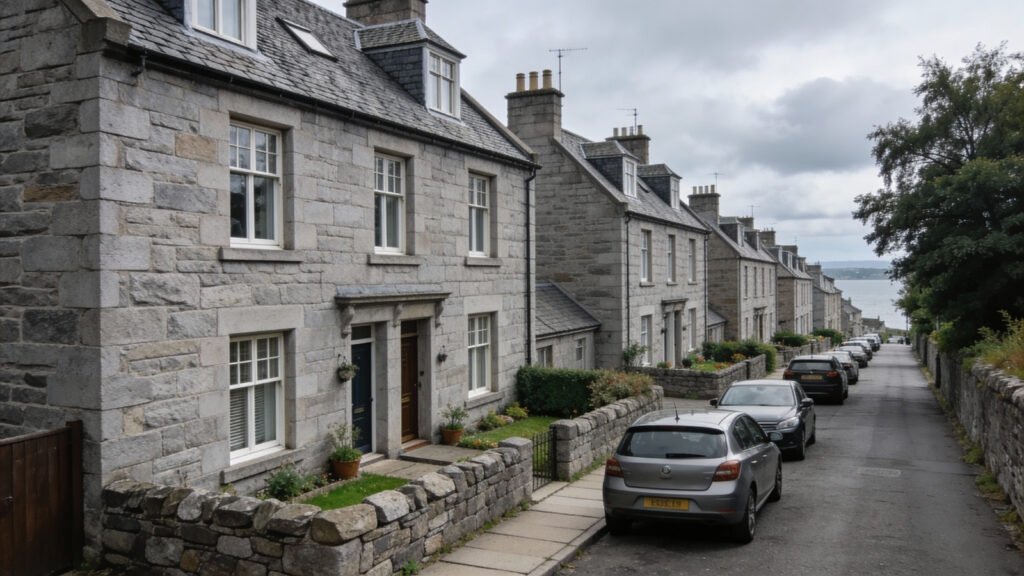
Your reference describes Aberdeen as a place with weak long-term growth and heavy supply. That combination matters. Supply isn’t just a statistic. It’s competition. More listings mean sellers have to fight for fewer buyers, and price becomes the weapon.
This is also where “cheap” can be a trap. A property can look like great value at £140k, but if prices keep falling, it becomes a moving target. Buyers can end up stuck if they need to sell again soon.
So, will house prices crash in 2026 in Aberdeen? The risk isn’t just one dramatic year. It’s continued decline that feels like a permanent reset.
3) Reading: the commuter-and-tech premium is fading
Reading surprises people because it has a “successful southern town” vibe. But the reference highlights a key warning: prices falling while rents rise.
That’s not as contradictory as it sounds. It often means demand to live there is still strong, but demand to buy is weakening. In plain English: people can’t afford to buy at those prices, or they don’t see enough value in it anymore.
Remote work has changed the appeal of paying a premium to live near an office you rarely visit. Add the knock-on effects of tech sector uncertainty, and the buyer pool can shrink.
Reading is a good example of why will house prices crash in 2026 can be a very local question. It might not be a national crash story. But in a stretched commuter market, even a moderate fall is painful if you bought recently with a small deposit.
4) Oxford: when the maths stops working
Oxford is beautiful. It’s desirable. It also has an affordability problem that doesn’t care about beauty.
When prices are 15 times local incomes (as your reference notes), you hit a hard limit: the next wave of buyers just can’t pay. At that point, the market relies on outside money, high earners, or family help. If any of that slows, the market has to adjust.
What makes Oxford tricky is that it can stay expensive for longer than people expect, because supply is limited and demand is always there in some form. But demand isn’t infinite at any price.
If a house price crash in 2026 is on your mind and you’re looking at Oxford, the main risk is buying in a market that needs a “reset” to reconnect with local incomes.
5) Bath: stunning city, stretched first-time buyers
Bath has a similar issue to Oxford: huge desirability, but brutal affordability, especially for first-time buyers.
A market like this can look stable on the surface because people always want to live there. But stability depends on enough buyers actually being able to buy. If the buyer pool narrows and sellers hold out for peak prices, the market can stall and then slide.
The reference mentions flat pricing and increasing time-to-sell behaviour. That’s often how a downturn starts: not with dramatic headlines, but with slow activity, stale listings, and a growing number of “reduced” tags online.
So, will house prices crash in 2026 in Bath? It may not look like a crash in one month, but it could look like sustained softness and bigger discounts than sellers are used to.
6) Kent coastal towns: the pandemic boom is unwinding
This is one of the clearest “boom and unwind” stories. Coastal towns had a massive surge during Covid as people chased space, lifestyle, and the idea that remote work would be permanent.
Then reality returned:
- commuting is still a factor for many jobs,
- cost-of-living pressures changed priorities,
- and second homes became less attractive due to policy and tax changes.
The reference points to a pattern: lots of homes losing value, and a retreat from the pandemic highs. In smaller markets, when several sellers list at the same time, the price impact can be sharp.
This is exactly how a local UK house price crash can happen without a national catastrophe: too much supply meets weaker demand.
If you’re asking will house prices crash in these areas, the key is to look at how much of the price was “lifestyle premium” and how much is supported by local wages and year-round demand.
7) Slough: expensive without a strong “why”
Slough is a fascinating risk case because it’s not about big headline falls today. It’s about fundamentals underneath.
Your reference points to a high price-to-income ratio for what is, realistically, a fairly ordinary location. There’s nothing wrong with Slough. The issue is that the price has to make sense compared with what buyers get.
Markets like this are vulnerable because they don’t have a strong emotional pull. Oxford has its charm and global reputation. Bath has heritage and beauty. Slough’s value proposition is mostly practical. When affordability is stretched, practical buyers become more cautious.
Also, if many buyers stretched themselves during low-rate years with small deposits, their buffer is thin. When refinancing hits, some are forced to sell, and forced selling is how downturns accelerate.
So, will house prices crash in 2026 in Slough? It’s one of the places where a “correction” could become a sharper fall if economic conditions wobble.
8) Cambridge: prestige doesn’t protect you from affordability
Cambridge is often seen as bulletproof: university, research, biotech, high-skilled jobs. But even strong cities can become unstable when prices detach from what workers can pay.
If young professionals can’t afford to live near their work, you get pressure in the system. People commute from further away. Employers have to pay more. Over time, that can change the local ecosystem.
The reference notes affordability hasn’t improved much and highlights the tension between supply constraints and high prices. That’s a classic setup for stagnation at best, correction at worst.
If you’re looking at Cambridge and thinking will house prices crash in 2026, treat it as a market where sentiment matters a lot. It can stay steady until the moment buyers decide it’s not worth it anymore, and then prices adjust faster than expected.
9) Brighton: popular city, brutal affordability for both renters and buyers
Brighton has a double affordability squeeze:
- buying is expensive,
- renting is also expensive,
- and wages don’t always match the lifestyle.
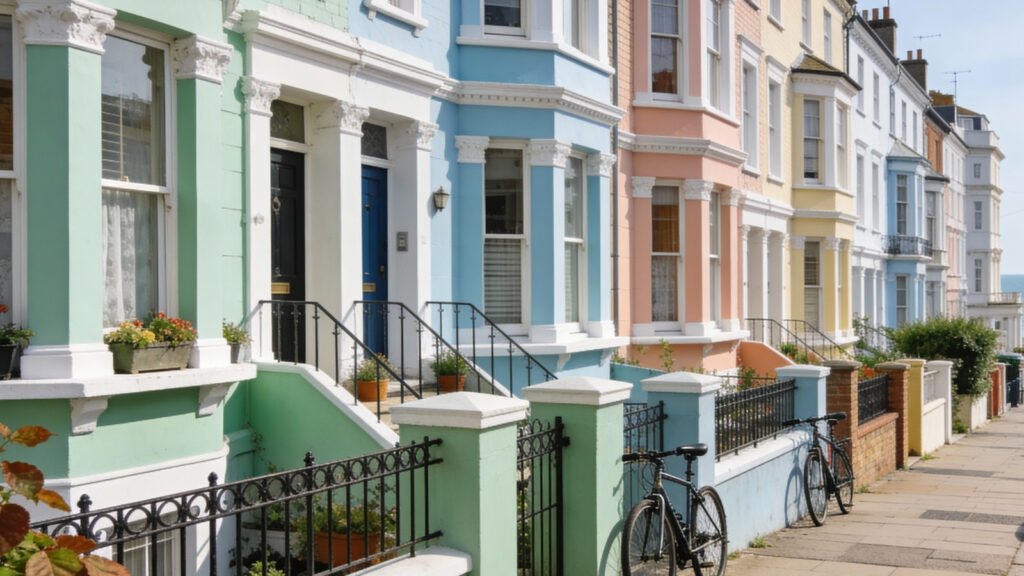
When renters spend such a big share of income on housing, saving for a deposit becomes harder. That shrinks the pipeline of future buyers. And when the buyer pool shrinks, sellers have to compromise.
Brighton can avoid a sudden crash because demand to live there stays high. But you can still get slow declines and heavy discounting, especially if transaction volumes fall. A market can feel “stuck” for months, then sellers start cutting to get deals done.
So will house prices crash in 2026 in Brighton? It might look more like a slow leak than a dramatic burst, but it can still hurt.
10) Northern industrial towns: cheap can mean fragile
This is where people often get confused. Northern England has strong cities with regeneration and growth. But it also has towns where low prices reflect weak demand and fragile local economies.
Your reference highlights unemployment issues and hidden vulnerability in places like Middlesbrough, Blackpool, Hull, Sunderland, Bradford. In towns like these, housing doesn’t have much resilience. Even a mild recession or a rise in unemployment can hit demand hard.
So, will house prices crash in 2026 in the North? Not everywhere. But in the most fragile pockets, a localised UK house price crash is possible, especially if households are already stretched.
What could trigger wider falls in 2026?
Even if we don’t get a national crash, there are a few factors that could make the vulnerable areas fall faster.
1) Interest rates and mortgage renewals
Mortgage affordability is the big lever. If rates stay higher than households can comfortably manage, forced selling rises. If rates fall, it can ease the pressure, but it won’t magically fix affordability where prices are wildly out of line with wages.
This is why house prices crashing is really a question about monthly payments, not just sale prices.
2) Landlord exits
When rental rules change or the numbers stop stacking up, landlords sell. That adds supply. Supply rises fastest in areas with lots of buy-to-let stock, smaller flats, or weaker owner-occupier demand. That’s often where price declines show up first.
More supply doesn’t guarantee a crash, but it can turn “soft” into “down.”
3) Consumer confidence
Housing runs on confidence. When buyers think prices might be lower next year, they wait. When sellers get nervous, they cut. That feedback loop matters, especially in markets already under pressure.
And yes, when enough people start asking will house prices crash in 2026?, that question itself becomes part of the confidence story.
What buyers should do in 2026 (without panicking)
If you’re buying, you don’t need to predict the market perfectly. You just need to avoid obvious mistakes.
Run a “what if” check before you commit
Ask yourself:
- If prices fall 10% in my area, can I still sleep at night?
- If mortgage rates stay higher for longer, is my payment still manageable?
- If I needed to move in 2–3 years, would I be stuck?
If those answers make you uncomfortable, you’re not “too cautious.” You’re being realistic.
Focus on local evidence, not national averages
Look at:
- sold prices (not asking prices),
- time on market,
- how many listings have price reductions,
- whether similar homes are actually selling.
That’s how you spot softness before it becomes obvious.
Don’t buy the “peak story”
If an area surged during the pandemic for lifestyle reasons, be careful about paying a premium that doesn’t match the local economy. That premium can evaporate.
If you’re still thinking will house prices crash in 2026, the safest thing you can do is avoid overstretching. A modest, comfortable mortgage beats a fancy postcode that keeps you up at night.
What sellers should do in 2026
If you’re selling in a vulnerable market, the biggest risk is pricing like it’s still 2021.
In a soft market:
- The best offers often come early.
- Listings that sit too long start to look “wrong” to buyers.
- Price reductions become inevitable, and sometimes bigger than they needed to be.
Pricing realistically from day one isn’t “selling cheap.” It’s selling in the market you’re actually in, not the market you wish you were in.
If you own in one of the higher-risk areas above and you keep asking yourself will house prices crash in 2026, consider that waiting may not improve your position. In some markets, time is not your friend.
What investors should consider
Investors love yield, but yield isn’t everything. If you earn 8% a year in rent but lose 10% in property value, you’re down overall.
For 2026, investor sanity looks like:
- choosing locations with resilient job markets,
- prioritising realistic price-to-income ratios,
- stress testing for voids and repairs,
- and being cautious where supply is rising and demand is fading.
A local UK house price crash can wipe out years of “good yield” surprisingly fast if you buy in the wrong place at the wrong price.
So… will it be a crash or a reset?
Here’s the real answer, in plain language.
- will house prices crash in 2026 nationwide? Probably not as one dramatic, UK-wide event.
- will house prices crash in 2026 in certain cities and segments? Yes, that risk is real, especially where affordability is broken or local economies are under strain.
- The most likely outcome is a patchwork year: some areas down, some flat, some modestly up.
That’s why location matters more than ever. The era of “just buy anything, it’ll go up” has faded. The smarter approach in 2026 is to buy where the fundamentals are solid, sell with realism, and invest with a clear-eyed view of risk.
If you take one thing from this, let it be this: will house prices crash in 2026/ is not a question with one neat answer. It’s a postcode-by-postcode story.
And the best move you can make is to stop relying on national headlines and start looking at the reality on your street.