
Some walls aren’t just there to keep rain off your furniture—they’re there to keep the peace. If you’re a homeowner sharing a boundary or planning a build next to a neighbour, you’ll want to understand party wall agreements. They sound dry, but they’re basically the playbook that prevents brawls over bricks and boreholes. Let’s cut through the jargon and make it simple.
What is a party wall anyway?
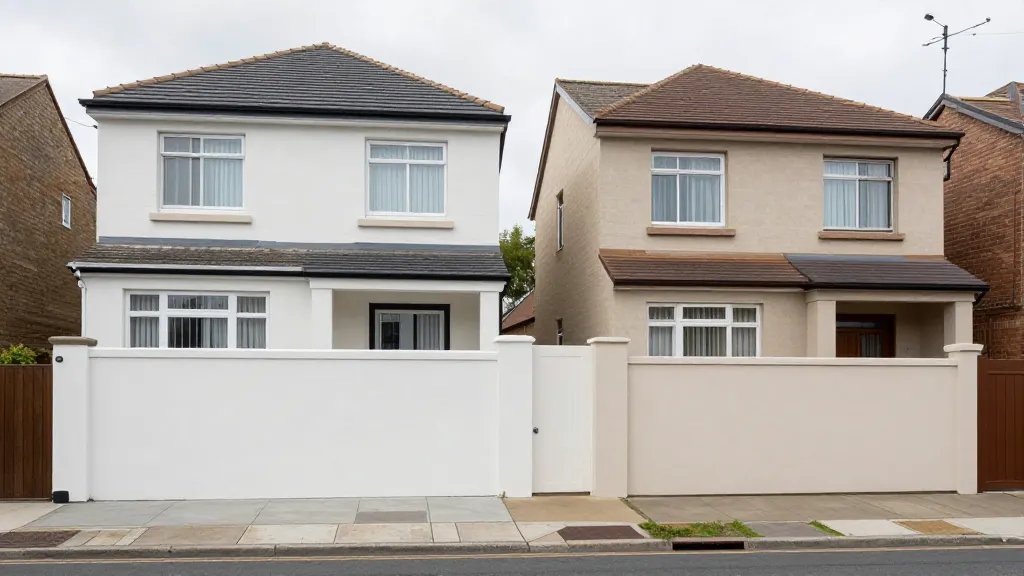
A party wall is a wall that stands on the land of two or more owners and separates their properties. It can also be a wall built directly on the boundary. Think of it as the shared fence that’s actually an actual wall—useful, sometimes inconvenient, and legally important. If you’re planning work that affects this wall or your neighbour’s side of it, you’ll probably run into a party wall agreement.
– It protects both sides: the owner who shares the wall and the owner who shares the boundary.
– It covers things like who pays, how the work happens, and how to handle damage.
– It isn’t just for new builds; it also applies to alterations, extensions, or demolitions that touch the party wall.
If this sounds like a legal labyrinth, don’t panic. We’ll break it down piece by piece.
Why you need an agreement (even if you love your neighbor)
You might think, “Can’t we just agree verbally and call it a day?” You could, but that’s a risky game. A party wall agreement clarifies expectations, timelines, and responsibilities. Without it, you could end up paying for cracks you didn’t cause, or dealing with a dispute that drags on for ages.
– It spells out who does what and when.
– It sets compensation for any damage or loss of light, air, or access.
– It provides a clear process if things go wrong, including timelines for serving notices and starting work.
FYI, most homeowners end up involving a party wall surveyor to keep things fair. Yes, even if you’re on the “I’m hardly going to touch the wall” side of the fence.
Who’s involved in the process?
This isn’t a one-person job. You’ll likely encounter a few key players:
– The building owner: the person planning work that touches the wall.
– The adjoining owner: the neighbor who shares the wall.
– Party wall surveyors: professionals who assess risk, value damages, and draft the agreement. There are two types:
– The party wall surveyor (appointed by both sides together).
– The independent surveyor (appointed if there’s a dispute or if one side asks for more protection).
– The building owner’s surveyor and/or the adjoining owner’s surveyor: they help with technical details.
Why two surveyors? Because when tempers flare or plans change, you want an impartial referee who actually understands walls, not just a friendly chat over a fence.
What actually goes into a party wall agreement?
Here’s the tasty menu you’ll usually see in a party wall agreement, minus the boring legalese.
– Notice and response: Before you start, you must serve a formal notice to your neighbour. They have a set window to respond. If they don’t respond, you might be looking at a dispute process.
– Work scope: Exactly what work will occur? This could be building a new wall, making some cuts in the shared wall, or excavations near the foundation.
– Access and timing: When can builders access the neighbor’s side? What hours are acceptable? Any noise restrictions? Are there permits required?
– Protection measures: How will you protect plant life, driveways, and the neighbour’s property? Will you use dust screens, scaffolding, or protective coverings?
– Costs and compensation: Who pays for the work, surveys, and any damage? How is compensation calculated? What happens if the work overruns?
– Overhangs, light, and air: If work affects windows, light levels, or ventilation, how will those be handled?
– Dispute resolution: If things go sideways, what’s the path to resolution? Mediation? Arbitration? A surveyor’s decision?
This isn’t bedtime reading, but it’s the blueprint that prevents miscommunication turning into a cold war.
Deeper dive: common scenarios and how they’re handled
Extensions and new walls
If you’re extending your house and your new structure will butt up against the party wall, you’ll almost certainly need a party wall agreement. The key questions:
– Will the wall be altered or rebuilt?
– Does the extension affect the neighbouring light or ventilation?
– How will the shared boundary be managed during construction?
In many cases, the agreement will specify that the existing party wall remains intact, with the builder responsible for preserving it and compensating for any damage to the neighbour’s property.
Excavations near the boundary
Digging next to a party wall can destabilize foundations or cause cracks. Expect:
– A soil analysis plan and cautious excavation methods.
– Protective shoring or underpinning if needed.
– Clear timelines to minimize disruption, plus a plan to repair any caused damage.
The party wall surveyors will check that your excavation won’t steal the neighbour’s daylight or cause structural issues.
Cutting into or impacting the party wall
If your plans involve cutting into or altering the party wall, you’ll face stricter controls. The agreement will specify how deep cuts can be, how to support the structure, and who pays for any re-pointing, replastering, or repainting.
– Reinstatement: After the work, you’re often expected to restore or compensate for the surface finish.
– Damp and ventilation: Cutting into a wall can invite damp if not done correctly. The agreement will address sealing and ventilation.
What if the neighbour disagrees or there’s a dispute?
Disputes happen. Doors slam, plans change, and someone forgets to respond to the notice. Here’s how it typically plays out:
– Mediation first: A calm chat with a mediator can save a lot of headache.
– Surveyor’s decision: If you can’t agree, a party wall surveyor (or two, if needed) can issue a schedule of condition and a party wall award.
– Legal route: As a last resort, you can go to court, but that’s the heavyweight option and often expensive.
Pro tip: with good communication and a fair agreement in writing, you drastically reduce the chance of a nasty dispute.
Costs, fees, and who pays what
Money talk time. Here’s where it gets tricky, but also where you can save or at least not get blindsided.
– Notice fees: Some localities charge for formal notices or service of documents.
– Surveyor fees: You’ll typically split the surveyor costs if both sides agree; if not, the party wall award will dictate who pays.
– Construction costs: The builder’s costs for the actual work, plus contingency for surprises.
– Damage compensation: If either party suffers damage, compensation is set out in the agreement.
The whole point is to avoid “oops, I didn’t budget for that” moments. Sit down with your estimator and your neighbor and hash out the numbers before shovels hit the ground.
Tips for a smoother party wall experience
– Start early: Don’t wait until the last minute to serve notices. Early birds get better planning and happier neighbors.
– Be transparent: Share your plans, timelines, and potential inconveniences. People respect honesty.
– Use professionals: A good party wall surveyor can be worth every penny. They save you from internal squabbles and misinterpretations.
– Keep records: Photos, receipts, and written notes help when things go sideways.
– Consider the “neighborly” approach: A small gesture, like agreeing to limit noisy work during weekends, goes a long way.
FAQ
Do I always need a party wall agreement?
In most cases, if your work affects a shared wall, the boundary, or access near the wall, you’ll need a formal arrangement. If you’re unsure, ask a surveyor or your local planning authority. It beats discovering you needed it after a crane has already shown up in the yard.
How long does the process typically take?
Timing varies. A straightforward case with no disputes can take a few weeks from notice to award. If it drags into mediation or court, it can stretch to several months. Plan for delays and stay flexible.
What costs should I expect beyond the obvious construction bills?
Expect surveyor fees, legal notices, potential mediation costs, and any reinstatement costs after work. If damage occurs, you’re looking at compensation to fix it. Budget a little extra for the “just in case” moments.
Can I do the work without a party wall agreement?
Technically no if your work touches a party wall or its excavation near it. In practice, you could end up with a neighbor dispute or legal action. It’s not worth the gamble.
What if my neighbour won’t respond to the notice?
If there’s no response, you’ll typically proceed to a dispute resolution path. A surveyor can issue a determination, or you may escalate to mediation. It’s not ideal, but it happens more often than you’d think.
Conclusion
Party wall agreements aren’t the most glamorous topic, but they’re the practical glue that holds shared spaces together. They protect your interests, your neighbour’s, and your mental peace. With clear communication, proper notices, and a fair agreement drafted by professionals, you can build with confidence rather than crossing swords over a cracked plaster edge.
If you’re about to start a project and you’re unsure where to begin, ask a surveyor or a local solicitor who specializes in party walls. IMO, getting it right from the start saves you hours of stress later. So, take a breath, lay out the plan, and start the conversation with your neighbour—you’ll both sleep easier when the walls stay friendly.