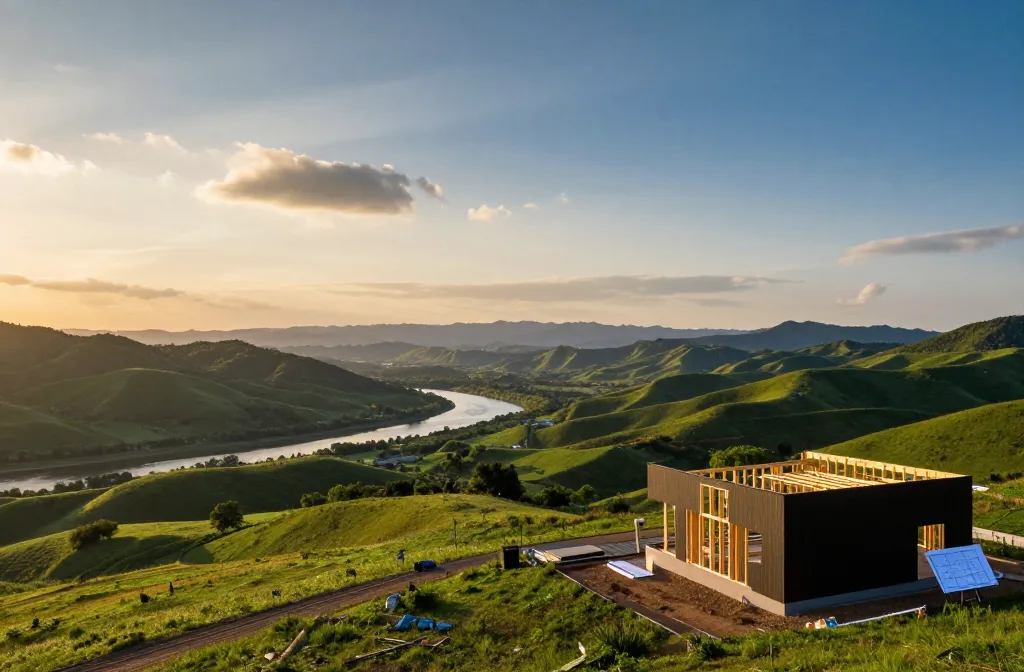
Planning permission vs building regulations: two big gatekeepers that decide what you can build, where, and how. They aren’t the same thing, they don’t work the same way, and mixing them up leads to headaches. Let’s demystify them so you know what you’re dealing with before you lift a finger—or a hammer.
What actually counts as planning permission?
Planning permission is all about the big picture. It answers questions like: Will this house extension change the character of the area? Will it affect it’s neighbors or the street scene? Is there enough space to park the extra car? It’s about use, appearance, and siting.
– It’s usually needed for new buildings, big alterations, changes of use, or when you’re in a sensitive area.
– Local planning authorities (LPAs) decide, guided by national policies and local plans.
– The process can take weeks or months, and it often includes public consultation.
If your project would sit within the style, footprint, and purpose of the neighborhood, you’re in a better position. If not, you might face objections or have to adjust your plan.
And building regulations? What do they require exactly?
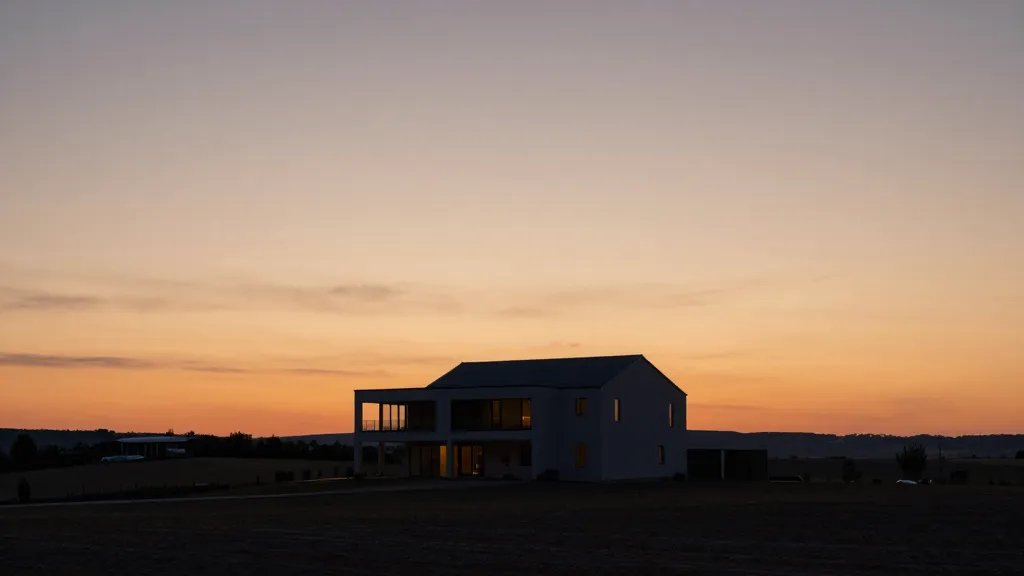
Building regulations focus on safety, energy efficiency, and accessibility. They’re the technical rules that ensure the finished project isn’t a deathtrap or a heat-leaking eyesore.
– They cover structural integrity, fire safety, ventilation, insulation, drainage, and health and safety on site.
– You don’t need planning permission for every tiny change, but you do need to prove the work meets the regulations.
– A building control body (your local authority or a private approved inspector) checks your plans and inspects the work as it goes.
Think of planning permission as “should we do this in the first place?” and building regulations as “can we do it safely and up to spec?” Both matter, and you usually need both—though not always in the same order.
Which one comes first: planning or building regs?
Most people apply for planning permission first, then handle building regulations once the plan is approved. Why? Because planning is about the concept and impact, while building regs are about execution.
– Plan first, because you might need to redesign if planning raises objections.
– Building regs come after you have a concrete design and construction method.
– Some projects can hit issues in both tracks at once. It’s not a bad thing to start both threads, just don’t assume you’ll breeze through one and ignore the other.
FYI: If you’re extending a listed building or in a conservation area, you’ll face stricter checks on planning and possibly more stringent building controls too.
What about exemptions, Permitted Development rights, and when you can skip planning?

Permitted Development (PD) rights let you do certain small changes without full planning permission. They’re great when they apply, but they’re also easy to get tripped up on.
– PD rights cover things like small extensions, loft conversions, or changes of use within limits.
– Conditions matter: footprint limits, height caps, materials, and positioning can all kill PD eligibility.
– If you’re unsure, check with your local planning portal or talk to a professional. It saves time and avoids fines.
When PD doesn’t apply, you’ll need a full planning application. If you’re changing use (for example, turning a garage into a living space) or altering a building’s shape in a sensitive area, plan ahead for potentially longer decisions and possible objections.
Subsection: Understanding the decision process
What happens after you submit planning
– The planner reviews your application and checks against local policies and neighbor notices.
– They might ask for amendments or extra information. Don’t panic—this is common.
– A decision is issued: approve, approve with conditions, or refused. If refused, you usually have the right to appeal.
What happens during building control inspections
– Your chosen inspector checks things at key stages: foundations, framing, insulation, and final completion.
– They verify compliance with the building regulations, not with planning considerations.
– If something doesn’t meet the standard, you’ll need to fix it before you can proceed or obtain a certificate of completion.
How to navigate the process like a pro

If you want to maximize your odds of a smooth ride, here are some practical steps.
– Do your homework early: check your Local Plan, PD rights, and any conservation rules.
– Talk to neighbors early. A quick heads-up can reduce objections and speed things along.
– Hire the right help: a planning consultant for the planning side, and a qualified building inspector for the regs.
– Be precise in plans: clear drawings, accurate measurements, and a written statement about the project’s aims help everyone understand what you’re doing.
– Build in contingencies: budgets, timeframes, and potential design tweaks. It’s not sexy, but it saves drama.
Frequently asked questions
Do I always need planning permission for an extension?
Planning permission isn’t always required, thanks to Permitted Development rights. But many extensions still need it, especially if you’re in a conservation area, a listed building, or if your extension is very large. When in doubt, check with your local planning authority or consult a professional.
What if my plans don’t meet building regulations?
If your plans fail to meet building regulations, you’ll get guidance from the building control body. You’ll need to adjust the design or methods to bring them into compliance. In the worst case, you may not be able to legally complete the work until it’s corrected.
Can I appeal a planning decision I don’t like?
Yes. If planning is refused or granted with onerous conditions, you can appeal. The process varies by country and region, but it usually involves submitting new information or modifying your plans and presenting a case to the planning inspectorate.
How long does the whole process take?
Times vary wildly. Planning can take several weeks to several months depending on complexity and local workloads. Building regulations inspections run through the build timeline, typically from a few weeks to several months, depending on project size and any needed adjustments.
What’s the overlap between planning and building regs?
They’re separate processes, but they overlap in practice. Some design choices influence planning outcomes and building regulation compliance. Coordinating them early saves time and avoids costly redesigns later.
Common pitfalls to avoid
– Underestimating the importance of neighbor input. A friendly heads-up can make or break a smooth approval.
– Assuming “less is more” with regulations. Skimping on insulation or fire safety saves money early but hurts long-term comfort and safety.
– Ignoring drainage and site constraints. Water, soil, and access impact both planning and construction.
– Forgetting about access for future maintenance. If you can’t reach it, you’ll regret it when repairs pop up.
Real-world scenarios: what works and what doesn’t
– Scenario A: You want to add a modest rear extension in a suburban street. The footprint is within PD limits, but the materials clash with the street’s character. You’d likely get planning approval with some tweaks to materials or appearance. Building regs would focus on structural soundness and energy efficiency—both manageable with a good architect.
– Scenario B: You plan a loft conversion in a terraced row in a conservation area. PD rights probably don’t cover the scale, and planning permission could be more restrictive. Building regs still apply, including fire safety for escape routes. Expect a longer, more careful process.
– Scenario C: You’re converting a garage into a home office in a busy town center. Might be a change of use requiring planning, plus building regs for insulation, ventilation, and access. Local policies may prefer against more traffic or parking strain, so prepare to address car parking impact in your planning submission.
Tools and tips to keep things simple
– Checklists are your friend: planning checklist, building regs checklist, site survey. Tick off boxes as you go.
– Visualize with good drawings. Clear elevations, sections, and a proposed materials board help everyone “get it.”
– Use a single point of contact. A planning consultant and a building control body can coordinate to avoid double handling.
– Budget with a cushion. Planning delays and design tweaks cost money. Plan for extra contingency.
– FYI: keep records. Save all correspondence, consent letters, and inspection reports in one place.
Conclusion
Planning permission and building regulations aren’t enemies; they’re two essential gatekeepers that ensure your project fits the neighborhood and stands up safely. Start with the big-picture questions, then stitch in the nitty-gritty technical requirements. With the right prep, you’ll dodge most hiccups, keep projects moving, and end up with a space you actually enjoy living in. So map out your plan, talk to the right people, and go from dream to done—the right way.