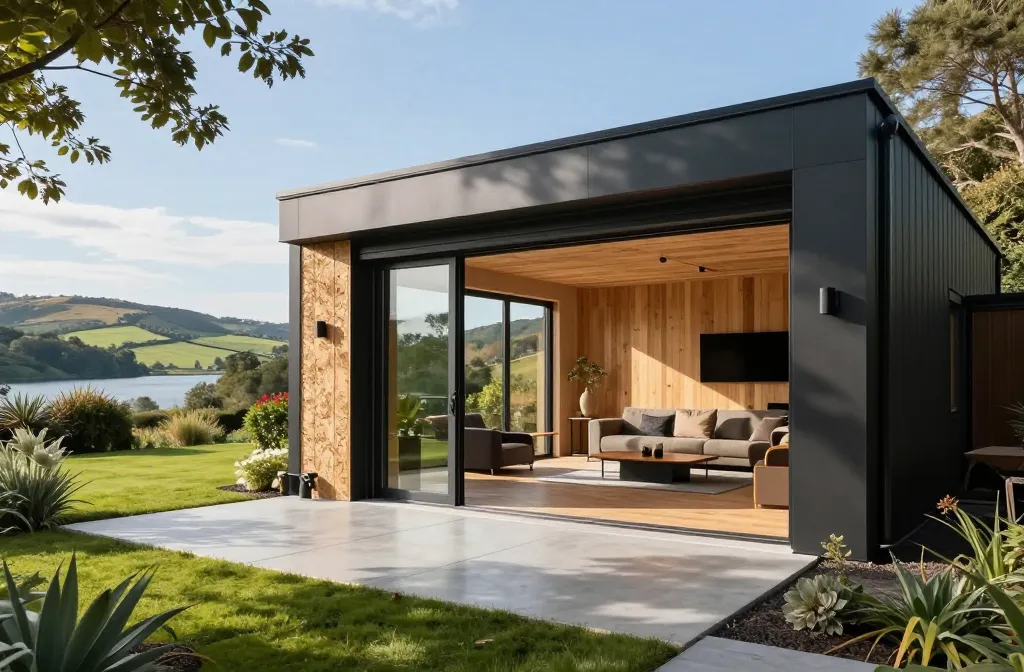
The idea of turning a garage into something totally new is exciting. It’s like giving your home a secret upgrade without moving house. But under the wow-factor, there are decisions, calculations, and a few headaches to dodge. Let’s walk through garage conversions in a way that actually helps you decide what’s worth it.
Why even bother converting a garage?
How often do you use that space as a car park anyway? If you’re like most people, the garage ends up being a catch-all: bikes, camping gear, the treadmill you never use, and a questionable mountain of laundry. A conversion can add usable square footage, boost your home’s value, and give you a room you actually enjoy. IMO, you’ll wonder why you didn’t do it sooner.
First things first: check zoning, permits, and structure

Before you start ripping drywall, get real about the basics. If you skip permits, you might end up with fines, or you’ll have to undo your progress later. FYI, many places require permits for electrical, plumbing, or changes to insulation and windows.
– Check local zoning and HOA rules (yes, HOA owners, this matters).
– Confirm footings, foundations, and any structural changes with a pro.
– Plan for building codes: egress, ventilation, fire safety, and insulation.
Structural realities you’ll want to know
A garage isn’t just a box with a door. It often has a slab-on-grade foundation, which can complicate insulation and moisture control. If the ceiling is low, you’ll want to think about ventilation and possibly a compact HVAC setup. If there are load-bearing walls, you may need beams or posts—aka more budget and complexity.
Windows, doors, and light
Most garages have small windows or none at all. If you’re turning it into living space, expect to add or enlarge windows for daylight and egress. More light also means more heat or cold—so plan for a proper thermal barrier and efficient glazing.
What will you actually do with the space?
The purpose of your conversion drives design choices. Will it be a rental unit, a home office, a gym, or an extra living room? Each use has its own checklist.
- Home office: you’ll want good natural light, power outlets, and quiet acoustics.
- Guest suite: consider a private bath, a small kitchen area, and soundproofing.
- Gym or studio: durable flooring, climate control, and easy-to-clean surfaces.
- Studio or hobby room: plug-ins for equipment, ample storage, and a flexible layout.
Smart zoning within the space
Split the space with movable screens or partial walls rather than full-on drywall if you want flexibility. It’s easier to reconfigure later, and you’ll save on time and materials. FYI, a well-placed closet or built-in storage goes a long way for keeping things neat.
Insulation, moisture, and comfort
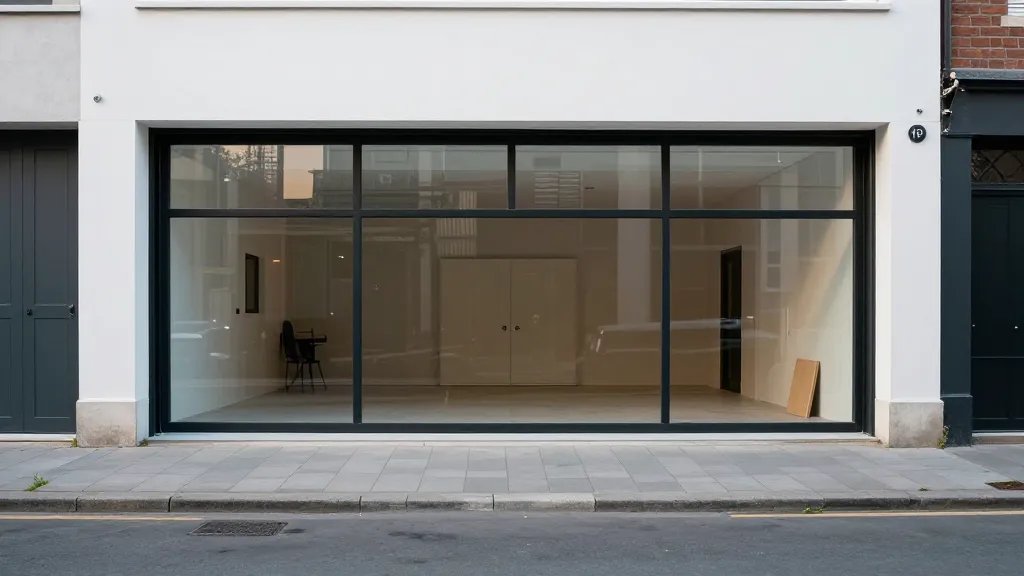
A garage can be a drafty, damp mess if you skip insulation. Comfort is not optional if you’re turning it into living space.
- Insulation: walls and ceiling need R-values appropriate for your climate.
- Moisture control: vapor barriers, proper drainage, and a good under-slab moisture barrier if you’re finishing the floor.
- Heating and cooling: mini-splits are popular for garages because they’re efficient and quiet.
- Flooring: consider moisture-resistant options like vinyl plank or rubber tiles.
Ventilation matters
You’ll want fresh air without pulling in every outdoor exhaust. A mechanical ventilation system or well-placed vents prevent stale air and mold risk. It’s not glamorous, but it’s necessary.
Electrical, plumbing, and the kitchen/bath plan
If you’re adding a kitchen or bathroom, you’re in for a plumbing and electrical upgrade. Don’t try to wing this with DIY shortcuts. You’ll save time and money by consulting licensed pros.
- Electrical: add outlets, dedicated circuits for heavy appliances, and safe lighting plans.
- Plumbing: running new lines can be simple or a headache depending on location and slope. You’ll probably want a professional for this.
- Kitchens and baths: even a small kitchen needs a proper vent, water supply, drainage, and waste lines. A compact, efficient setup works best.
What about a kitchenette instead?
If you don’t want a full kitchen, a compact kitchenette with a sink, small fridge, and portable cooking options can still feel luxurious in a converted space. It keeps costs down and still serves guest suites or rental units well.
Finishes, style, and the feel of the room

The look matters as much as the bones. You want a space that feels intentional, not a garage with a stand-alone door.
- Ceiling: consider a finished ceiling with recessed lighting or track lighting.
- Walls: drywall with a fresh coat of paint, or durable plaster for a more premium feel.
- Floor: moisture-proof options reign supreme in garages—think luxury vinyl plank, porcelain tile, or rubber.
- Doors and entry points: keep easy access, but consider a separate exterior door for a private entry if you’re making an income unit.
Do you need to match the main house?
Not necessarily. You can create a distinct look that still feels part of the home. Contrasting trim, a different color, or unique lighting can add personality without clashing with the rest of the house.
Costs, budget, and a sensible timeline
This is where dreams meet reality. Garage conversions can range wildly depending on scope, location, and finishing touches.
- Low-budget finish (basic insulation, drywall, simple lighting): mid-range per square foot, but expect hidden costs.
- Mid-range: better insulation, a compact bathroom or kitchenette, and better finishes.
- High-end: premium flooring, full kitchen, high-end fixtures, and bespoke storage.
Plan for contingencies. A few extra grand for unexpected plumbing, wiring, or structural snags isn’t unusual. And yes, DIY can trim costs, but you’ll likely hit a wall with permits and code compliance.
Timeline reality check
Expect a few weeks to several months depending on the size and complexity. If you’re chasing permits, add time for approvals. If you’re hiring pros, their schedule matters too. Communicate clearly and set milestones.
Value, comfort, and resale impact
A well-done conversion can raise property value and improve daily living. But not all conversions are created equal in terms of ROI.
- Appraisal: finished living space typically adds more value than bare storage. A comfortable, well-lit room with a dedicated heating source tends to fetch a higher value.
- Market fit: if many homes in your area have spare suites, your plan fits; if not, make sure the space stands out for the right reasons.
- Rent potential: a self-contained unit with a separate entrance can be a solid source of income if done right.
Privacy and comfort specifics
Consider soundproofing between the main house and the converted space. It’s easy to underestimate how noise travels, especially from a garage with hard surfaces.
Tips from people who’ve done it
I’ve talked to folks who turned garages into home offices, in-law suites, and even a tiny apartment. Here are the gems they shared.
– Start with a realistic budget and a clear design goal. Vague dreams plus open-ended timelines equal budget blowouts.
– Hire a reputable contractor with solid references. Between permits and mechanical work, you want someone who actually shows up.
– Prioritize air sealing and insulation. It’s the cheapest comfort upgrade you can make.
– Think about future needs. If you might grow a family or start a home business, plan spaces that can adapt.
– Don’t underestimate storage. A few built-ins can save a world of clutter and keep the space feeling roomy.
FAQ
Do I need a permit to convert a garage?
Yes, in most places you’ll need permits for structural changes, electrical, plumbing, and often for finishes that affect living space. Check with your city or county building department early to avoid delays or fines.
Is a garage conversion worth it financially?
Usually yes, especially if you create a comfortable living space with good insulation, lighting, and a separate entrance. It can increase resale value and provide rental income. The exact ROI depends on your location, the quality of finishes, and the market demand.
Will a garage conversion be energy efficient?
It can be, with proper insulation, sealing, and a suitable heating/cooling system. Don’t skimp on windows or doors, and consider a mini-split system for efficient climate control.
How long does it typically take?
Most projects run from a few weeks to several months, depending on scope and permitting. If you’re adding a bathroom or kitchen, factor in longer timelines due to plumbing and inspections.
Can I DIY parts of a garage conversion?
You can handle non-structural interior finishing, painting, and decorating to save money. But for structural work, electrical, plumbing, and HVAC, hire licensed pros. It’s safer and usually cheaper in the long run.
Conclusion
Turning a garage into a usable, comfy space isn’t a miracle cure for a small home, but it’s close. With the right planning, you can create a room that feels purposeful rather than an afterthought. Do your homework on permits, insulation, and a solid heat source. Then get ready for a space that actually gets used—and maybe even becomes your favorite room in the house.
If you’re still unsure, start with a simple, well-insulated shell and test-drive the layout with movable partitions. You’ll get a sense for how you’ll live in the space without committing to a full build. FYI, the best garage-to-living-space stories usually start with a clear goal, a reasonable budget, and a contractor who shares your sense of humor.