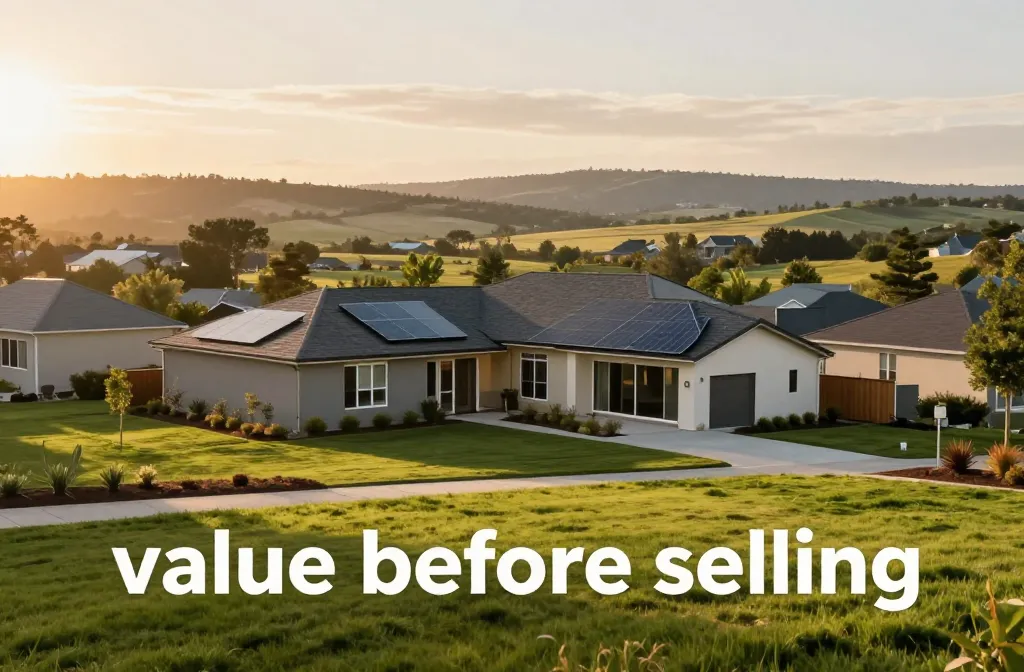
I’m guessing you’re eyeing the market with a little trepidation and a lot of questions. You don’t want to overspend, you want to move fast, and you’d rather not stage your life like a showroom. Great news: adding value before selling your home doesn’t have to be a full-blown renovation marathon. It can be smart, practical, and even a little fun.
Why add value at all? Because value isn’t just about the price tag. It’s about selling confidence. It’s about buyers walking in and thinking, “This one feels easy.” It’s about you getting closer to your closing day with fewer headaches, more offers, and better terms. Let’s dive into actionable ways to boost value without breaking the bank or your spirit.
Start with a clear game plan: what actually adds value?
Before you lift a hammer or spend a dime, map out what matters most to buyers where you live. Not all improvements are created equal, and some upgrades don’t pay off at all in your market.
– Identify your “low-hanging fruit”: cosmetic fixes that feel big but don’t cost a fortune.
– Pinpoint energy and efficiency wins that attract modern buyers.
– Consider curb appeal as your first impression factory.
– Leave projects that don’t add value in the garage (or on your to-do list for a future home).
Think of this as your pre-sale treasure map. The goal is to maximize appeal without turning your listing into a money pit. FYI, you don’t need permission from a press secretary to love a simple improvement—just good sense and a plan.
Make the entrance inviting: curb appeal that whispers “buy me”

First impressions matter more than you’d guess. Buyers decide within seconds whether they’re in for a good tour or a half-hearted pass.
– Exterior basics: fresh paint or a power wash, clean gutters, and a tidy front porch.
– Landscaping that pops: a few well-placed plants, fresh mulch, and neat edging.
– Lighting: warm porch light, path lights, and outdoor fixtures that work reliably.
– Door drama: a fresh coat of paint on the front door or a bold but tasteful color.
- Low-cost fix: remove clutter and park the car in a way that doesn’t block the view of the house.
- Medium fix: replace an old mailbox or house numbers that have seen better days.
- Big win: reseal the driveway if it’s showing age or stains (partial repairs can still look premium).
If you want extra shine, toss in a seasonal potted plant or a welcome mat that matches your style. You’re not just selling a house; you’re selling a feeling of “this place is cared for.”
Focus on the kitchen and bathrooms—without gutting the place
Kitchens and bathrooms sell houses. No mystery there. The good news: you don’t need a complete remodel to make a noticeable difference.
– Kitchen quick wins: replace dated cabinet knobs, upgrade lighting, new faucet, and clean, bright countertops. Consider a peel-and-stick backsplash for a fresh look without the mess.
– Bathroom boosts: reseal grout, replace a tired vanity light, and install a new shower curtain rod or faucet. Fresh towels and a clean, uncluttered countertop go a long way in photos and showings.
– Storage and layout: buyers love functional spaces. If you can, maximize cabinet organization or add a cheap but sturdy storage solution to demonstrate practical use.
Subsection: small upgrades that go a long way
– Hardware swap: cabinet handles and drawer pulls can redefine a kitchen.
– Lighting: switch to daylight bulbs to brighten photos and real rooms alike.
– Countertop illusion: use contact paper to modernize a dated laminate, if you’re comfortable with DIY.
Refresh without ripping out: paint, flooring, and smart updates

A fresh palette and clean surfaces often yield the biggest returns. You don’t have to repaint every room, but a cohesive, modern look helps buyers visualize themselves living there.
– Paint: soft neutrals win. Think warm whites, light grays, or creamy beiges. Avoid bold colors that limit buyer imagination.
– Flooring: if you have pets or heavy traffic, a good cleaning and minor repairs can feel transformative. If needed, consider affordable updates like vinyl planks that mimic real wood.
– Neutrality wins: declutter aggressively and stage with minimal accessories. A few well-chosen plants can add life.
Smart upgrades that pay off in any market
Not every upgrade pays equally. The trick is choosing items that give buyers a sense of modern living without overspending.
– Energy efficiency: LED lighting, smart thermostats, weather-stripping, and a programmable thermostat often resonate with buyers who want lower operating costs.
– Tech-friendly touches: reliable Wi-Fi signal boosters, wired internet in a couple of rooms, and basic smart-home compatibility can be appealing.
– Practical improvements: updated outlets and USB ports, functional storage, and a well-organized laundry area.
Declutter, depersonalize, and create space buyers can imagine

The goal isn’t to erase your personality; it’s to give buyers room to see themselves living there.
– Declutter like a ninja: clear surfaces, store excess belongings, and create generous walkways.
– Depersonalize: remove family photos, personal memorabilia, and bold collections. You’re aiming for a blank canvas vibe.
– Easy staging tricks: open blinds to maximize natural light, arrange furniture to showcase flow, and use a few tasteful accessories to suggest lifestyle.
- Depth vs. distance: remove oversized furniture that makes rooms feel cramped.
- Color coordination: if you’re adding textiles, pick cohesive tones that echo throughout the home.
- Pet considerations: if you have pets, address odor and cleanliness. Buyers notice even subtle smells.
Maintenance matters: fix the little things before the big reveal
Big problems scream “renovation budget,” while little fixes whisper “we care.” Power through a punch list before you list.
– Check essentials: HVAC, plumbing, and electrical systems should be in good shape. If there are quirks, be honest and provide documentation.
– Cosmetic fixes: patch holes, fix leaks, tighten doors, and replace worn-out doorknobs.
– Outdoor maintenance: mow regularly, trim shrubbery, and keep alleys clean. A tidy exterior reduces buyers’ concerns.
Pricing strategy: value-based, not guesswork
Pricing isn’t only about the dollar amount; it’s about the story you tell with the price.
– Compare apples to apples: study recent comps in your area and adjust for condition and upgrades.
– Highlight your value: in your listing and during showings, point out the improvements and the expected benefits.
– Be flexible, but firm: you want traction, not a stale listing. Consider a price range that invites multiple offers without feeling like a bidding war.
FAQ
What’s the fastest way to add value before listing?
Patch, clean, declutter, and freshen surfaces. A bright, clean space with a few well-chosen upgrades (new fixtures, updated lighting, neutral paint) often delivers the strongest return in the shortest time. If you must choose, start with curb appeal and the kitchen/bathroom upgrades first.
How do I decide which upgrades are worth it in a competitive market?
Look at your local comps and estimate the added sale price from each improvement. If an upgrade commonly recoups more than its cost, it’s worth it. If a change is cosmetic and doesn’t lift the perceived value, skip it. Your agent can help with precise numbers.
Should I hire professionals for staging or can I do it myself?
A mix works well. Do the heavy lifting yourself—declutter, clean, and fix obvious issues. Then either hire a staging service for a day or two or get a friend to help arrange furniture and props. The goal is a polished look without overkill.
What about energy-efficient updates? Are they worth it?
Yes, especially if your area has buyers who care about operating costs. Simple upgrades like improved insulation, a programmable thermostat, and LED lighting often pay back through energy savings and buyer perception.
How long should I expect from listing to closing after value-adding upgrades?
It varies by market, but solid upgrades can shorten time on market. If your home shows well and is competitively priced, you’ll typically see more interested buyers within days to a couple of weeks. Don’t get cute with timing—let the market guide you.
Conclusion
You don’t need a DIY throne of glory to win at selling. You need a thoughtful plan, a few smart upgrades, and a touch of staging magic. Focus on the details that buyers notice first—curb appeal, a fresh kitchen and baths, and a clean, roomy feel. When you reduce friction for buyers, you reduce negotiation friction too, and that’s when you start seeing real offers roll in.
If you’re feeling overwhelmed, roll up your sleeves and treat it like a fun project with a clear payoff. IMO, the best part is knowing you’re not just selling a house—you’re selling a well-loved, move-in-ready space that someone else can picture as home. FYI, you’ve got this. With the right moves, you’re not just adding value—you’re creating a compelling story buyers want to be part of.