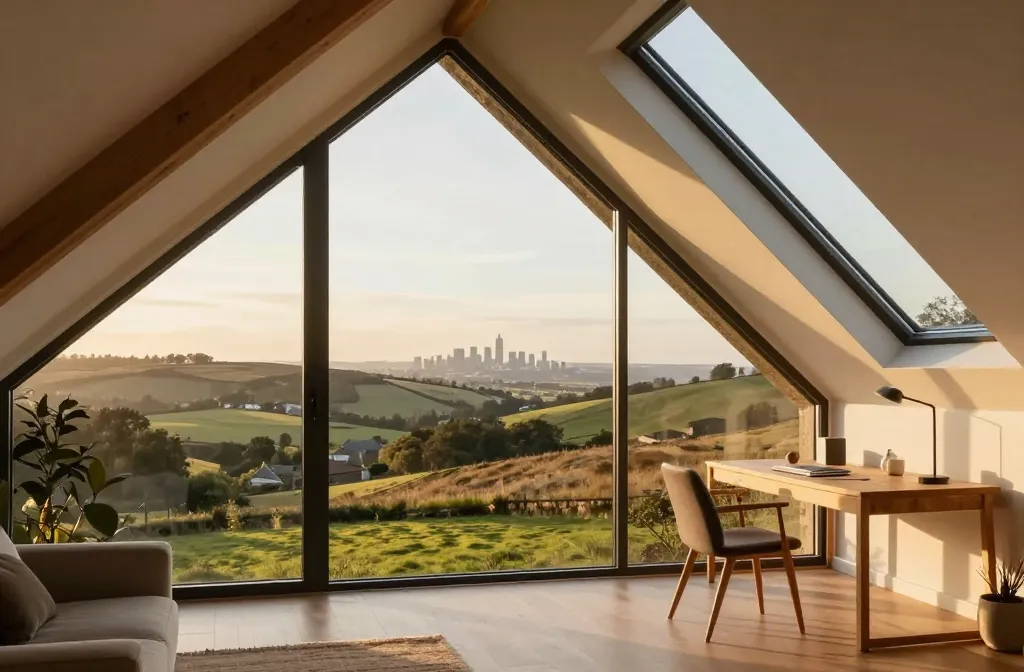
Think of a loft conversion as turning a messy attic into a proper usable space without moving house. It’s like transforming a storage hideaway into your new bedroom, home office, or dream gym. The catch? Costs can swing more than a gymnast on a trampoline, depending on what you want and where you live in the UK. Let’s break down what you’ll actually pay, what affects those numbers, and how to avoid waking up in loan-sized financial regret.
What a loft conversion really costs in the UK
No fluff: you’re likely looking at a wide spectrum. Basic roof conversion with a simple rear dormer can start around £25,000-£40,000 if you’re lucky with planning and materials. A full-scale mansard with an ensuite, high-spec finishes, and added structural work can easily push past £60,000-£100,000 or more. FYI, those highest numbers usually involve major structural work, high-end finishes, and planning constraints in city centers.
– Base build cost: £10,000-£20,000 for a minimal roof and floor clearance (not recommended, but it happens).
– Dormer additions: £15,000-£35,000 depending on size and finish.
– High-end, full-scale: £60,000-£100,000+ with ensuite, large windows, and premium fixtures.
– VAT and fees: remember to add VAT (20%) and potential building control, structural engineer, and party wall costs.
Why such a spread? It’s not just square footage. It’s roof type, ceiling height, insulation, stairs, windows, and how much you need to reconfigure the existing structure. And yes, planning permissions can flip the numbers too.
Key factors that push costs up or down
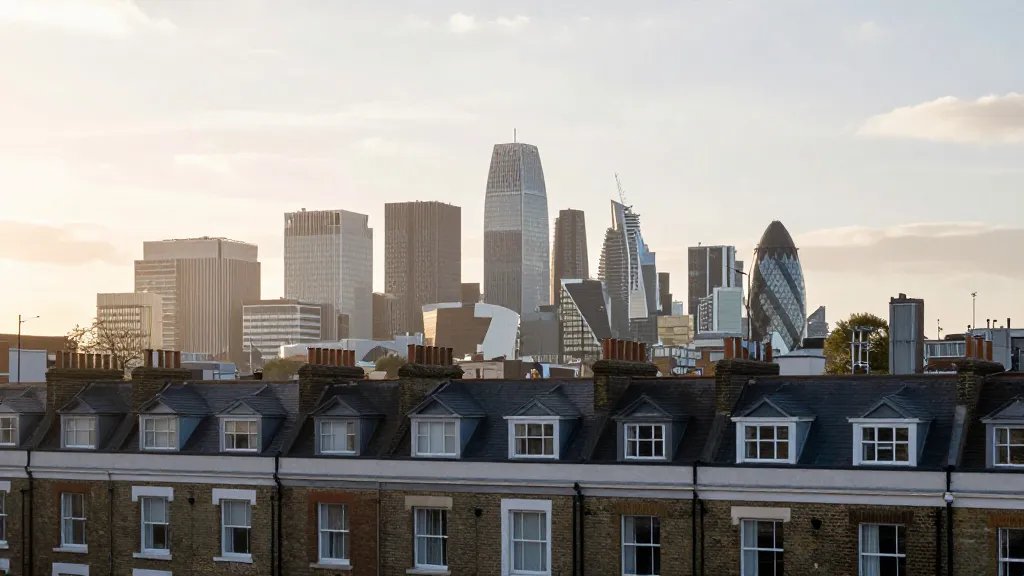
This isn’t a one-size-fits-all project. Here are the things that mostly determine the final bill.
Roof type and height
– Flat vs pitched roof: Flat roofs are usually cheaper to install but can be tricky for insulation and drainage long-term. Pitched roofs feel sturdier but can require more timber and metal fittings, which nudges costs up.
– Ceiling height: If you’re aiming for a full-height, habitable space, you’ll want at least 2.2m under the eaves and more in the middle. Anything lower means you’ll either compromise on usability or shell out for more work to raise it.
Layout and internal reconfiguration
– Straightforward conversion (box room with a new staircase): cheaper and quicker.
– Complex layouts (multi-purpose rooms, hallway access, skylights): expect more design time, carpentry, and windows, which mean higher prices.
Stairs and access
– A new staircase can be a big ticket item. If you need to relocate doors, widen staircases, or install a bespoke staircase, you’re looking at additional costs.
– Light wells and large windows can add ventilation and light, but they also mean more structural work and potentially steel beams.
Insulation, ventilation, and energy efficiency
– UK homes now lean on better insulation and airtightness. Expect to upgrade insulation in walls, floors, and, crucially, the roof space.
– Heating and cooling: a cosy loft needs proper heating, maybe underfloor heating in some cases, plus ventilation to stop it from turning into a sauna.
Wet systems and plumbing
– If you’re adding an ensuite or kitchenette, you’ll need reliable plumbing, drainage, and possibly a new boiler or updated controls.
– Water pressure and pipe routing can throw in additional costs if you must snake pipes through tricky routes.
Planning, permissions, and legal extras
Here’s the boring-but-important bit you don’t want to skip.
Planning permission vs. permitted development
– Many loft conversions fall under permitted development, especially in many parts of England. But if you’re in a conservation area, an AONB, or you’re increasing floor area by more than 40 cubic meters (for a terrace) or 50 cubic meters (for a detached/semidetached), you’ll likely need planning permission.
– Even if you don’t need full planning, you’ll still need building regulations approval. That’s non-negotiable to ensure safety and compliance.
Party wall and neighbor stuff
– If your loft involves work on or near a shared wall, you may deal with a party wall agreement. That’s a bit of a drudge but it keeps the neighborhood peace and your project legally airtight.
– Fees: party wall notices and potential surveyor costs aren’t massive, but they are real.
Building regulations and structural checks
– Building regs are non-negotiable. They impact insulation levels, fire safety, structural integrity, thermal performance, and more.
– Structural engineer report: you’ll likely need one if you’re significantly altering the roofline, adding steel beams, or changing load paths.
How to estimate and save intelligently
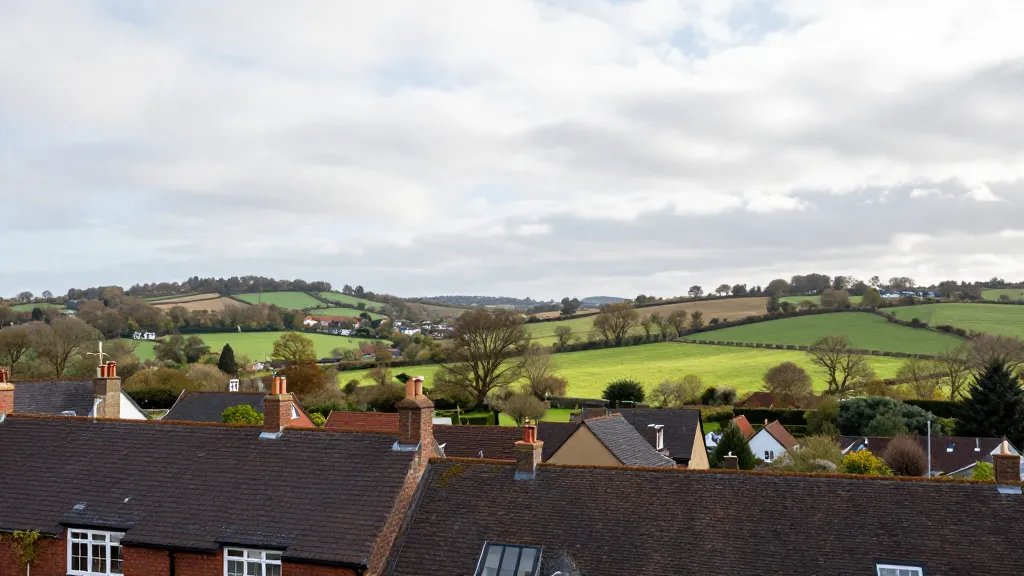
Wish you could snap your fingers and wake up with a perfect loft? You can, but you’ll pay for it. Here’s how to pin down costs and save where it counts.
Set a realistic budget with a cushion
– Add 10-20% contingency for surprises. Yes, there’s always something you didn’t foresee—like an extra beam, unusual damp issues, or fancy skylights.
– Create two budgets: a “minimum viable” and a “nice-to-have.” Then don’t drift toward the more expensive plan unless absolutely necessary.
Shop smart for contractors
– Get at least three quotes. Ask for a breakdown: trades, materials, labour, scaffold, waste removal, inspections.
– Check references and previous loft conversions they’ve done. A quick site visit helps you see the quality beyond glossy brochures.
– Don’t just chase the cheapest quote. The cheapest often hides “extras” later or compromised workmanship.
Materials and finish levels
– Mid-range finishes can deliver a solid balance of look and price. Premium fittings add up quickly, especially if you’re chasing designer bathrooms or hardwood floors in a tight space.
– Consider pre-finished or engineered wood for time and durability. It saves finishing time and can look top-dollar without the premium cost.
Energy efficiency as a long-term saver
– Invest in good insulation, airtight seals, and energy-efficient windows. The upfront cost may be higher, but monthly heating bills drop and comfort rises.
– Consider solar gains with well-placed skylights if you live in a sunny region. It’s not just gimmicky—natural light can dramatically improve the feel of a loft space.
Common pitfalls and how to avoid them
We’ve all seen those “great idea, terrible execution” lofts. Don’t be that person.
Overbuilding for the neighborhood
– If you live in a small terrace, don’t go full-on mansard if it makes your property an outlier. It can complicate sales later if it looks odd on the street.
– Check the vibe: is your loft proportionate to the rest of your house? Bigger isn’t always better.
Neglecting moisture and ventilation
– Loft spaces trap heat and moisture. Without proper ventilation, you risk mould and a stuffy feel.
– Install a proper extraction system if you’re adding a bathroom or kitchen. Don’t rely on a whisper-quiet vent.
Skimping on fire safety
– Fire doors, escape routes, and sound insulation between floors matter. A loft must be as safe as the rest of the home, not an excuse to cut corners.
Finishes and what you can realistically expect

Let’s get practical about how your loft will feel when you finish.
– Light and space: large, well-placed skylights or dormers can open up the room. If you’re in a darker area, consider tubular skylights for a cheaper boost.
– Flooring: carpet is cheaper and softer underfoot; hardwood looks premium but costs more and can be slippery in a loft space. Engineered options often strike a good balance.
– Walls and ceiling: plaster or plasterboard with quality skim and paint can feel high-end without a fortune. Patterned wallpaper can add character if you want a bold look.
– Heating: a compact radiator system or underfloor heating in a compact space can be effective. Don’t neglect insulation—heat rises, but you don’t want your loft turning into a greenhouse in summer.
Real-world examples to give you a feel
Here are some snapshots from typical UK projects to help you picture costs and planning.
– Budget dormer conversion in a Victorian terrace: £25,000-£40,000. Basic ensuite, simple finishes, modest staircase, good insulation.
– Mid-range full loft with front velux windows and rear dormer: £40,000-£70,000. Decent finishes, smart storage, decent bathroom, efficient heating.
– High-spec, large loft in a semi with rear dormer and bespoke staircase: £70,000-£120,000+. Premium finishes, large windows, high-end bathroom, integrated lighting, and smart controls.
– Urban city loft with planning challenges: costs can creep with restrictions, but the payoff is a bright, central space that adds real value when selling.
DIY and phased approaches: should you consider it?
If you’re handy, you might think you can cut costs by doing parts yourself. Here’s the reality check.
– Structural work: leave this to pros. You’ll miss a critical safety margin otherwise.
– Insulation and damp proofing: you can do some prep work, but you still need a professional for compliance.
– Phased approach: many people start with a simple shell (frame and roof) and finish later. It can help manage cash flow, but be aware of extended disruption if you live in the property.
FAQ
Do I need planning permission for a loft conversion?
Loft conversions can often be done under permitted development, but it depends on your area and the specifics of the project. If you’re in a conservation area, a listed building, or you’re increasing the volume significantly, you’ll likely need planning permission. Always check with your local authority and get building regulations approval in parallel.
How long does a loft conversion take?
Typical timelines are around 8-14 weeks for a basic conversion, and longer for complex builds with dormers, en-suites, or structural work. Weather can push schedules, and snagging can stretch a project by a few weeks. Plan for some disruption, especially if you’re living in the home.
What is the best way to finance a loft conversion?
Options include savings, a remortgage, or a personal loan. Some homeowners roll it into their mortgage as a home improvement loan or refinanced equity. Weigh interest rates, fees, and impact on monthly payments. FYI, a clearer plan helps you justify the cost when you rock up at the bank.
How can I increase value with a loft conversion?
Focus on light, space, and usability. A well-lit bedroom with an ensuite, a useful home office, or a flexible playroom can add significant value. Durable finishes and energy efficiency boost appeal to buyers as well.
What should I ask a loft conversion contractor?
– Are you insured and have relevant qualifications?
– Can you provide a detailed breakdown and a project timeline?
– Do you handle planning and building regulations liaison?
– Can you show examples or visits to previous loft conversions?
– What warranties do you offer on workmanship and materials?
Conclusion
A loft conversion can be the quickest route to more space without moving, but it’s not a free upgrade. The costs hinge on roof type, layout, finishes, and regulatory hurdles. Do your homework, build a sensible budget with a cushion, and choose tradespeople you trust. With careful planning, your loft becomes the smartest room in the house—bright, roomy, and exactly where you need it to be.
If you’re itching to explore numbers for your exact house, drop in the details: roof height, current layout, preferred finishes, and whether you’re aiming for a simple storage-maximizing shell or a full-blown habitable floor. IMO, the sooner you map it out, the less you’ll regrettably discover a few months down the line. FYI, a well-thought-out loft can add real value and daily joy—so go on, turn that attic into something you’ll actually use.