The UK has a lot of houses, and somehow even more empty ones. It’s a paradox worth unpacking: why so many homes sit idle, and what the numbers actually say about towns, cities, and budget headlines. Spoiler: it’s not just “more houses please” and a magic fix button. There are policy twists, regional quirks, and plenty of lessons for anyone curious about housing, planning, or just a good old property gossip.
Current state: how big is the empty homes problem in the UK?
If you’ve seen headlines about empty homes, you’ve probably imagined a ghost town of doors with cobwebs. In reality, the picture is more nuanced. Across the UK, official counts show tens of thousands of long-term empty homes, but the definition matters: is it empty for six months, a year, or longer? And does it include homes that are temporarily unoccupied while someone is abroad or between tenants? The numbers shift with policy changes, local enforcement, and the quirks of counting.
Different kinds of emptiness
– Long-term empty (usually 6+ months): the core concern for councils and communities.
– Seasonal or temporary: family away for work, second homes, or investors testing the market.
– Derelict or neglected: buildings that aren’t just empty, but in need of serious repairs.
Where the empty homes are most noticeable
– Urban cores with high turnover.
– Coastal towns facing economic shifts.
– Rural areas with aging housing stock.
What’s driving the trends? A mix of policy, economics, and local quirks
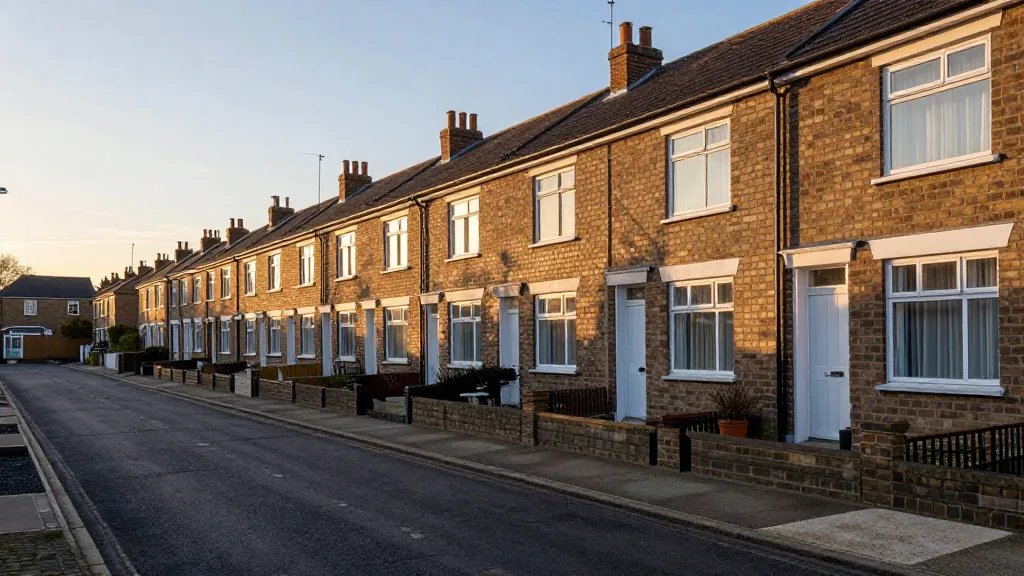
The reasons empty homes persist aren’t a single villain. You’ve got multiple forces at play shaping the numbers.
- Property investment and sourcing: Some homes sit empty while investors wait for the market to swing in their favor, or because they’re converting to other uses.
- Planning and renewal cycles: Redevelopment projects can leave blocks empty for years as councils navigate permissions and funding.
- Economic shifts: Areas hit by factory closures, job losses, or tourism slumps see more empty homes as people move away.
- Regulatory and tax measures: Council Tax exemptions, empty homes premiums, and penalties can nudge owners to bring properties back to life—but not always fast enough.
Policy levers and what actually changes the count
Policy makers keep tinkering with tools designed to reduce long-term empties. Some work better than others, depending on local conditions and political will. Here’s what tends to move the dial.
- Empty homes premium and penalties: Higher charges encourage owners to fix up or sell. FYI, some authorities offer remittance if owners bring properties back into use quickly.
- Better data and enforcement: More accurate counts help councils target interventions—like grants, loans, or property conversions.
- Conversion incentives: Turning long-term empties into affordable housing, holiday lets, or small business spaces can be a win-win when demand exists.
- Town centre and brownfield regeneration: Investing in renewals makes empty spots attractive again for residents and developers.
Regional vibes: where empties are a bigger deal
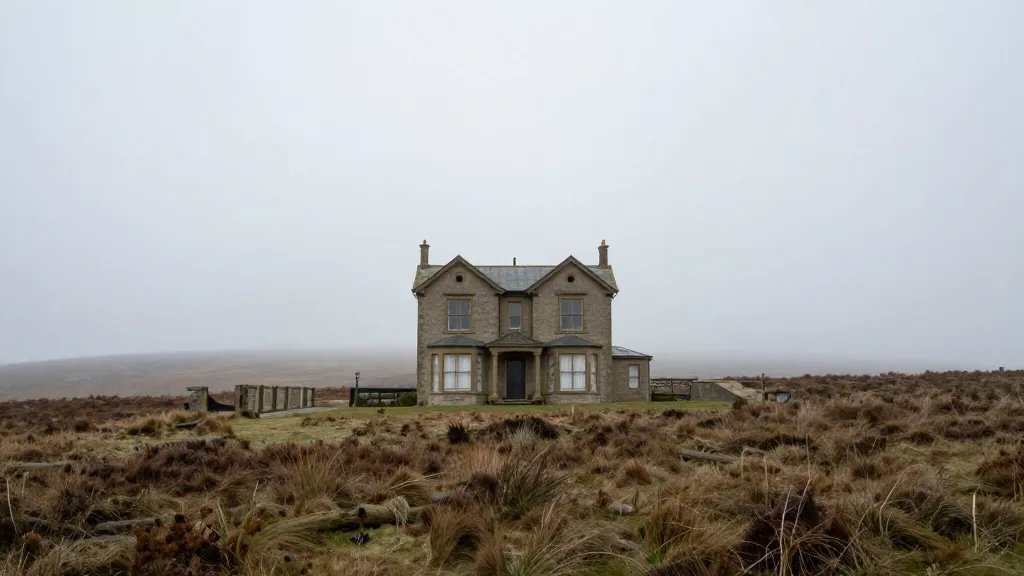
Not all regions juggle empty homes the same way. Some places wrestle with higher long-term empty rates due to economic cycles, while others stay relatively balanced.
- <strong<Urban hotspots: Big cities often see churn rather than empties, but pockets of long-term vacancy can cling to post-industrial neighborhoods.
- Coastal and rural: Economic shifts and aging housing stock lead to more empty homes in seaside towns and countryside pockets.
- Smaller towns: Sometimes empties spike after local industries close, then gradually improve as regeneration projects kick in.
What does the data actually say? Reading the numbers like a pro
Statistics can be a little fiddly. Here’s how to read UK empty homes data without summoning spreadsheet-induced eye-rolls.
- Definition matters: Long-term empty is typically six months or more. Short-term vacancy is common and less actionable.
- Local variations: A council with tight enforcement can show lower empties than a neighboring one with laxer rules—don’t compare apples to oranges.
- Trends over time: A rising trend doesn’t always mean a failed market; it can indicate better reporting, more enforcement, or a boom in conversions.
- Policy context: Tax changes, grants, and housing targets can shift the numbers in predictable ways after implementation.
Deeper dive: how “empty” becomes “usable”
– Conversion programs: Turning empties into flats, student housing, or affordable homes often relies on planning permissions and funding. When successful, it reduces long-term vacancy and boosts local supply.
– Refurbishment grants: A grant can unlock a dormant property that’s otherwise unaffordable to fix. The result? A home back on the market, and a neighborhood perk.
– Quick wins vs long games: Some towns chase fast wins with re-lets and anti-penalty campaigns; others invest in long-term regeneration, which pays off but takes time.
The human angle: what this means for communities and tenants

Numbers matter, but so do people. Empty homes affect neighborhoods’ vibrancy, safety, and local budgets. They also shape how first-time buyers and renters perceive an area.
- Neighborhood vitality: Empty homes can drag down nearby property values and curb appeal, even if only a few exist.
- Safety and maintenance: Unoccupied houses can fall into disrepair, attracting damp, vandalism, or squatting—yikes for neighbors.
- Affordability dynamics: When councils successfully bring empties back online, it can ease pressure on rents and help meet housing targets.
- Community pride: Bringing a vacant building back to life can spark local momentum and pride.
What homeowners and buyers should know
If you’re dodging housing market chatter or contemplating an investment, empties aren’t just “numbers.” They’re signals about risk, opportunity, and local reality.
- Due diligence pays off: Check whether a property has been empty long-term, why, and what it would take to bring it back on line.
- Potential incentives to leverage: Some councils offer grants, tax reliefs, or streamlined planning for refurbishments—worth exploring before you buy.
- Market timing matters: An empty home in a high-demand area might be a better investment than a fully occupied in a lull region.
FAQ
What counts as an “empty home” in UK statistics?
Empty homes typically mean properties that have been unoccupied for six months or longer. Some datasets separate long-term empties from short-term vacancies to reflect different policy concerns and enforcement needs.
Do empty homes actually hurt neighborhoods, or are they just a bookkeeping issue?
They can affect neighborhoods more than you’d expect: damp, squatting risks, and decreased street vitality are real. But turning empties into livable homes can revitalize streets, boost council tax revenue, and improve services.
Which regions have the most long-term empty homes?
There isn’t a single answer. Historically, some rural and coastal areas see higher long-term empties due to economic shifts, while certain urban areas struggle with turnover. Local data paints the clearest picture.
What tools do councils use to tackle empties?
Councils use a mix: council tax premiums, empty homes grants, grants for refurbishments, fast-track planning for conversions, and targeted enforcement against persistent long-term vacancies.
Is bringing empties back into use always affordable?
Not always. It depends on the property’s condition, the location, and the kind of conversion needed. Grants and incentives help, but some cases require substantial investment.
Practical steps you can take if you care about empty homes
– If you’re a renter or buyer: look beyond surface appeal. Ask about vacancy history, any planned renovations, and local incentives for refurbishment.
– If you’re a homeowner with an empty property: explore grants, talk to the council about possible incentives, and consider whether a rapid refurbishment pathway exists.
– If you’re a local business or resident group: push for better data, clearer guidance on planning for conversions, and neighborhood-led regeneration projects.
Conclusion
So where does that leave us? Empty homes aren’t a simple villain or a simple fix. They’re a reflection of market dynamics, policy choices, and local realities. The real win? Turning underused space into homes, jobs, and sense of place. FYI, progress isn’t a straight line, but every converted empty is a small victory for communities trying to stay alive and affordable. If we stay curious, ask the right questions, and support smart investments, the empty icon might start looking less like a warning and more like a signal that change is underway.