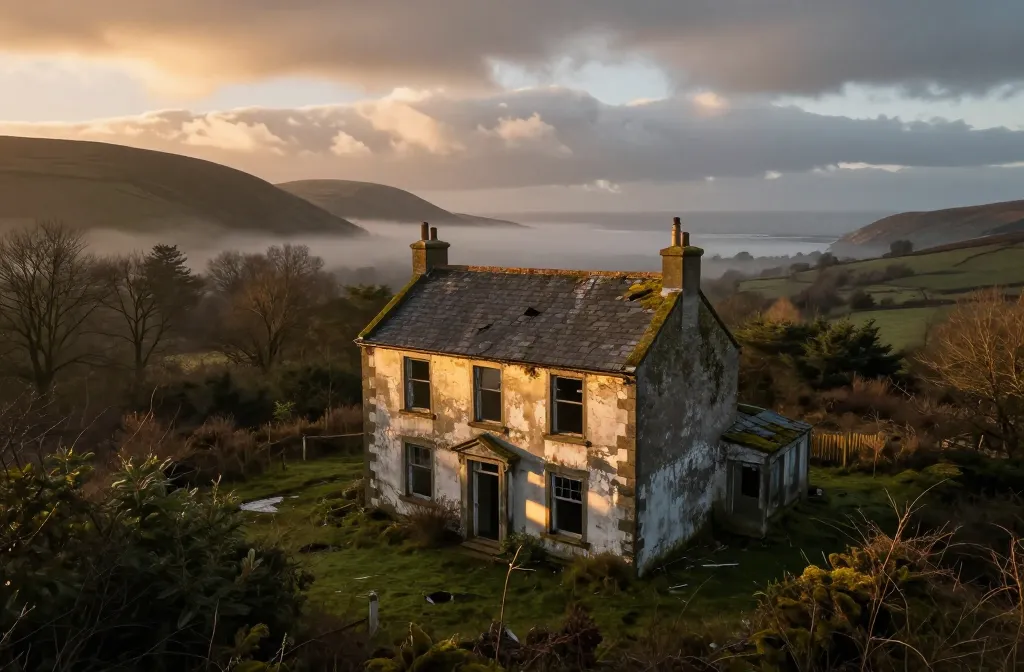
The UK housing market loves a good mystery, but abandoned houses aren’t myths—they’re real, tangled, and oddly fascinating. What happens to them when the doors slam shut and the paint starts peeling? Let’s dig into the life cycle of a neglected property and separate the drama from the paperwork.
What counts as “abandoned” in the UK, and why should you care
No, not every empty house is a ghost town. Councils and owners use a few criteria to label a property abandoned: no one living there, no obvious upkeep, and no visible intention to return. The stakes aren’t just vibes—empty homes can attract vandalism, squatters, and damp that spreads faster than a rumor. FYI, abandoned doesn’t mean unfixable. Sometimes someone just forgot to renew the boiler lease.
What makes these houses tick in the system? They’re bound by planning rules, leasehold vs. freehold quirks, and a maze of inheritance issues. If you’re curious about property law, you’ll see a lot of “legal heirs” and “probate” show up like uninvited guests at a party. This isn’t a scare story; it’s a reality check: empty homes don’t stay quiet forever.
The immediate aftermath: what happens to the property itself
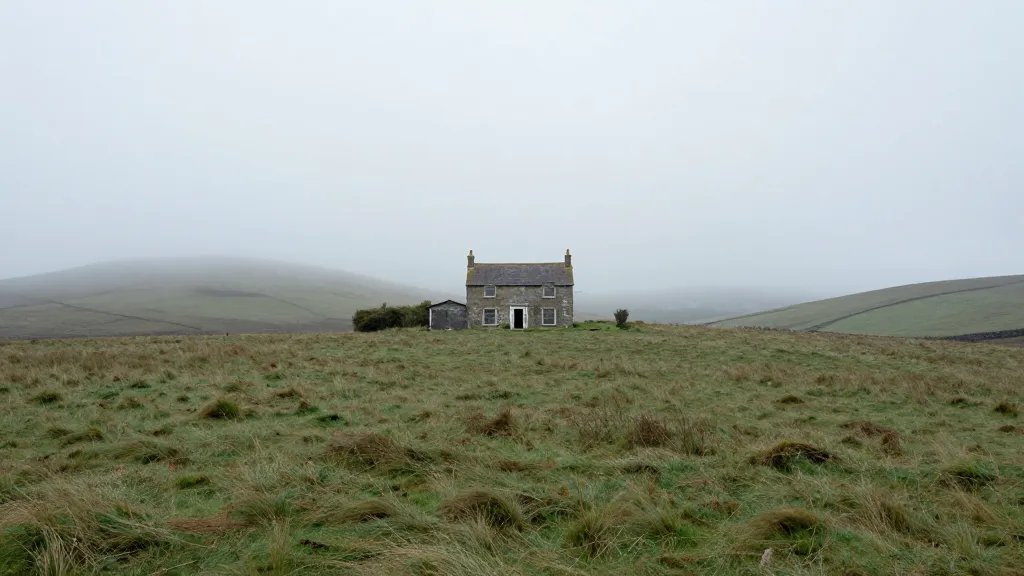
When a house sits empty, a few things start to happen almost automatically.
- Maintenance drops off: a leaky roof becomes a bigger problem, damp tracks the walls, and boilers go on an extended vacation.
- Security becomes a concern: broken windows, overgrown fences, and doors that squeak like a haunted mansion. Squatters often lurk where the heat isn’t turning up.
- Value shifts: in many cases, the market treats empties differently—buyers sniff around for riddles, not just brick and mortar.
But hold up—there’s a flip side. Some abandoned houses become cash-prizes for developers or councils if the stars align, planning permissions land in the right place, and liens get cleared. It isn’t all doom and gloom; sometimes the best thing that happens to a forsaken property is a fresh start with a new purpose.
Who owns abandoned homes, and who gets to decide their fate?
Ownership can get messy fast. Here’s the lay of the land.
The legal owners vs. the moral owners
Often, the person listed on the title is not the person actively managing the property. Inheritance delays, probate, or bankruptcies can keep a property in limbo long after the last resident has left. Meanwhile, someone else might be squatting or using the space informally. It’s a bit of a trust fall, but with audits.
Local councils and the badging of neglect
Councils can step in if a property is derelict or a safety risk. They might issue enforcement notices, require repairs, or even take control through compulsory purchase orders in extreme cases. The goal isn’t to ruin someone’s life; it’s to stop blight from spreading and to unlock a home’s potential for a community.
What actually happens when someone starts fixing up an abandoned place
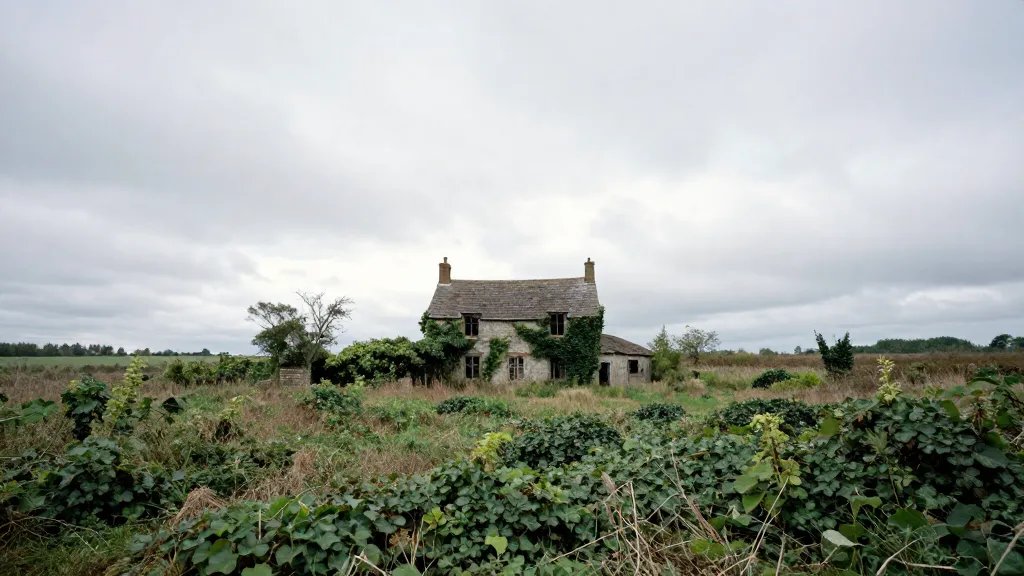
If a rescue mission begins, you’ll see a cascade of practical steps.
- survey and assessment: building surveys, damp ingress checks, and structural reviews to decide whether the house is savable or a lost cause.
- planning and permissions: you’ll probably need planning permission if you’re changing use (think dream conversions or back-to-life restoration).
- financing the revival:いつ money shows up in grants, loans, or private investment. This part is the grown-up version of “I’ll fix it later.”
Here’s a quick tip: if you’re eyeing a derelict property for a personal project, start with a feasibility study. It saves heartbreak and a lot of plaster dust.
From derelict to desirable: the redevelopment rollercoaster
Redevelopment isn’t a straight line. It’s more of a hopscotch with blueprints.
Planning constraints that shape the outcome
– Conservation areas impose restrictions on what you can do to the exterior.
– Listed buildings demand sensitive restoration rather than a “modern vibe” makeover.
– Parking, access, and infrastructure can derail a dream more quickly than a plot twist in a soap opera.
Funding routes worth knowing
– Grants for energy efficiency upgrades or heritage restoration can crop up from local authorities or national programs.
– Green loans and retrofit schemes help if you’re turning a derelict into an eco-friendly home.
– Developer funding often comes with requirements—like building a certain number of affordable homes in the area.
The social ripple: what abandoned homes mean for communities
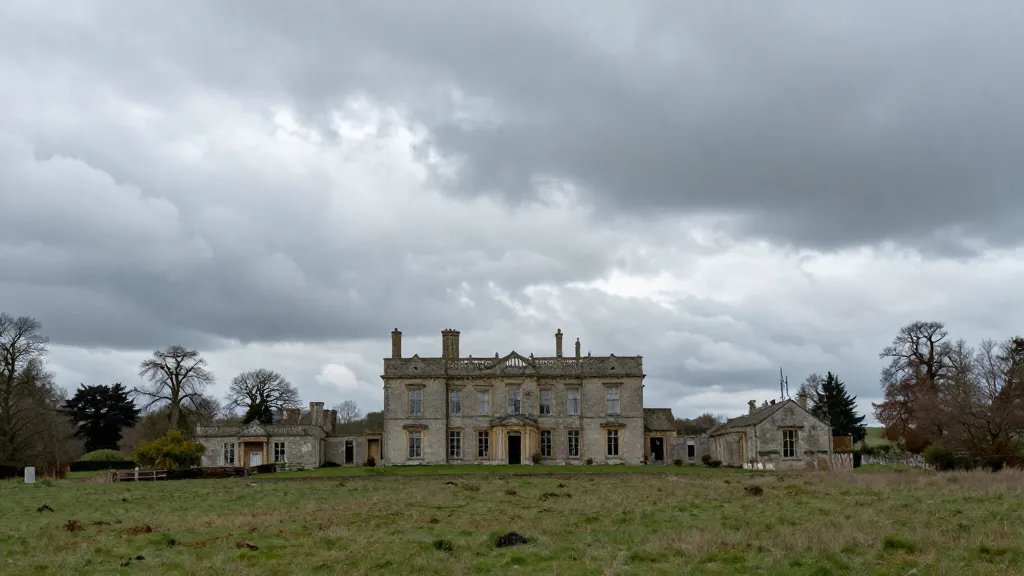
Empty houses aren’t just bricks and boards; they influence neighbors, local business, and the mood of a street.
- <strongSafety concerns creep in when doors stay closed and fences overgrow.
- <strongProperty values wobble, sometimes dragging down the street when neglect becomes the default.
- Opportunities pop up too—revitalized homes can bring jobs, new families, and a fresh sense of place.
But competing angles exist. Some residents worry about gentrification when developers swoop in with shiny plans. Others cheer because a neglected place finally gets a makeover and a functioning life again. You can see how it’s a delicate balance.
Safety, law, and the gray areas you should know
Let’s cut through the fog with some practical realities.
Squatters, security, and why authorities care
Squatting used to be a bigger deal, but changes in law have shifted dynamics. Still, authorities actively police trespass, and landlords can pursue eviction. Vigilant neighbors can help by reporting suspicious activity, which keeps the street safer and the house from spiraling into a blighted mess.
Compensation, compulsory purchase, and where it lands
In rare cases, councils can compulsorily purchase land to unlock value for the public good. That’s a heavy hammer legally, used when private interests and community needs collide. It’s not casual—think long processes, appeals, and lots of paperwork.
Another path: when a house finds a new life as something else
Abandoned doesn’t have to mean abandoned forever. Some properties get repurposed in surprising ways.
- <strongCommunity housing projects pop up when a property is left to rot long enough to catch the attention of social housing bodies.
- <strongArtist residencies or creative spaces turn derelict shells into studios and community hubs.
- <strongCommercial conversions convert empty homes into boutique offices, cafes, or small businesses in the right spot.
If you’re into the idea of revivals, you’ll love how neighbors rally around a common goal. It’s messy, imperfect, but often incredibly rewarding.
Tips for spotting a property with potential (and avoiding a money pit)
Want to play detective? Here’s a practical checklist.
- <strongCheck the title and any caveats: ensure there aren’t hidden liens or unresolved probate issues.
- <strongAsk the local council about enforcement history: a history of enforcement notices signals trouble or, worse, ongoing neglect.
- <strongInspect the skeleton, not the skin: look for structural problems, damp, and roof integrity before you fall for a stylish façade.
- <strongForecast the costs: factor in demolition or restoration costs, planning delays, and potential retrofit needs.
If you’re browsing with a friend who loves a good fixer-upper, you’ll want to keep a cool head and a realistic budget. The internet hype can make any old shell look like a future castle; reality checks are essential.
FAQ
What exactly makes a house officially abandoned?
Abandonment typically means the property has been left vacant with no clear evidence of ongoing occupancy or purpose, and no active management. Local councils can declare a property abandoned if they see prolonged neglect and safety risks, but the specifics vary by region.
Can abandoned homes be purchased easily?
Not usually. They often come with complications like probate, liens, or planning constraints. You’ll typically need patience, solid legal advice, and a clear financing plan. If a deal sounds too good to be true, run the numbers again.
What roles do local authorities play in these cases?
Councils can intervene for safety and blight prevention, issue enforcement notices, or explore compulsory purchase options. They might also offer guidance on grants or schemes that could support redevelopment.
Are there incentives to restore abandoned homes?
Yes. Grants, retrofit loans, and heritage funds sometimes exist for restoring historic or energy-inefficient buildings. Availability varies by area, so it pays to ask, not assume.
What should a potential buyer look for during a visit?
Prioritize structural integrity, damp assessment, drainage, roof condition, and the feasibility of bringing the property up to modern standards. Also check access, utilities, and any planning constraints on the site.
Conclusion
Abandoned houses aren’t just lonely shells; they’re possibilities, puzzles, and occasionally headaches all wrapped in brick and timber. Some rot away until there’s nothing left but a memory of what could have been, while others transform into thriving spaces that boost a street’s character. The difference between the two usually comes down to timing, money, and a bit of stubborn determination.
If you’re curious about the life cycle of derelict property, you’re not alone. The drama is real, but so is the potential. IMO, the best outcome is a thoughtful revival that respects history, serves a community, and doesn’t break the bank. So next time you pass an empty house, ask yourself: could this be something you’d be proud to live in or help rebuild? It might just be the seed of something great—or at least a good story for your next coffee chat.