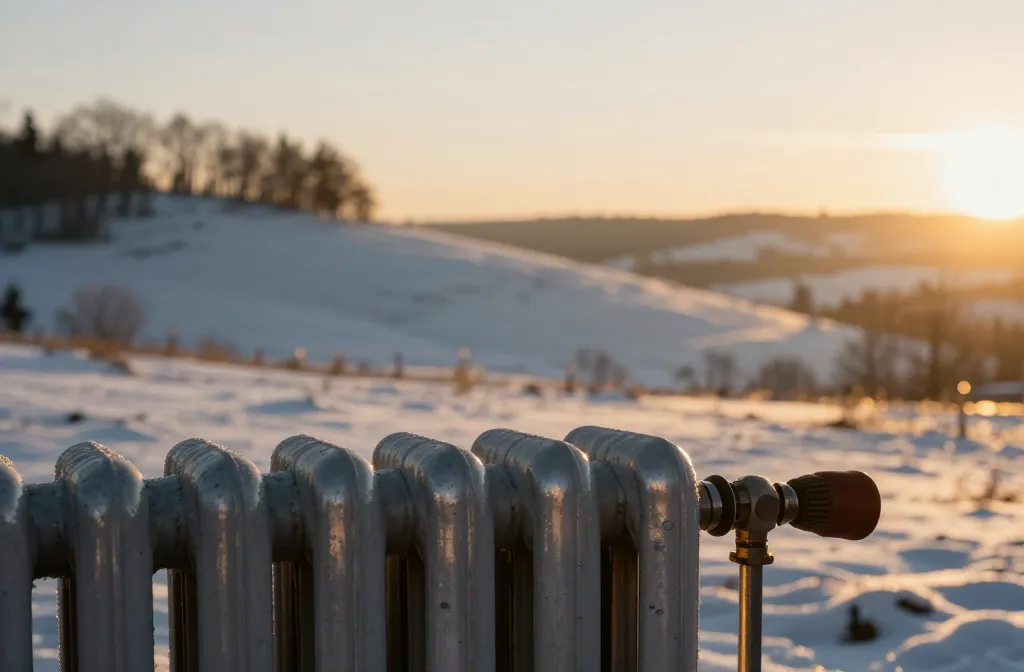
Bleeding radiators isn’t glamorous, but it’s the kind of DIY win that makes your radiator actually feel like it’s doing its job. If you’ve ever felt cold spots or heard a rattle that sounds suspiciously like a lawn sprinkler, you’re in the right place. Let’s get those air pockets out of there and restore your heat to its full glory.
What bleeding radiators actually does for you
People often ask: is bleeding really necessary? Short answer: yes. When air gets trapped in your radiator, it behaves like a rogue chill boss, heating unevenly and making the system work harder. Bleeding lets that air escape, so hot water can circulate properly. The results are simple and satisfying: warmer rooms, lower energy bills, and less noise from your radiators.
– Air in the system causes cold spots.
– Bleeding releases trapped air so hot water can fill the radiator.
– A well-bled system runs more efficiently and quietly.
If you’re skeptical, FYI: you’ll usually notice a quicker warm-up after you bleed. It’s like giving your heating system a tiny tune-up.
Tools and safety: what you’ll need before you start
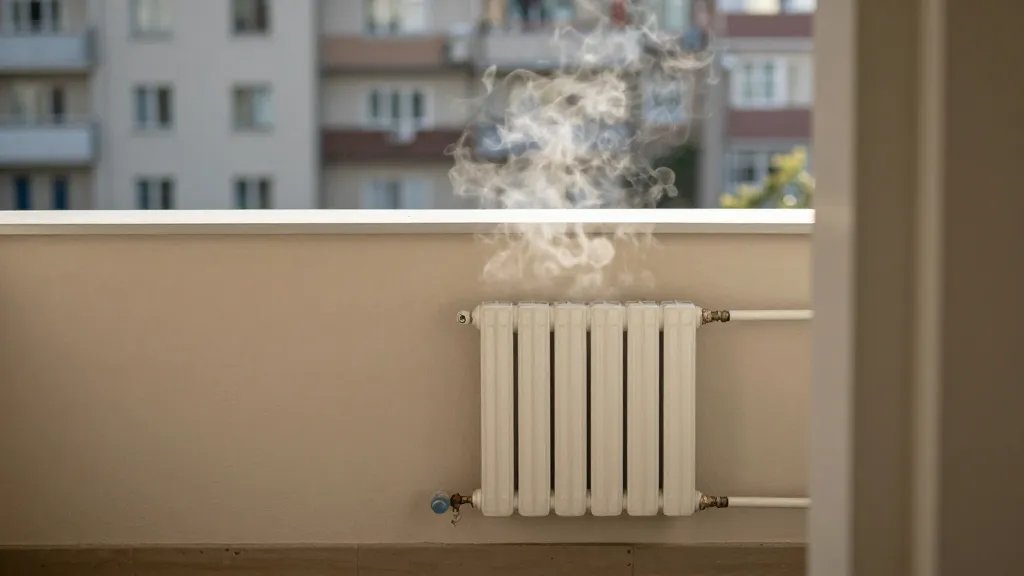
Here’s a quick shopping list you can grab in 5 minutes, plus a couple of safety tips. You’ll thank yourself later.
– A radiator key or a flat-head screwdriver (depending on your valves)
– A small bowl or cloth to catch drips
– A resistive pair of gloves (not essential, but your hands will thank you)
– A towel or old rag
– A flashlight (because sometimes the easiest place to bleed is behind a couch or under a shelf)
– Optional: a pressurized filling key if you have a combi boiler that uses a different bleed method
Safety basics:
– Never bleed a hot radiator. Wait until it’s cool to touch.
– If you notice a cooling system leak, don’t force anything—shut off the boiler and call a pro if needed.
– Keep a bucket handy for the occasional splash of water, and don’t spill on electrical components.
Where to bleed first: locating the right radiators
Not all radiators need bleeding at once. Start with the ones that feel cold at the top or bottom, or those that hiss when the boiler runs. Here’s a simple plan.
– Start with the radiator furthest from the boiler. If you have a multi-story house, work up the stairs.
– Bleed the ones that heat unevenly first. If you’re not sure, pick the radiators near living spaces where you notice chilliness.
– Do a quick “hot water check” after a few minutes of the boiler running to identify stubborn radiators.
If your home uses a two-pipe system, you’ll typically bleed at the valve on the top corner—usually on the left side. If you have a single-pipe radiator, the same general area applies, but you’ll see a different valve style. Look for a small valve with a square or screw head.
Step-by-step guide: how to bleed a radiator like a pro
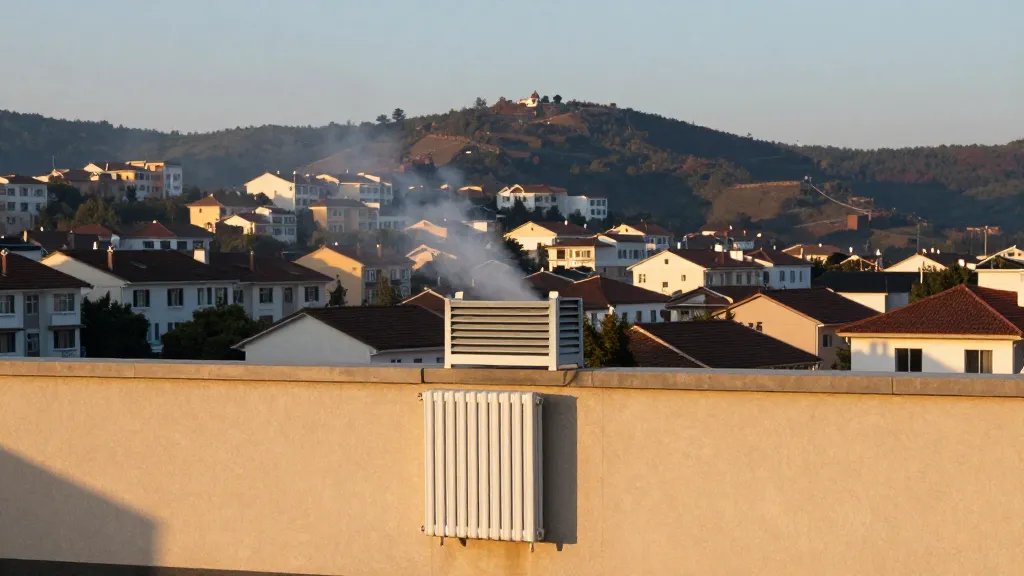
Time to get hands-on. Follow these steps and you’ll have warmth flowing in no time.
- Turn the thermostat down and switch off the boiler. You don’t want water blasting out while you’re trying to do your zen bleed.
- Ask the radiator to say goodbye to trapped air. Place your bowl under the bleed valve, and keep a cloth handy for drips.
- Open the bleed valve slowly. Use a radiator key or flat-head screwdriver to turn counterclockwise about a quarter turn. You’ll hear a hiss as air escapes, followed by a stream of water. Don’t panic—this is normal.
- When water starts to flow steadily, close the valve by turning clockwise the same amount. Tighten snugly, but don’t crank it down or you’ll strip the valve.
- Wipe up any water, turn the boiler back on, and watch the temperature gauge. If you hear noises or see a drop in pressure, give it a moment and recheck.
- Repeat for each radiator that needs it. If you hear continuous hissing or water spraying, stop and check for leaks—or call a pro if you’re unsure.
Common hiccups and quick fixes:
– Air keeps returning: you likely have a more complex issue, or you didn’t let the air escape long enough. Try again, but go slower.
– No water comes out: your valve might be tight or clogged. Don’t force it. You may need a new bleed valve or a professional to take a look.
– Boiler pressure dropped: re-pressurize your system according to your boiler manual, or call a pro if you’re uncertain.
What to do after you bleed: checks that matter
Bleeding isn’t the end; it’s the start of a little maintenance ritual you’ll appreciate.
– Check boiler pressure: Most boilers like a pressure around 1–1.5 bar when cold, rising as the system heats. If it’s low, top it up according to your boiler’s manual.
– Feel the radiators: they should all feel evenly warm from top to bottom. If some stay cold at the top, you probably need to re-bleed them.
– Listen for new noises: a tiny whoosh is normal, but persistent banging or gurgling means you’ve got more issues than air—air, sludge, or imbalance could be the culprit.
– Balance if needed: if some rooms heat much faster than others, you might need to balance your radiators. It’s basically tweaking the flow so each radiator gets the right amount of hot water.
Balancing your system: a quick intro
If you’ve got a multi-radiator setup, balancing helps everything heat evenly. It’s not rocket science, but it does take a touch of patience.
– Start from the boiler and work outward. Close all radiator valves slightly, then open them a notch in sequence from the closest to the farthest radiator.
– Use a thermometer or simply judge by warmth. The goal is similar heat distribution across rooms.
– Re-check after a day. Small adjustments can go a long way.
When you should call a pro instead of DIY
DIY is great for many things, but some scenarios demand a professional touch. If you encounter any of these, don’t be a hero—call in help.
– Persistent leaky bleed valve after multiple attempts.
– No pressure on the boiler and you’re not sure how to re-pressurize safely.
– Radiators stay cold despite bleeding and system refills.
– Your boiler makes strange noises or trips its safety switch after bleeding.
– You smell gas or smell something burning—safety first.
A pro can diagnose sludge buildup, pressure issues, or an imbalanced system that bleeding alone can’t fix. And yes, they’ll likely charge a fair fee, but you’ll sleep easier knowing it’s fixed properly.
Maintenance habits that prevent future air issues
Prevention beats remediation, right? Here are a few habits that keep air from sneaking back into your system.
– Schedule regular bleeding: once a year for mild climates; more often if you notice cold spots.
– Keep an eye on boiler pressure: learn what “normal” looks like for your setup and top up as needed.
– Flush the system if you notice sludge: low flow, odd noises, or discolored water may indicate buildup. A professional can safely flush it out.
– Use proper radiator placement and spacers if you remodel: good spacing reduces air pockets and improves heating efficiency.
– Invest in smart thermostats: these can help optimize heat distribution and can alert you to irregularities.
FAQ section
Why does air get trapped in radiators in the first place?
Air can enter through small leaks in the system, when water chemistry changes, or during refilling after maintenance. It’s not malicious, it just happens. Bleeding them regularly prevents the air from forming pockets that disrupt heat.
How often should I bleed radiators?
Most homes do it once a year, ideally at the start of the heating season. If you notice cold spots or noises, bleed sooner. If you’re in a hard water area, you might need to bleed a bit more often.
Can I bleed radiators with a combi boiler?
Yes, but the method varies: many combi boilers have a bleed valve on the radiator’s valve. If you’re unsure, consult your boiler’s manual. When in doubt, you can always bleed the radiator, then recheck boiler pressure and temperature.
What if water keeps spraying out when I bleed?
That’s not great. If water gushes out, the valve might be faulty, or you may be over-pressurizing the system. Stop, close the valve, and call a pro if it keeps happening. Don’t force the valve further.
Is it okay to bleed radiators in a multi-zone heating setup?
Absolutely. Bleeding the radiators in one zone can help with overall pressure and air elimination. Just be mindful of the order, especially if different zones have different temperatures or boiler settings.
Conclusion: small action, big comfort
Bleeding radiators is one of those tiny tasks that pays off big. A few careful turns, a couple of tools, and you’re well on your way to a warmer home, lower energy bills, and fewer cold shoulders when you walk into a room. It’s not rocket science, but it does require a touch of patience and a willingness to get your hands a little damp.
If you’ve got a stubborn radiator that won’t play nicely, don’t sweat it. Try again, check the boiler pressure, and if in doubt, call in a pro. IMO, the best part is that you’ll learn your system a little better with each bleed, which makes you less scared of your own heating system. So grab a cloth, line up your radiators, and give those air pockets the boot. Your future self will thank you when your living room finally radiates warmth evenly and efficiently.