The moment you buy a property, you’re signing up for a little countdown. Not to doom, but to depreciation, neighborhood quirks, and a million little things that quietly tug your property’s value down. Let’s talk straight about what actually reduces property value, so you can spot trouble early and (bonus) fix it before it’s too late.
Local market realities: why the value goes up and down
If your property sits in a buoyant market, good news travels fast. If the market cools, so can your number. The obvious culprits aren’t a mystery: job availability, nearby development, crime rates, schools. But the real magic trick is how these factors combine. A neighborhood with rising demand but poor upkeep can still tank your value.
Bottom line: market conditions matter. Your property isn’t a lone star; it’s part of a cast.
Structural and maintenance issues that frighten buyers away
A house is a long-term commitment, not a one-night stand. Structural problems—foundation cracks, water intrusion, roof that’s seen better decades—signal big-dollar repairs. Buyers sniff those out and drop their offers.
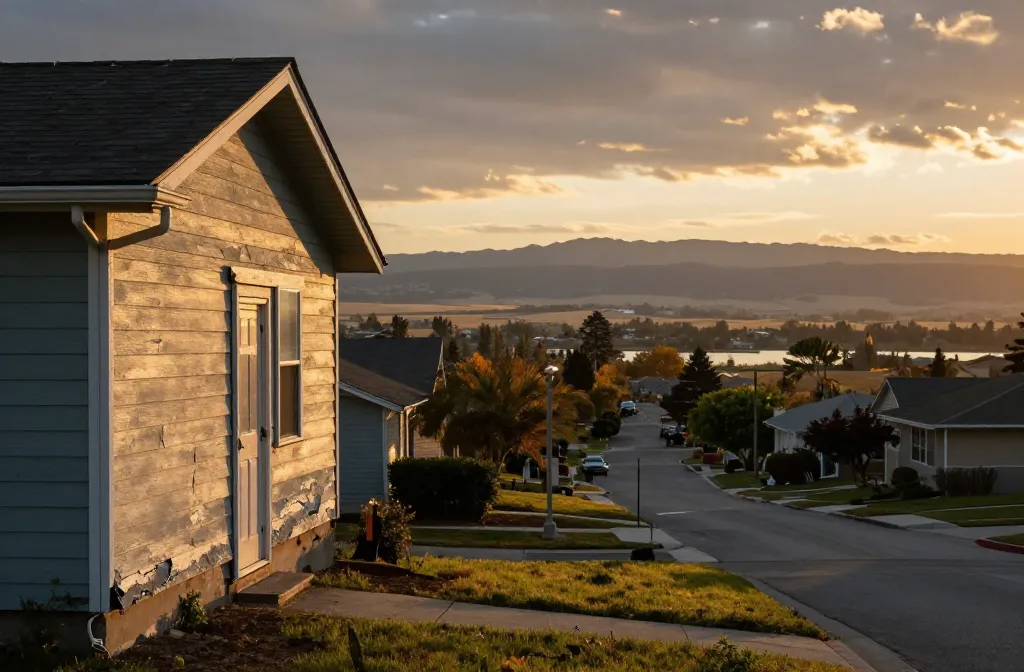
- Visible wear: peeling paint, warped floors, leaky gutters
- Foundation worries: cracks, shifting walls, doors that don’t close properly
- Roof and plumbing: missing shingles, soggy ceilings, aging water heaters
Deep dive: how to spot red flags before you’re the seller
– Do a DIY audit: walk every room, look up, down, and behind appliances for stains, cracks, or smells.
– Get a professional home inspection early. It’s cheaper to know now than to negotiate later.
– Check the attic and crawl spaces for moisture, mold, or pests. No one wants “malamute-sized mold” on their watch.
Neighborhood dynamics: schools, crime, and amenities
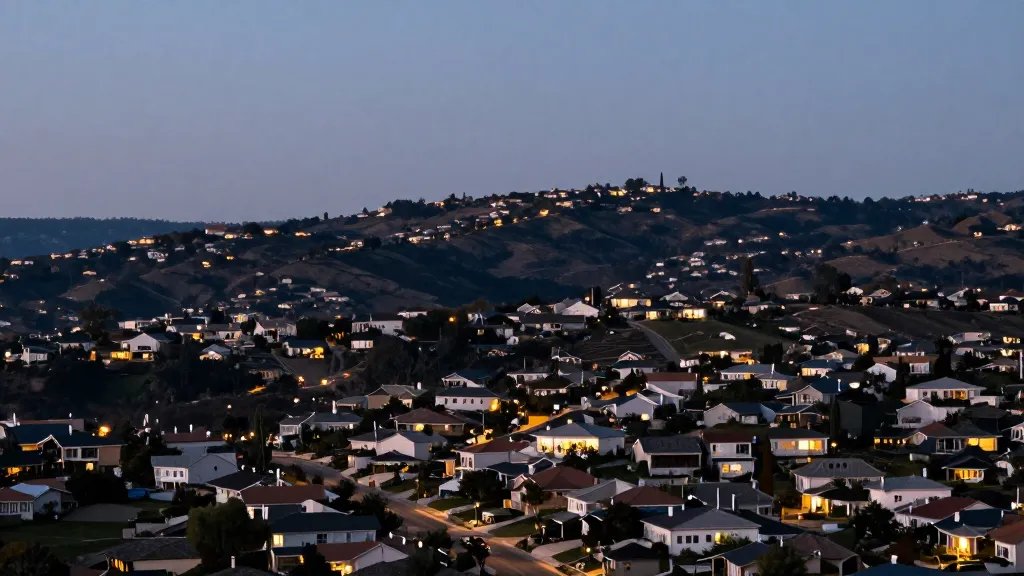
No, you don’t get to escape the culture. A great school district can boost value, while crime waves or neglected public spaces can drop it like a hot potato.
- School quality and student performance
- Proximity to highways or inconvenient commutes
- Nearby construction or future developments
- Amenities: parks, trails, groceries, cafes
Subsection: the pothole that costs you more than potholes
Pothole-level infrastructure problems drive people away. If your street floods in a drizzle or sidewalks crumble, buyers start to think maintenance costs will be endless. It’s not about a single issue; it’s about cumulative wear and tear on the investment.
Over-improvement and under-improvement: the value-attractor paradox
You might be tempted to go full HGTV and renovate like there’s no tomorrow. But here’s the kicker: value isn’t the same as “awesome.” Over-improving a home for the neighborhood can price you out of your own market, while under-improving leaves money on the table.
- Over-improvement: luxury finishes in a modest neighborhood
- Under-improvement: cosmetic fixes that mask deeper issues
- ROI reality check: which upgrades actually pay off?
What actually pays off? Quick wins that move the needle
– Focus on curb appeal: fresh paint, tidy landscaping, a welcoming entryway
– Upgrade essential systems: HVAC, roof, plumbing, electrical
– Energy efficiency: insulation, LED lighting, smart thermostats
– Kitchen updates that stay practical and timeless
– Bathroom refreshes with neutral finishes
Environmental and health factors that quietly erode value
Everyone wants a home that won’t quietly kill them with mold or polluted air. Environmental issues can be expensive to fix and scary to buyers.
- Mold and dampness in basements or bathrooms
- Soil contamination or nearby industrial activity
- Radon, asbestos, or lead paint (yes, these still pop up)
- Poor indoor air quality and ventilation
Subsection: astute buyers look for leaks, not just leaks of emotion
If buyers smell trouble, they’ll demand price concessions or walk away. Neutralize fear with documentation: test results, remediation plans, and a clean bill of health from professionals.
Financial factors: taxes, insurance, and debt you didn’t anticipate
Money talks, and often it yells. Property value isn’t just the market price; it’s the after-tax, after-insurance, post-debt reality.
- Property taxes creeping up
- Insurance premiums climbing in risky areas
- High HOA dues with little perceived value
- Debt and lien issues
Subsection: the sneaky costs that kill your vibe (and your price)
– HOA fees that don’t match community upkeep or amenities
– Special assessment bills that pop up after you’ve closed
– Hidden structural or drainage issues that show up as big repair costs later
Home aesthetics and dated features that drag value down
What you find charming might be a turnoff for others. Design trends evolve fast, and a dated interior can psychologically age a house.
- Clustered or dark interiors without good lighting
- Countertops, cabinets, or tile that scream 1990s
- Old-fashioned fixtures and finishes
- Poor layout that doesn’t maximize space
Subsection: refresh without a full gut job
– Refinish or repaint cabinets instead of replacing them
– Swap outdated hardware for modern options
– Lighten up with bright, neutral colors and better lighting
– Consider open shelving and better floor plans if possible
The big picture: proactive maintenance beats reactive fixes
Property value loves predictability. Regular upkeep, timely repairs, and a clear maintenance plan reassure buyers—and appraisers—that your home is cared for.
- Annual maintenance calendar
- Major system checks (roof, HVAC, plumbing) on a set schedule
- Documented upgrades and repair receipts
- Energy efficiency improvements that lower operating costs
When to bring in professionals
If you’re unsure about the extent of a problem, call in the pros. A trusted contractor or inspector can prevent missteps, saving you money and stress in the long run. FYI, getting a professional opinion early often speeds up the selling process.
FAQ
What is the single biggest factor that reduces property value?
Property value tends to dip when buyers feel hidden costs are lurking behind the walls. Structural issues, mold, or a public safety concern can trigger price concessions. Investors and buyers fear unknowns more than known problems.
Can minor cosmetic fixes really make a difference?
Yes. Simple upgrades like fresh paint, new lighting, and updated fixtures can dramatically improve first impressions and perceived value. These changes often yield a surprisingly good return without breaking your budget.
How do I assess if an improvement is worth it?
Ask: Will this upgrade be visible in the listing photos? Will it appeal to a broad range of buyers? What’s the ROI compared to similar homes in the neighborhood? If the answer is yes to all three, you’re likely on the right track.
Are environmental problems always a deal-breaker?
Not always. Some issues are easily fixable and don’t deter buyers if disclosed properly and repaired professionally. The key is transparency, remediation, and evidence of proper resolution.
How can I protect my home value during a market slowdown?
– Maintain essential systems and fix red flags quickly
– Keep up with curb appeal and interior cleanliness
– Consider modest tasteful upgrades with broad appeal
– Stay informed about local developments that could affect desirability
Conclusion
If you want to protect or grow your property value, think like a buyer—what would make you hesitate to pay the asking price? Address structural risks, curb appeal, and maintenance, and don’t be afraid to invest in smart upgrades that yield real ROI. FYI, no one loves a mystery house. Clarity, transparency, and timely upkeep go a long way toward keeping your property from slipping down the value ladder. Armed with this, you can ride out market vibes, neighborhoods shifts, and the occasional HOA drama with a confident grin.