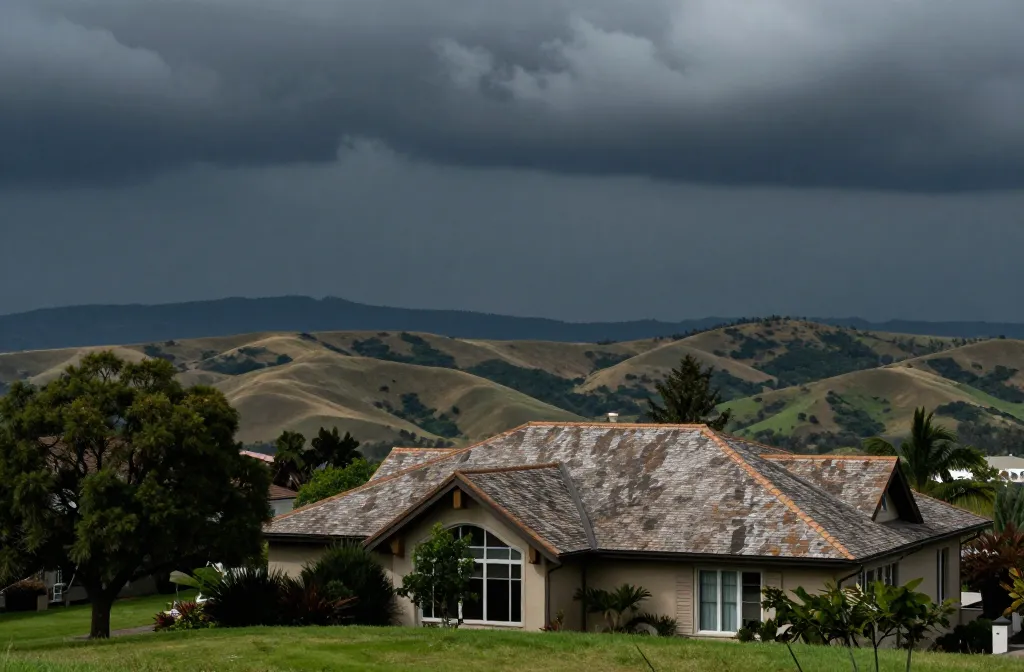
The decision to replace your roof isn’t a sexy topic, but it’s one of those things that can save you a ton of headaches (and money) later. If you’ve been staring at shingles curling like sad bacon bits, you’re in the right place. Let’s cut through the guesswork and figure out when it’s actually time to swap out the roof.
Signs the roof is waving the white flag
Your roof isn’t shy about telling you something’s wrong. Here are the clear red flags to watch for.
- Shingle damage: curling, cracking, or granules in the gutters are loud-and-clear indicators.
- Leaks and water stains: if you’ve got damp ceilings or stained attic rafters, that’s a ceiling-level SOS.
- Age matters: most asphalt roofs last 20–25 years; anything beyond that usually comes with more frequent repairs.
- Sagging or structural concern: if the roof line looks off, time to call the pros.
- Missing shingles after a storm: one or two is typical; a full replacement could be lurking around the corner.
How old is old enough?
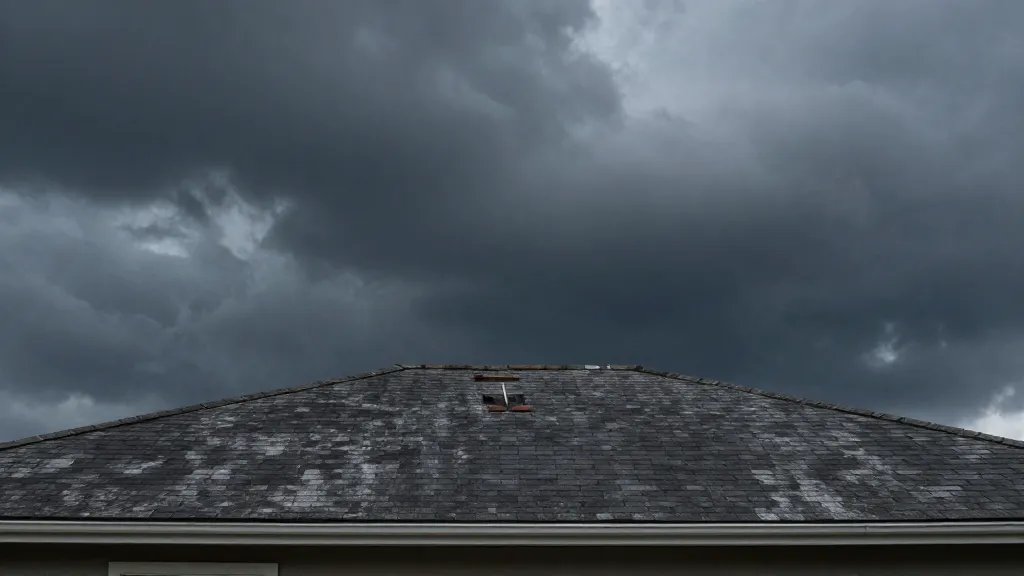
A lot of the “should I replace?” decision comes down to age. But age isn’t the only factor.
Ashphalt shingles: the typical lifespan
– 20–25 years for a standard asphalt roof
– 25–30+ years with higher-end shingles and careful maintenance
– Cozy roofs with excellent ventilation can slip a bit longer, but don’t count on it
Other materials, quick guide
– Metal roofs: 40–70 years, depending on coating and installation
– Tile roofs: 50–100+ years, but soil and insulation issues can complicate things
– Wood shingles: 30–40 years; risk of rot and insect damage if not treated
FYI, if you’re staring down a roof that’s half a century old, you’re in the “let’s at least get a pro to check” territory. Don’t rely on vibes alone.
Leaks, patches, and the cost math
If you’re patching more than you’re replacing, you’re probably not saving money in the long run.
When patches stop making sense
– If you’re fixing the same area every few years, that’s not a win; that’s a money pumpkin. Replace instead of repeating.
– If interior damage is common in multiple rooms, that’s a signal the problem is bigger than a simple seal.
Budgeting-wise, what should you expect?
- Typical patch jobs can be cheap upfront but costly over time due to repeated visits.
- Full replacement costs vary by material and location but can often be a smart long-term investment.
- Factor in add-ons: underlayment, flashing, insulation, and vapor barriers. These aren’t glamorous, but they matter.
IMO, you don’t want a roof that’s basically a software update every season. You want something solid that won’t nag you at 2 a.m. FYI, good roofing saves energy and reduces future repair bills. It pays for itself over time.
How to tell if you need a replacement versus a repair
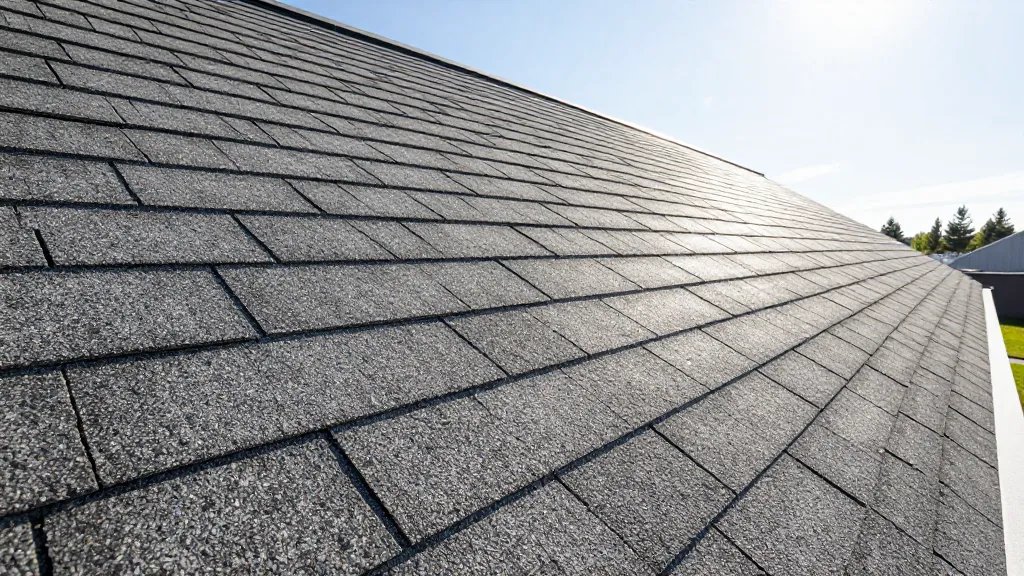
Cutting to the chase: replacement is not always the wrong move. Here’s how to judge.
Key decision factors
- Extent of damage: isolated issues vs widespread wear? One-off leaks may be repairable; widespread curling and shingle loss usually points to replacement.
- Roof deck condition: if the decking is rotted or warped, you’re in replacement territory. Repairs won’t fix a bad base.
- Ventilation and insulation: old roofs with poor ventilation can cause premature wear. Replacing gives you a chance to fix the airflow issue.
- Future needs: planning an attic remodel or solar panels? A replacement might simplify the project.
Choosing the right time of year for a replacement
Timing matters, but not in a mystical way. You want dry weather, steady crews, and a manageable budget.
The ideal conditions
- Dry periods with temperatures above freezing for several days
- Moderate weather—not scorching heat or freezing cold
- A window of 1–3 weeks in your area without heavy storms
Seasonal pros and cons
- Spring: good weather, but be mindful of spring storms and higher demand
- Summer: longer days help, but heat can stress materials
- Fall: ideal for many regions; cooler temps and fewer pests
- Winter: only if you’re in a mild climate; ice and cold can complicate installation
What to expect during a roof replacement
If you’ve never watched a roof get replaced, it’s like a curious blend of construction reality show and dance routine.
Process at a glance
- Inspection and estimate: a good contractor will assess decking, flashing, and underlayment.
- Materials selection: shingles, underlayment, ventilation, and fasteners.
- Removal: old shingles come off, revealing the deck beneath.
- Deck repair: any rot or damage gets fixed before new layers go down.
- Installation: underlayment, flashing, and shingles go on in a careful sequence.
- Cleanup and inspection: garbage removal, nail sweep, and final walkthrough.
What can go wrong (and how to avoid it)
- Poor ventilation: cause of early wear. Ensure attic vents are proper and clear.
- Inadequate underlayment: this is your rain shield; don’t skip it.
- Shoddy flashing: leaky corners are common trouble spots. Insist on proper sealing.
How to pick a roofing contractor you’ll actually like
The right team makes or breaks a roof project. Here’s how to find them without turning it into a nightmare.
- Ask for local references: neighbors, friends, and the HOA might know a dependable crew.
- Check licenses and insurance: this isn’t optional; it protects you from liability and shoddy work.
- Get multiple quotes: don’t settle for the first price—compare materials, timelines, and warranties.
- Warranty matters: look for both material warranties and workmanship guarantees.
- Get it in writing: scope of work, payment schedule, and cleanup plan should be documented.
The nitty-gritty: materials and options
What you pick changes longevity, energy use, and curb appeal.
Popular options at a glance
- Asphalt shingles: budget-friendly, fast to install, decent life expectancy.
- Metal: sleek, durable, and energy-efficient; heavier upfront cost but long-term savings.
- Tile and clay: stunning and durable; can be heavy and pricier.
- Wood: classic look, needs maintenance, can be tricky in wet climates.
Energy considerations
– A reflective or cool roof can cut cooling costs in hot climates.
– Proper ventilation lowers attic heat buildup and protects decking.
IMO, don’t sleep on underlayment and ventilation. They’re the unsung heroes of a roof that actually lasts.
Maintenance after a replacement: keep it healthy
A new roof isn’t a free pass to neglect. Treat it like a long-term relationship.
- Schedule annual inspections, especially after big storms.
- Keep gutters clear to prevent water backup and shingle damage.
- Trim branches near the roof to avoid impact damage and moss growth.
- Address attic moisture and insulation to prevent premature wear.
FAQ
How do I know if my roof really needs replacing or just repairs?
Look at the overall condition: widespread curling, many leaks, or damaged decking are strong indicators that replacement is the smarter move. If it’s localized damage and the rest of the roof is solid, a repair could do the trick. When in doubt, get a pro opinion—an inspection can save you from over- or under-spending.
Is a full roof replacement worth it if I’m planning to sell soon?
Often yes. A new roof can significantly boost home value and reduce buyer risk. If you’re aiming for a quick sale, a replacement with a robust warranty can be a strong selling point. FYI, buyers love fewer surprises during inspection day.
How long does a replacement typically take?
Most residential replacements take 1–3 days, depending on weather, roof size, and materials. More complex jobs or larger homes can stretch to a week. Plan for a bit of noise and a temporary mess—totally normal.
What’s the best material for durability and cost?
For many, asphalt shingles strike the best balance of cost and lifespan. If you’re in a high-wear climate or want maximum longevity, metal or tile could be worth the investment. The right choice depends on climate, weight bearing, and aesthetics.
Do I need a permit for roof replacement?
Most places require a permit for roof work. Your contractor should handle it, but it’s good to confirm. Permits ensure the work meets local codes and passes inspections.
Can I do any of this myself to save money?
Roofing is skilled work with safety risks. DIY replacements aren’t recommended unless you’re an experienced pro with proper safety gear. Mistakes can cost you a lot more than a professional job in the long run.
Conclusion
Replacing a roof is a big decision, but it doesn’t have to be a mystery. Read the signs, weigh the age, assess the damage, and choose a trustworthy crew. A well-executed replacement protects your home, boosts energy efficiency, and spares you the constant patchwork battle. If you’re staring at shingles that tell a sad story, it’s probably time to pull the trigger. After all, a solid roof is the one thing that quietly holds the whole house together—and it deserves a little respect.