What is permitted development? Think of it as a shortcut system that lets you do certain building tweaks without going through the full planning permission circus. It sounds simple, but it’s got rules, exceptions, and a few gotchas that can trip you up. Let’s break down what you need to know so you can move fast without stepping on anyone’s toes.
What permitted development actually means in plain speak
Permitted development (often shortened to PD) is a set of pre-approved changes you can make to your property without applying for planning permission. It’s basically a fast pass for common home improvements. But it’s not a free-for-all: there are limits on size, scope, location, and duration. Think of it as a sandbox with boundaries, not a free playground.
What kinds of things fall under permitted development?
If you’ve ever dreamed of extending a kitchen, adding a conservatory, or converting a garage, PD might be your friend. Here are the big categories, with the real-world vibes you’re after:
- Extensions and alterations to your home that stay within certain size limits
- Loft conversions and roof alterations under set height and volume restrictions
- Accessory buildings like sheds or outbuildings with specific footprint and height rules
- Changes of use within a property that don’t rock the planning boat too much
- Mini changes to doors, windows, or porches that don’t dramatically change appearance
- Note that not all PD is the same in every place. England, Scotland, Wales, and Northern Ireland each have their own rules and exceptions.
- Some things require prior approval or notification even if they’re technically PD.
Why do we even have PD? The quick rationale
You might be wondering, “What’s the point?” Here’s the cheat-sheet rationale:
- Speed: Get things done faster without a mountain of paperwork.
- Clarity: Clear guidelines reduce guesswork for homeowners and builders.
- Consistency: A standardized approach keeps neighbors from going wild over every tweak.
FYI: PD isn’t a free license to bulldoze every boundary. Local councils can step in if you push beyond the limits or if the changes affect neighbors in obvious ways.
Common PD rules you’ll actually care about
Let’s bullet-point the practical bits so you don’t need a law degree to interpret them.
Size and scale constraints
– Extensions usually have maximum depth, height, and total floor space rules. Going too big means you’ll need full planning permission.
– Loft conversions can have height limits that keep your attic from becoming a two-storey nightmare for your neighbors.
– Outbuildings often have footprint limits and may not extend beyond a certain percentage of the curtilage (the land around the house).
Where you can count this PD magic
– PD rules often depend on the property’s location (e.g., detached vs. semi-detached, eaves height, proximity to boundaries).
– SomeTerritories might have stricter limits near roads or conservation areas. Always check your local map and blue book of rules before you start dreaming.
What you can actually change
– Extensions and porches that don’t significantly alter the front appearance or street scene.
– Conservatories that are actually “glazed extensions” under the PD umbrella, with ceiling heights and frames that don’t scream “planning violation.”
– Windows and doors: swapping to double glazing or modest-size openings is often PD, but there are caveats about material, design, and impact on neighbors.
When PD isn’t enough: the exceptions you’ll want to know
No system is perfect, and PD has a few stubborn exceptions that catch out even the most well-intentioned DIYer.
Listed buildings and conservation areas
If your home is listed or sits in a conservation area, PD rights can evaporate faster than a heatwave. You’ll usually need full planning permission and possibly additional permissions to protect the period features and the local character.
Article 4 directions and extra constraints
Some places remove PD rights entirely or partially for areas with special protections. If your council has used an Article 4 direction, you lose some PD flex. Check the council’s website or give them a ring to see if you’re affected.
Design and materials
Even if your plan qualifies for PD, you might be restricted by what materials you use, the appearance, or the impact on the street scene. Ugly extensions in the “right” size still might get you in trouble if they clash with the vibe of the neighborhood.
Impact on neighbors
There’s a vibe of “don’t be a dick” built into PD. If your project reduces daylight, blocks access, or encroaches too close to a boundary, you’ll likely hear about it from your neighbor or the council.
Subsections you’ll want for deeper dives
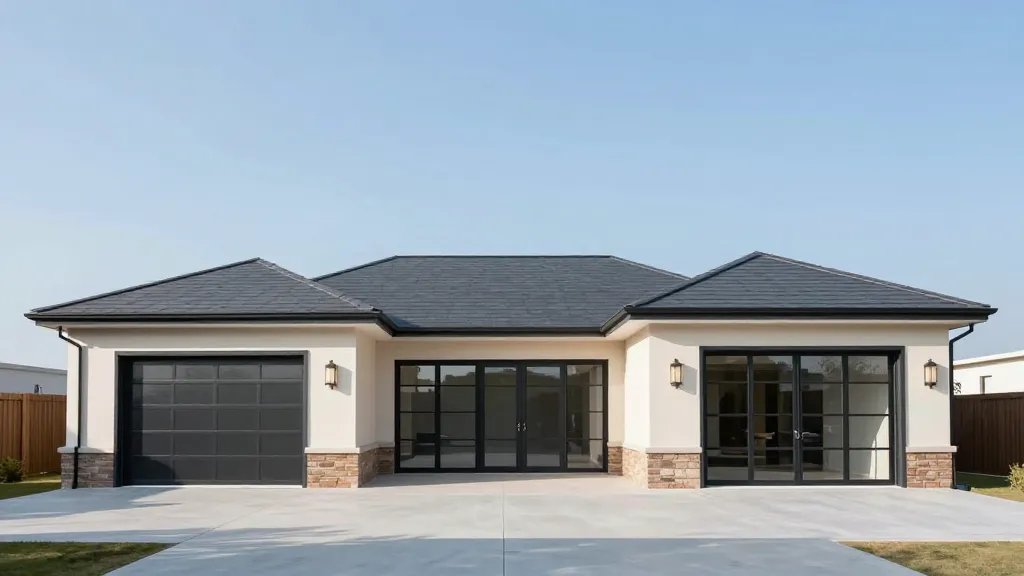
Sometimes you’ll genuinely need a little more structure. Here are focused dig-downs you might appreciate.
Prior notification vs. full planning permission
– Prior notification is a streamlined step that asks the council to check for certain issues before you proceed. It’s faster, but not a free pass.
– Full planning permission is the big-dog process with consultations, potential objections, and a longer wait. Pick the path that matches your project’s scale and sensitivity.
Conversion of spaces: garage to living area
– PD often covers converting a garage to living space, but there are limits on external alterations and internal changes to keep the look and feel similar to the original footprint.
– Don’t forget damp, insulation, and potential changes to parking arrangements. It’s easy to overlook practical bits when you’re chasing the design.
Outbuildings: gardens, sheds, and studios
– Rules usually cap height, distance from boundaries, and whether you can use the space for living accommodation.
– If you want to turn a shed into a home office with a kitchenette, you’re likely out of PD bounds and into full planning territory.
How to practically approach PD in real life
Want to frame your project so it stays PD-friendly? Here’s a pragmatic playbook.
- Measure twice, plan once. Know your sizes and how they stack against the limits before you draw a thing.
- Check local specifics. PD rules change by country, region, and even council ward. Don’t wing it.
- Prepare a simple plan pack. A sketch, elevations, site photos, and a short note about materials can save time with your council.
- Consider impact. If your plan harms daylight to a neighbor or blocks access, it’s probably not PD-friendly.
- Ask for feedback early. A quick chat with a planning officer can save a lot of back-and-forth later.
Design tips to keep PD friendly (and still stylish)
If you want it to look good and stay within PD, think restraint and fit.
- Keep scale in check. A tidy extension that respects the existing mass usually sails through.
- Match the vibe. Choose materials that echo the original structure or slash that to a complementary contrast.”>
- Preview daylight. Use light and glazing in a way that doesn’t create new shading conflicts for your neighbors.
Documents and formalities you might encounter
Even with PD, you’ll need a few things lined up.
- Site plans or simple drawings showing dimensions and relationships to boundaries.
- A short description of the proposed work and its purpose.
- Any necessary notifications or consultee responses if required by the council.
FAQ
Is permitted development the same everywhere?
Short answer: no. PD rights differ by country, region, and sometimes borough. In England, there are a lot of specifics, while Scotland and Wales have their own tweaks. Always check your local rules before sketching anything serious.
Can I do more than one PD project at the same time?
Sometimes yes, sometimes no. If projects are clearly separate and within the limits, you might do multiple PD works in one go. If they’re linked or exceed size limits when combined, you’ll likely need full planning permission. FYI, councils do the math for you if you ask nicely—or at least ask formally.
What happens if I go over the PD limits?
You risk the complete reversal of your project and a demand to revert changes, plus potential fines. Best to stop, reassess, and apply for planning permission rather than live with a messy enforcement notice.
Do I need a professional to handle PD?
Not mandatory, but very helpful. A planner or architect can map out the limits, draft the right plans, and save you time. If your project dancers close to the line, a pro makes sure you don’t trip over a boundary you didn’t notice.
What if I live in a conservation area or am dealing with listed buildings?
Expect stricter controls and potential need for full planning permission even for modest changes. Conservation rules love preserving character, so don’t assume PD applies. Talk to the council early and get clarity.
Conclusion
Permitted development is like a fast lane for ordinary home improvements, but it isn’t a free ride. It’s a useful framework that keeps projects moving while protecting neighbors and the street’s character. The trick is knowing the size limits, location specifics, and when things simply don’t qualify. Do your homework, ask questions, and think through the practical impacts. With that approach, you can upgrade your space efficiently—without the planning drama. And if you’re ever in doubt, FYI, consult a pro and your local council before you start swinging hammers.