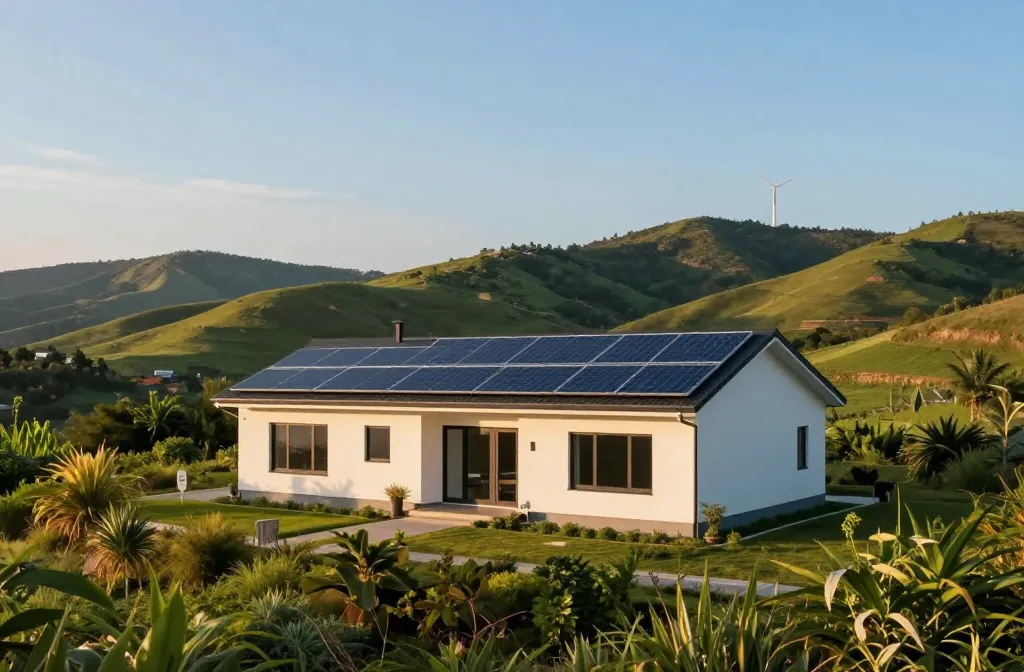
Energy efficiency grants available to homeowners
You’ve probably heard about energy-saving stuff, but grants? Now we’re talking money that actually helps you upgrade. If you’re itching to slash bills and still sleep easy, you’re in the right place. Let’s dive into what grants exist, how to snag them, and what to watch out for.
What counts as an energy efficiency grant and why it matters
So, what exactly is an energy efficiency grant? In plain terms, it’s money from the government, utilities, or nonprofits that helps you pay for upgrades that reduce energy use in your home. Think better insulation, smarter heating, or efficient windows. Grants can cover part or all of the cost, and sometimes they come with simple guidelines or even free audits.
Why bother chasing these? Because the savings add up faster than you might expect. Lower energy bills, a more comfortable home, and a smaller carbon footprint all come with the package. FYI, some grants also come with tax credits or rebates—which is basically free money if you qualify. So yes, it’s worth scanning the landscape before you buy a fancy new boiler.
Common types of grants and where to look
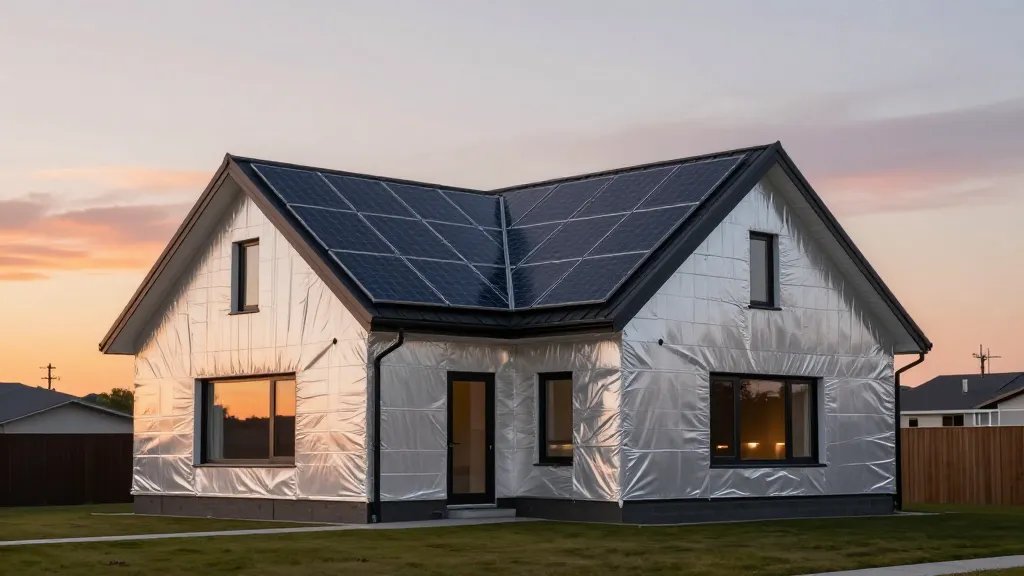
There isn’t one single grant that fits everyone. The landscape varies by country, state, or even city. Here are the big buckets you’ll want to explore.
- Home energy efficiency rebates: Direct discounts or rebates from utilities for upgrading to energy-efficient appliances, insulation, or windows.
- Weatherization programs: These programs target low-to-moderate income households and cover insulation, air sealing, and sometimes heating system improvements.
- Tax credits and deductions: Not a grant in the strict sense, but you deduct or credit qualified home improvements on your tax return, reducing your net cost.
- Grants for renewable energy: Solar, heat pumps, or geothermal projects may come with grants or subsidies at federal, state, or local levels.
- Low-interest loans with favorable terms: While not grants, these loans reduce upfront costs and often pair with grants for bigger projects.
- Nonprofit and community programs: Local nonprofits sometimes sponsor weatherization or efficiency upgrades for eligible homeowners.
How to start the hunt
– Check your utility company’s website for current rebates. They love to gamify energy math, so they’re usually pretty aggressive about promotions.
– Look up your local government’s energy office or housing department. They’re the keepers of grants and programs you’ve never heard of.
– Talk to a contractor who specializes in energy upgrades. They often know the current grant landscape and can guide you to legitimate options.
– Read the fine print. Some programs require income verification, site assessments, or specific equipment brands.
Assessing what you need: audits and energy assessments
Before you throw money at a project, you want a plan that actually saves energy. An energy audit or home assessment gives you a roadmap. It can also be a grant prerequisite, so it’s worth doing early.
What happens in an audit?
– Blower door test or infrared scan to find leaks and heat loss.
– Assessment of insulation levels in attic, walls, and floors.
– Heating and cooling system review: age, efficiency, and potential upgrades.
– Recommendations prioritized by cost, savings, and grant eligibility.
Why it helps to have a plan
– Grants often require an eligible upgrade list. If you don’t know what’s high-impact, you might miss out.
– The audit sets baseline numbers, so you can track progress and prove savings to grant reviewers.
– Contractors can tailor proposals that match grant criteria, maximizing your chances of approval.
Smart upgrades that commonly trigger grants
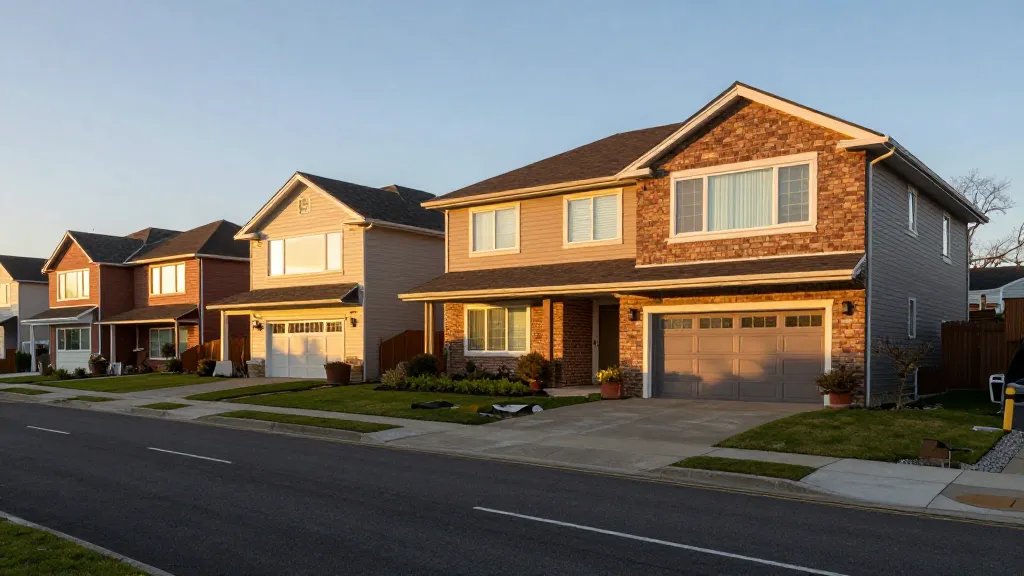
Not every improvement qualifies for every grant, but several upgrades routinely pop up in grant programs. Here are the big wins you’ll want to consider.
- Insulation and air sealing: Attic, basement, and wall insulation, plus sealing gaps, reduce heat leakage dramatically.
- High-efficiency heating and cooling: Phase-outs for older furnaces, heat pumps, or gas boilers can be paired with grants for efficiency gains.
- Windows and doors: ENERGY STAR windows and tight-fitting doors cut drafts and heat loss.
- Smart thermostats and controls: While not always grant-covered, many programs subsidize smart controls that optimize heating and cooling.
- Solar-ready upgrades: Some grants combine with solar installations—think roof prep, inverter-ready setups, and electrical panel upgrades.
How to pick the right upgrades
– Focus on high-return items: insulation and air sealing usually pay back in months, not years.
– Check grant compatibility: some programs require specific efficiency thresholds or equipment ratings.
– Consider long-term comfort: upgrades that improve indoor air quality and humidity control add more than just a lower bill.
Applying for grants: a step-by-step approach
Applying can feel like paperwork mountain climbing, but it doesn’t have to be painful. Here’s a practical path to improve your odds.
- Get a professional energy audit if required. It’s the fastest way to build a compliant plan.
- Collect documents. You’ll likely need proof of ownership, income (if required), and project estimates.
- Obtain multiple quotes. Some grant programs require competitive bids or evidence of best value.
- Choose eligible upgrades. Prioritize those with the biggest energy savings and grant compatibility.
- Submit on time and track progress. Set reminders for deadlines and required follow-ups.
- After installation, file the final reports. You might need receipts, before/after energy data, and contractor certifications.
Tips for improving your success rate
– Be precise in your estimates. Vague numbers get rejected; precise energy savings claims help reviewers see the value.
– Don’t oversell beyond the grant’s scope. If a program is for insulation only, don’t push for solar panels in that application.
– Keep great records. Photos, invoices, and contractor notes make reviews smoother.
– Watch for concurrent programs. Some grants can be stacked or nested, but you’ll need to confirm compatibility.
Common pitfalls to avoid

Grants can be amazing, but they’re not magic. Here are mistakes that trip people up.
- Ignoring eligibility criteria: Income limits, property type, or project type can derail an application fast.
- Skipping required audits: Some programs require an approved pre-audit. Skipping it can void eligibility.
- Underestimating project costs: Grants may not cover everything. Budget for gaps so you don’t stall mid-project.
- Choosing the cheapest bid: Grants reward value and compliance, not the rock-bottom price. Ensure quality meets program standards.
Financing the rest: pairing grants with loans and incentives
Grants often don’t cover the entire project cost, but that’s where smart financing comes in. You can combine grants with low-interest loans, incentives, or tax credits to maximize your upside.
- Low-interest loans: Some programs partner with lenders offering attractive terms for energy upgrades.
- Tax credits and deductions: If you’re eligible, these can shave off a chunk of the remaining bill at tax time.
- Rebates from manufacturers: Some programs stack rebates for specific equipment brands or models.
FYI: budgeting tips
– Start with a rough estimate of total upgrade costs and add a 10–20% cushion for unexpected issues.
– Separate the budget into equipment, installation, and permitting costs. It helps to see where the bulk lies.
– Track every dollar. Keeping receipts makes audit time way less stressful.
What to expect after you upgrade
You’re not done after the install. Here’s how to maximize the long-term payoff.
- Monitor energy bills: Compare bills before and after the upgrade. You’ll love the concrete numbers.
- Keep up with maintenance: Efficient equipment stays efficient when you service it regularly.
- Document savings: Save energy data, bills, and any performance reports for future grants or resale value.
- Plan for the next upgrade: One improvement often reveals another opportunity. Don’t get complacent!
FAQ
How do I know if my home qualifies for a grant?
Grants usually have criteria based on location, income (for some programs), home type, and the planned upgrade. Start with a formal energy assessment to see if your project aligns with eligible improvements. Then check the official program rules and confirm with a program representative or your contractor.
Can I apply for multiple grants at once?
Often yes, but you must meet each program’s eligibility and reporting requirements. Some programs cap the total funding you can receive, so read the fine print and coordinate applications carefully.
Do I need to use a licensed contractor?
In most cases, yes. Programs want to ensure work meets standards, safety codes, and energy performance specs. A licensed pro also helps you document the project properly for grant compliance.
What if my upgrade costs more than the grant—do I pay the difference?
Usually yes. Grants cover a portion of eligible costs, so you’ll cover the remainder. Some programs also offer financing options to bridge the gap, so explore those routes as you plan.
How long does the process take from assessment to funding?
Timing varies widely. Audits can happen in a week or two, while grant approvals and installation may stretch over a few months. If you’re aiming for a deadline-based program, start early and stay organized.
Conclusion
If you’ve been staring at your drafty attic or an aging furnace and wondering how to fix both the comfort and the bill, grants are your ally. They’re not a magic wand, but they’re a darn good tool when you use them right. Start with a credible energy assessment, zero in on high-impact upgrades, and map your plan to the grants you qualify for. FYI, the sooner you start, the sooner you’ll enjoy lower bills and a cozier home. So who’s ready to chase some grants and upgrade with confidence?