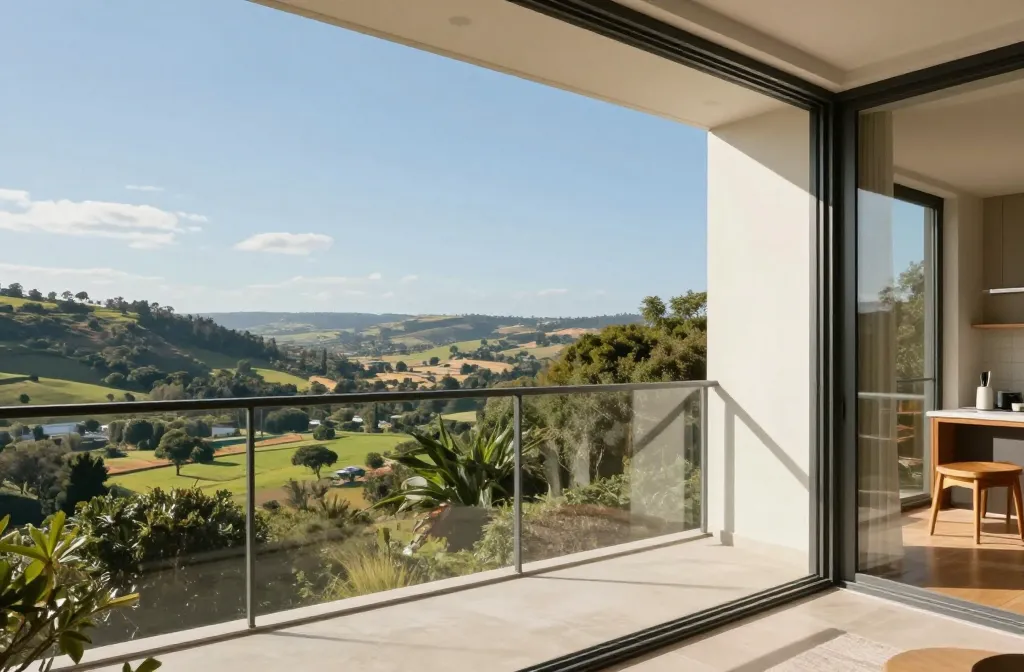
Starting a rental listing that actually gets people reaching out isn’t magic. It’s a mix of clarity, personality, and a dash of psychology. Let’s ditch the boring boilerplate and dial in listings that feel alive.
What makes a rental listing grab attention in the first place
You’ve got seconds to hook a reader. The best listings don’t bury the lead; they shout what’s unique up front. Do you have a sunny kitchen? A pet-friendly policy? A killer location? Put that front and center. FYI, people skim more than they read, so make the headline and opening line do the heavy lifting.
– Lead with the unicorn: one standout feature that sets the place apart.
– Mentions of practical perks: parking, laundry, fast internet, public transport access.
– A hint of vibe: cozy, sleek, vintage, or family-friendly.
If you’re not sure what to highlight, pretend you’re texting a friend: “You’d love this because….” Keep it real and concrete, not vague.
Crafting a headline that earns clicks

Your headline is a billboard on a busy highway. Don’t waste it with generic phrases.
– Use specifics: “2BR with parking, 10 min to downtown” beats “Nice apartment.”
– Include standout perks: “Pet-friendly,” “washer/dryer in unit,” “rooftop deck.”
– Keep it short but descriptive: aim for 8–12 words.
Examples to steal (or remix):
– Bright 1BR with renovated kitchen & private balcony – steps to the river
– Pet-friendly 2BR near the subway, heat included, modern finishes
– Sunny top-floor loft with skyline views and coworking nook
Opening paragraph: set the scene without the fluff
Your first paragraph should answer: What exactly is this place, who is it for, and why should they care? Don’t drown readers in specs. Give them a vibe and a reason to keep reading.
– Start with a quick snapshot: “Morning light floods the living room; the kitchen is designed for someone who actually likes to cook.”
– Call out the target tenant: “Perfect for a remote worker or small family.”
– Include a micro-benefit: “Quiet street, quick commute, and no loud neighbors.”
Keep it tight. 3–4 sentences max. And yes, be honest—don’t overpromise. If it’s not quiet, don’t pretend it is.
Highlight practicals without turning the listing into a boring checklist

Prospective renters want to know the practical stuff fast. But you don’t have to bore them into submission.
– Structure your facts clearly:
– What’s included: utilities, internet, parking
– Size and layout: square footage, number of bedrooms, bathroom count
– Availability and lease terms: move-in date, minimum lease, pet policy
– Use bullets for scannability: renters skim, not read word-for-word.
– Be exact about location: neighborhood vibes, commuting times, nearby amenities.
A quick trick: pair every perk with a caveat. “Gas heat included; electricity not.” Honest details filter out tire-kickers and save you time.
Show, don’t just tell: photo strategy that actually works
Photos are the real sales team. A compelling gallery can mean fewer questions and more viewings.
– Lead with a wide shot of the living area, then cascade to key rooms.
– Feature the kitchen and bathroom clearly; these spaces win or lose trust.
– Include 1–2 lifestyle shots: a coffee corner, a reading nook, a sunny balcony.
– Use good lighting and tidy staging. Don’t be afraid to declutter, but keep it lived-in enough to feel real.
– Add captions that answer quick questions: “In-unit laundry,” “recently renovated kitchen.”
If your photos are meh, no amount of clever copy will save you. FYI, most renters will decide in under 10 seconds whether to keep scrolling.
Copy that converts: tone, structure, and what to actually write

Your language should feel friendly, but also precise. Strike a balance between personality and information.
– Use short sentences and paragraphs (3–4 sentences max per block).
– Avoid passive voice. Be direct: “The living room gets morning light” instead of “Morning light is abundant.”
– Sprinkle a little humor or personality—just enough to feel human.
– Use bold for key information sparingly to draw attention, not overwhelm. NICELY bolded bits can help readers skim.
Structure your core sections like this:
– Quick snapshot (one short paragraph)
– What you’ll love (bulleted perks)
– The long tail details (lease terms, pet policy, parking, utilities)
– A call to action (schedule a viewing)
Remember: readers are scanning for “What’s in it for me?” Answer that clearly.
Dealing with tricky details: pets, leases, and accessibility
Be upfront about things that commonly cause friction. Address them head-on so you don’t chase down questions later.
– Pets: specify breed or size restrictions, deposits, and whether certain pets are allowed. If you’re flexible, say so with a range (e.g., “pets considered on a case-by-case basis”).
– Leases: note preferred lease length, renewal terms, and any move-in specials. If you offer month-to-month, say it.
– Accessibility: note steps, elevator access, doorway widths, or potential accommodations. If you can’t, don’t pretend you can.
Subsection: Common objections and how to handle them
– “Is it without surprises?” Give a range for utilities or typical monthly costs.
– “Is the neighborhood safe?” Share nearby conveniences and your personal take on the area vibe.
– “Is it easy to get around?” Highlight transit options and parking ease.
Pricing and positioning: price is not a dirty word
Price is a signal, not a trap. Position your rent with honest value rather than bait-and-switch tactics.
– Compare fairly: how does your place stack against similar listings in the area?
– Mention inclusions: utilities, amenities, or services that add value.
– Consider timing: are you priced for the season? Sometimes a small discount for a quicker lease speeds things up.
A pro move: offer a one-month discounted rent for long-term leases or for referrals that lead to a signed agreement. This can create momentum without feeling desperate.
How to handle inquiries: responses that convert
The moment someone messages, you’re in sales mode. Be friendly, quick, and helpful.
– Auto-reply that sets expectations: “Thanks for reaching out! I respond within 1 hour on weekdays. Here are a few quick details…” Then share two or three must-know bullets.
– Personalize each reply: reference something from their message (a pet, a commute concern, a must-have feature). Shows you actually read them.
– Clear next-step: “Would you like to schedule a viewing this week?” Provide a couple of time options.
– Don’t ghost: follow up if you don’t hear back in 24 hours. A gentle nudge can re-open a conversation.
Subsection: Templates you can adapt quickly
– Short inquiry: “Hey there! Thanks for your interest in the place. It’s 2BR, 1 bath, ~900 sq ft, with a renovated kitchen and in-unit laundry. Available next month. Can I answer any questions or set up a showing?”
– Follow-up after a viewing: “Nice meeting you today! If you want to pencil in a second viewing or bring a roommate candidate, I can help coordinate.”
FAQ section
How long should a rental listing be?
Keep it concise but complete. Aim for 800–1200 words in the body, plus photos. You want enough detail to answer common questions without turning into a narrative novel.
What’s the best way to describe location?
Give practical anchors: nearby transit lines, grocery stores, schools, parks. A sentence or two about the vibe helps, too—“quiet tree-lined street with quick access to downtown.”
Should I mention mold, pests, or hidden issues?
Be honest. If there are issues, disclose them upfront and explain mitigation steps. It saves time, avoids headaches, and builds trust.
How do I handle showing etiquette?
Offer flexible times, confirm appointments, and provide safety guidelines. Ask visitors to minimize contact with surfaces and to remove shoes if you prefer.
Is a video tour worth it?
Yes, especially if you’re dealing with long-distance renters. A short, well-edited video can complement photos and save everyone time. Include a walk-through of key spaces and highlight unique features.
What’s a quick way to improve inquiries today?
– Refresh the headline to a sharper, unique benefit.
– Tidy the photos and add one or two new lifestyle shots.
– Update the opening paragraph to reflect a standout perk.
– Respond within an hour or two—speed matters.
Conclusion
Rentals don’t have to be a scavenger hunt. With crisp headlines, honest details, and a dash of personality, your listing becomes a conversation starter rather than a chore for renters to endure. Focus on what makes your place special, present the practicals without the drudgery, and respond like you actually want to help. IMO, the right tone and clarity turn “a listing” into “the listing that gets the call.”
If you want a quick recap: nail the hook with a standout feature, pair that with a scannable facts block, show the space off in bright photos, and cultivate a friendly, responsive cadence when inquiries come in. FYI, small tweaks can yield big results—so test headlines, tweak photos, and watch the inquiries roll in. Happy renting!