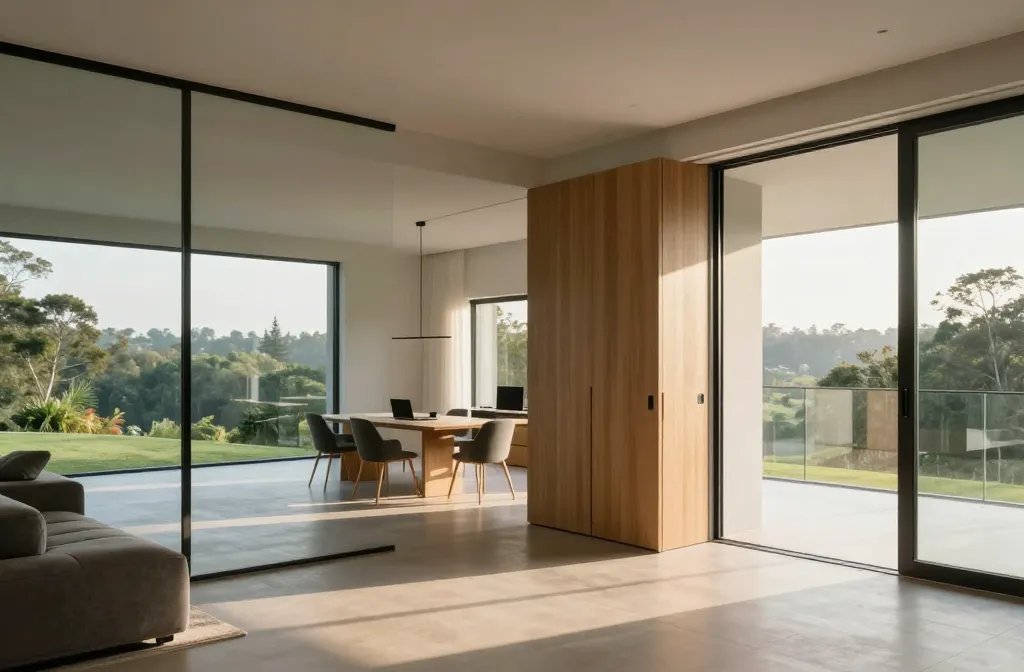
The right layout can turn a sleepy rental into a cash-flow magnet. Move walls, not mountains, and watch value rise. It’s not magic—it’s geometry, flow, and a dash of smart design. Ready to hack your space without gutting it? Let’s dive in.
Reassess the floorplan: why layout trumps decor
Is a fancy sofa really going to save your rental, or is a smart layout where guests actually move through rooms doing the heavy lifting? Layout sets the stage for everyday life and for how much tenants are willing to pay. A good layout reduces friction, increases perceived space, and makes rooms feel purposeful. FYI, tenants will notice even small changes, and they’ll happily pay more for them.
– Think about how people actually move: where does the light hit first thing in the morning? Where do doors open without bumping into a couch?
– Identify bottlenecks: narrow hallways, awkward corner nooks, or a kitchen that feels cut off from dining space.
– Prioritize multi-use spaces: a living room that doubles as a workspace or a dining nook that converts to a reading corner.
Open up the flow without losing privacy
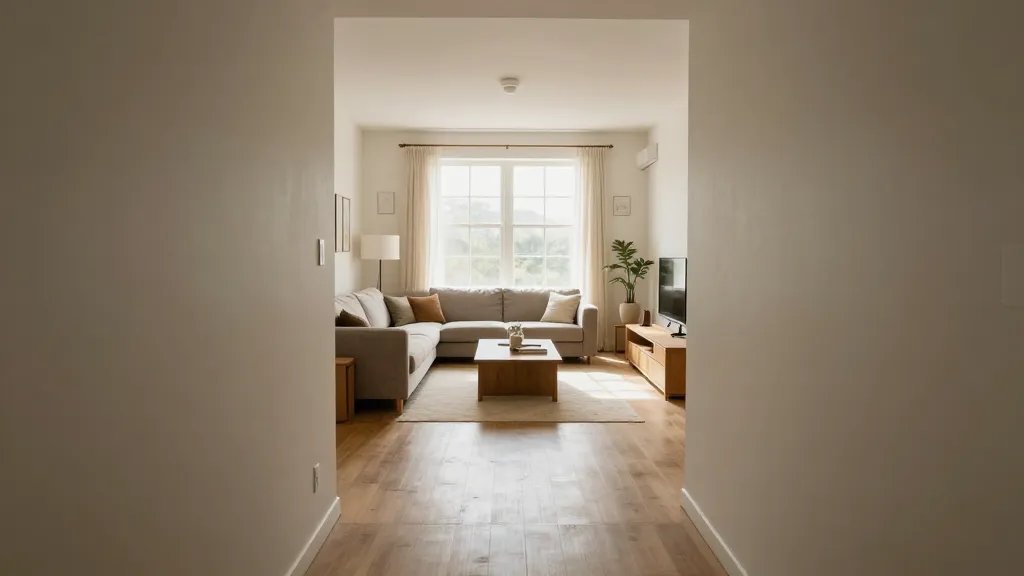
Open-plan vibes are popular for a reason: they feel bigger. But you don’t have to tear down walls to get the effect. Strategic removals or partial openings can create a sense of airiness while preserving cozy zones.
– Partial wall removals or glass dividers can open sightlines without sacrificing sound privacy.
– Use pocket doors or barn doors to reclaim space when you need it.
– Zone with furniture, not with barriers: a sofa, a rug, and a couple of plants can carve a living area from a dining zone without heavy demolition.
Subsection: The smart reopening checklist
– Measure every doorway and hallway to ensure furniture fits through without gymnastics.
– Schedule a professional to evaluate load-bearing walls if you’re considering removals.
– Plan for sightlines: even small openings dramatically improve perceived space.
Kitchen and dining: small tweaks, big impact
Kitchens are the heart (and the thing tenants will judge first after photos). A smart layout can turn a cramped galley into a welcoming hub. You don’t need a full remodel to upgrade value—think usability first, aesthetics second.
– Create a clear work triangle: fridge, sink, and stove should feel connected without awkward detours.
– Improve storage with tall cabinets, pull-out racks, and lazy susans to remove clutter that makes a space feel small.
– Expand dining opportunities: a breakfast bar, a shallow island, or a drop-down table can transform a kitchen from “meh” to “wow.”
Subsection: The 3-drawer rule for kitchen drawers
– Keep three categories in each drawer: utensils, cutlery, and miscellaneous gadgets.
– Use drawer organizers to save space and speed up meal prep.
– A clean, organized kitchen reads as larger and more functional to renters.
Bedroom layouts that actually invite rest (and rent)
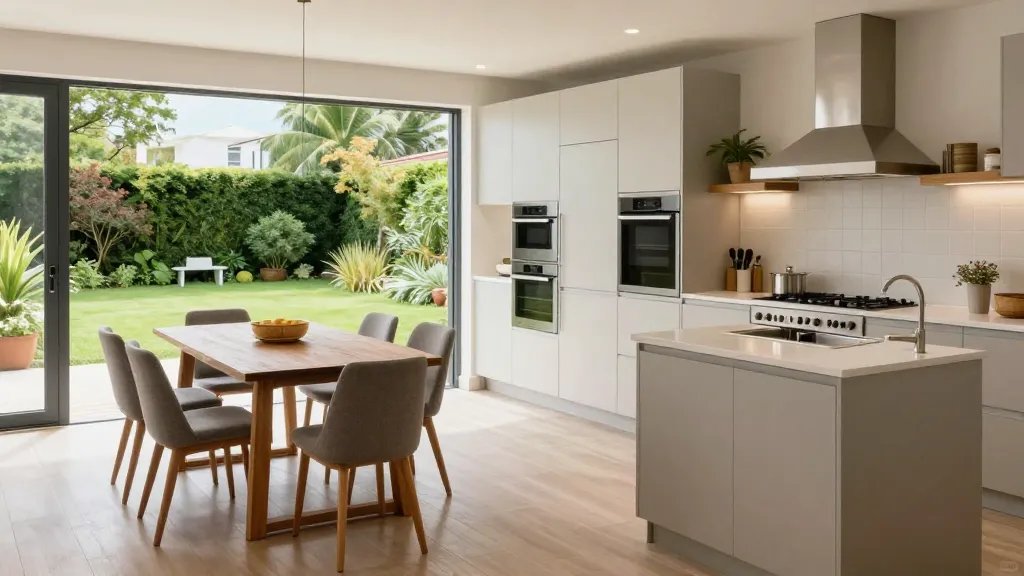
Bedrooms can feel like afterthoughts when they’re awkwardly shaped or stuffed with bulky furniture. A bed that fits well, proper nightstands, and good light make a huge difference in perceived value and actual comfort.
– Place the bed on a wall that doesn’t clash with doors or windows.
– Ensure at least two sides have accessible nightstands and outlets.
– Think about storage under the bed or slim wardrobes that don’t crowd the room.
Subsection: Lighting that sells sleep and productivity
– Layer lighting: overhead, ambient, and task lighting give you warmth and flexibility.
– If possible, install dimmers to set moods for movie nights or early mornings.
– Use warm bulbs in bedrooms to encourage relaxation, but keep a cooler option for reading.
Living rooms that invite tenants to stay longer
A great living room is where people actually hang out. If you nail the seating layout, you create a social hub that tenants will be happy paying a premium to use.
– Circular or semi-circular seating fosters conversation more than jutting sofas.
– Leave clear pathways for easy movement and avoid blocking natural light.
– Add a focal point: a fireplace, a TV wall, or a statement art piece that anchors the space.
Subsection: TV height and seating geometry
– Mount a TV at eye level when seated to reduce neck strain.
– Center seating around the screen but keep viewing distances reasonable to avoid argument over “too close, too far.”
– Use modular sofas so tenants can rearrange for small gatherings or quiet nights in.
Bathrooms and entryways: small spaces, big resale potential
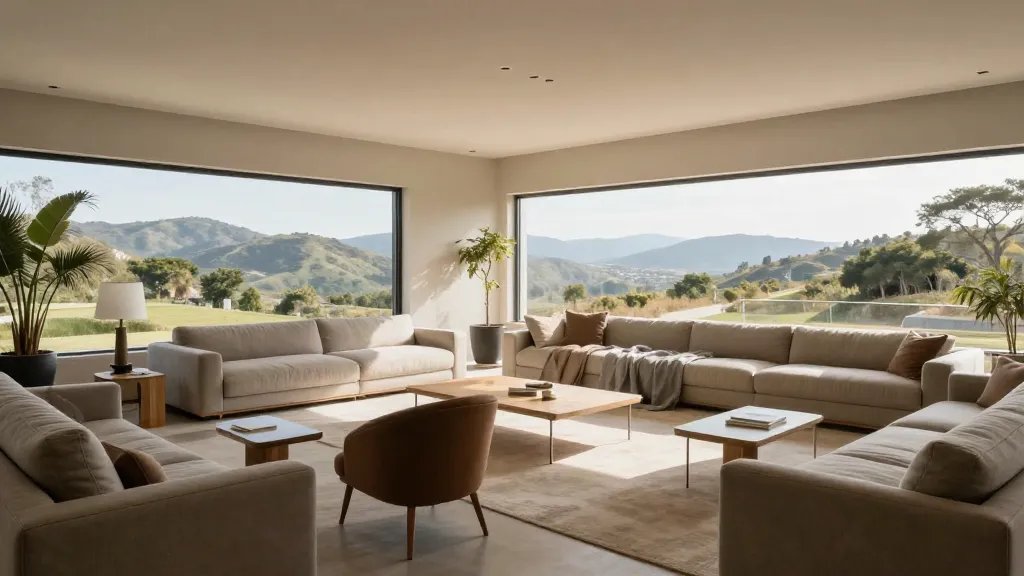
Bathrooms and entryways are the first and last rooms guests notice. They don’t have to be fancy, but they need to feel clean, efficient, and modern.
– In bathrooms, prioritize a decent vanity, good lighting, and practical storage.
– A big no-no is wasted floor space. Consider slim vanity designs or wall-mounted storage.
– Entryways should feel welcoming: a bench, a coat rack, and smart storage keep mess out of the living areas.
Subsection: Smart storage hacks for tiny nooks
– Use vertical storage where floor space is premium: tall, slim cabinets or floating shelves.
– Add hooks at multiple heights for coats, bags, and keys.
– A built-in bench with storage underneath can turn an awkward hall into a practical transition zone.
Flex rooms: future-proofing your rental
Flex rooms are your best friend when it comes to increasing perceived value. A space that can morph from home office to guest room to gym is worth gold in rental listings.
– In your listing, label the room with multiple potential uses to widen appeal.
– Equip the room with flexible solutions: a fold-down bed, wall-mounted desk, and modular storage.
– Ensure the room has a good light source and a door for privacy.
Subsection: Converting a flex room on a budget
– Use removable partitions or curtains instead of drywall to keep options open.
– Pick neutral finishes that renters can adapt to easily.
– Choose multipurpose furniture with hidden storage to maximize usability.
Putting it all together: a practical plan to boost rent
Now that you’ve got the ideas, how do you actually implement them without breaking the bank? Here’s a practical plan to raise rental value through layout changes.
– Start with a space audit: photograph rooms, note pinch points, and map flow. Where does traffic jam?
– Prioritize changes with the biggest payoff: open sightlines, accessible kitchens, and flexible spaces usually rank highest.
– Create a phased plan: tackle one area at a time to spread cost and avoid tenant disruption.
– Keep DIY-friendly tweaks in the budget basket: paint, hardware updates, and repositioning furniture can deliver a big signal with minimal spend.
Subsection: Budget-friendly upgrade ideas
– Repaint walls in light, neutral tones to instantly feel larger.
– Swap old hardware (drawer pulls, cabinet handles) for modern, cohesive finishes.
– Update lighting fixtures to brighten up spaces and improve photos for listings.
FAQ
Can I really charge more just by rearranging rooms?
Yes. A well-thought-out layout improves usability and perceived space, which tenants value. If a new layout reduces friction, increases storage, or creates a workable home office, you can justify higher rent. It’s not magic—it’s comfort and function.
What’s the fastest layout improvement I can make?
Start with the kitchen–living area flow. Opening sightlines, decluttering, and adding a practical dining nook can dramatically change how big a space feels. Quick wins include removing non-structural walls, adding a glass divider, or swapping heavy furniture for more streamlined pieces.
Should I hire a pro for layout changes?
If you’re removing walls or touching plumbing or electrical, yes, hire a licensed professional. For cosmetic rearrangements, you can often handle it yourself or with a designer consult. FYI, a bit of professional input now can save you money later by avoiding costly missteps.
How do I market the upgraded space?
Highlight the flexible rooms, kitchen workflow, and storage solutions in your listing photos and description. Use real-life examples: “Living room doubles as a home office” or “Guest room doubles as a dressing area.” Clear captions help tenants picture themselves living there.
What’s the cost range I should expect for common changes?
It depends on your space and location, but you can achieve meaningful upgrades on a modest budget. Minor cosmetic changes (paint, hardware, lighting) may run a few hundred to a couple thousand. If you’re doing light renovations (partitions, new cabinets, or smart storage), prepare for a mid-range investment. For serious structural work, get quotes and consider long-term rent uplift versus upfront cost.
Conclusion
If you want to increase rental value, start with the layout. It’s the backbone of how people live in a space, not just how it looks in photos. By improving flow, expanding usable areas, and preserving privacy, you create spaces tenants fall in love with—and are willing to pay a premium for. IMO, a smart layout is the most cost-effective upgrade you can make, and it ages gracefully as styles shift. So grab a tape measure, sketch a few ideas, and start testing the space you already own. Your future tenant—and your wallet—will thank you.