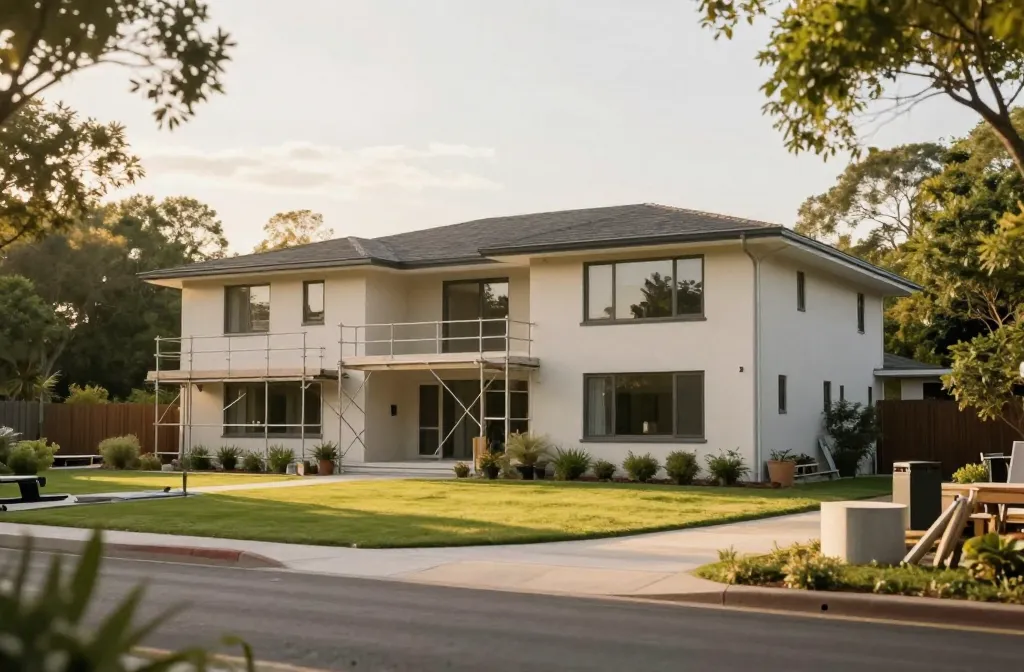
You’re staring at a rental unit that’s more “dated charm” than “modern mint.” Time to dust off the tools, map out a sane plan, and turn this space into something tenants actually brag about. Here’s a practical, no-nonsense timeline for refurbishing a rental property that won’t waste your days or your money.
Kickoff: Define your goals and the budget in one sitting
Before you lift a single floorboard, get honest about what you want to achieve. Are you chasing higher rent, faster turnover, or fewer maintenance calls? Set a realistic budget and a deadline. FYI, ambitious dreams without a map turn into overruns and stressed landlords.
– Pinpoint your target rent and compare with comps in your area.
– Decide which rooms get the most attention (kitchens and bathrooms usually win).
– Build a contingency fund for the “surprise” repairs that always sneak in.
If you don’t have a plan, you’ll wander like a shopper in a mall at closing time. Not cute. So write it down, then share it with your contractor or property manager if you have one.
Month 1: Assess, measure, and materialize a rock-solid plan

This is the “scout the battleground” phase. Get eyes on every corner of the property and document what actually needs replacing versus what could be upgraded for value.
– Do a full walk-through: structure, plumbing, electrical, windows, and insulation.
– Check for moisture, mold, and pest issues—those headaches don’t just go away.
– Create a prioritized to-do list with rough cost estimates.
Subsection: Quick-win upgrades that punch above their weight
- Paint refresh in neutral tones that appeal to most tenants.
- Updated lighting (LEDs, layered lighting) to save on energy and feel modern.
- Hardware updates: knobs, faucets, and cabinet pulls that scream “refreshed.”
If you nail these early wins, you’re already ahead. It’s like Premier League football: small upgrades, big impacts.
Month 2–3: Core systems overhaul or upgrades
Now we’re talking serious value. Focus on the things that tenants notice first and that protect your investment long-term.
Electrical and safety basics
– Confirm circuits, outlets, and GFCIs are up to code where required.
– Add or test smoke and carbon monoxide detectors.
– Plan for smart charging if you’re near EV adoption zones.
Plumbing and water efficiency
– Fix leaks, replace worn seals, and consider low-flow fixtures.
– Inspect hot water heater age and efficiency; a replacement often pays for itself in reduced bills and fewer complaints.
– Think about a modest water meter or sub-metering if you’re serious about utility transparency with tenants.
If you’re not comfortable, hire a pro. You’re not saving money by DIY-ing electrical or plumbing beyond your skill level.
Month 3–4: Cosmetic refresh that sells itself
This is where tenants say, “Nice place.” It’s not about overhauling every surface; it’s about choosing durable, cleanable finishes that look high-end without the price tag.
- Flooring: durable vinyl planks or updated carpet in bedrooms. Avoid slippery tiles in small bathrooms.
- Kitchen refresh: resurfaced cabinets, new countertops, or a budget-friendly laminate that withstands daily life.
- Bathroom upgrades: modern vanity, fresh grout, and a good shower head upgrade.
Subsection: The color and decor vibe
– Pick a timeless palette: light neutrals, warm woods, and metal fixtures.
– Add texture with textiles but keep it practical: easy-to-clean curtains, blinds, and durable rugs.
– Don’t over-personalize—tenants should be able to imagine their life there.
Month 4–5: Danse with contractors, schedule, and logistics
Here’s where the project starts to hum. A tight schedule and a solid contractor relationship save you time and money.
Choosing the right team
– Get at least three bids; compare scope, not just price.
– Check references and prior rental refurbishments.
– Ask about warranties and post-project support.
Logistics and access
– Create a clear access plan for tenants during renovations.
– Schedule major disruptions during vacancy or low-occupancy windows if possible.
– Communicate updates regularly so tenants aren’t left guessing.
If you keep the lines open, you’ll dodge the “construction chaos” reputation landlords sometimes get.
Month 5–6: Final touches, inspections, and marketing prep
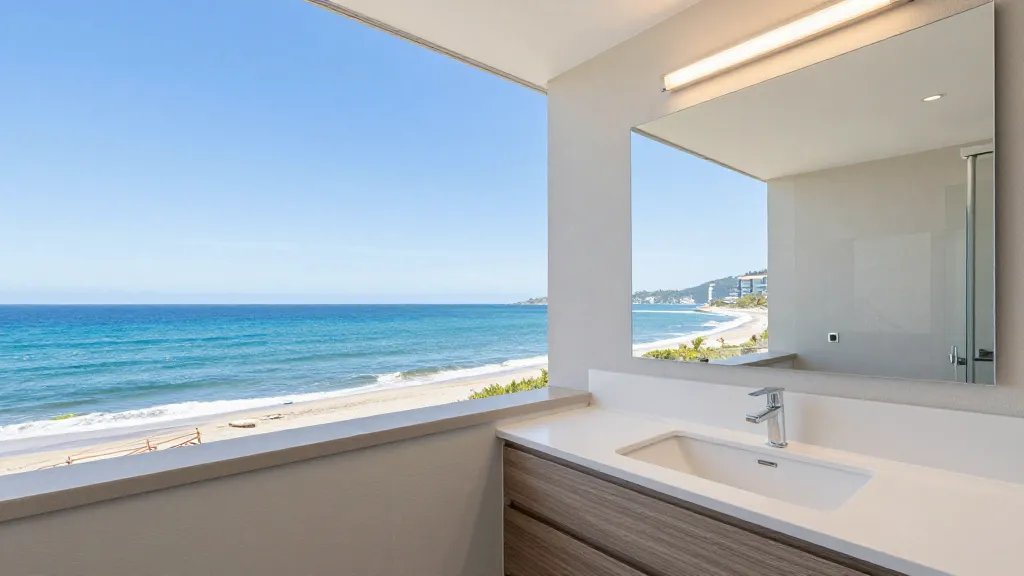
You can taste victory. The space should feel fresh, functional, and ready for occupancy.
- Final cleaning by professionals to remove paint dust and debris.
- Punch list iteration: fix squeaky doors, align doors, ensure all fixtures work.
- Window treatments and staging basics so pictures pop for listings.
Subsection: Energy efficiency and ongoing maintenance
– Leave a simple maintenance plan: filter changes, HVAC checks, and seasonal checks.
– Consider a few smart upgrades (programmable thermostat, LED motion lights) that reduce long-term costs.
– Leave tenants with a simple guide: who to call, acceptable wear and tear, and how to submit service requests.
The budget: keep it sane and breathable
A solid refurb timeline hinges on numbers. Here’s a framework to keep you from blowing a fuse (or a budget).
- Contingency fund: 10–20% of your total budget for the unknowns. Yes, there will be unknowns.
- Prioritization: allocate the majority to core systems and high-ROI cosmetic updates.
- Phased spending: pay as you go with progress milestones tied to contractor invoices.
If you’re feeling overwhelmed, break the budget into categories: structural, systems, cosmetics, and marketing. Then assign a ceiling to each category and stick to it unless the project demands a justified exception.
Deeper dive: legalities and risk management
Refurbishing a rental isn’t just about making it pretty. You want to protect yourself and your tenants.
Permits and codes
– Check local requirements for electrical, plumbing, or major structural work.
– Don’t skip inspections; a surprise violation can derail your timeline and cost you dearly.
Tenant communication and move-in readiness
– Provide a written plan with timelines to tenants.
– Document pre-existing damages to avoid dispute on move-out.
FAQ
How long does a typical rental refurbishment take?
The timeline varies by property size and scope, but a clean, well-planned project usually lands in 4–8 weeks for mid-sized units. Vacancies stretch that window, but if you’re proactive with schedules and suppliers, you’ll minimize downtime.
What should I upgrade first for maximum ROI?
Focus on: plumbing/electrical safety, a modern kitchen, and durable flooring. These upgrades tend to reduce maintenance calls and attract higher rents. Cosmetic updates like fresh paint and new lighting also boost perceived value without breaking the bank.
Can I handle this myself to save money?
You can do some cosmetic work if you’re handy and confident, but I’d leave structural, electrical, and plumbing to pros. Cutting corners there risks expensive repairs later and can create safety issues.
How do I choose the right contractor?
Ask for recent rental refurbishments, check references, and request a detailed bid with scope of work, materials, and a timeline. Verify licenses and insurance, and don’t pay upfront in full. A good contractor will provide a transparent schedule and be reachable for updates.
What if the project runs over budget or time?
Build in a contingency (10–20%). If overruns threaten your ROI, reassess scope, prioritize essential upgrades, or negotiate phased payments with contractors. FYI, transparency with investors or partners helps keep everyone aligned.
Conclusion
Refurbishing a rental property isn’t a sprint; it’s a carefully choreographed dance between cost, timing, and value. Start with a clear goal, lay out a realistic budget, and map a step-by-step plan. Keep stakeholders in the loop, and don’t be afraid to pause for a reality check if something drifts off course. With the right approach, you’ll end up with a space that rents quickly, sticks around longer, and makes your bottom line glow.
If you want a quick Mental Model: treat the project like building a strong foundation, then layer in usability (kitchens and baths), then finish with energy efficiency and aesthetics. That order tends to minimize headaches and maximize value. IMO, it’s the most practical path to a stellar return on your refurb investment. Good luck, and may your rental shine without breaking the bank.