Affiliate disclosure: This article contains shopping links to Amazon.com. If qualifying purchases are made through eligible affiliate links, we may earn a commission at no additional cost to you. Product recommendations are based on published specifications and research, not personal testing.
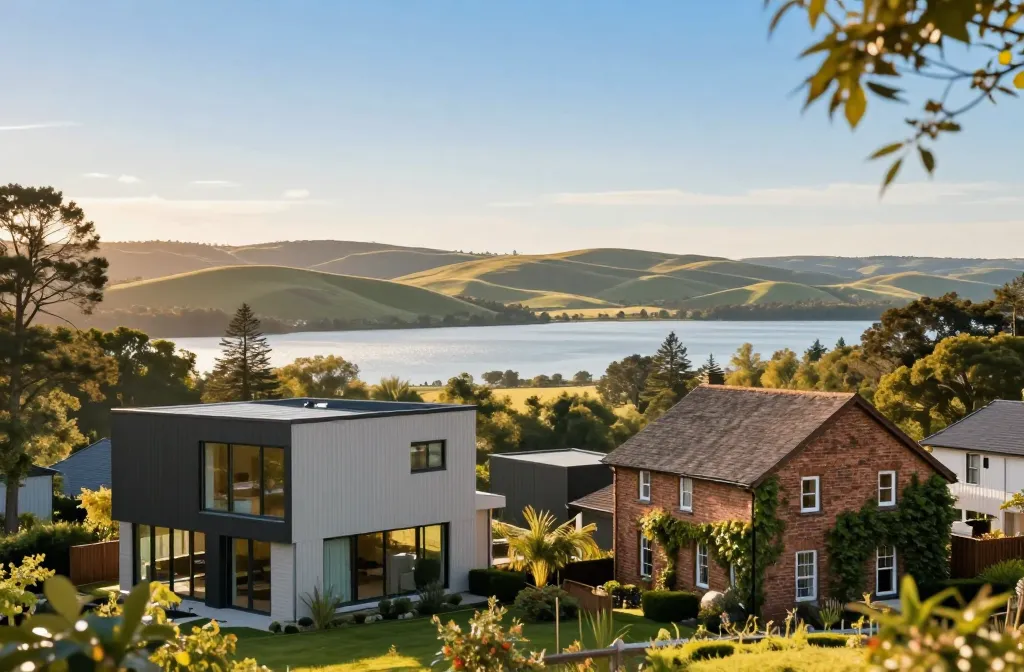
The rental market is a wild ride, but the big question stays the same: should you go new-build or old-school when you’re hunting for a place to call home? If you’re tired of sifting through listings that all blur together, you’re in the right place. Let’s break down what actually matters, not just what sounds glossy in a brochure.

New builds vs older homes: what actually matters when you’re renting
Finding a place to rent is part puzzle, part gut check. You want comfort, value, and vibes you can live with. New builds promise shiny everything, while older homes bring character and often a sweeter price tag. The trick is separating hype from reality so you don’t wake up in a home you later regret. FYI, there’s no one-size-fits-all answer—it depends on your lifestyle, budget, and tolerance for quirks.
What “new build” actually means for renters

New builds aren’t just fresh paint and new appliances. They’re a bundle of promises that can tilt your renting equation.
- Modern layouts and energy efficiency: Open kitchens, bigger windows, better insulation. But make sure the efficiency isn’t just a buzzword; ask about actual energy bills from similar units.
- Low maintenance at first: No squeaky floors or old plumbing nightmares. Yay, right? But expect newer systems to require less but not zero attention.
- Smart tech and amenities: Keyless entry, smart thermostats, on-site gyms, package lockers. Great for convenience, sometimes at a premium.
- HOA vibes: Many new developments come with homeowners associations. They can mean nice common areas or extra rules you’ll want to read twice.
- Warranty window: If something breaks, you might have a builder warranty. That’s not a blank cheque, but it can save you headaches in the first year.
New-build perks you’ll actually notice
– Consistent finishes mean fewer weird patch jobs and mismatched hardware. That’s the kind of detail that makes mornings less chaotic.
– Quiet halls and better soundproofing in many newer buildings. If you’ve ever lived above a club or below a basshead, you’ll appreciate this.
– Better safety features on paper, like enhanced fire codes and newer elevators. Reality check: ask about maintenance and response times.
What older rentals bring to the table
Old homes aren’t just “used and abused”—they’re full of quirks, charm, and sometimes surprising value.
- Character and charm: Crown molding, architectural nooks, staircases with stories. If you care about vibe, this is your jam.
- Often better location picks: Older neighborhoods tend to be established, with mature trees and bike routes. The trade-off? You might pay for that scenery elsewhere.
- Better price leverage: Landlords in older stock can be more flexible on rent, upgrades, or minor fixes if you’re steady long-term.
- Room for personality experiments: You can paint, patch, or install shelving without feeling like you’ll rain on the HOA parade.
- Maintenance quirks: Old pipes, older wiring, the occasional drafty window. It’s character with a side of “fix-it-yourself” if you’re into that.
When old does better on the bills
– Lower rent pressure in some markets means you can snag a bigger space for the same money. Smart if you’re negotiating or want to rent where the market’s cooled off.
– Potential for cheaper utilities if the home has a more efficient layout or well-placed windows—sometimes a sunlit old townhouse beats a new box with poor insulation.
Size, layout, and how they affect daily life
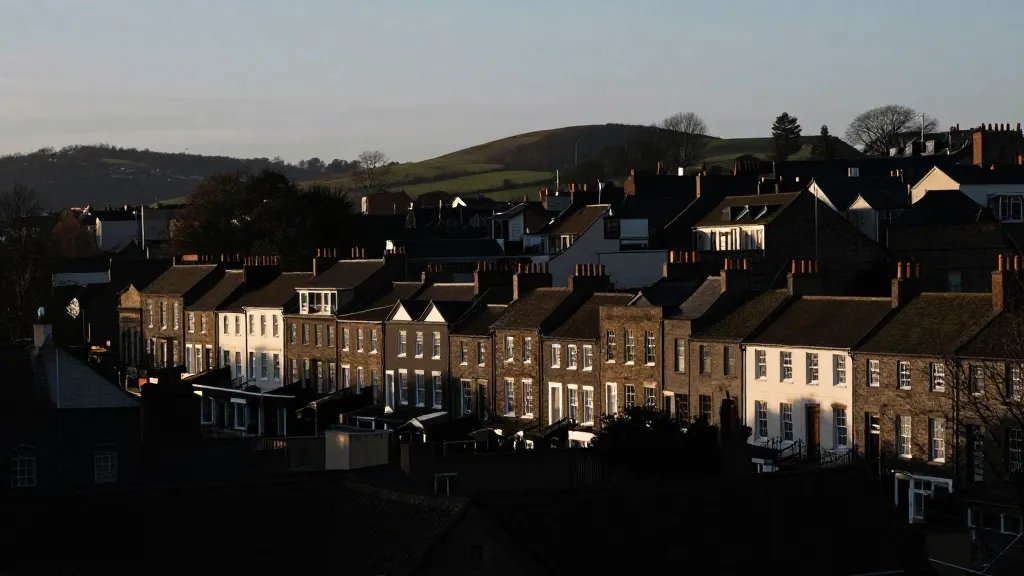
The way a space flows can make or break your living experience, and “newness” doesn’t automatically mean better flow.
- Open concept fatigue or glory: New builds often push open plans. They’re great for socializing, less so if you crave defined spaces for work, study, or a quiet night in.
- Closet space and storage reality: Some older homes win on built-ins and clever nooks. New builds may skimp on actual storage in favor of glassy minimalism.
- Noise and acoustics: Thin walls in affordable old places can be a nightmare. Newer builds often advertise better soundproofing, but not always in practice.
Work-from-home reality check
– If you’re remote, you’ll want a legit workspace. Check natural light, nearby outlets, and whether you can claim a quiet corner. New builds sometimes win here with dedicated dens; older places might surprise you with cozy corners that become perfect mini-offices.
Maintenance, repairs, and the landlord relationship
Maintenance headaches suck any time, but they’re especially annoying when you’re renting.
- New builds usually come with fewer immediate repair needs. Still, you’re at the mercy of property management for long-term maintenance timelines.
- Older homes can come with a crackling list of quirks—fixes you’d better like tackling or have cash ready for. The upside: landlords may be more willing to address issues quickly to keep you happy.
- Repair reliability: Ask about who handles emergencies, typical response times, and how urgent issues (flooding, heating failure) get prioritized.
What you should actually ask before you sign
– What’s included in maintenance coverage? (Plumbing, electrical, HVAC, appliance repair)
– How often do systems get inspected? (HVAC, water heater, electrical panels)
– Is there a process for urgent repairs after hours? If yes, what’s the number?
Neighborhood vibe, location, and long-term delight

You can love a unit, but if the neighborhood doesn’t vibe with your life, you’ll be over it fast.
- Transit and commute: New builds often pop up in suburbs with rising transit options. Older neighborhoods might be closer to city centers, with established bus routes and bike lanes.
- Schools and amenities: Even if you don’t have kids, school zones affect nearby prices and feel. Parks, coffee spots, grocery stores—these shape daily routines.
- Neighborhood evolution: Newer areas sometimes feel temporary, while older neighborhoods have a sense of history. Decide which energy you want: fresh and shiny or grounded and familiar.
Budgeting for the long haul
– Consider rent growth. New builds in hot markets may escalate quickly once lease terms roll over. Older places can stay more stable if you negotiate a longer-term lease.
– Think about add-ons. Parking, storage, gym access, or pet-friendly policies can tilt value in subtle but meaningful ways.
Pet policies, parking, and practicalities
Small but mighty details can ruin or rescue your daily routine.
- Pet-friendly policies: Some new builds charge pet rents or have strict breed/size limits. Older places may be more flexible, but always verify.
- Parking reality: Do you actually have a spot or garage? Street parking can be a headache in older neighborhoods, while newer developments sometimes offer reserved spaces but at a cost.
- Storage and amenities: Do you need bike storage, extra closets, or a washer/dryer on-site? These tiny wins stack up fast.
Insurance and liability quickly explained
– Renter’s insurance matters, especially if you’ve got gadgets, cameras, or fancy furniture. Landlords aren’t a safety net for your belongings.
– Old homes sometimes have unapologetic quirks that can affect insurance premiums—like older wiring or plumbing. It’s worth a quick chat with your insurer.
Red flags to watch, no matter the age of the building
– Poor ventilation or persistent dampness. Mold is no joke.
– Untreated leaks or water damage showing up in more than one spot.
– Subpar insulation in extreme weather zones. If your heating or cooling bill is wild, investigate.
– Maintenance delays that feel systemic. If you’re waiting weeks for a simple fix, that’s a sign.
FAQ
Is a newer rental always better than an older one?
Not at all. New builds often come with glossy finishes and newer systems, but they can have HOA rules, higher rent, and noise from construction or shared spaces. Older rentals can offer charm, better locations, and price leverage. It’s about matching features to your lifestyle and budget, not chasing a label.
Which tends to have lower utility bills?
It depends on the unit. New builds usually emphasize energy-efficient appliances and better insulation, which can shrink bills. But an older home with smart windows, efficient heating, and thoughtful upgrades can surprise you. Do the math on the specific unit rather than assuming one age equals higher or lower costs.
How important is the layout for a remote worker?
Very. If you need a quiet space, check the size of the bedroom or living area, soundproofing, and natural light. Open plans are social but can be loud; smaller defined rooms can feel cozier and easier to dedicate as a home office. Bonus points for a dedicated nook or built-in desk space in the unit.
What should I ask about maintenance before renting?
Ask about typical response times, emergency after-hours contact, and what is covered under the landlord’s maintenance responsibilities. Also clarify if you’re allowed to hire third-party technicians if something breaks, and who pays for minor vs major repairs.
Are HOA rules a dealbreaker?
Not necessarily. HOAs can add amenities and upkeep, but they also bring rules and fees. If you hate restrictions, verify what the HOA actually enforces, how much the monthly dues are, and whether they apply to renters specifically or just owners in the building.
Conclusion
So, where does that leave you? If you crave a fresh, low-maintenance vibe with modern conveniences and don’t mind potential HOA rules or higher rent, a new build can feel like a dream come true. If you value character, location, and pocket-friendly options with a dash of personality, an older rental could be the sweet spot.
The best approach is practical scouting: tour units back-to-back, ask targeted questions, and run the math on comfort, bills, and lifestyle. IMO, the perfect rental isn’t about chasing “new” or “old” as a badge. It’s about finding the place that makes your life easier, your wallet happier, and your daily routine a little brighter. FYI, a well-chosen rental can feel like a win no matter the age of the building. Happy hunting!