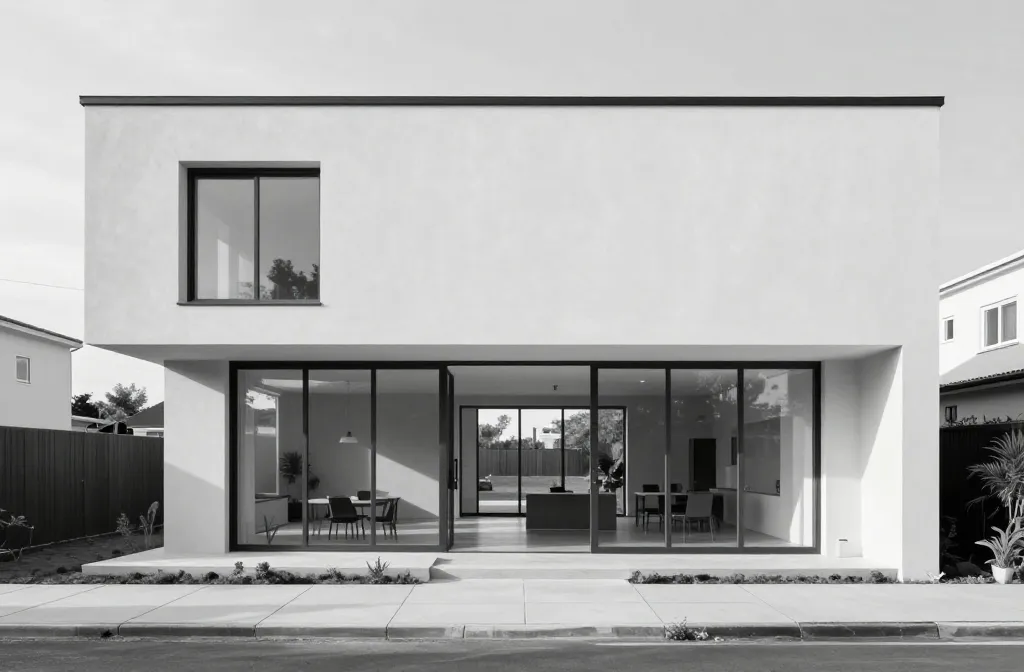
Ready to rethink how your home looks and feels? These clean, minimalist concepts prove less is absolutely more. Let’s dive into 16 designs that blend calm aesthetics with smart functionality.
1. Quiet Facades, Bold Interiors
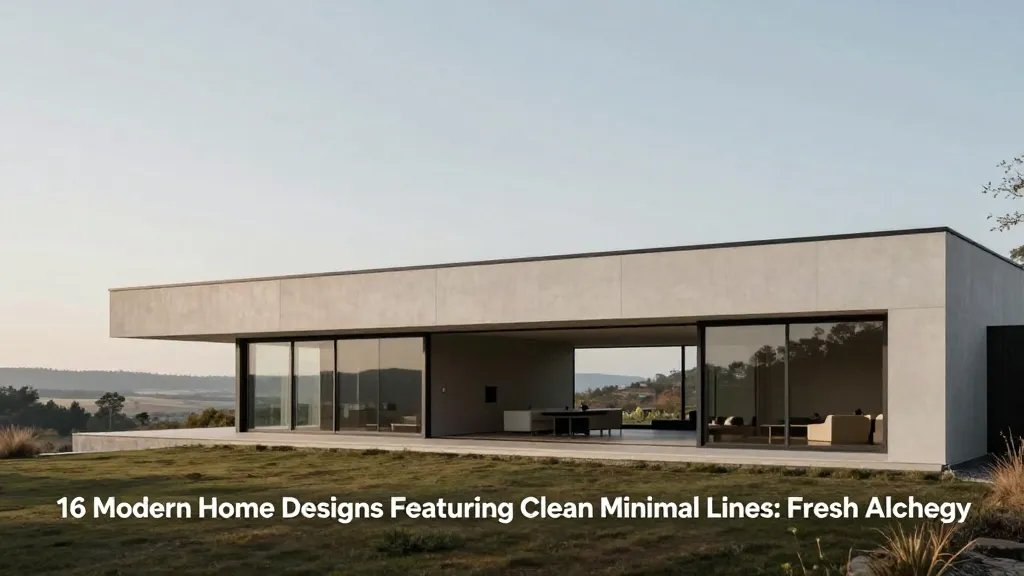
First impressions matter, even if you’re not throwing a neon sign. A restrained exterior makes the interior pop when guests step inside. Think seamless materials and a monochrome palette that hints at what’s inside.
Why it works
Clean lines create a sense of calm and focus attention on architectural details. You’ll notice better lighting and clearer sightlines.
- Neutral exterior palette
- Hidden connections to the landscape
- Visible but restrained entry details
Tip: Use a single architectural trick—like a cantilever or flush soffit—to unify the home’s look. Benefits: timeless curb appeal and a cohesive interior narrative.
2. Open-Plan Galaxy: Rooms That Flow
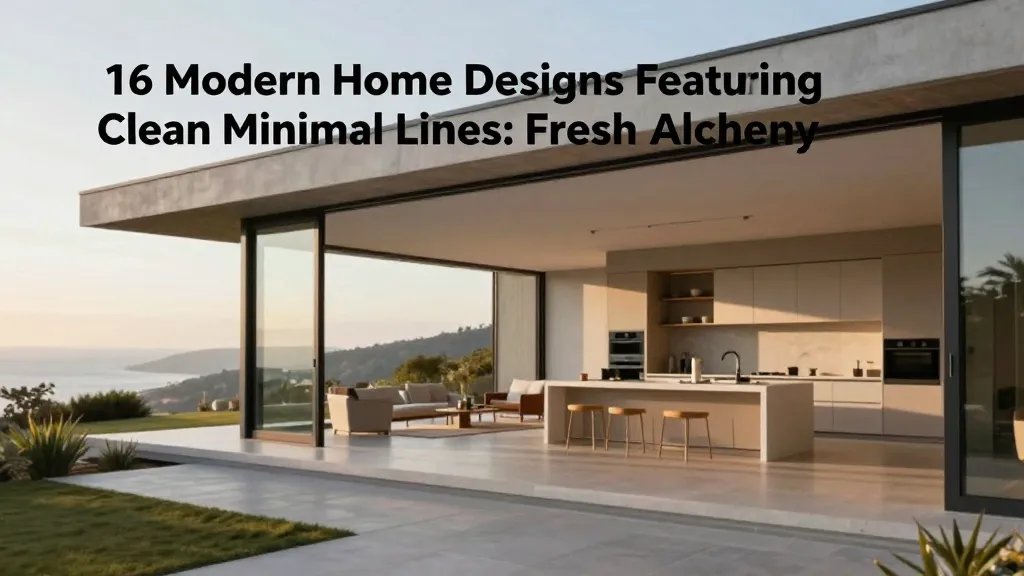
Say goodbye to awkward walls and hello to space that breathes. An open-plan layout keeps sightlines honest and creates a generous feel without adding square footage.
Pro moves: define zones with furniture, not walls. FYI, rugs can anchor areas without crowding the flow.
Key elements
- Floating kitchen islands
- Minimalist cabinetry
- Hidden storage solutions
Best use: living-dining-kitchen combos. Benefit: more natural light and easier movement through the home.
3. Monochrome Magic

A single color family ties rooms together with a quiet confidence. Black, white, and gray can look incredibly luxe when textures do the talking.
Survival tip: vary finishes—matte, satin, and gloss—to prevent flatness. Seriously, texture is your secret weapon.
Texture toolkit
- Matte walls
- Glossy fixtures
- Brushed metals
End note: this approach scales from city lofts to family homes and always reads modern.
4. Flush Cabinetry, Big Impact

Cabinets that disappear into walls = instant clean look. No handles, no clutter—just sleek planes that brighten rooms.
Why this is awesome: it visually expands spaces and minimizes dust-attracting hardware. Feels futuristic without trying too hard.
Tips for success
- Push-to-open mechanisms
- Edge-lit shelves to highlight displays
- Concealed appliances
Takeaway: practical, polished, and perfectly minimal—use it in kitchens and bathrooms alike.
5. Concrete Meets Calming Textures
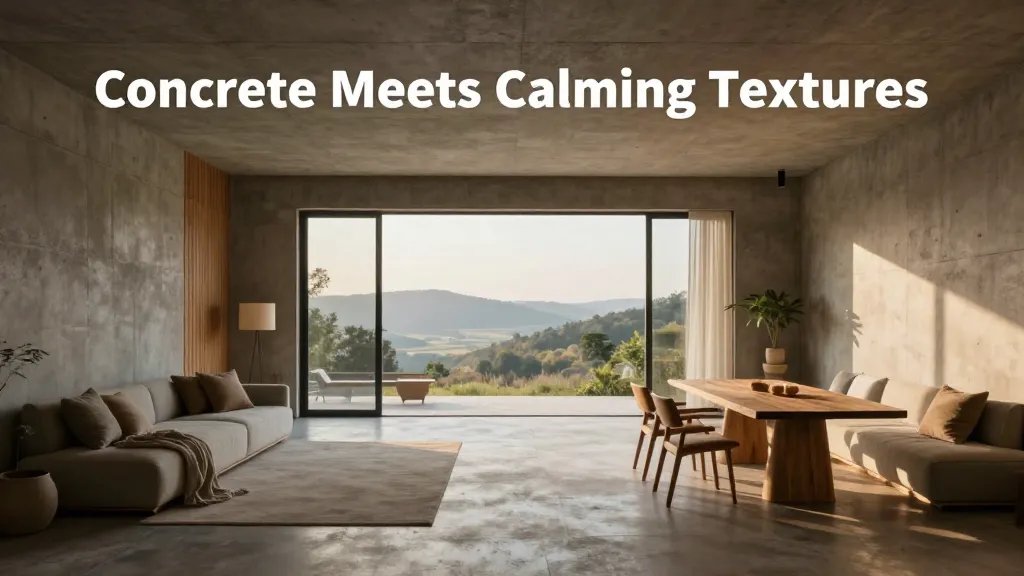
Raw concrete walls or floors bring urban edge, while warm textiles soften the edge. The balance feels deliberate and intentional, not cold.
FYI, you don’t need a warehouse to pull this off—polished concrete looks can be achieved in many homes with the right sealant.
Do-this list
- Warm wood accents
- Soft textiles for contrast
- Strategic lighting to soften shadows
Bottom line: industrial charm with a human heartbeat.
6. Light, Bright, and Airy Interiors

Natural light is the MVP of minimal living. Big windows, simple treatments, and reflective surfaces bounce brightness around without shouting for attention.
Tip: consider skylights or light tubes in darker habits of the house. Trust me, you’ll love the subtle glow all day.
Light strategies
- Sheer curtains
- White ceilings to amplify brightness
- Mirrored or specular surfaces in moderation
Benefit: happier mornings and a more open vibe overall.
7. Sustainable Simplicity
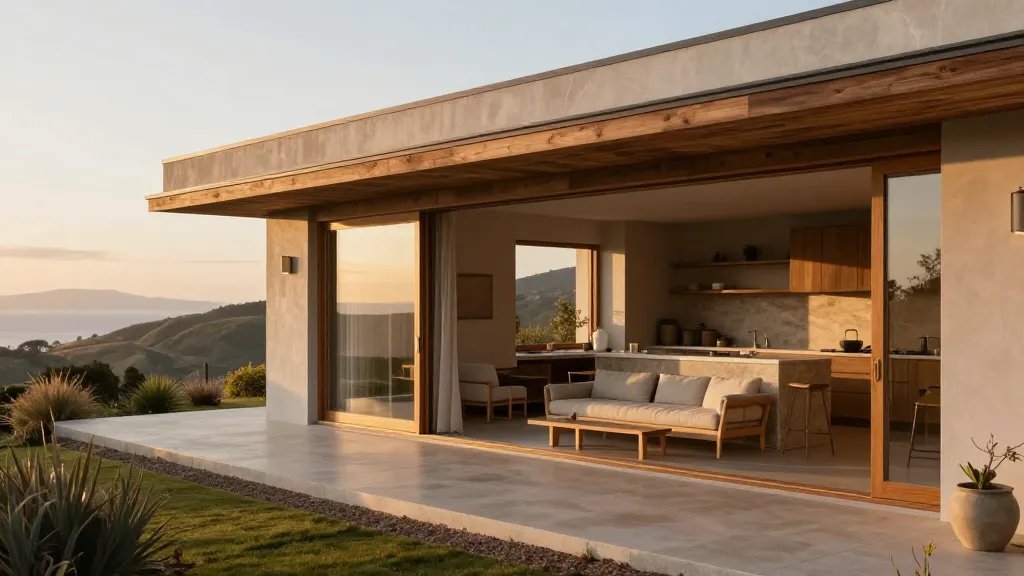
Minimal living isn’t about deprivation; it’s about curating meaning. Choose sustainable materials and long-lasting pieces that age gracefully.
IMHO, quality over quantity wins every time. A few well-made items beat a closet full of fleeting trends.
Materials to love
- Reclaimed wood
- Low-VOC paints
- Stone or ceramic countertops
Use-case: everyday living, max longevity. Benefits: healthier home, less waste, calmer brain.
8. Layered Neutrals with a Punch
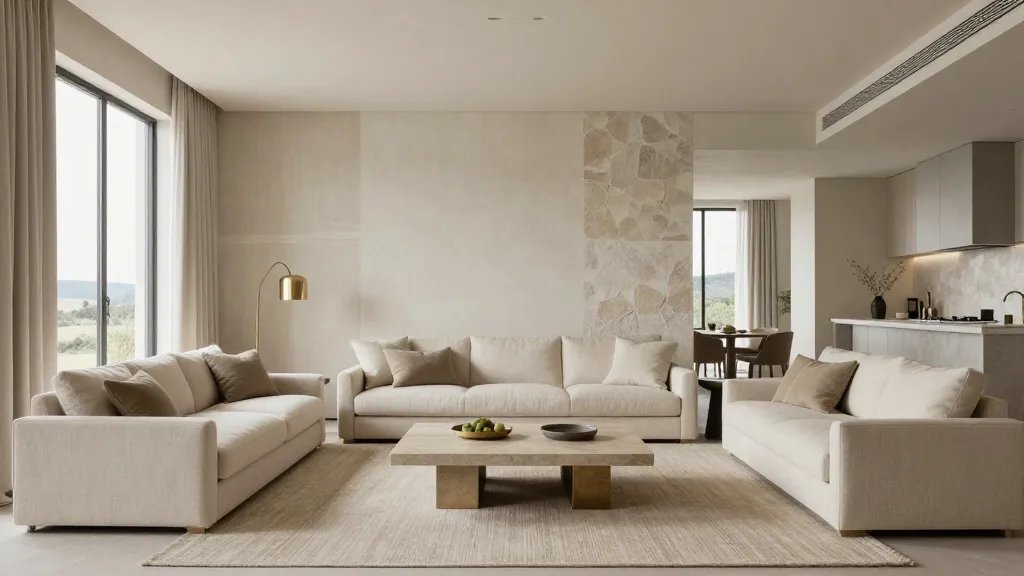
Neutrals don’t have to be boring. Layer different shades, textures, and subtle patterns to keep things interesting without shouting colors.
Key trick: mix warm and cool neutrals to avoid a flat look. It’s like a fashion blazer for your walls.
What to mix
- Cotton and linen fabrics
- Stone, quartz, or ceramic surfaces
- Metallic accents
Result: a sophisticated, timeless backdrop for living and entertaining.
9. Outdoor-Indoor Harmony

Minimalism extends outside. Seamless transitions between interior and exterior spaces create a serene, cohesive experience.
Hint: keep outdoor furniture clean-lined and durable; bring indoor textiles out for seasonal fashion statements.
Elements that work
- Sliding glass walls
- Low-profile outdoor seating
- Integrated planters
Use when you want a resort-like vibe at home—without the price tag of a vacation home.
10. Floating Fixtures and Quiet Detailing

Floating furniture and fixtures add a delicate, airy feel. The space breathes when pieces aren’t rooted to the floor or cabinets.
Pro move: elevate seating with legs that reveal floor space, making rooms feel larger.
What to pick
- Wall-mounted vanities
- Floating shelves
- Wall-mounted lighting
End note: modern elegance without the heaviness of traditional furniture.
11. Minimal Color Pop Moments
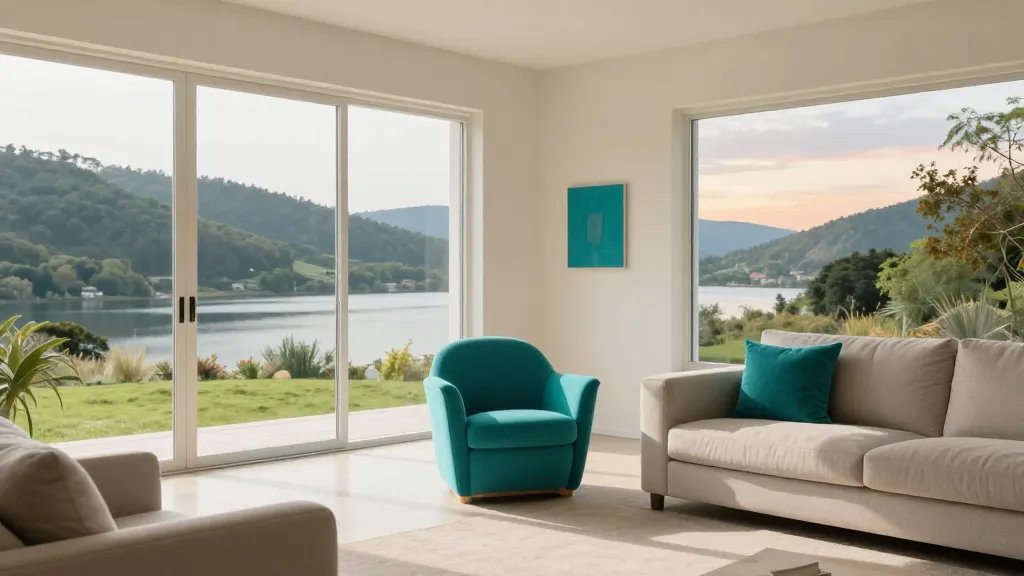
Even in a minimal world, a well-placed color accent can spark joy. Choose one bold hue and sprinkle it sparingly for impact.
Why it works: draws the eye, frames focal points, and doesn’t disrupt the calm.
Where to place pops
- One statement chair
- Accent cushions or a throw
- Artwork with a single color spine
Tip: keep the rest of the palette quiet so your pop color sings.
12. Smart Storage, Honest Clutter-Free Living
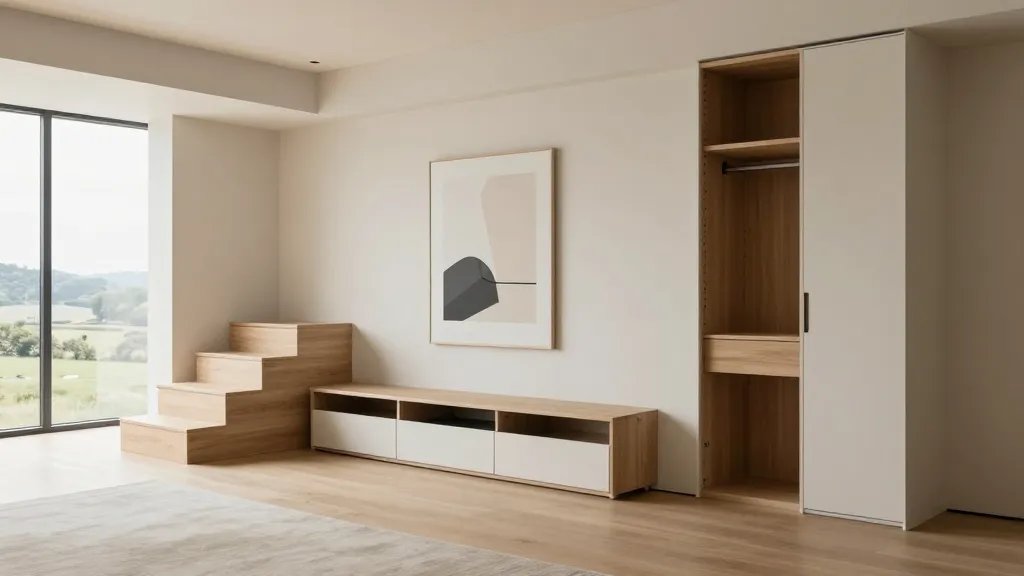
Minimalism thrives on organization. Hidden storage keeps surfaces clean and minds at ease.
Shortcut: build storage into stairs, under benches, and behind art panels to maintain clean lines.
Ways to hide the clutter
- Linen closets with modular systems
- Sleeved storage for electronics
- Push-to-open cabinetry
Benefits: easier cleaning, less visual noise, more mental clarity. IMO, it’s life-changing.
13. Textural Richness Without the Fuss
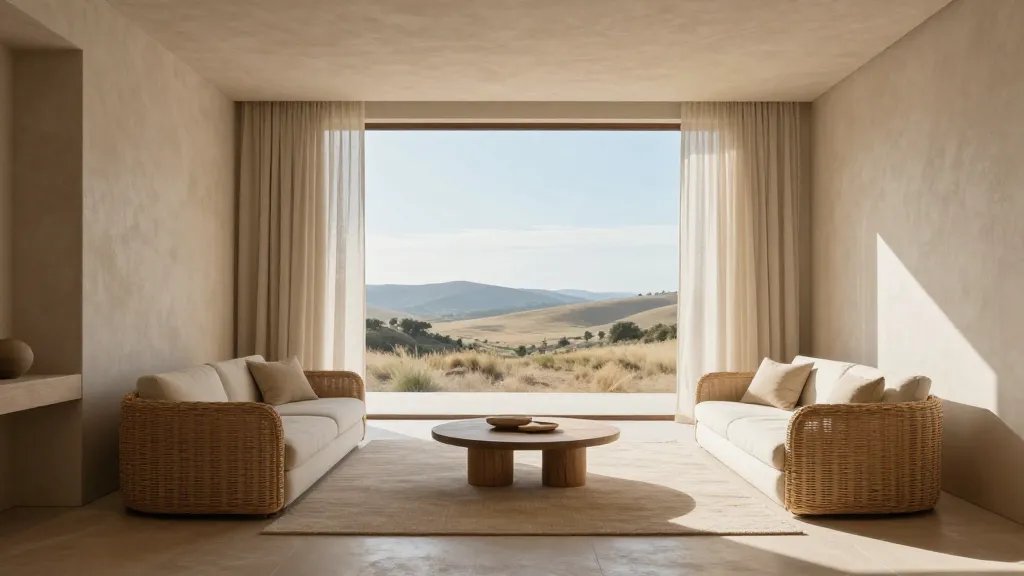
Textures beat color for depth in a minimalist setting. A beautiful weave or subtle grain can make rooms feel layered and curated.
Focus on organic textures that feel tactile and inviting. Your feet will thank you.
Texture ideas
- Rattan or wicker accents
- Wool or boucle upholstery
- Linen curtains
Summary: texture adds warmth while keeping the design clean and intentional.
14. Quiet Tech, Loud Impact
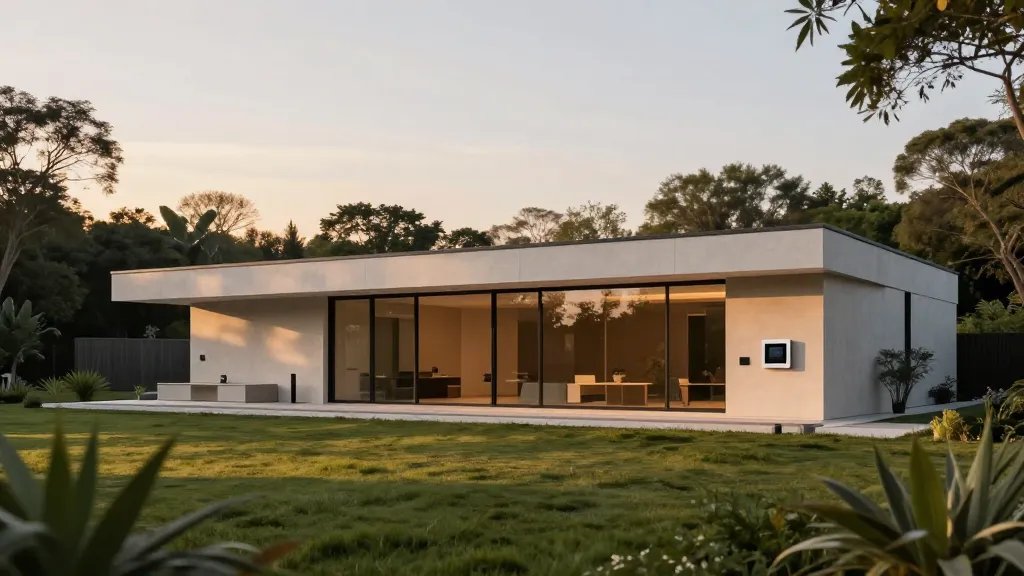
Smart home tech should disappear into the aesthetic. Choose devices with clean lines and intuitive interfaces to avoid visual clutter.
FYI, a well-placed speaker or thermostat blends in when designed thoughtfully. Seriously, it changes how you live.
Smart integration tips
- Hidden speakers behind panels
- Touchless controls
- Unified lighting scenes
Result: a high-tech home that feels calm, not chaotic.
15. Sculptural Elements That Speak

In minimal spaces, a single sculptural piece can act as a chorus line for the room. Choose stately forms that resist trendiness.
Hint: lean into sculptural lighting or a bold chair as a statement without screaming.
Where to place it
- Entryway focal point
- Corner niche as art
- Above a simple console
Benefits: instant personality with minimal footprint. Trust me, your guests will notice.
16. Timeless Materials, Modern Attitude

Choose materials that age gracefully—stone, brass, concrete, and wood that patinas beautifully. The mix keeps the look fresh without chasing fads.
Tip: document your material palette and stick to it; that consistency pays off in photos and real life.
Palette guide
- Stone and concrete textures
- Brass or black metal hardware
- Warm wood tones
End note: you’ll have a home that feels current for years, not months.
So there you have it—16 modern home designs featuring clean minimal lines, ready to elevate your space with calm, confident style. Ready to start combining a few of these ideas into one room? IMO, pick a signature element and let it lead the rest. Trust me, you’ll see a big difference in how you live and feel at home.