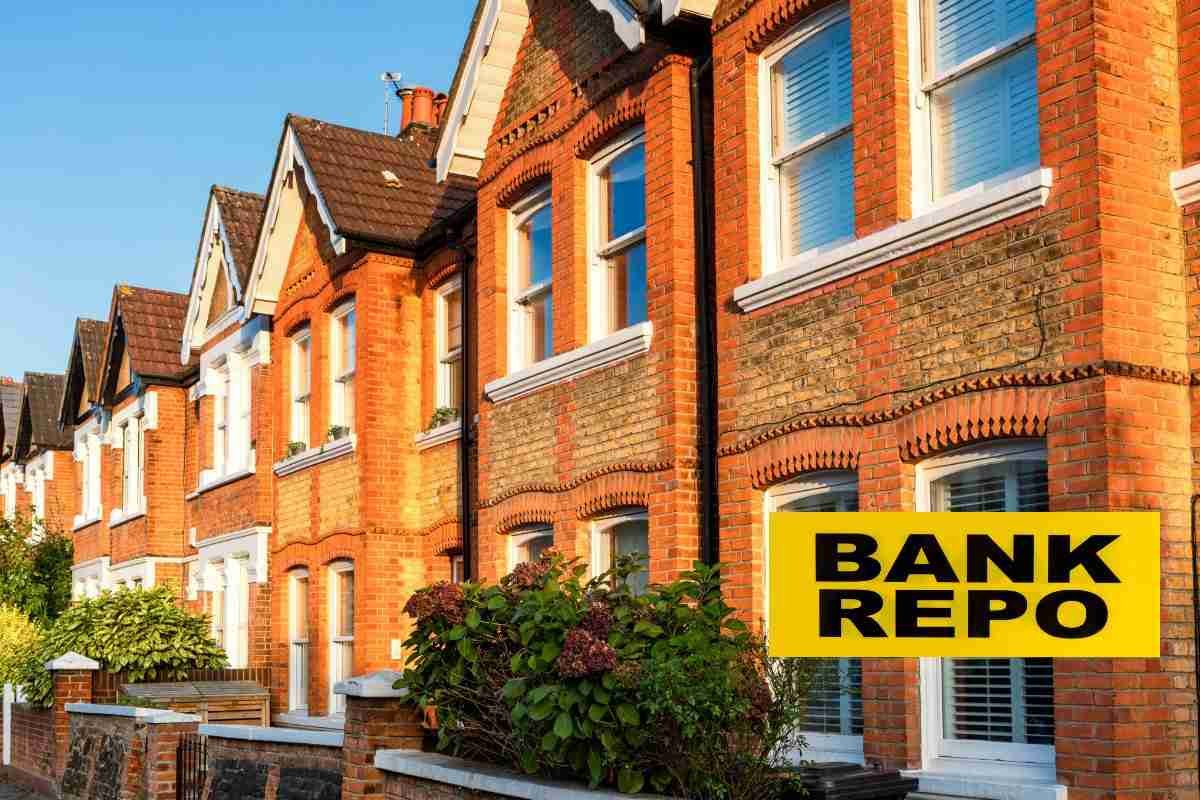
The real estate market offers a wide array of investment opportunities, and one of the most intriguing among them is the market for repossessed houses for sale. These properties, often sold at auctions or through estate agents, present unique opportunities for both seasoned investors and first-time buyers.
Repossessed houses for sale can often be purchased below market value, making them an attractive option for those looking to maximize their returns. In this article, we will explore the world of repossessed houses for sale, uncovering the potential benefits, common pitfalls, and essential considerations to help you navigate this exciting sector of the housing market.
A repossessed property is one that comes under the ownership of a bank or mortgage provider. This happens when a mortgage borrower falls into arrears or when a developer or landlord faces bankruptcy. The lender can then put the property on the market through an estate agent or auction to recoup the cost of the original loan.
Buying a repossessed property can be both exciting and daunting. It can provide impressive returns, especially for those who know what to look for. These properties often need renovation but are filled with potential. They offer buyers the rare chance to purchase a property below its market value. This opportunity attracts developers, buy-to-let investors, and residential buyers looking for a project. The range of repossessed houses for sale at property auctions is varied, giving you the chance to find your perfect property.
Whether you’re a first-time buyer or have experience, our auctioneers can share their knowledge and experience.
Things to Consider When Buying a Repossessed Property by Auction
We advise all potential buyers, whether developers, investors, or personal home buyers, to do thorough research before making an offer or placing a bid. Prior research allows you to make informed decisions by providing access to important information about the property and a wider understanding of the current market. It can also help you avoid risks you might not have considered.
In-depth planning is crucial for a successful property purchase, especially for repossessed houses. These properties can be lucrative investments, but only for those who know what they’re looking for.
In this article, we’ll help you make a safe investment when buying repossessed property. We’ll introduce the most common risks and rewards associated with them. We’ll cover what they are, whether they’re worth buying, and the auction process so that you can navigate this area of the housing market confidently.
What is a Repossessed Property?
A repossessed property is one seized by the mortgage lender after the owner misses repayments. Repossessed houses for sale can come in all shapes and sizes, though most are in poor condition. They are an inconvenience to lenders, who are usually in a hurry to sell them off.
Repossessed properties are expensive to keep for banks or building societies due to ongoing running costs and selling fees. They typically sell quickly and often below market value. These factors make them highly sought after by buyers hoping to find a bargain.
Do Repossessed Houses Go to Auction?
Yes, if you’re looking to buy a repossessed property, start with property auctions. Auctions are the most popular method for lenders to sell these assets quickly and securely. Sales rarely fall through due to the binding nature of the bidding process.
While estate agents do list repossessed properties, this is less common. Repossessed properties often sell below market average, making them less lucrative for agents. As a result, agents may spend less time marketing these properties, impacting the speed of sale. This means higher expenses for lenders while awaiting the sale and increased risk of buyers pulling out last minute.
Is It Good to Buy Repossessed Houses?
Buying a repossessed house comes with benefits and risks. The trick is to be aware of these pros and cons and apply them to each property you consider. Those that tick the right boxes and have manageable drawbacks can be a real asset when adding to your property portfolio or buying your own house.
Pros of Buying a Repossessed Property
Speed
Lenders aim for a fast sale to keep their expenses to a minimum. Repossession is costly, with losses increasing daily while the property is in their hands. This drives lenders to sell quickly, even below market value.
Auctions are the fastest way to buy or sell property, with most contracts completing within 30 days of a winning bid. You can speed this up by making an offer before the auction. This type of offer has a high chance of being accepted by sellers of repossessed homes, as it removes the waiting time.
Cost
Lenders’ urgency to sell benefits buyers with a fast sale and a cheaper price. According to Money Saving Expert, repossessed houses can sell for up to 30% under market value. Savings can be even more, though this is not guaranteed. Repossessed homes often need investment for repairs, but the profitability remains enticing.
Renovation
Repossessed properties often need renovations and repairs. This allows buyers to add their personal flair or design the property to their specifications. This type of work can incur significant costs, but savings on the purchase price can be re-budgeted into a renovation fund.
Variety
Repossessed houses come from various backgrounds, such as developers, landlords, divorcing couples, or inheritance cases. This variety means you can find everything from new-build homes to already tenanted accommodations. Don’t assume anything about a specific repossessed lot, as circumstances vary significantly.
Cons of Buying a Repossessed Property
Competition
The benefits of repossessed properties attract high competition. Auctions can cause bidding wars, increasing the property price. To avoid this, make offers before the auction or consider a wider range of properties.
Condition
The condition of repossessed properties can attract or deter buyers. Some buyers may be put off by the need for renovations. Financing can be difficult if the property is classified as unlivable. These lots are primarily bought by cash buyers or those with alternative financing.
How to Buy a Repossessed House
If you decide a repossessed property is right for you, follow these tips to ensure a safe investment.
Finance
Ensure your finances are in place before bidding. If your auction sale falls through due to financing issues, you’ll lose the deposit and fees paid.
Budget
Set a budget before the auction, including purchase and renovation costs. Arrange for a survey to make accurate estimates.
Make an Offer
With high competition, try to tempt the lender by making an offer before the auction. Offers must be above 10% of the asking price but can save money by avoiding bidding wars.
Check Tenancy
If the property was owned by a buy-to-let landlord, it might be sold with a tenant. This can be a pro or con, depending on your plans.
Post-Sale Issues
Buying a repossessed property can come with unique problems, such as setting up utilities, receiving debt collection letters, bailiff visits, and credit rating issues. These are uncommon and fixable but be aware of them.
Repossessed Houses for Sale – Conclusion
In summary, the market for repossessed houses for sale offers a compelling mix of opportunities and challenges. These properties can be acquired at prices below market value, making them an attractive option for investors and home buyers looking for cost-effective real estate.
While the potential for high returns is significant, it is crucial to conduct thorough research, secure proper financing, and be aware of the risks involved. By understanding the intricacies of buying repossessed houses for sale, you can make informed decisions and capitalize on these unique opportunities.
Whether you are looking to expand your property portfolio or find your next home, repossessed houses for sale present a valuable avenue worth exploring.
Repossessed properties offer unique opportunities and advantages, despite some risks. They can be worth investing in, especially at a good price. By conducting thorough research and careful planning, you can navigate this market and capitalize on these properties.