
First-time home purchases come with hype, coffees, and a few hard lessons. Let’s skip the worst pitfalls and get you into a space you actually love. These five tips are practical, doable, and totally friend-approved.
1. Not Asking Enough About the Community Before Signing

Everyone fixates on the house itself, but the neighborhood shapes your life. This one is a game-changer you’ll thank yourself for later.
Reasons to care about the block now, not later:
- School zones, commute times, and noise levels (yes, even at 2 a.m.).
- Local amenities like parks, groceries, and safety vibes.
- Future development plans that could change light, traffic, or vibe.
Tips to avoid regret:
- Walk the area at different times and days—weeknights matter as much as weekends.
- Chat with neighbors or join a local online group to gauge real-life patterns.
- Ask your agent to pull a 12–24 month projection of nearby developments.
Benefits? You’ll know exactly what life with this home looks like, not just what the listing says. FYI, a great neighborhood can boost your daily happiness as much as a great kitchen. Seriously.
2. Overlooking Storage Potential (Or Underestimating Clutter)

Storage is not sexy, but it is essential. A home with thoughtful spaces saves you from chaotic mornings and “where did I put that?” moments.
Why storage matters now, not later:
- Clothes, gear, and seasonal stuff pile up fast—especially in smaller homes.
- Better storage = cleaner, calmer living areas and easier cleaning.
- Smart layouts prevent tiny annoyances from becoming daily headaches.
Practical moves to avoid regrets:
- Prioritize built-ins in bedrooms, entryways, and kitchens; measure oddly shaped nooks.
- Look for vertical storage options—high shelves, wall-mounted organizers, under-bed bins.
- Plan for a functional “drop zone” near the door to keep keys, bags, and mail tidy.
End note: a home that actually holds your stuff feels bigger than any contractor’s dream. It pays to think about storage before you fall in love with a pretty price tag. Trust me, you’ll thank yourself on Saturdays with a clean, calm space.
3. Skipping a Thorough Inspection (and a Few Hidden Costs)
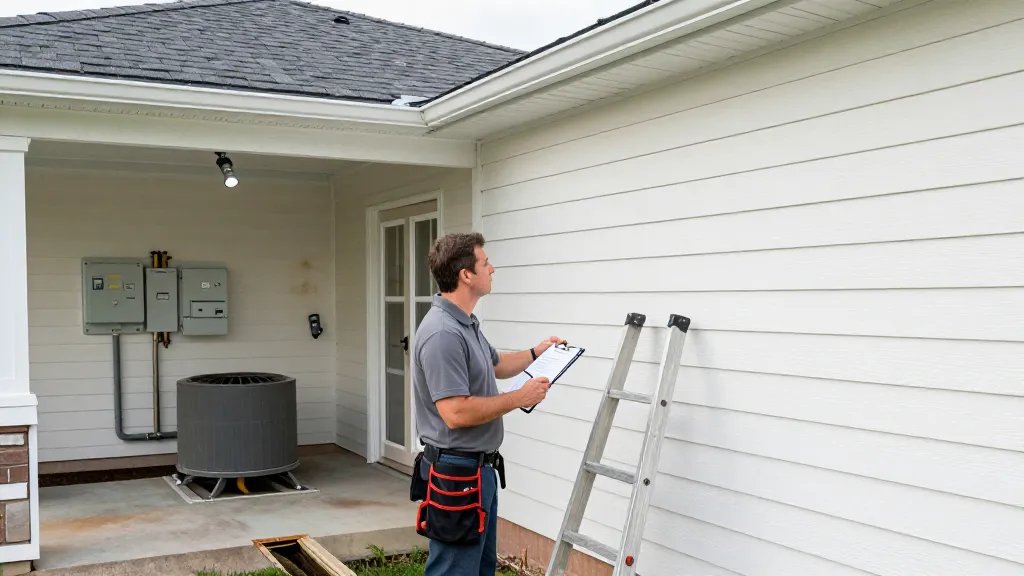
Underbaked or unseen issues will bite you later—badly. A solid inspection is cheaper than a major surprise. This is the kind of regret you can avoid with a little due diligence.
What to uncover beyond the obvious:
- Structural integrity and foundation quirks that whisper “check me.”
- Roof age, plumbing lines, electrical panels, and HVAC efficiency.
- Water intrusion, mold tendencies, and drainage patterns around the yard.
Smart steps to take:
- Hire a reputable inspector and attend the walkthrough; ask questions like you mean it.
- Request seller disclosures and get specialist opinions if anything looks murky.
- Budget a 5–10% cushion for urgent fixes or upgrades you’ll want soon after move-in.
Benefit you’ll feel day one: peace of mind. You’ll sleep better and know you aren’t sitting on a ticking time bomb—plus money saved on emergency repairs later. FYI, some issues aren’t negotiable in repairs, but many are negotiable in price if you’ve got proof. Seriously.
4. Overestimating DIY Skills (Or Underestimating Time and Cost)

The dream: you take on all the remodeling and save big. The reality: projects stretch, budgets explode, and life gets loud. Here’s how to stay out of debt and chaos.
Why this matters big time:
- Labor costs can skyrocket when you underestimate time and scope.
- Poor materials or rushed work lead to disappointing results and more fixes.
- Temporary inconveniences compound when you’re living through a remodel.
Practical approach to keep it fun and affordable:
- Set a realistic project plan with milestones and a hard budget cap.
- Focus on high-impact upgrades (lighting, paint, hardware) before big structural changes.
- Shop around for contractors, ask for portfolios, and check references—trust but verify.
Bottom line: pace your projects, love the process, and celebrate small wins. You’ll enjoy the journey much more and end up with a kitchen you adore instead of a permanently dusty to-do list. IMO, patience pays with better finishes and fewer headaches.
5. Not Aligning Mortgage, Insurance, and Real-Life Costs Early

Fear of debt is normal, but clueless budgeting is a bigger enemy. Aligning your mortgage with real-life expenses keeps stress low and life enjoyable.
Key cost categories to align from day one:
- Mortgage payment timeframe, interest rate type, and potential refinances.
- Property taxes, homeowners insurance, and HOA fees (if applicable).
- Maintenance reserves, utilities, and upcoming big-ticket upgrades.
Smart planning steps:
- Run a 30-year cost snapshot with built-in buffers for rate changes.
- Ask your lender about biweekly payments or extra principal payments to save on interest.
- Set up a dedicated home fund for ongoing maintenance—aim for 1–2% of home value annually.
End note: feeling financially secure in your home means you actually enjoy it. You won’t dread every month’s bills, and you’ll have room for the fun stuff, too. Seriously, it’s all about balance and a bit of foresight.
Conclusion: moving into your first home should feel like a high-five moment, not a stress-fest. Use these five sections as your quick-start guide to dodge common regrets, stay excited, and build a space you’re proud of. You’ve got this—now go find that awesome place and make it yours.