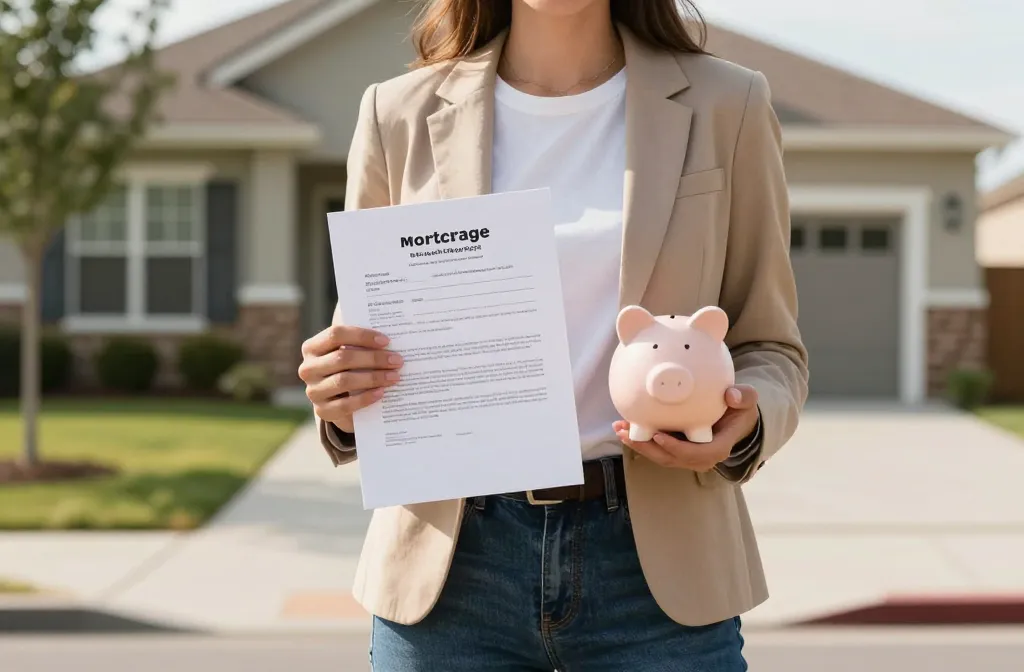
An interest rate shift isn’t a plot twist you want, but it can be a plot twist you can ride. If you already own a home, rising rates may feel like a damp blanket over your plans. Let’s break down what happens, what to watch, and how to stay on top of your game—without freaking out.
How Higher Rates Change Your Mortgage Wallet
When rates go up, your monthly payment usually does too. Even if you have years left on your loan, the math hits. You might notice a bigger chunk of each payment going toward interest, not principal. FYI, even small rate bumps can compound over 30 years.
Fixed vs. Adjustable: What You Really End Up Paying
– Fixed-rate loans keep the same payment, but the cost of financing becomes higher at renewal if you refinance.
– Adjustable-rate mortgages (ARMs) can initially look tempting, but they edge up later. Do you want the unknowns, or do you want predictability?
Refinancing: Still Worth It, Or A Bad Bet?
Refinancing isn’t dead just because rates rise. It’s about timing, costs, and your goals. If you’re itching to lower a payment, shorten a term, or switch from an ARM to a fixed rate, crunch the numbers first. Sometimes the best move is a strategic refinance even in a higher-rate environment.
How to Decide Quickly
– Compare your current rate with nearby options.
– Factor in closing costs and points.
– Consider how long you plan to stay in the home.
Impact on Home Equity and Home Values
Rising rates can cool buyer demand, which might slow price growth or even trim appreciation. If you’re waiting to sell, that could matter. If you’re paying a mortgage, slower equity growth means your path to cash-out refinances or a future move might stretch a bit longer.
What About Home Improvements?
Higher rates don’t ruin DIY dreams. If you planned a renovation to boost value, you can still proceed, but run a tighter budget and expect a slower payoff. Pick projects with solid return on investment to get the most bang for your buck.
Cash Flow, Budgeting, and the Psychology of Borrowing
When rates rise, spending power tightens. You’ll want a realistic budget that accounts for higher debt service or new loan costs. Don’t pretend you won’t notice; your future self will thank you for the extra cushion.
Practical Tips to Stay Sane
– Build an emergency fund that covers 3–6 months of essentials.
– Revisit your auto-pay and automatic transfers to avoid late fees.
– Use a simple spreadsheet to track interest, principal, and remaining balance.
Talking to Your Lender: Ask the Right Questions
Pro tip: the lender is your ally, not the enemy. They can help you map out scenarios that fit your life. Ask about rate locks, float-down options, and the true cost of refinancing. The more you know, the less fear you’ll feel.
Key Questions to Bring to the Conversation
– How long is your rate lock, and what happens if rates move?
– What are the break-even costs on a refinance, considering fees?
– Can I switch to a shorter term without blowing up my monthly budget?
Equity Shield: Your Home as a Financial Anchor
Your home can be a magical source of security if you use it wisely. A strong equity position gives you options: a cash-out refi, a HELOC, or simply a stronger selling proposition when you’re ready to move. Rising rates don’t erase that shield; they just change the terrain.
HELOCs and Home Equity Like A Pro
– HELOCs can offer flexible access to funds, but watch the variable rate risk.
– A home-equity loan provides a lump sum with a fixed rate—great for a big project if you can handle a higher payment.
Community, Cash Flow, and the Bigger Picture
Rising rates don’t just affect dollars and cents; they ripple through neighborhoods and local markets. If buyers pull back, inventory can rise, which might help you when you’re ready to move. Conversely, slower demand can affect property values indirectly.
FAQ
Will rising rates ruin my mortgage payoff timeline?
Not automatically. It can slow your pace if you stay put and don’t adjust your plan. Revisit your payoff schedule, consider making extra principal payments when possible, and explore payoff acceleration options with your lender.
Should I wait to refinance until rates drop again?
Maybe, but timing is tricky. If your current loan is expensive or you’d benefit from switching terms, a well-timed refinance could still save you money despite the rate environment. Do the math, not the vibes.
Can I still tap home equity for a project during rate hikes?
Yes, but be mindful of the costs. A HELOC or cash-out refinance can fund the project, yet higher rates raise the ongoing payments. Calculate whether the project’s value gains offset the increased debt service.
How can I protect my budget from rate volatility?
Create a robust plan: emergency fund, automatic savings, and a debt-paydown strategy. Consider rate locks for future refinances and set alerts for rate movements so you’re not blindsided.
What if I’m a first-time buyer with rising rates?
If you’re buying for the first time, rising rates sting, but a larger down payment, a shorter loan term, or a fixed-rate loan can stabilize costs. Look for local programs or lender incentives that ease the upfront burden.
Conclusion
Rising rates change the game for existing homeowners, not ruin it. Stay proactive: optimize your current loan, consider refinancing only when it makes sense, and keep a tight grip on your budget. With a little planning and a dash of patience, your home can continue to be a solid anchor rather than a drifting liability. FYI, you got this. And if you want, we can walk through your exact numbers together and brainstorm the best move for you.