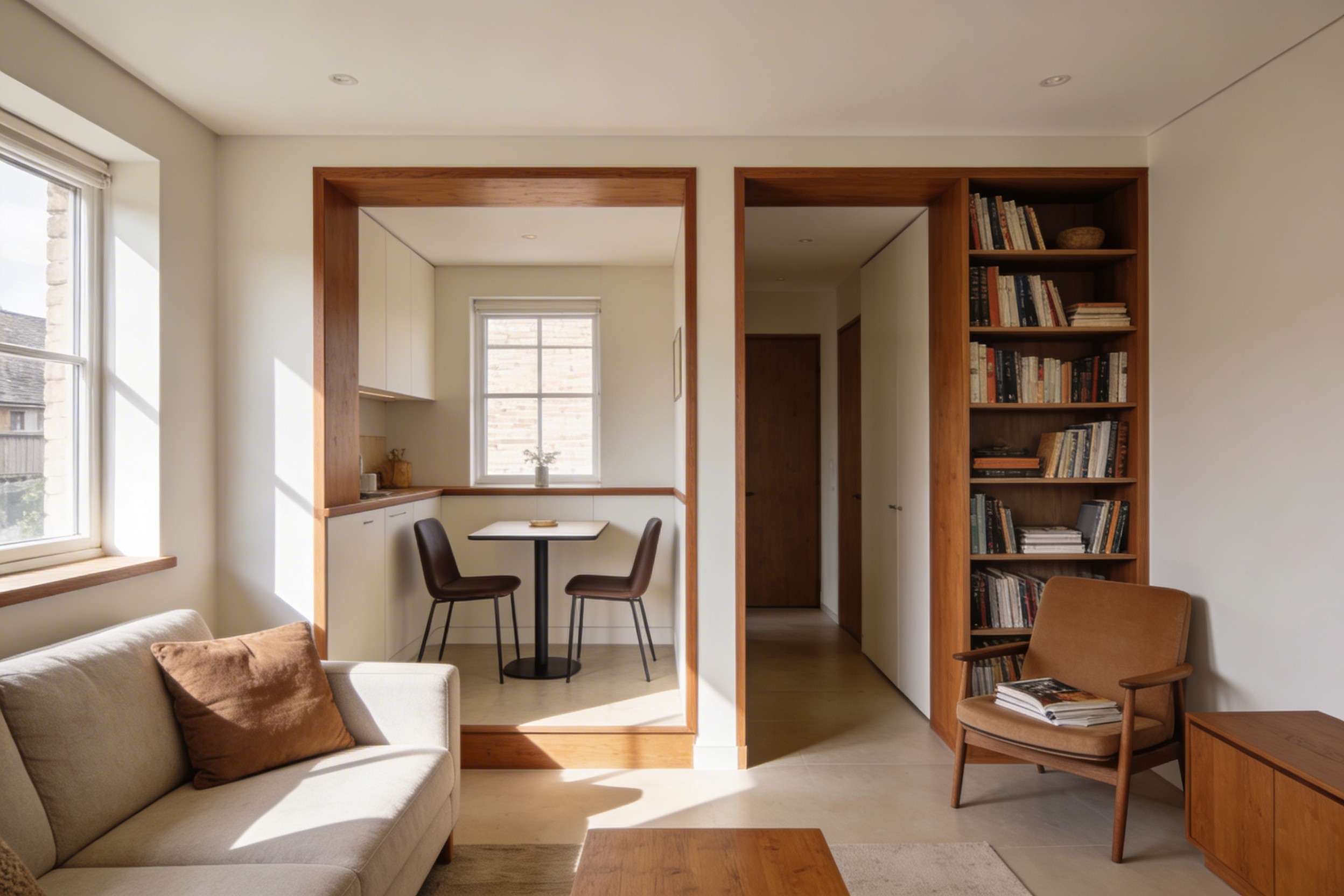
An eye-opening tour through the size of UK homes, with surprising numbers and relatable takeaways. You’ll see what fits in, what doesn’t, and why the UK’s floor space feels oddly competitive. Let’s dive into the data and have a laugh at the quirks of our living spaces.
What “average house size” actually means in the UK
Most people have a gut feeling about how big a typical UK house should be, but the stats tell a different story. The average floor area varies by region, era, and whether you’re counting new builds or older terraces. FYI, average isn’t destiny—it’s a snapshot that hides a lot of variety.
- National averages hover around the 76–90 square meters range for many household types.
- Detached homes usually stretch beyond 120 square meters, while tiny flats cluster closer to 30–50 square meters.
- Urban areas tend to be smaller on average, while rural places boast larger spaces.
Where UK comfort levels land on the map
Geography plays a huge role in home size. The farther north you go or the more densely populated the city, the smaller the living spaces tend to be. It’s not just about budget—it’s about land availability and planning norms.
- England’s regional differences can push averages up or down by several square meters.
- Scotland and Wales often show similar trends, with bigger houses in rural zones and smaller flats in cities.
- Renters vs. owners show different size patterns, with ownership sometimes correlating to larger homes.
The economic thread: price, space, and what you get for your money
Money talks in the home market, and space follows the same script. When prices rise, people often trade size for location or features like a second bathroom or a garden.
- Price per square meter has climbed in many regions, yet more space remains a luxury in high-demand areas.
- New builds sometimes offer clever use of space—like open-plan living and built-ins—that feel bigger than square footage suggests.
- Older properties can be larger but require more maintenance, which changes the perceived value of space.
Rooms that steal the show (and sometimes the square meters)
Certain rooms drive the feel of a home more than others. A kitchen-diner or a living room with a generous footprint can make a place feel spacious, even if the total square meters aren’t gigantic.
- Open-plan layouts are trending, delivering a sense of flow and space without adding wall area.
- Storage matters: clever wardrobes and built-ins can make a smaller home feel bigger.
- Outdoor space, even a small balcony or yard, adds perceived size and livability.
Subsection: The tiny flat paradox
Tiny flats bite hard on price but can feel surprisingly cozy. Smart design, multi-functional furniture, and natural light compensate for limited meters.
- Well-lit spaces often feel larger than their actual size.
- Every square meter counts more in a compact home—think folds, dual-purpose furniture, and mirror tricks.
Age of property and its effect on space
The era a house was built often signals how spacious it is. Victorian terraces come with charming quirks but can feel compact by today’s standards, while postwar bungalows sometimes spread out more. Modern builds balance footprint with energy efficiency.
- Victorian homes sometimes max out at around 70–100 square meters on typical plots.
- Inter-war and postwar homes often have more laid-out living areas but contemplate smaller kitchen spaces.
- New builds aim for optimized space with higher energy efficiency, which sometimes reduces raw square footage but improves livability.
How families shape the numbers
Family size and lifestyle heavily influence what “sufficient space” means. A couple might live comfortably in a compact two-bedroom, while a growing family pushes demand for extra bedrooms and a bigger kitchen.
- Two-bedroom homes are common for single professionals and couples, often around 60–75 square meters.
- Three-bedroom homes swing widely—from 75 to 110 square meters—depending on the layout and region.
- Gardens and outdoor space increasingly factor into the appeal of family homes.
Subsection: Renting vs. owning and its impact on space
Renters often face tighter space trade-offs than homeowners, especially in cities where rental stock is limited. Ownership tends to correlate with larger average floor areas, but not always.
- Rent-controlled or high-demand city centers often push renters into smaller units.
- Homeowners may invest in extensions, converting garages, or attic conversions to gain space.
What the data says about energy and space
Space isn’t just about luxury—it ties into energy efficiency. Bigger isn’t always better if heating costs skyrocket. Some of the most energy-efficient homes feel spacious because they’re well insulated and cleverly designed.
- Insulation, triple glazing, and airtight designs can make a modest space feel more comfortable all year round.
- Energy performance certificates (EPCs) often correlate with design choices that influence how we use space (more storage, better flow, fewer wasted corridors).
When the UK space debate meets planning policy
Planning norms shape what kind of houses get built and where. Restrictions on density, setbacks, and green space preservation affect the size and layout of new homes.
- Higher-density developments in cities can squeeze more units into a site but reduce individual unit size.
- Green belt policies and conservation areas can push expansion into lofts and basements, changing how we perceive “space.”
Subsection: Basements and attics—stealing space or adding value?
Attics and basements can turn awkward layouts into generous square footage, but they come with trade-offs like cost and moisture risk.
- Converting a loft often adds a usable bedroom or office without expanding the footprint.
- Basements require proper drainage and damp proofing, but they can be precious extra living space.
FAQ
How big is an average UK house today?
The answer isn’t one number because it varies by region and type. On balance, many family homes hover around 75–110 square meters, with detached houses nudging higher and apartments shorter. The real insight is the range and what people value in a layout, not a single stat to pin on a fridge.
Are newer homes bigger than older ones?
Not always. New builds often maximize energy efficiency and smart layouts, which can make spaces feel bigger even if raw meters are similar. Some older homes offer generous room sizes but require more upkeep.
Does city living mean smaller spaces?
Generally yes, especially in central urban areas where land is precious. You’ll often see smaller flats and compact layouts, but high-end city units compensate with clever space use and premium finishes.
What impacts perceived space besides actual square meters?
Good light, flow, storage, and outdoor access dramatically affect how big a space feels. A sunlit living area with built-ins can feel larger than a dim, empty room of the same size.
Is space more affordable outside big cities?
Usually, yes. Outside urban centers you’ll typically get more square meters for your money, plus gardens and quieter streets. The trade-off is shorter commutes or different job opportunities.
Conclusion
UK homes come in a wide spectrum—from postage-stamp flats to roomy family houses. Size matters, but the real magic lies in layout, light, and how you use every centimeter. If the data teaches us anything, it’s that space isn’t just about meters; it’s about making a home that fits your life. So next time you’re house-hunting, ask not just “how big?” but “how will this shape my daily routine?” IMO, that question pays off in comfort, not just square footage.