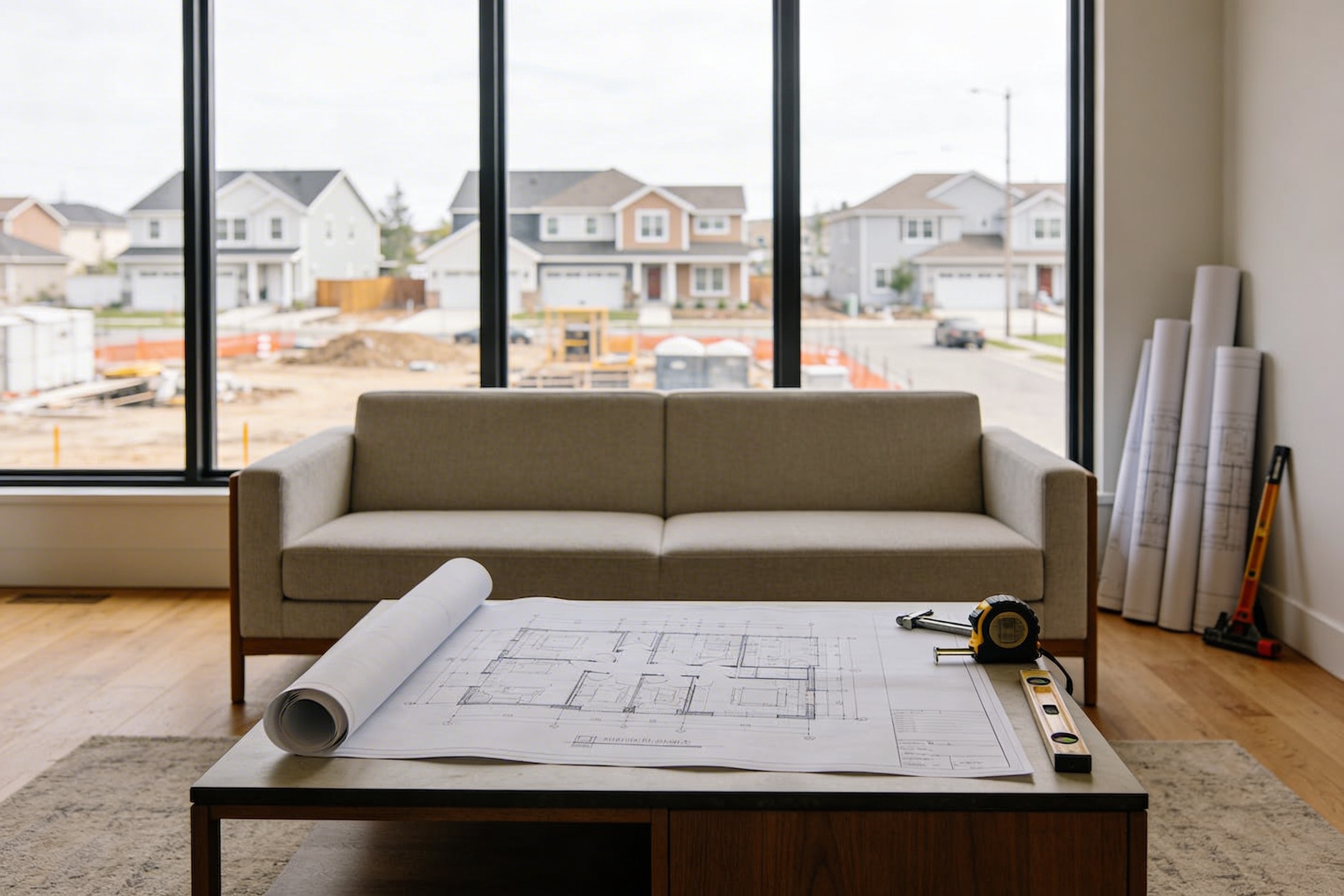
Let’s dive into the numbers behind UK homebuilding. From prices to planning delays, the data paints a vivid picture of how homes get built (or not) in 2026. Spoiler: the stats are pretty eye-opening—and a tad dramatic.
1) The UK Housing Shortage: Size, Scope, and Pressure
Britain still hasn’t caught up with demand for homes. The latest data shows a persistent backlog of housing supply, keeping prices buoyant in many regions. FYI, this isn’t just about bricks and mortar—it’s about lifelines for families and the spaces they call home.
2) New Builds vs. Market Demand: What the Curve Looks Like
New-build starts have fluctuated as developers balance costs, planning rules, and demand. In some regions, demand outpaces supply, while others see more cautious activity. The takeaway? Builders are navigating a moving target, and buyers feel it at the register.
3) Labor, Costs, and Timelines: The Real Home-Building Math
Labor shortages, materials costs, and supply chain hiccups push timelines and budgets. Contractors report that even small delays can cascade into weeks of added cost. So yes, project management matters as much as the blueprint.
4) Planning Permissions: Red Tape or Roadmap?
Planning permissions remain a hot topic. Delays here ripple through to completion dates and affordability. Councils balance infrastructure needs with housing targets, and applicants often face a labyrinth of hoops to jump through.
4.1 Subsection: Planning Delays by Region
Some areas see quicker decisions, while others endure months of waiting. Regional variation means your dream project might ride a different rollercoaster depending on postcode.
5) House Sizes and Space Trends: What Are People Actually Building?
People continue to chase bigger spaces, but clever design trends push for smarter layouts. Open-plan living remains popular, but energy efficiency and monthly bills steer some decisions toward compact but efficient homes.
5.1 Subsection: The Rise of Mini-Units in Urban Areas
In dense cities, developers lean into compact living with clever storage and flexible rooms. The idea: make every square foot count without sacrificing comfort.
6) Energy Efficiency: The Green Heat Is On
Energy performance standards shape new builds, with tighter regs nudging builders toward better insulation, heat pumps, and smart controls. Homeowners often save in the long run, even if upfront costs rise.
7) Construction Financing: Where Banks Stand
Lenders have opinions on risk, appetite, and policy changes. Borrowing costs influence demand for new build mortgages and the pace at which buyers lock in deals.
8) Regional Variation: North, South, and Everything In Between
Housing markets aren’t one-size-fits-all. The north might offer more affordable plots but tougher competition for skilled labor, while the south can be pricey but quicker to move projects through planning.
8.1 Subsection: Cities That Shaped the Stats
London, Manchester, Birmingham, and Edinburgh each show distinct patterns in supply, demand, and pricing. The story changes with local policy and population trends.
9) Housing Price Dynamics and New Builds
New builds often command a price premium, but discounts and incentives creep in to attract buyers. The price difference between new and existing stock remains a topic of lively debate among buyers and agents alike.
10) Financing Tools: Help for First-Timers
First-time buyers benefit from shared ownership, government schemes, and lender programs designed to reduce upfront costs. Do your homework—these options can shave thousands off the initial outlay.
10.1 Subsection: Help to Buy Replacements and Alternatives
As programs evolve, buyers explore shared equity and rental concessions. FYI, diligence pays: compare long-term costs, not just upfront grants.
11) Construction Delays: How Often Do They Happen?
Delays crop up for weather, supply gaps, or permit mysteries. Builders who build buffer into timelines save wallets and nerves in the long run.
12) Material Costs: What’s Driving the Bills Up?
Timber, steel, concrete—materials swing with global demand and exchange rates. When costs rise, so do quotes, and sometimes so do buyer expectations.
13) Sustainability and Certification: What Buyers Care About
Energy ratings, certifications, and green features increasingly sway decisions. Buyers want not just a home, but a future-proof one that won’t devour cash on bills.
14) The Role of Builders and Small Firms
Small and medium builders keep the market alive, injecting agility and local knowledge. They also feel the squeeze of admin and cash flow, which means relationships and reliability matter more than ever.
14.1 Subsection: The Pros and Cons of Small Builders
Pros: personalized service, faster decisions, local pride. Cons: limited capacity, higher risk if a single project stalls. Choose partners with track records and solid warranties.
15) Consumer Confidence: Are Buyers Buying or Watching Prices?
Confidence ebbs and flows with political signals, mortgage rates, and budget forecasts. If buyers feel steady, demand tends to follow suit—until the next surprise spike hits.
16) Energy Bills and Operating Costs: The Hidden Post-Decision Price
People compute not just purchase price but ongoing costs. Heating, insulation, and smart controls can dramatically change monthly spend. Spoiler: a green build often pays back over time.
17) The Buyer’s Market vs. Builder’s Market
Sometimes buyers hold the cards; sometimes developers. The balance shifts with policy changes, interest rates, and project timelines. It’s a high-stakes dance, and everyone wants the last word on price.
18) Supply Chain Shocks: A Quick Primer
Global events ripple through local builds. Delays in shipments, price spikes, and labor shortages collide to shape the UK’s build calendar. FYI, contingency plans become your new best friend.
19) Technology in Construction: The Digital Toolbox
BIM, drones, and modular off-site construction speed things up and reduce waste. Tech isn’t just flashy—it saves time and money when deployed well.
20) Homeowner Experience: What People Wish They Knew
From snagging lists to warranty coverage, buyer experiences vary. Clear communication with builders and a thorough snagging checklist make a big difference.
20.1 Subsection: Common Snag Lists and How to Avoid Them
Water leaks, unfinished plaster, misaligned doors. Triple-check before sign-off and demand transparent defect timelines from your contractor.
21) The Rental Market and Its Impact on Purchases
A strong rental sector can influence where people gravitate for homeownership. Rent-to-buy schemes and affordability gaps push some buyers toward new builds as long-term investments.
22) Regional Infrastructure: Beyond the Front Door
Transport links, schools, and utilities shape where developers choose to build. Great pipeline projects can unlock big real estate boosts in surrounding areas.
22.1 Subsection: The Infrastructure Dividend
Communities benefit when new homes come with improved roads, schools, and clinics. For buyers, it often translates to higher resale value and nicer neighborhoods.
23) The Aftercare Scene: Warranties and Defects
A solid warranty eases nerves after move-in. Builders with robust aftercare foster trust and repeat business from happy homeowners.
24) International Investment and UK Builds
Foreign investors have touched the market in certain pockets. The impact varies by city and type of project, but it’s a reminder that Brexit-era policies still ripple through financing and demand.
25) Climate-Proofing: Resilience as a Feature
Homes designed to cope with floods, damp, and heat waves aren’t optional—they’re prudent. Climate resilience is shaping planning decisions and builder practices alike.
26) Home Office Trends in New Builds
Remote work continues to influence layouts. The demand for dedicated office spaces, acoustic zoning, and data infrastructure is louder than ever.
26.1 Subsection: The Return of Flexible Rooms
Rooms that morph from office to guest room or gym gain popularity. Flexibility adds value in a shrinking or expanding family tree.
27) Financing Timelines: Locks, Rates, and When to Act
Mortgage products come and go, with fixed-rate windows and product transfer rules. Smart timing saves thousands over the life of a loan.
27.1 Subsection: Rate Shock Scenarios to Prepare For
Forecasts warn about potential rate moves. If you’re buying soon, lock in when the math makes sense and avoid being blindsided by policy swings.
28) Construction Delays: A Quick Playbook for Buyers
Plan with buffer, choose reputable builders, and set clear milestones. A proactive approach avoids frustration when the project hits bumpy patches.
29) The Social Side: Local Labour Markets and Skills
Training programs and apprenticeships help ease labor gaps. Communities that invest in skills see longer-term benefits in project speed and quality.
30) What This All Means for You
The UK home-building landscape is a living map of costs, policies, and dreams. If you’re buying or building, expect a few twists, but also plenty of opportunities to tailor a home that fits your life.
FAQ
Q1: What is the biggest driver behind UK new-build costs?
The biggest driver is materials and labor costs, compounded by planning and regulatory fees. When you add energy efficiency upgrades, the total can push higher, but those investments often pay off over time through lower bills and resilience.
Q2: Are new builds more energy-efficient than older homes?
Generally yes. New builds usually meet stricter standards, have better insulation, and smarter heating systems. The upfront cost may be higher, but long-term running costs tend to be lower.
Q3: How long do UK home-building projects typically take?
Timeline varies by size and complexity, but many projects stretch from 12 to 24 months from ground-breaking to completion. Delays from weather, permits, or supply chains can add weeks or months.
Q4: What should first-time buyers look for in a new-build development?
Priorities include reputable builders, warranties, energy efficiency ratings, and clear snagging processes. Also check local infrastructure plans and potential resale value in the area.
Q5: Do planners and councils hold up many builds?
Yes, planning can be a bottleneck. Regional differences exist, with some areas offering quicker decisions. If you’re applying, build a realistic timeline that accounts for potential delays.
Q6: Is modular or off-site construction gaining traction?
Absolutely. Modular builds can speed up timelines and reduce waste, though they require careful coordination with suppliers and on-site teams. IMO, it’s a trend worth watching for future efficiency gains.
Conclusion
The stats tell a story of complexity, opportunity, and constant change in UK home building. Yes, the numbers can feel intimidating, but they also reveal where smart buyers and builders can win: plan ahead, prioritize energy efficiency, and partner with trustworthy firms. If you’re venturing into a project, use these insights to map a plan that fits your budget, timeline, and dream home.