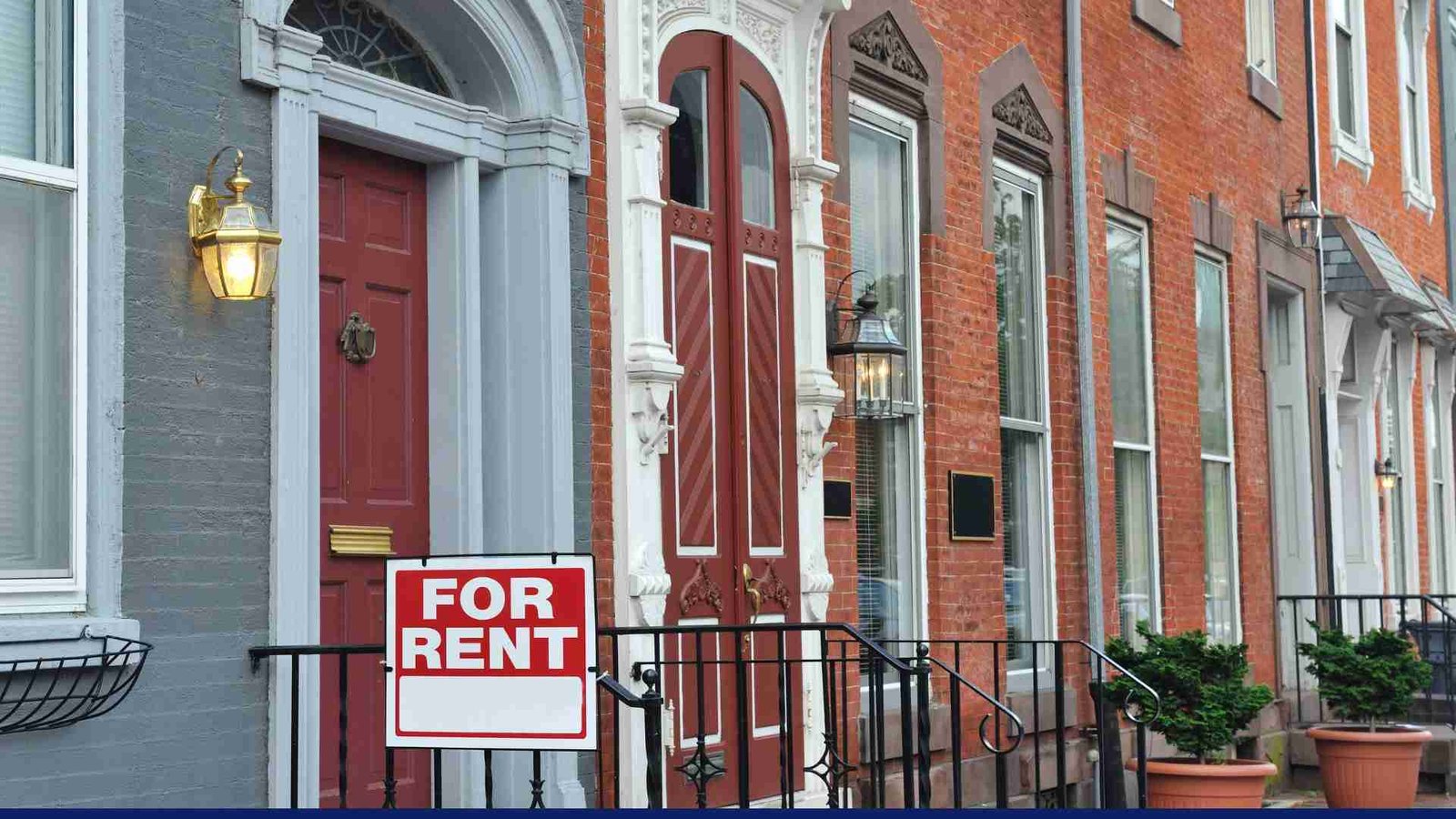
Renting your house to the council can be an excellent way to secure a steady income while contributing to your local community.
However, one of the most common questions homeowners have is, “How much will the council pay to rent my house?”
This article will provide you with a comprehensive guide to understanding council house rent payments.
What is Council Housing?
Council housing, also known as social housing, is provided by local councils to residents who are in need of affordable housing.

These properties are often rented out to families, elderly individuals, or people with disabilities. By renting your house to the council, you are helping to meet the demand for affordable housing in your community.
Why Rent Your House to the Council?
Guaranteed Rental Income
One of the biggest advantages of renting your house to the council is the guaranteed rental income. Unlike private tenants, the council is a reliable payer, ensuring you receive your rent on time every month.
Reduced Risk of Unpaid Rent
When you rent to private tenants, there’s always a risk they might fall behind on rent. Renting to the council minimizes this risk because the council is responsible for paying you, not the tenants.
Maintenance and Repairs
In many cases, the council will take on the responsibility for maintenance and repairs, reducing the hassle for you as a landlord. This can save you both time and money in the long run.
How Much Will the Council Pay?
Factors That Influence Payment
The amount the council will pay to rent your house varies based on several factors:
- Location: Properties in high-demand areas generally attract higher rents.
- Size and Type of Property: Larger homes or those with additional amenities may command higher rents.
- Condition: Well-maintained properties are likely to fetch better rental rates.
Average Payment Rates
While rates can vary widely, here’s a general idea of what you might expect:
- 1-Bedroom Apartment: £500-£700 per month
- 2-Bedroom House: £700-£900 per month
- 3-Bedroom House: £900-£1,200 per month
- 4-Bedroom House: £1,200-£1,500 per month
These figures are approximate and can vary based on the factors mentioned earlier.
How to Rent Your House to the Council

Initial Steps
- Contact Your Local Council: Reach out to your local council’s housing department to express your interest in renting your property to them.
- Property Inspection: The council will likely conduct an inspection to ensure your property meets their standards.
- Sign an Agreement: If your property is approved, you’ll sign a rental agreement outlining the terms and conditions.
Legal Requirements
Before renting your house to the council, make sure you comply with all legal requirements:
- Landlord Registration: In some areas, landlords must register with the local council.
- Safety Certificates: Ensure you have up-to-date gas and electrical safety certificates.
- Energy Performance Certificate (EPC): You must provide an EPC, which rates the energy efficiency of your property.
Rent Payment Process
The council will generally pay rent directly into your bank account. Payments are usually made monthly, but the exact schedule will be outlined in your rental agreement.
Benefits of Council Rent Payment
Stability
Renting to the council provides financial stability. You won’t have to worry about finding new tenants every few years, as council tenancies tend to be long-term.
Helping the Community
By renting your house to the council, you’re providing much-needed housing to those who need it most. This can be a rewarding experience, knowing you’re making a difference in your community.
Tax Benefits
There may be tax benefits associated with renting to the council. It’s advisable to consult a tax advisor to understand how this could affect your financial situation.
Potential Drawbacks
While there are many benefits, there are also some potential drawbacks to consider:
Lower Rental Rates
In some cases, the council may offer lower rental rates compared to the private market. However, the guaranteed income and reduced hassle often offset this difference.
Property Wear and Tear
Although the council often takes responsibility for maintenance, the tenants themselves may not always take the best care of the property. Be prepared for potential wear and tear.
Limited Control
Once you rent your house to the council, you may have limited control over who lives in your property. The council will allocate tenants based on their criteria, not yours.
Tips for Maximizing Your Rental Income
Keep Your Property Well-Maintained
A well-maintained property is more likely to attract higher rents. Regularly inspect and update your property to ensure it remains in good condition.
Location Matters
If you have flexibility in choosing which property to rent to the council, consider the location. Properties in high-demand areas are likely to command higher rents.
Negotiate Terms
Don’t be afraid to negotiate the terms of your rental agreement with the council. You may be able to secure better rates or more favorable conditions.
Conclusion
Renting your house to the council can be a lucrative and low-risk option for homeowners.
While the exact amount you’ll receive can vary, the benefits of guaranteed income, reduced hassle, and community contribution make it an attractive option.
By understanding the factors that influence council rent payments and following the steps outlined in this article, you can make an informed decision about whether this is the right choice for you.
If you have any questions or need further information, don’t hesitate to contact your local council’s housing department.
They can provide you with specific details and help you get started on the path to renting your house to the council.