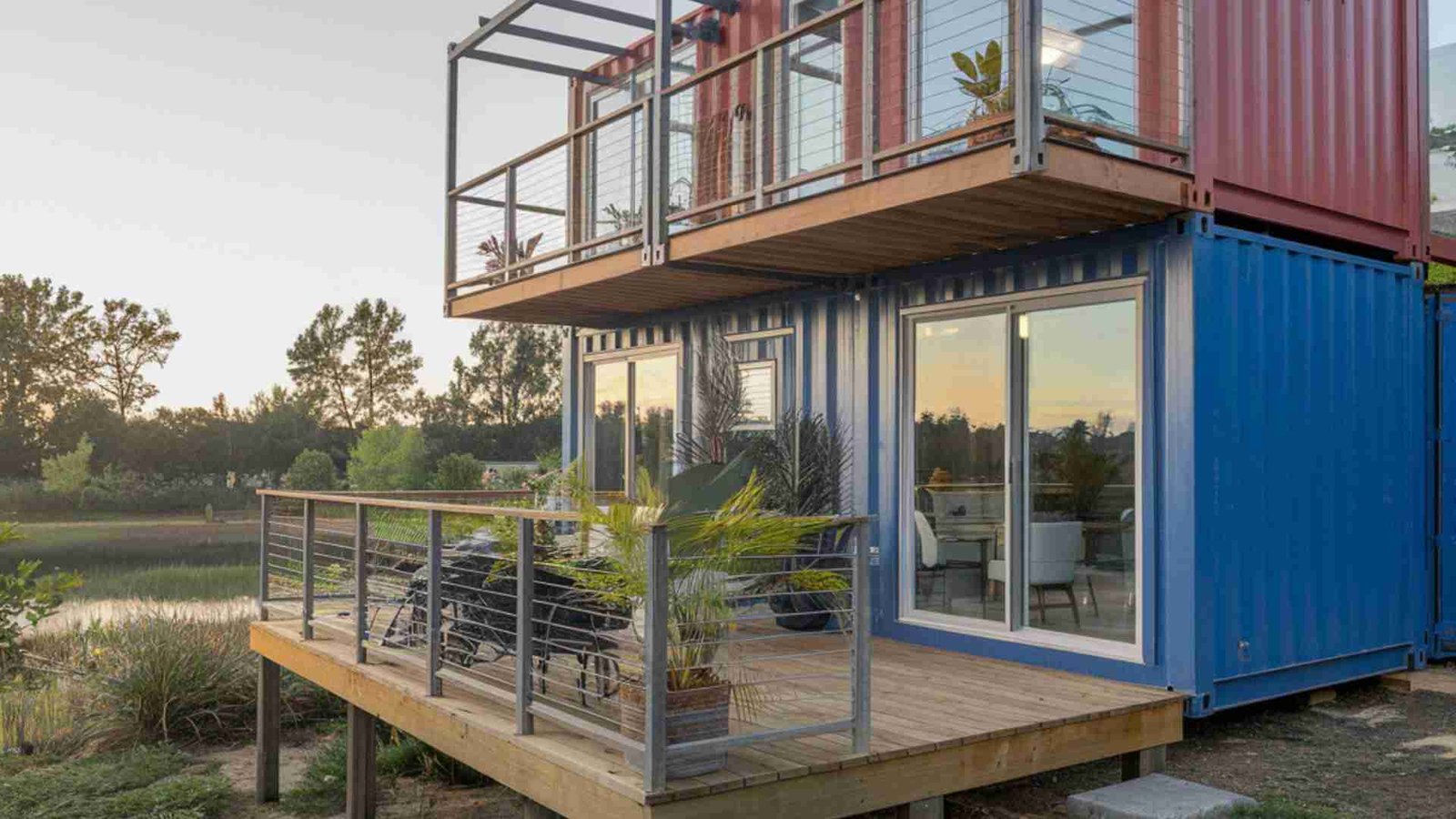
Shipping container homes are residential structures made from steel shipping containers, typically used for transporting goods.
These containers are repurposed to create comfortable and stylish living spaces. The concept of container home designs has evolved over the years, incorporating various architectural styles and innovative layouts.
What began as a niche idea has now become a global movement, inspiring architects and designers to rethink how we utilize space and materials.
Shipping containers offer an innovative foundation for residential design, combining industrial strength with modern living needs.

As the world becomes more environmentally conscious, the appeal of shipping container homes continues to rise. These homes provide a blank canvas for creativity, allowing individuals to express their personal style while making a positive impact on the environment.
The adaptability of shipping containers makes them ideal for urban areas where space is limited and for rural settings where homeowners seek a closer connection to nature.
This versatility, combined with the trend towards eco-friendly living, positions shipping container homes as a forward-thinking housing solution.
Benefits of Container House Plans
- Cost-Effectiveness: Shipping containers are relatively inexpensive compared to traditional building materials. This cost advantage makes container homes an attractive option for budget-conscious individuals. Additionally, the use of pre-existing materials reduces the need for new resources, further lowering construction expenses. The potential savings on labor costs, due to the modular nature of containers, also make them a financially viable option for many.
- Durability: Constructed from steel, shipping containers are designed to withstand harsh conditions at sea. This durability translates into a robust structure that can endure various weather conditions on land. Their resistance to harsh environments makes them ideal for regions prone to extreme weather, providing peace of mind to homeowners. Moreover, the inherent strength of steel ensures that these homes require less maintenance over time, adding to their long-term value.
- Sustainability: By repurposing used containers, you’re contributing to recycling efforts and reducing waste. Container homes have a smaller carbon footprint compared to traditional homes. This recycling process aligns with global sustainability goals, promoting a circular economy. Furthermore, the opportunity to incorporate renewable energy systems and sustainable materials within these homes enhances their eco-friendly credentials.
- Flexibility: Container home designs offer flexibility in terms of layout and customization. You can stack, arrange, and modify containers to create unique living spaces tailored to your needs. This adaptability allows homeowners to easily expand or modify their homes as their needs change, providing long-term living solutions. The modular nature of containers also facilitates creative architectural designs, enabling innovative uses of space and materials.
Essential Elements of Shipping Container Home Plans
When planning a shipping container home, several key elements need to be considered. From the number of containers to the design style, here’s what you should keep in mind.
These considerations will not only influence the functionality and aesthetics of your home but also its overall cost and environmental impact.

Thorough planning ensures that your container home meets your lifestyle needs while adhering to local building codes and regulations.
Number of Containers
The number of containers required depends on the size and layout of your desired home. A single container can serve as a small studio or office, while multiple containers can be combined to create larger living spaces. Common configurations include:

- Single-Container Homes: Ideal for tiny houses or small cabins. These homes maximize efficiency and often incorporate multi-functional furniture to optimize space. They are perfect for individuals or couples seeking a minimalist lifestyle.
- Two-Container Homes: Suitable for small families or couples. This configuration allows for distinct living and sleeping areas, providing a balance between privacy and communal space. It also offers greater flexibility in design, accommodating additional features such as a small kitchen or bathroom.
- Multi-Container Homes: Perfect for larger families or those seeking more space. This setup can mimic the layout of traditional homes, complete with multiple bedrooms, bathrooms, and living areas. Multi-container homes are particularly attractive for those desiring a custom-built environment tailored to their specific needs.
Design Style
Shipping container home plans designs vary widely, from minimalist and modern to rustic and industrial.
Consider your personal aesthetic preferences and the surrounding environment when choosing a design style. Popular design styles include:

- Modern: Clean lines, open spaces, and minimalist decor. This style emphasizes simplicity and functionality, often incorporating sleek materials and a neutral color palette. It is ideal for those who appreciate contemporary aesthetics.
- Rustic: Incorporating natural materials and earthy tones. This design style brings warmth and coziness, often featuring wood accents and nature-inspired decor. It is perfect for those who want a home that feels grounded and connected to the environment.
- Industrial: Exposed steel, concrete floors, and utilitarian features. This aesthetic embraces the raw beauty of containers, highlighting their industrial origins. It appeals to those who appreciate a bold, urban look with a focus on raw materials and structural elements.
Floor Plan and Layout

A well-thought-out floor plan is crucial for maximizing space and functionality. When creating your container house plans, consider:
- Open-Concept Layouts: Open spaces create a sense of spaciousness and flow. They enhance social interaction and make small spaces feel larger, which is beneficial in container homes. This layout is particularly effective in single or two-container configurations.
- Efficient Use of Space: Utilize vertical space and multi-functional furniture. Built-in storage solutions and convertible furnishings can significantly enhance the functionality of compact areas. This approach is essential for maximizing the livability of container homes.
- Natural Light: Incorporate large windows and glass doors to enhance natural lighting. This not only reduces the need for artificial lighting but also creates a connection with the outdoors. Properly placed windows can also improve ventilation, contributing to a healthier living environment.
Creating Shipping Container Home Plans & Drawings
Creating detailed plans and drawings is essential for a successful container home project. These plans serve as a blueprint for construction and help communicate your vision to builders and architects.
Accurate drawings ensure that all aspects of the design are considered, reducing the likelihood of costly mistakes or delays during construction.
Additionally, they provide a clear framework for obtaining necessary permits and approvals from local authorities.
Steps to Create Container Home Plans
- Research and Inspiration: Start by researching existing container home designs and gathering inspiration. Look for examples that resonate with your style and functional needs. Explore online resources, architectural magazines, and social media platforms to gather ideas and insights.
- Sketch Your Ideas: Begin sketching your ideas on paper or using design software. Consider the layout, number of containers, and any additional features you’d like to include. This stage is crucial for visualizing your concept and identifying potential challenges or opportunities.
- Consult with Professionals: Engage with architects or designers experienced in container home projects. They can provide valuable insights and help refine your plans. Their expertise will ensure that your design is both aesthetically pleasing and structurally sound.
- Develop Detailed Drawings: Work with professionals to create detailed architectural drawings. These drawings should include floor plans, elevations, and structural details. Comprehensive plans will also address plumbing, electrical, and mechanical systems to ensure seamless integration.
- Obtain Necessary Permits: Before construction begins, ensure you have the necessary permits and approvals from local authorities. Regulations may vary depending on your location. Familiarize yourself with zoning laws and building codes to avoid potential legal issues.
Tips for Successful Container Home Projects

Building a shipping container home can be a rewarding experience, but it’s important to be well-prepared. Here are some tips to ensure a smooth process:
- Budget Wisely: Set a realistic budget that accounts for all costs, including containers, construction, and interior finishes. Factor in potential unexpected expenses to avoid financial strain. A detailed budget plan helps keep the project on track and prevents overspending.
- Choose the Right Containers: Inspect containers for structural integrity and avoid those with excessive rust or damage. Consider purchasing one-trip containers, which have only been used once and are in better condition. The quality of containers is fundamental to the longevity and safety of your home.
- Plan for Insulation: Proper insulation is essential for temperature control and comfort. Explore various insulation options suitable for your climate. Effective insulation not only enhances comfort but also improves energy efficiency, reducing utility costs over time.
- Focus on Ventilation: Ensure adequate ventilation to prevent moisture buildup and maintain indoor air quality. Consider installing vents and fans to facilitate air circulation. Proper ventilation is crucial in preventing mold and ensuring a healthy living environment.
- Consider Future Expansion: Design your home with potential future expansions in mind. It’s easier to add containers later if your needs change. Planning for expansion allows for flexibility, accommodating lifestyle changes such as a growing family or the need for additional workspaces.
Conclusion
Shipping container homes plans offer an exciting and sustainable alternative to traditional housing.
By carefully planning and designing your container home, you can create a unique living space that reflects your style and meets your needs.
Whether you’re looking for a cozy single-container retreat or a spacious multi-container family home, the possibilities are endless.
Embrace the creativity and innovation that container home designs bring, and take the first step toward your dream home.
For more alternative home building ideas, read our article ‘How to Build a Tiny House in The UK‘
As you embark on this journey, remember that the beauty of container homes lies in their adaptability and potential for personalization, allowing you to create a space that truly feels like home.