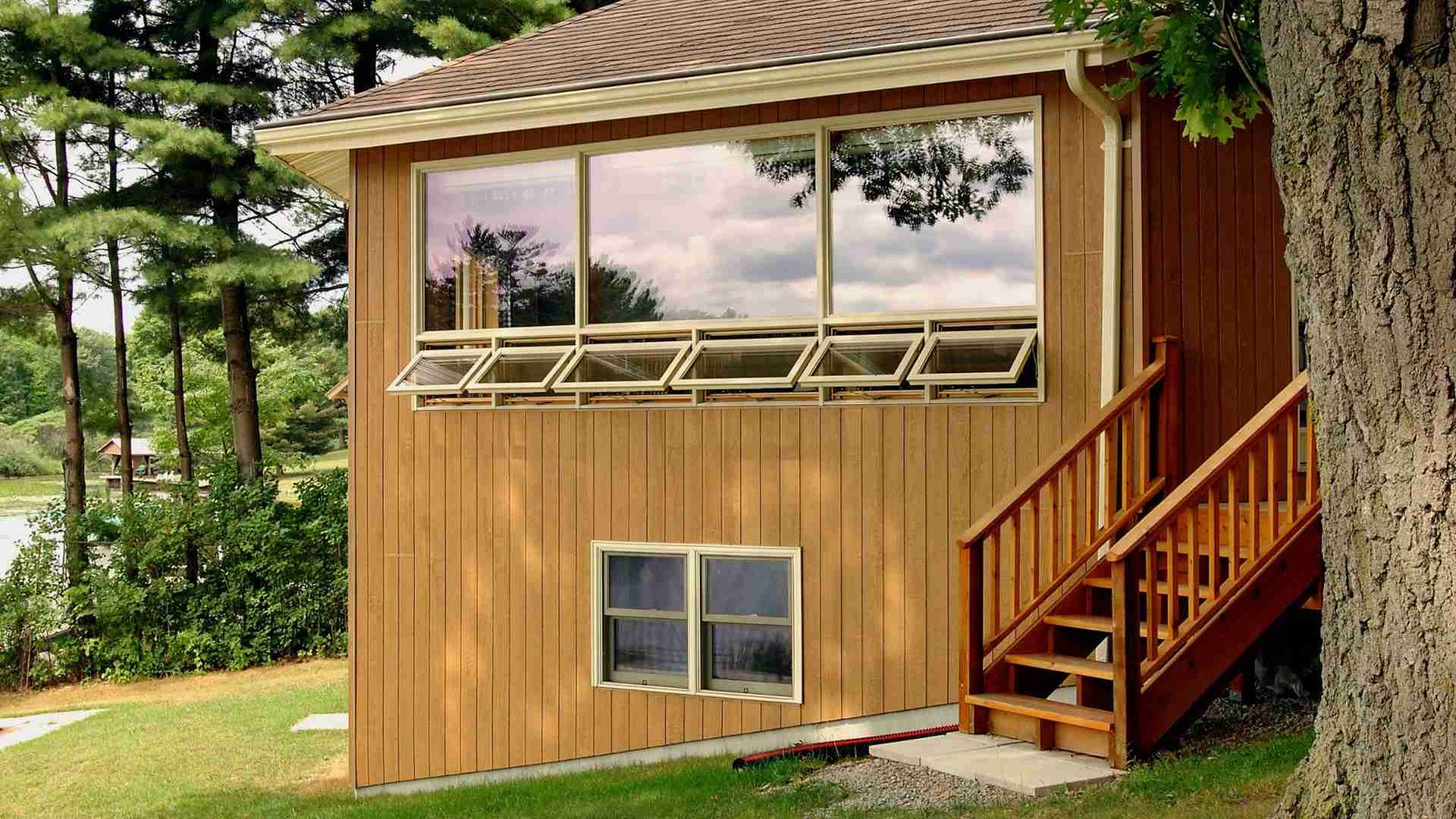
Off-grid living is an increasingly popular lifestyle choice for those seeking independence, sustainability, and a closer connection to nature.
Defined as living independently of public utilities like electricity, water, and sewage systems, it represents a self-reliant approach to modern living.
From growing your own food to harnessing solar energy, off-grid living offers a pathway to a sustainable and eco-friendly lifestyle.
This comprehensive guide will explore the key aspects of off-grid living, focusing on energy independence, food production, and the benefits and challenges that come with this lifestyle.
Understanding Off-Grid Living
What Is Off-Grid Living?
At its core, off-grid living means detaching from the infrastructure of public utility grids. This lifestyle involves creating self-sufficient systems for electricity, water, waste management, and food production.

While some adopt a partially off-grid lifestyle (e.g., supplementing traditional energy sources with solar power), others embrace full independence, cutting ties with all external utilities.
Why Do People Choose Off-Grid Living?
- Environmental Benefits: Reducing reliance on fossil fuels and minimizing one’s carbon footprint.
- Financial Freedom: Eliminating recurring utility bills and achieving long-term savings.
- Resilience and Freedom: Building systems that are less vulnerable to external disruptions like power outages or rising utility costs.
- Personal Fulfillment: Many find joy in cultivating self-sufficiency and reconnecting with nature.
Essential Components of Off-Grid Living
Energy Independence
Energy independence is the cornerstone of off-grid living, with renewable energy sources like solar, wind, and hydropower playing a pivotal role.
- Solar Energy Systems:
Solar panels are the most accessible option for off-grid energy needs. They convert sunlight into electricity, stored in batteries for use when needed. Solar inverters transform this energy into a usable form for household appliances.- Benefits: Solar power is abundant, scalable, and requires minimal maintenance.
- Applications: Lighting, heating, refrigeration, and powering essential electronics.
Water Independence
Living off-grid requires creating reliable water systems.

- Water Sources: Options include wells, rainwater harvesting, natural springs, or nearby water bodies.
- Water Storage and Purification: Rainwater can be collected in cisterns and purified using filters or UV treatment. Proper storage in tanks ensures a consistent supply.
Waste Management
Proper waste management is vital for an off-grid lifestyle.
- Composting Toilets: These turn human waste into usable compost, reducing reliance on sewage systems.
- Greywater Recycling: Reusing water from sinks and showers for irrigation purposes.
- Solid Waste Solutions: Minimizing waste through recycling and biodegradable options.
Food Production
Food self-sufficiency is another essential aspect of off-grid living. Growing your own food not only reduces grocery bills but also ensures access to fresh, organic produce.
- Gardening and Permaculture: Using organic farming techniques to grow fruits, vegetables, and herbs.
- Livestock and Poultry: Raising chickens for eggs or goats for milk.
- Greenhouses: Extending the growing season and protecting crops from harsh weather.
Solar Energy in Off-Grid Living
Why Solar Energy?

Solar power is a cornerstone of off-grid energy systems due to its reliability, affordability, and eco-friendliness. With advances in solar panel technology and battery storage, it’s easier than ever to power an off-grid home.
Designing a Solar System for Off-Grid Use
- Assess your energy needs by listing essential appliances and estimating their daily consumption.
- Choose appropriately sized solar panels and battery banks to store energy for nighttime use or cloudy days.
- Backup options like generators or wind turbines ensure consistent power during prolonged low-sun periods.
Maximizing Solar Efficiency
- Install panels in areas with maximum sun exposure.
- Regularly clean and maintain panels to optimize performance.
Solar energy not only powers your home but can also support other off-grid systems, such as water pumps or irrigation tools, making it indispensable.
Growing Food Off-Grid
Why Food Self-Sufficiency Matters

Food independence reduces reliance on external systems, ensuring a steady supply of nutritious, chemical-free food. It’s also a rewarding process that connects people to nature.
Setting Up an Off-Grid Garden
- Location: Choose a sunny spot with fertile soil and access to water.
- Organic Practices: Use natural compost and avoid synthetic pesticides or fertilizers.
- Companion Planting: Growing certain plants together to deter pests and improve yields.
Advanced Techniques
- Permaculture: Designing self-sustaining ecosystems that mimic natural processes.
- Hydroponics/Aquaponics: Growing plants without soil, often in small indoor setups.
- Season Extension: Greenhouses and cold frames protect crops and enable year-round production.
Challenges of Growing Food Off-Grid
- Pests, weather extremes, and seasonal changes can affect yields.
- Soil health requires regular maintenance through composting and crop rotation.
Benefits of Off-Grid Living
Environmental Benefits
- Significant reduction in resource consumption.
- Lower greenhouse gas emissions compared to grid-dependent households.
Financial Advantages
- Initial setup costs can be high, but long-term savings outweigh this through the elimination of utility bills.
- Producing your own food also reduces grocery costs.
Lifestyle Improvements
- Enhanced physical and mental health from outdoor work and nutritious food.
- Freedom to design a life centered on sustainability and personal priorities.
Challenges and Considerations
Initial Costs
- Solar systems, water tanks, and other infrastructure can be expensive to install.
- DIY approaches may reduce costs but require time and technical knowledge.
Regulatory Hurdles
- Building codes, zoning regulations, and water rights can restrict off-grid setups.
- Research local laws before planning your off-grid property.
Skill Development
- Off-grid living demands learning new skills, such as carpentry, gardening, and system maintenance.
- Failure to maintain systems can lead to inefficiencies or breakdowns.
Social Isolation
- Moving to remote areas may limit access to community and urban conveniences.
- Creating a network with like-minded individuals or off-grid groups can help mitigate this.
Tips for Successful Off-Grid Living
Start Small
Begin with partial systems, such as installing solar panels or starting a small vegetable garden. Gradually expand as you gain experience.
Plan Thoroughly
- Conduct energy and water audits to determine needs.
- Work with professionals for initial installations.
Community Engagement
Join forums, workshops, or local groups to learn from experienced practitioners and share resources.
Success Stories

- Families growing food sustainably and running their homes entirely on solar power.
- Innovators building homes that integrate permaculture, renewable energy, and rainwater systems.
The Future of Off-Grid Living
Advancements in renewable energy and sustainable building materials continue to make off-grid living more accessible. As concerns over climate change grow, more people are exploring off-grid lifestyles as a viable alternative to urban dependence.
Conclusion
What is off grid living? At its heart, it is a lifestyle rooted in self-sufficiency, sustainability, and simplicity.
By generating your own energy, sourcing water, and growing food, you can reduce environmental impact while enhancing personal freedom and resilience.
While it comes with challenges, careful planning and perseverance can make this way of life deeply rewarding.
Whether you’re taking small steps toward sustainability or envisioning a fully off-grid future, the principles of off-grid living offer valuable insights for a more harmonious relationship with the planet.
For more information, check out these resources:
- National Grid Resources on Renewable Energy
- Solar Panel Guides by Energy Saving Trust
- Permaculture Practices