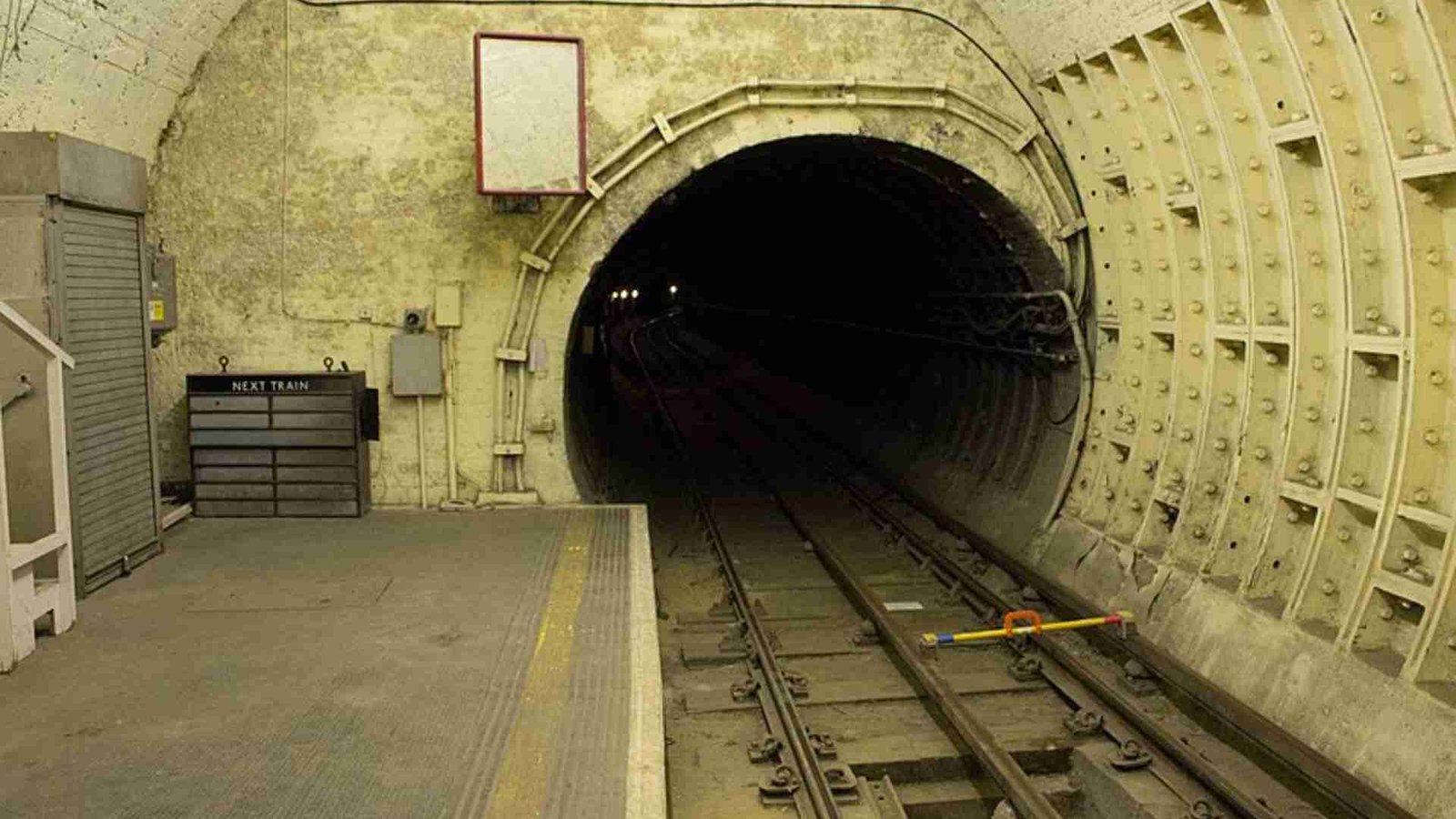
Have you ever found yourself on the London Underground, glancing out the window of a moving train, only to spot a dark, eerie platform whizzing by?
That fleeting glimpse is often all we see of London’s abandoned tube stations—hidden relics of the city’s fascinating transport history. These stations are like ghost stories in brick and mortar, each with its own tale of why it fell into disuse.
If you’ve ever wondered about the secrets buried beneath the streets of London, this blog is for you. Today, I’ll take you on a journey through the abandoned underground stations that once buzzed with life, explaining how they came to be, what makes them so intriguing, and how you can experience them for yourself.
Let’s dive into the forgotten corridors of London’s disused tube stations and uncover the history, mystery, and potential of these underground gems.
The Rise and Fall of Tube Stations
A Brief History of the London Underground
The London Underground, or “The Tube,” is the oldest metro system in the world. Opened in 1863, it revolutionized urban transportation. But as the city expanded and technology advanced, not every station could keep up.
Some became obsolete due to route changes, while others simply didn’t attract enough passengers to justify their existence.
Why Tube Stations Were Abandoned
- Route Adjustments: As new lines were added and existing routes were modified, some stations were bypassed entirely.
- Low Usage: Stations like Down Street and Brompton Road struggled with low passenger numbers and couldn’t compete with nearby, busier stops.
- Technological Advancements: Longer trains required extended platforms, leaving older stations unable to accommodate modern carriages.
These closures left behind a fascinating subterranean history that continues to captivate explorers and historians alike.
Famous Abandoned Tube Stations
Aldwych Station

- History: Opened in 1907 and closed in 1994, Aldwych was originally part of the Piccadilly Line.
- Significance: During WWII, it served as an air-raid shelter, and it’s been featured in numerous films and TV shows.
- Current Status: Occasionally open for tours, Aldwych remains one of the most famous abandoned tube stations in London.
Down Street Station
- History: Operational from 1907 to 1932, Down Street was never particularly busy.
- Significance: It gained fame as a secret bunker for Winston Churchill and his wartime cabinet.
- Current Status: While public access is rare, its historical importance makes it a fascinating site for history buffs.
Brompton Road Station
- History: Closed in 1934, Brompton Road struggled with low passenger numbers.
- Significance: It played a crucial role during WWII as an anti-aircraft command center.
- Current Status: Now owned by the Ministry of Defence, it’s mostly off-limits.
Ongar and North Weald (Central Line)
- History: These stations closed in 1994 due to low demand.
- Current Status: Occasionally used for heritage train rides, they offer a charming glimpse into the past.
Other Notable Mentions
- York Road: Closed in 1932, its ghostly platform is visible from passing trains on the Piccadilly Line.
- Mark Lane: Replaced by Tower Hill in 1967, now lost to time.
- City Road: Closed in 1922, this station was short-lived but remains a curious footnote in Tube history.
What Happens to Disused Tube Stations?
Repurposed Spaces
London’s abandoned underground stations haven’t all been left to gather dust.
- Wartime Uses: Many stations were transformed into bomb shelters or command centers during WWII.
- Modern Adaptations: Aldwych, for example, has become a popular film set for productions like Skyfall and Sherlock.
Conservation Efforts
Preserving these stations is no small task. Transport for London (TfL) works to maintain their structural integrity and historical significance, ensuring these sites aren’t lost forever.
Public Tours and Urban Exploration
If you’re intrigued by the idea of visiting a disused tube station, you’re in luck. The London Transport Museum regularly offers guided tours of select sites like Aldwych and Down Street. However, exploring on your own is not only dangerous but also illegal—stick to the official tours!
The Allure of Abandoned Tube Stations
Cultural Fascination
There’s something undeniably intriguing about places that were once full of life but now lie dormant. These stations have appeared in films, TV shows, and even video games, cementing their place in popular culture.
Architectural and Historical Significance
Many of these stations feature beautiful Edwardian and Victorian designs, with ornate tiling and intricate details preserved beneath the grime.
Mystery and Legends
From ghost stories to urban legends, the tunnels of the London Underground are filled with tales that capture the imagination. Who doesn’t love a good spooky story?
Abandoned Tube Stations in the Future
Potential for Redevelopment
Could these stations find new life? Some have been converted into event spaces or pop-up art galleries, while others remain candidates for future projects.
Technological Innovations
As technology advances, we might see abandoned stations repurposed for innovative uses like underground farms, data centers, or even urban greenhouses.
Visiting Abandoned Tube Stations
Official Tours
For those keen to explore, the London Transport Museum organizes tours that offer a safe and informative way to experience these historical sites.
DIY Exploration vs. Safety Concerns
While the idea of sneaking into an abandoned station might sound adventurous, it’s both dangerous and illegal. Stick to organized events and official channels to satisfy your curiosity.
FAQs About Abandoned Tube Stations
- How many abandoned tube stations are there in London?
There are over 40 abandoned or disused stations scattered across the city. - Can you visit these disused tube stations?
Yes, but only through official tours and events. - Why aren’t all abandoned stations open to the public?
Safety concerns and maintenance costs often make public access impractical. - What’s the most famous abandoned underground station?
Aldwych Station is arguably the most iconic due to its rich history and frequent use in media. - Are there any plans to reopen these stations?
Some may be considered for redevelopment, but most will remain closed.
Conclusion
The abandoned tube stations of London are more than just forgotten stops—they’re windows into the city’s rich history and evolving landscape. From wartime shelters to film sets, these stations have stories to tell, and they continue to captivate the imagination of those who explore them.
If you’re as intrigued as I am, why not book a tour and see these hidden gems for yourself? Whether you’re a history buff, a London enthusiast, or just someone who loves a good adventure, these stations offer a unique glimpse into the past—and maybe even the future.
What’s your favorite story about London’s abandoned underground stations? Share your thoughts in the comments below—I’d love to hear them!