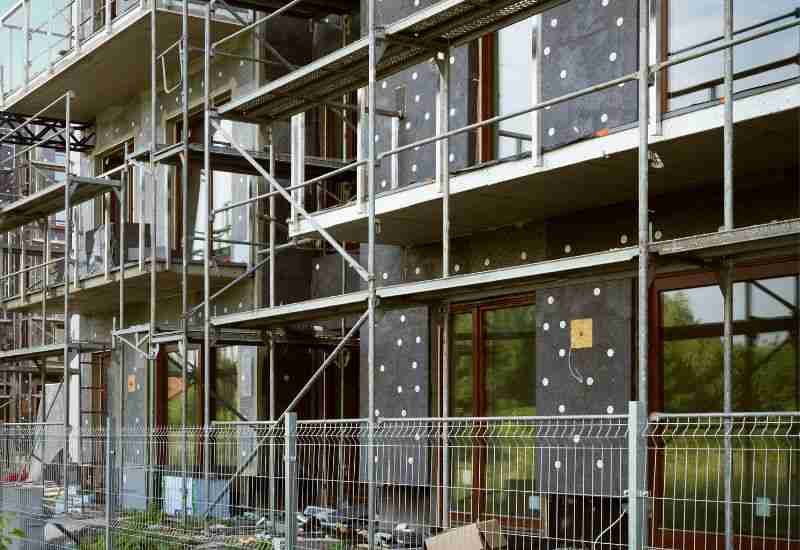
This Property Development for Beginners article will help you get a basic understanding of Property Development. Delving into property development as a beginner is akin to stepping into a realm of both challenges and potential financial rewards within the property market. As you set foot on this exciting path, it’s essential to equip yourself with foundational knowledge and strategies that will pave the way for a successful journey.
Property Development for Beginners – Understanding the Basics
In the initial stages, grasp the basics of property developments. Start by immersing yourself in research about local real estate markets and zoning regulations. This knowledge forms the bedrock for making informed decisions regarding potential development sites. Factors such as property values, demographics, and market trends in your chosen location will influence your projects’ direction and align them with your goals. The Property Development for Beginners guide will take you through all the basics.
What is Property Development?
Property development is the process of transforming an existing property into a more valuable asset. This transformation can involve various activities, such as renovating, expanding, or completely redeveloping a property. A property developer is the individual or entity responsible for overseeing the entire project, from the initial design phase to the final sale or lease. Unlike traditional property investing, which typically involves buying and holding a property for long-term profit, property development focuses on adding value through active management and improvement. This approach can often yield higher returns compared to the more passive buy-and-hold strategy, making it an attractive option for those looking to maximize their investment potential.
Benefits of Property Development
Property development offers a multitude of benefits that can make it a highly rewarding venture:
- Increased Property Value: By enhancing the features and functionality of a property, developers can significantly boost its market value, making it more appealing to potential buyers or renters.
- Improved Local Area: Development projects can revitalize neighborhoods, attracting new residents and businesses, and contributing to the overall desirability of the area.
- Job Creation: The construction phase of property development generates employment opportunities, and the influx of new businesses and residents can create long-term job growth.
- Economic Growth: As new developments bring in additional revenue and stimulate local economic activity, they contribute to the broader economic growth of the region.
- Diversified Income Streams: Property developers can benefit from multiple revenue sources, including rental income, property sales, and other related activities, providing a more stable and diversified income stream.
Planning: A Blueprint for Success

Moving forward, meticulous planning becomes your blueprint for success. Create a comprehensive plan that outlines your goals, budget, and timeline. Define the scope of your project and identify the target audience you intend to attract. Effective planning provides a road-map for your property development endeavors, ensuring focus and direction throughout the entire process.
Securing Development Finance: The Cornerstone of Development
Securing development finance is a pivotal step early in property development. Evaluate various funding options, from loans to partnerships or private investors. Develop a financial plan covering acquisition costs, construction expenses, and potential contingencies. This establishes a solid financial foundation, crucial for moving forward with confidence and turning your property development vision into a tangible reality.
Site Selection: Choosing the Ideal Canvas
Carefully selecting a suitable site is a pivotal decision significantly impacting your project’s success. Consider aspects like location, accessibility, and potential market demand. Assess the feasibility of the development, taking into account existing infrastructure and surrounding amenities. The right site becomes the ideal canvas, providing a foundation that aligns with your vision and caters to the needs of your target audience.
Feasibility Studies: Assessing Viability
A feasibility study is a critical step in any property development project, helping to determine whether a proposed development is viable. This comprehensive analysis covers several key areas:
- Financial Analysis: This involves evaluating the potential revenue, expenses, and profitability of the project. It helps developers understand the financial implications and potential returns.
- Land Use Planning: This aspect examines local zoning regulations, land use patterns, and other factors that could impact the project. Understanding these elements is crucial for ensuring compliance and optimizing the development plan.
- Zoning Regulations: Assessing local zoning laws is essential to determine what can be built on the site and any restrictions that may apply. This ensures that the project aligns with legal requirements.
- Environmental Assessment: This involves analyzing the potential environmental impacts of the project, including any risks or liabilities. Addressing these concerns early on can prevent future complications and ensure sustainable development.
Navigating Permits: Compliance is Key
Navigating permits and regulatory requirements is an essential, albeit sometimes challenging, aspect of property development. Ensure understanding and acquisition of necessary permits to comply with local government laws and regulations. Collaborate with local authorities, architects, and legal experts for a seamless process. Compliance is vital to avoiding legal complications and delays, facilitating your project’s smooth progression.
Building Your Team: Collaboration for Success
No property development journey is a solitary endeavor. Engage professionals such as architects, contractors, and real estate experts to bring their specialized skills to your project, and ensure you budget for professional fees accordingly. Building a competent team is vital for success. Effective collaboration ensures every aspect of the development process is well-managed, from the initial planning stages to construction and marketing.
Cost Management: Budgeting for Success
Effective cost management is imperative in property development, and understanding project costs is crucial. Track expenses diligently and develop contingency plans for unforeseen costs. Establish a realistic budget covering every phase of the project, from acquisition to construction and marketing. Regularly review and adjust your budget as needed to maintain financial control, ensuring your development remains economically viable.
Construction and Soft Costs: Understanding Expenses
Understanding the various costs involved in property development is crucial for effective budget management. These costs are typically categorized into direct and indirect (soft) costs:
- Direct Costs:
- Materials: The cost of building materials such as lumber, steel, and drywall.
- Labor: Expenses related to hiring contractors and laborers to complete the project.
- Equipment: Costs associated with renting or purchasing equipment like cranes and excavators.
- Subcontractor Fees: Payments to specialized subcontractors, such as electricians and plumbers.
- Indirect (Soft) Costs:
- Overhead Expenses: Costs for maintaining an office, hiring staff, and other administrative expenses.
- Local Authority Fees: Fees for obtaining necessary permits and approvals from local authorities.
- Taxes: Property taxes, sales taxes, and other tax obligations related to the project.
- Insurance: Costs for insuring the project against potential risks, such as accidents and natural disasters.
Design and Construction: Balancing Aesthetics and Functionality
Prioritize a well-designed and efficiently constructed property. Strike a balance between aesthetic appeal and functionality to create a space that attracts potential buyers or tenants. Collaborate with architects and contractors to ensure your vision translates into the physical structure. A property that is both visually appealing and functional enhances marketability, contributing to the overall success of your development.
Market Research: Understanding the Property Market
Conduct thorough market research to understand your target audience and tailor your development to meet their needs. Analyze demographic trends, buyer behaviors, and preferences in your chosen location. This knowledge allows you to make informed decisions about the features and amenities that will set your property apart in the market.
Sustainability Considerations: Embracing the Future
Consider sustainability in your development. Integrate eco-friendly features that align with modern trends and appeal to environmentally conscious buyers. Explore energy-efficient technologies, green building materials, and sustainable design practices. Incorporating sustainability into your projects not only benefits the environment but also positions your development as forward-thinking and socially responsible.
Marketing Your Property: Showcasing the Transformation

Once your property undergoes its transformation, whether it’s a residential or commercial property, the next critical step involves crafting a strategic marketing approach. Effectively showcase the property’s metamorphosis through professional photography, staging techniques, and leveraging digital platforms. Marketing plays a pivotal role in attracting potential buyers in the competitive real estate market. Develop a comprehensive marketing strategy highlighting the unique features and benefits of your property, setting it apart from the competition.
Return on Investment (ROI) and Profitability: Measuring Success
Return on Investment (ROI) is a key metric for evaluating the success of a property development project. It measures the financial gain earned from an investment relative to the amount of money invested. The formula for calculating ROI is:
[ \text{ROI} = \frac{\text{Gain from Investment} – \text{Cost of Investment}}{\text{Cost of Investment}} ]
For instance, if a developer invests $100,000 in a project and earns a gain of $150,000, the ROI would be:
[ \text{ROI} = \frac{150,000 – 100,000}{100,000} = 50% ]
This indicates a 50% return on the investment.
In addition to ROI, developers can use other metrics to gauge project success, such as:
- Net Present Value (NPV): The present value of the project’s expected cash flows, discounted to reflect the time value of money.
- Internal Rate of Return (IRR): The rate at which the project’s expected cash flows equal the initial investment.
- Payback Period: The time it takes for the project to generate enough cash to repay the initial investment.
By understanding and utilizing these metrics, developers can make informed decisions and measure the profitability and success of their property development projects.
Adapting to Challenges: Flexibility is Key
Be prepared to adapt to challenges that may arise during the property development process. Be aware that there are very few lenders willing to fund commercial projects, which can complicate securing financing. Unforeseen obstacles are inevitable, and flexibility is key to overcoming them. Whether it’s changes in market conditions, unexpected construction issues, or regulatory hurdles, a successful property developer navigates challenges with resilience. The ability to adapt ensures your project stays on track, even in the face of unpredictability.
Monitoring and Evaluation: Assessing Progress
Continuous monitoring and evaluation are essential components of successful property development. Regularly assess your project’s progress against your initial plan. This ongoing evaluation allows you to identify any deviations, address issues promptly, and make informed adjustments to keep your development on course. Monitoring progress ensures that you stay on track to meet your goals and deliver a successful project.
Learning from Mistakes: A Path to Growth
Expect mistakes and setbacks along the way. Learning from these experiences is an integral part of your growth as a property developer. Each challenge offers valuable lessons that contribute to your expertise and resilience. Embrace setbacks as opportunities for improvement, using them to refine your approach and decision-making in future projects.
Networking: Building Connections in the Industry
Building a network within the property development industry is crucial for ongoing success. Attend industry events, join forums, and connect with experienced professionals who can offer valuable insights and advice. Networking provides opportunities to learn from others, stay informed about industry trends, and potentially form partnerships that enhance your development ventures. Join your local Property Investors Network (PIN) and meet up with other property investors and developers. This will be the ideal place to for advice and build your team. To find your local PIN click .
Scaling Your Projects: Gradual Growth for Success
As you gain experience and confidence in the property development arena, consider scaling your projects. Gradually take on more significant developments, diversifying and expanding your portfolio. Scaling allows you to explore new opportunities, increase your market presence, and take on projects with higher returns. However, it’s essential to approach scaling with careful consideration and a solid understanding of the increased complexities involved.
Exit Strategies: Planning for the Future
Plan exit strategies carefully. Whether your intention is to sell or rent the completed property, having a well-thought-out exit strategy is crucial. Evaluate market conditions, financial considerations, and your long-term goals to determine the most advantageous exit route. A strategic exit ensures a profitable and sustainable outcome for your property development venture.
Conclusion:
The Journey of the Property Development Process
In conclusion, this property development for beginners guide will help you get started in the exciting and rewarding journey of real estate development. Property development is an exciting and rewarding journey filled with challenges and opportunities for growth. With careful planning, thorough research, and a dedicated team, you can navigate the complexities of the industry and create successful, lucrative projects. The key is to remain adaptable, continuously learn from experiences, and leverage your growing expertise to thrive as a property developer. As you embark on this journey, each project becomes a stepping stone toward a successful and fulfilling career in property development.