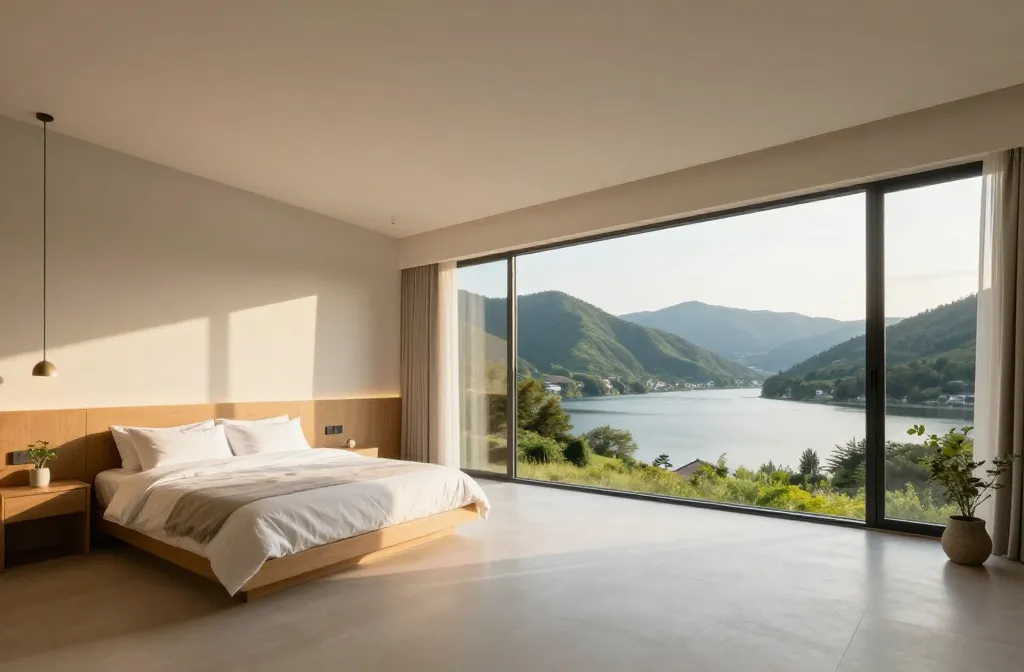
The idea of adding a bedroom to a rental can feel like a mystery box: you’re not sure what’s inside, but you’re pretty sure it’ll change the game for your wallet. Spoiler: it usually does. Let’s break down the lay of the land, so you can decide if expanding a rental is worth the drama, the dust, and the DIY headaches.
Why a bedroom add-on could be a renter’s goldmine
You’ve probably noticed rents creeping upward everywhere. Adding a bedroom isn’t just about more space; it signals value to potential tenants and widens your renter pool. More tenants competing for a smaller supply equals higher rents or steadier occupancy. Sounds magical, right? Not so fast—there are real caveats, too. Let’s walk through the practical why and how.
Assessing feasibility: what you actually need
Before you sprint to the nearest toolbox, pause and map this out. Feasibility isn’t just about square footage; it’s about code, safety, and dollars.
Know the rules of the land
– Check local zoning and building codes. Some places restrict how many bedrooms a unit can have or require permits for structural changes.
– Look at safety standards. Smoke detectors, egress windows, and fire-rated walls aren’t optional extras.
– HOA or building rules? If you’re in a condo or co-op, you’ll want board approval before swinging a hammer.
Numbers don’t lie (usually)
– Calculate the cost vs. potential rent bump. A rough rule of thumb: if the added bedroom adds enough value to justify at least a 6–12% rent increase, you’re likely on the right track. But remember, markets vary wildly.
– Factor ongoing costs: heating/cooling, electrical upgrades, soundproofing, and furniture for the new space.
– Consider vacancy risk. A bigger place can mean longer marketing cycles if you overshoot the market.
Design and layout: making the space sing
If you want to actually attract tenants, the space has to feel livable from day one. A bedroom isn’t just a wall-and-door addition; it’s a mood shift.
Light, airflow, and privacy
– A good bedroom needs natural light, a solid ceiling height, and a closet. If the room feels dungeon-y, no rent bump is worth it.
– Egress matters. A compliant window for escape isn’t optional in most places.
– Private entry helps. If the new bedroom opens into a shared hallway or common area, it may feel less appealing.
Smart spatial planning
– Keep the footprint efficient. A quiet desk nook, a bed with space to walk around, and a wardrobe that doesn’t eat the room are win conditions.
– Plan for power. Ensure there are outlets where a nightstand lamp, charger, and a small fan or heater can fit without cables turning into a spaghetti avalanche.
– Climate control matters. If you can’t feasibly add a dedicated climate zone for the room, you’ll struggle with comfort and bills.
Finishes and vibes: what tenants actually notice

The right finishes sell spaces. It’s not all about marble counters; it’s about feeling like the room could be someone’s future sanctuary.
Focus on neutrality with personality
– Paint and flooring should be durable and neutral. Think warm whites, grays, or soft pastels that don’t clash with a roommate’s decor.
– Durable, low-maintenance materials win. Scratch-resistant flooring, easy-clean bathrooms, and sturdy doors that slam softly.
– Keen attention to storage. A built-in closet or modular wardrobes can push perceived value up without exploding the budget.
Sound and privacy tricks that work
– Consider extra insulation or sound-damping options, especially if the apartment is in a busy area or above a noisy hallway.
– Solid doors with proper seals keep noise where it belongs. FYI, rattling doors ruin the vibe fast.
The legal and safety side you can’t ignore
This isn’t the sexy part of building a bedroom, but it’s the part that makes or breaks your plan when the inspector shows up.
Permits, inspections, and approvals
– Get permits where required. It saves headaches when you try to refinance or sell later.
– Schedule inspections proactively. Tiny code hiccups now save big headaches later.
Safety first, always
– Ensure egress windows meet size requirements for bedroom use.
– Install working smoke detectors in every bedroom and the living area. Carbon monoxide detectors if you have gas appliances.
– Ensure adequate heating and electrical load. Overloaded circuits are a fire hazard and insurance pain.
Budgeting tips: how to keep the project sane
A realistic budget is the secret sauce to a successful bedroom expansion. No one wants a finished project that makes you wince every time you swipe your card.
Breakdown you can actually use
– Demolition and prep: nails, dust control, cleanup. Even small jobs need containment.
– Structural and permitting costs: if you need a wall moved or a new doorway, plan for a higher price tag.
– Finishes: paint, flooring, doors, closet systems, lighting.
– Systems: updated electrical panel capacity, new outlets, switches, or dedicated lighting.
– Contingency: set aside 10–15% for the unexpected. Because the unexpected is basically the only thing that happens on DIY projects.
DIY vs. pro: when to hire help
– If you’re handy, you can save on labor, but don’t mess with structural walls or electrical work beyond your comfort zone.
– For anything code-related or involving plumbing, hire a pro. It’s cheaper than paying fines or redo work later.
Rent pricing strategies: what to charge and how
Raising rent after adding a bedroom isn’t just about doubling the price; it’s about value alignment with the market.
How to set the headline rent
– Look at comparable units in your area. If a two-bedroom typically rents for X, your added bedroom should justify a higher fraction of that price.
– Consider the whole unit’s appeal: updated bathroom, modern kitchen, in-unit laundry, and parking. A bedroom adds value, but the total package matters.
Lease structure considerations
– Decide if you’ll raise rent for new tenants only or if you’ll phase in the increase for current tenants. Phasing can reduce turnover anger and vacancies.
– Communicate clearly and early. A poorly timed or vague notice can spark pushback or a mass exodus.
Managing expectations: tenants, landlords, and vibes
No one wants drama when a project finishes. Setting expectations ahead of time can make life easier for everyone.
Clear marketing and photos
– Invest in good photography that highlights natural light, space, and storage.
– Show the room in multiple configurations if possible. People love imagining their stuff in there.
Fairness and transparency
– Be upfront about added costs: move-in upgrades, security deposits, or utility splits if applicable.
– Respect privacy during construction. Notify tenants of work hours and expected noise levels.
Alternative routes: when a full addition isn’t feasible
Sometimes the math or the rules say “not this time.” Here are some smart detours that still improve rent appeal.
Borrowed space with smart partitions
– Convert a large living area or den into a flex bedroom. It’s cheaper and can be reversible if you want to reconfigure later.
– Add a built-in wardrobe or a space-saving divider to create a sense of privacy without costly walls.
Improve the current space’s value instead
– Upgrade the kitchen or bathroom. These rooms often drive rent more than a separate bedroom alone.
– Improve energy efficiency. New windows, LED lighting, better insulation can lower operating costs, which tenants notice.
FAQ
Is adding a bedroom worth the investment in a saturated market?
In markets with high demand for housing and limited supply, a second bedroom can significantly boost rents and occupancy. Do the math: estimate the incremental rent for the extra room, subtract the costs of renovation, and compare to the current rent. If the math looks good and you have solid demand, it’s usually worth it. FYI, ensure you’re not overbuilding for your specific neighborhood.
How long does a typical conversion take?
From planning and permits to completion, expect a few weeks to a couple of months. It depends on permits, scope, and contractor schedule. Clear communication with contractors helps, so you don’t end up with a half-dinished nightmare—trust me, I’ve seen the glow of a new bedroom fade under bad planning.
What are the biggest pitfalls to avoid?
Overbuilding for the neighborhood, underestimating permit times, and skimping on safety and soundproofing. Also, don’t forget to consider resale or refinance implications; a poorly executed project can complicate future financial moves. IMO, plan like you’ll stay long enough to enjoy the space yourself, not just to collect rent.
Should I involve tenants in the process?
Involving current tenants can reduce friction and lead to better buy-in. Share the plan, expected timelines, and how rent might change. Clear communication prevents rumors and keeps everyone on the same page. You don’t have to turn it into a town hall, but a quick chat goes a long way.
How do I price rent after adding a bedroom in a tiny market?
In tight markets, even small improvements can justify a noticeable bump. Compare to similar units with similar layouts and finishes. If the market is slow, you might need to be more conservative with the increase to avoid longer vacancies.
Conclusion
Adding a bedroom to a rental can be a smart move if you crack the code on feasibility, safety, and market value. It’s not just about cramming more space; it’s about creating a space that tenants actually want to rent and pay a premium for. Do the math, get the right permits, and plan for the good stuff: light, privacy, and a vibe that says, “this place is home.” If you nail the design and the pricing, you’ll likely see steadier occupancy and healthier cash flow. And hey, if all else fails, at least you’ll have a room that can double as a home office or a guest sanctuary—your future self will thank you. FYI, a well-executed bedroom addition is less drama and more dollars in the long run.