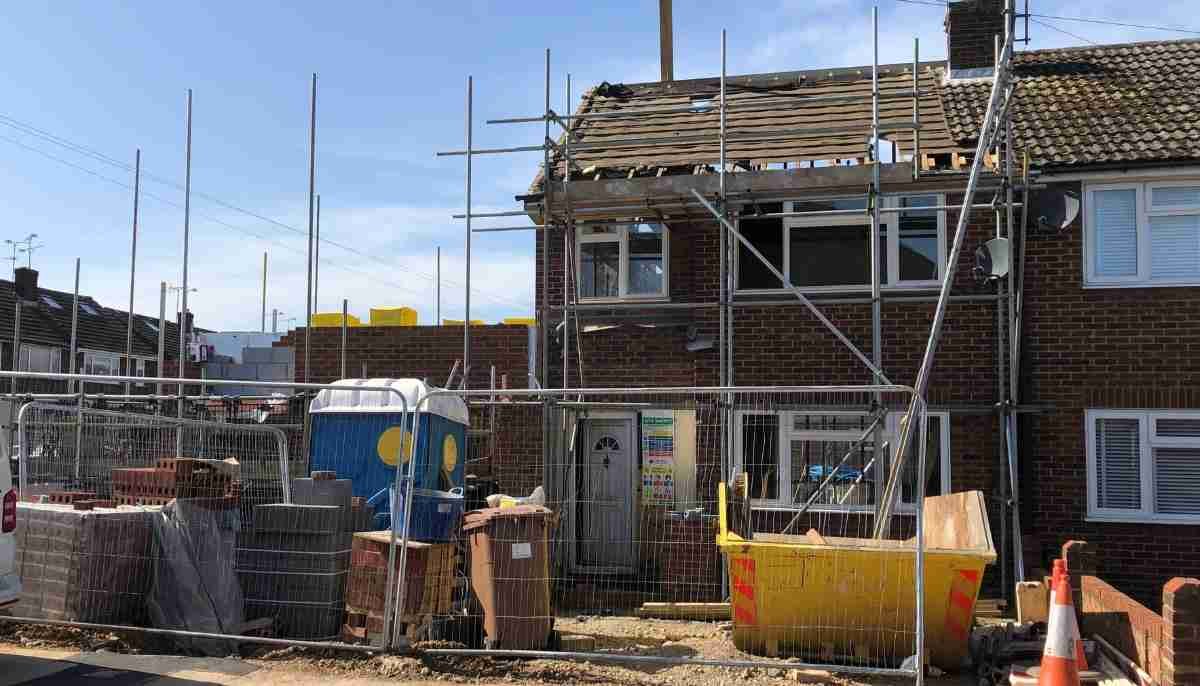
Do you dream of turning a fixer-upper into your dream home? Buying a house to renovate in the UK is both exciting and rewarding. But, it’s key to plan carefully and think things through. This guide will give you the best advice for buying a house to renovate. We’ll cover finding the right property, setting a budget for renovations, and managing your project well.

Key Takeaways
- Explore the benefits of buying a fixer-upper property, including lower upfront costs and potential for higher returns on investment.
- Conduct a thorough home inspection to assess the property’s condition and identify any necessary repairs or renovations.
- Develop a realistic budget for your renovation project, factoring in all the costs, from materials to labour and contingencies.
- Focus on the location and neighbourhood when searching for the right property to renovate, as these factors can significantly impact the value and desirability of the home.
- Investigate your financing options, including mortgage products designed specifically for renovation projects.
The Benefits of Buying a Fixer-Upper Property
Buying a property that needs work can be a smart move for investors and homebuyers in the UK. It offers the chance for lower upfront costs compared to buying a ready-to-move-in home.
Lower Upfront Costs
Choosing a fixer-upper house or a property that needs modernisation can lead to a lower initial cost. This means a smaller upfront investment. It also leaves room in the budget for any needed improvements and renovation projects.
Potential for Higher Returns on Investment
Turning a distressed property or a derelict home into something new can bring big returns on investment. Buying houses to renovate and then flipping them or renting them out can be a profitable move for investors.
“Purchasing a fixer-upper home can be a fantastic investment opportunity for those willing to put in the time and effort to renovate and modernise the property.”
By looking at the costs and potential gains, buyers can discover great deals in the UK housing market. They can create long-term value through home improvements and property refurbishment.
Assessing the Condition of a Property
Before buying a property that needs renovation, it’s key to check its condition well. Start with a detailed home inspection by a pro. They look at the structure, electrical systems, and more to spot big repairs or updates needed.
Conducting a Thorough Home Inspection
Getting a full home inspection is vital when buying a house that needs renovating or buying a home that needs renovations. The inspector looks at every part of the property, from the ground up to the roof. They find any current or future problems. This helps you decide if the property is good and what renovations you might need.
- Structural integrity: The inspector checks the foundation, walls, and framing for damage or instability.
- Electrical systems: They look at wiring, circuit breakers, and outlets for safety issues or upgrade needs.
- Plumbing: The inspector checks pipes, fixtures, and the water heater for leaks or repairs.
- Roof and exterior: They examine the roof, siding, and other outside parts for condition and modernisation or repair needs.
- Heating, ventilation, and air conditioning (HVAC): The inspector makes sure the HVAC works well and efficiently.
A detailed home inspection gives you a clear view of the property’s condition and what renovations are needed. This info is crucial for understanding the project’s feasibility and costs.

Budgeting for Renovations
When you buy a house to renovate, it’s key to get the costs right. This means looking at materials, labour, permits, and unexpected costs. Good budgeting helps you avoid surprises and makes sure you have enough money to finish the job.
Start by making a detailed list of what you need to do and how much it will cost. This could include:
- Structural work, such as repairing or replacing the roof, walls, or foundations
- Electrical and plumbing upgrades
- Kitchen and bathroom remodelling
- Painting, decorating, and flooring
- Landscaping and exterior improvements
After your list is ready, look up the prices for materials and labour in your area. Don’t forget to plan for any unexpected costs that might pop up, like hidden problems or delays.
Remember to include the cost of hiring experts, like a surveyor, architect, or project manager. They can make sure your project goes well and follows all the rules and permits.
| Renovation Item | Estimated Cost |
|---|---|
| Roof Repair | £8,000 |
| Kitchen Remodel | £15,000 |
| Electrical Upgrades | £6,500 |
| Bathroom Renovation | £10,000 |
| Painting and Decorating | £4,000 |
| Contingency (10%) | £4,350 |
| Total Estimated Budget | £47,850 |
By planning your budget well and saving for surprises, you can keep your renovation on track and within your budget.

Finding the Right Property
When buying a house to renovate in the UK, picking the right property is key. The spot of the property needing modernisation affects its worth and renovation ease. Also, checking out the neighbourhood gives clues about the property’s future.
Location, Location, Location
Choosing a fixer upper house means looking at its location. Aim for places with good infrastructure, shops, and transport links. These things can boost the property’s value and make renovations easier.
Evaluating the Neighbourhood
Looking at the neighbourhood is vital when looking property that needs modernisation. Think about local services like schools and shops. Also, check for any future developments that could change the area’s value and charm.
| Factors to Consider | Potential Impact |
|---|---|
| Location | Influences property value and ease of renovations |
| Neighbourhood Amenities | Affects long-term appeal and potential for future growth |
| Infrastructure and Development | Can enhance the property’s value and desirability |

Think about the location and the neighbourhood to find the best property to renovate in the UK. This way, you’ll match your investment goals and renovation plans.
Obtaining Financing for Renovations
Starting a home renovation project is exciting, but getting the right finance is key. When buying a house to renovate or buying a home that needs renovations, there are many mortgage options. Each option has its own features and rules.
Mortgage Options for Renovation Projects
A renovation loan is a good choice for many. It lets you finance buying the property and doing the renovations with one loan. These loans are made for buying a house that needs renovating. They make financing your project easier.
Homeowners can also look at home equity loans or home equity line of credit (HELOC). These use the equity in your home to fund your home reno or property refurbishment. This is great for those who already own a home and want to finance their renovation projects.
| Mortgage Type | Key Features | Ideal For |
|---|---|---|
| Renovation Loan | – Combines purchase and renovation costs – Streamlined application process – Specialised for buying a house and renovating | Buying a house that needs renovating |
| Home Equity Loan/HELOC | – Utilises existing home equity – Flexible financing options – Suitable for property development and home improvements | Homeowners planning renovations |
Looking into these mortgage options can help homebuyers plan their budget. It ensures a successful renovation project. By considering the pros and cons of each option, they can choose the best one. This choice should match their property development goals and flipping houses plans.

Hiring the Right Contractors
Finding the right contractors is key to a successful home improvement or property refurbishment project. It’s vital to interview and check out potential candidates carefully. This ensures you get a team that can do quality work and stay within your budget.
Vetting and Interviewing Professionals
Before you agree to anything, make sure to check the contractors’ credentials. Look at their licenses, certifications, and insurance. Also, check their past work to see their skills and experience in home renovation or property development.
Then, talk to their references to learn about their professionalism and the quality of their work. This gives you real insights into their reliability and craftsmanship.
After narrowing down your choices, set up interviews to learn more about their expertise and how they’ll handle your project. Ask them about their experience, what they specialize in, and their plan for your renovation. Notice how they communicate and if they’re open to your questions. A good contractor is clear, quick to respond, and ready to work with you.
| Criteria | Contractor A | Contractor B | Contractor C |
|---|---|---|---|
| Credentials and Licensing | ✓ | ✓ | ✓ |
| Years of Experience | 15 | 8 | 12 |
| Speciality | Kitchen Renovations | Bathroom Remodels | Whole-Home Refurbishment |
| References | Excellent | Good | Outstanding |
| Communication | Responsive | Somewhat Delayed | Transparent and Proactive |
By carefully checking and interviewing contractors, you’ll find the best team for your projects. This careful planning ensures a smooth and successful renovation.

Planning and Prioritising Renovations
Starting a house renovation project is both thrilling and challenging. To make it successful, you need a detailed plan. This plan should focus on the most important tasks and fit your budget. A clear renovation timeline helps you manage the project well and improve your home improvements efficiently.
Prioritising Renovations
When you’re working on a property refurbishment, first check the property’s condition. Make a list of what needs fixing or upgrading. Start with urgent repairs or safety issues, then move to important upgrades that make the home more functional and comfortable.
This method helps you use your budget wisely. It ensures critical problems are solved before you start on less urgent home reno tasks.
Creating a Renovation Timeline
- Set a realistic timeline for your renovation project. Consider the work’s scope, permits, and contractor availability.
- Divide the project into stages like demolition, electrical work, flooring, and finishing. Assign timelines to each stage.
- Plan for possible delays or surprises and add extra time to your timeline.
- Tell everyone involved, including contractors and people living in the property development, about the timeline.
With careful planning and prioritising, you can buy a house and renovate it well. This approach will help you get the most from your investment and turn your flipping houses dream into reality.

buying a house to renovate in the UK
Buying a house to renovate in the UK is exciting and rewarding. It requires careful planning and thought. Whether you want a “fixer-upper” or a home needing modernisation, the process has its challenges and chances.
One big plus of buying a fixer-upper is the chance to save on the initial cost. Buyers who take on the renovation work can often get properties for less. This can lead to higher returns later. But, it’s key to check the property’s condition and plan your renovation budget well.
- Look closely at the property’s state and spot any big issues that need fixing.
- Check out the local property market and similar sales to make sure you’re paying a fair price.
- Get detailed quotes from trusted contractors for the renovation work, including materials, labour, and permits.
- Look into financing options like renovation mortgages or bridging loans for the funds you need.
By being careful and informed when buying a house to renovate in the UK, you can increase your chances of success. With the right plan and action, a fixer-upper can become a beautiful and valuable asset.

“Buying a house to renovate in the UK is not for the faint of heart, but for those willing to take on the challenge, the rewards can be truly remarkable.” – Jane Doe, property investment expert.
Maximising Return on Investment
When buying a house to renovate, focus on renovations that boost its value and give a high return on investment (ROI). By picking the right projects, smart investors can make a fixer-upper profitable.
Cost-Effective Renovations with High ROI
Here are some top strategies for cost-effective renovations:
- Focus on the kitchen and bathrooms: These areas see a lot of use. Modernising them with trendy finishes can greatly increase the property’s value.
- Enhance curb appeal: A nice exterior, like well-kept landscaping and a fresh paint job, makes a great first impression and draws in buyers.
- Maximise livable square footage: Turning unused areas into living spaces can significantly add value to the property.
- Upgrade energy efficiency: Improvements like insulation and energy-saving windows can cut costs and attract eco-friendly buyers.
By focusing on these renovations, investors can get the best return on their investment. They can turn a fixer-upper into a sought-after, profitable property.
| Renovation Project | Estimated ROI |
|---|---|
| Kitchen Renovation | 80-100% |
| Bathroom Renovation | 70-120% |
| Landscaping/Curb Appeal | 80-100% |
| Basement Conversion | 60-80% |
| Energy-Efficient Upgrades | 50-80% |
By focusing on these high-ROI projects, investors can greatly increase the value of their buying a house to renovate. This leads to impressive financial gains.
Legal Considerations and Permits
Buying a house to renovate in the UK means you must follow legal rules and get the right permits. Renovating a property is not just about the work itself. You also need to think about legal stuff to make sure your project goes well and follows the law.
First, you need to know about planning permission in your area. If your renovations will change the house’s look or are big changes inside, you might need permission. This is for things that affect the outside of the house or big changes inside.
You also have to make sure your work meets building regulations. These cover things like the building’s strength, fire safety, electrical work, and how energy-efficient it is. Getting the right approvals is key to making sure your work is safe and legal.
Don’t forget to check for any other rules that might apply to your project. Some places have special rules or guidelines for keeping historic buildings safe. If you ignore these, you could face delays, fines, or even having to fix your work.
Working with experts like architects, surveyors, and solicitors is a good idea. They can help you understand what you need to do. They make sure your renovation follows the law.
| Legal Consideration | Explanation |
|---|---|
| Planning Permission | Required for changes that alter the exterior appearance or involve substantial internal modifications |
| Building Regulations | Ensure the safety and legality of renovations, covering areas like structural integrity, fire safety, and energy efficiency |
| Local Authority Requirements | May include specific regulations or historical preservation guidelines that need to be considered |
Understanding and dealing with legal stuff and getting permits helps your renovation go smoothly. It also avoids any big delays or problems.

Managing the Renovation Process
Starting a home renovation project requires good project management and clear communication. Handling a property refurbishment can seem tough, but with the right approach, you can make it smooth and efficient.

Communication and Project Management
It’s vital to keep in touch with your contractors and suppliers. This ensures you know what’s happening with the project, can solve problems quickly, and everyone is clear on the plan.
Here are some tips to manage your renovation well:
- Set a clear timeline and schedule, with important dates and deadlines.
- Meet regularly with your contractors to check on progress, talk about issues, and adjust as needed.
- Keep track of spending, bills, and payments to keep the project on budget.
- Check the work often to make sure it’s up to your standards and follows the rules.
- Deal with any problems quickly, working with your contractors to find solutions.
With a solid plan and good communication, you can confidently manage your home renovation. This way, you’ll get the results you want from your buying a house to renovate or buying a house that needs renovating project.

“Effective communication and proper project management are the cornerstones of a successful home renovation. Stay organised, be proactive, and work closely with your team to bring your vision to life.”
Pitfalls to Avoid
Starting a house renovation project can be thrilling and rewarding. But, it’s key to know the potential problems that might come up. For those buying a property that needs work, being careful is crucial for success.
One big mistake is not thinking the renovation will cost more than expected. It’s vital to look closely at the property and make a budget that includes extra costs. This could be for things like structural problems or hidden issues found during the work. Not planning for these can cause financial problems and slow down the project.
Don’t rush the renovation. It might seem good to fix up a property fast, but planning and doing things in order is important. Hurrying can lead to bad work, extra costs, and even safety risks. A good plan and knowing what needs doing first are key for a smooth project.
Not getting the right permits and approvals is another big issue. Depending on where you are and the size of the project, you might need permits. It’s important to check and follow the local rules. Not doing this can result in fines, delays, and having to redo work.
- Underestimating the cost of renovations
- Rushing the renovation process
- Neglecting to obtain necessary permits and approvals
- Selecting the wrong contractors or tradespeople
- Overlooking potential structural or safety issues
Knowing about these common problems and how to avoid them helps buyers when fixing up a house. With good planning, budgeting, and focus on details, turning a fixer-upper into your dream home can be rewarding.
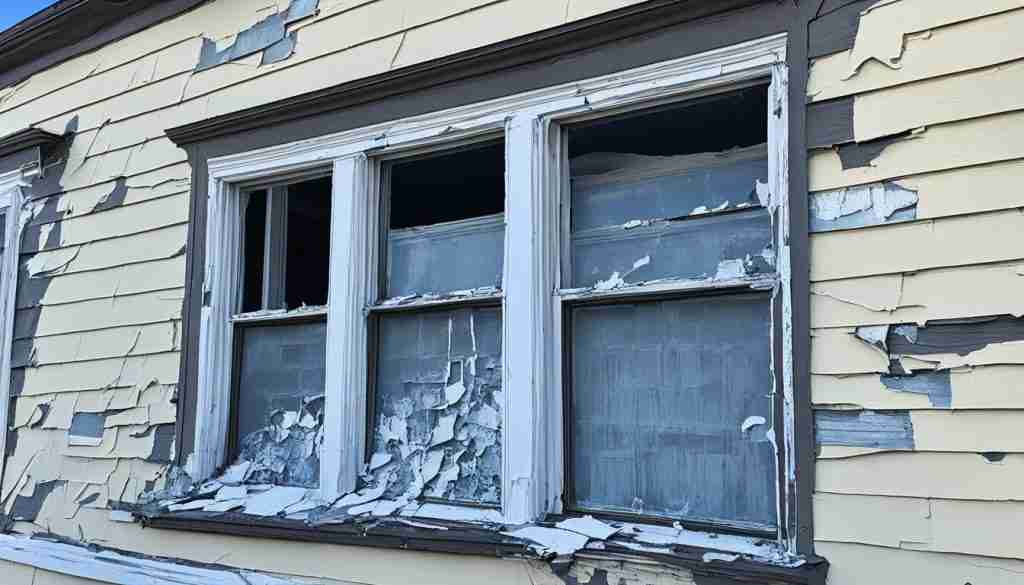
“Successful renovation projects require meticulous planning, attention to detail, and the ability to adapt to unexpected challenges.”
Sustainable and Eco-Friendly Renovations
More and more homeowners in the UK want to make their homes sustainable and eco-friendly. Adding green improvements can cut down on environmental harm and save money over time.
Improving your home’s energy efficiency is a key part of eco-friendly renovations. You can do this by better insulating your home, using energy-saving windows and doors, and adding solar panels or heat pumps. These changes help lower your energy use and carbon emissions.
Choosing eco-friendly materials is also vital. Opt for natural, recycled, or local materials that are better for the planet. Think about using bamboo flooring, reclaimed wood, or natural stone. These materials are good for the earth and can make your home look unique and charming.
| Eco-Friendly Renovation Strategies | Benefits |
|---|---|
| Improved Insulation | Reduced energy consumption and utility bills |
| Energy-Efficient Windows and Doors | Enhanced thermal comfort and lower heating/cooling costs |
| Renewable Energy Sources (e.g. Solar Panels) | Decreased reliance on fossil fuels and lower carbon emissions |
| Eco-Friendly Building Materials | Smaller environmental footprint and unique aesthetic appeal |
Adding sustainable and eco-friendly features to your renovation makes your home more energy-efficient and environmentally friendly. It’s good for the planet and can also make your life better and increase your home’s value.

A sustainable renovation is more than just making changes to your home. It’s about caring for your property and the environment for the long term. With the right steps, you can turn your house into a green haven.
Conclusion
Purchasing a house to renovate in the United Kingdom can be rewarding and profitable. This guide has given you expert advice and practical tips. You’re now ready to turn a fixer-upper into your dream home and make a good profit.
It covered checking a property’s condition and planning for renovations. It also talked about finding the right contractors and managing the project. You now have everything you need to start your house-buying and renovation journey confidently.
Your aim could be to make a home that suits you, increase its value, or find investment opportunities. Buying a house to renovate in the UK opens up many possibilities. Take on the challenge, plan well, and discover the true value of your fixer-upper property.
FAQ
What are the benefits of buying a fixer-upper property?
Buying a property that needs fixing can be a smart move. It often costs less upfront than a ready-to-move-in home. This makes the initial investment easier to handle. Plus, fixing it up can increase its value and bring in rental income.
How can I assess the condition of a property before buying?
It’s key to check the property’s condition before buying. A detailed home inspection can spot structural and electrical issues. A professional inspector’s report helps you understand the property’s true state.
How do I budget for renovations when buying a house?
Estimating renovation costs is vital. Include expenses for materials, labour, permits, and unexpected costs in your budget. Proper planning prevents financial surprises and ensures you have enough funds.
What factors should I consider when looking for the right property to renovate?
Choosing the right property is crucial. Think about the location’s impact on value and renovation ease. Look at the neighbourhood’s amenities and future developments too. These can affect the property’s future.
How can I obtain financing for my renovation project?
Getting the right finance for your project is key. Look into renovation loans or specialist products for fixer-uppers. Knowing your financing options helps with planning and ensures success.
How do I hire the right contractors for my renovation project?
Finding the right contractors is vital. Research and interview potential candidates. Check their experience and references to ensure quality work within your budget.
How should I plan and prioritise the renovations for my property?
Make a detailed renovation plan. Focus on the most urgent repairs and stick to your budget. A clear timeline helps keep the project on track.
What are the key legal considerations and permits I need to be aware of when buying a house to renovate in the UK?
Legal requirements and permits are crucial. Ensure you understand planning permission, building regulations, and local rules for a compliant renovation.
How can I effectively manage the renovation process for my property?
Good project management is key. Keep in touch with contractors and suppliers. Plan work schedules and monitor progress to overcome any issues.
What are some common pitfalls to avoid when buying a house to renovate?
Renovating can be complex. Avoid underestimating costs and poor planning. Make sure you have all the necessary permits and approvals.
How can I incorporate sustainable and eco-friendly elements into my renovation project?
Adding sustainable elements is becoming more popular. Consider improving energy efficiency and using renewable materials. These steps can reduce your property’s environmental impact.