If you have ever wondered, “Can my neighbour cut my tree without asking in the UK?” you are not alone.
Trees often become a point of contention between neighbours, leading to disputes that can strain relationships.
Understanding your rights and responsibilities when it comes to trees on your property is essential. This article will guide you through the legalities of tree maintenance and neighbourly courtesy in the UK.
Understanding Tree Ownership and Rights
Who Owns the Tree?
In the UK, the ownership of a tree is determined by the location of its trunk. If the trunk of the tree is on your property, you are the legal owner of that tree.

However, branches or roots that extend into your neighbour’s property present a different situation.
Rights of Property Owners
Property owners have certain rights regarding trees that overhang or encroach onto their property.
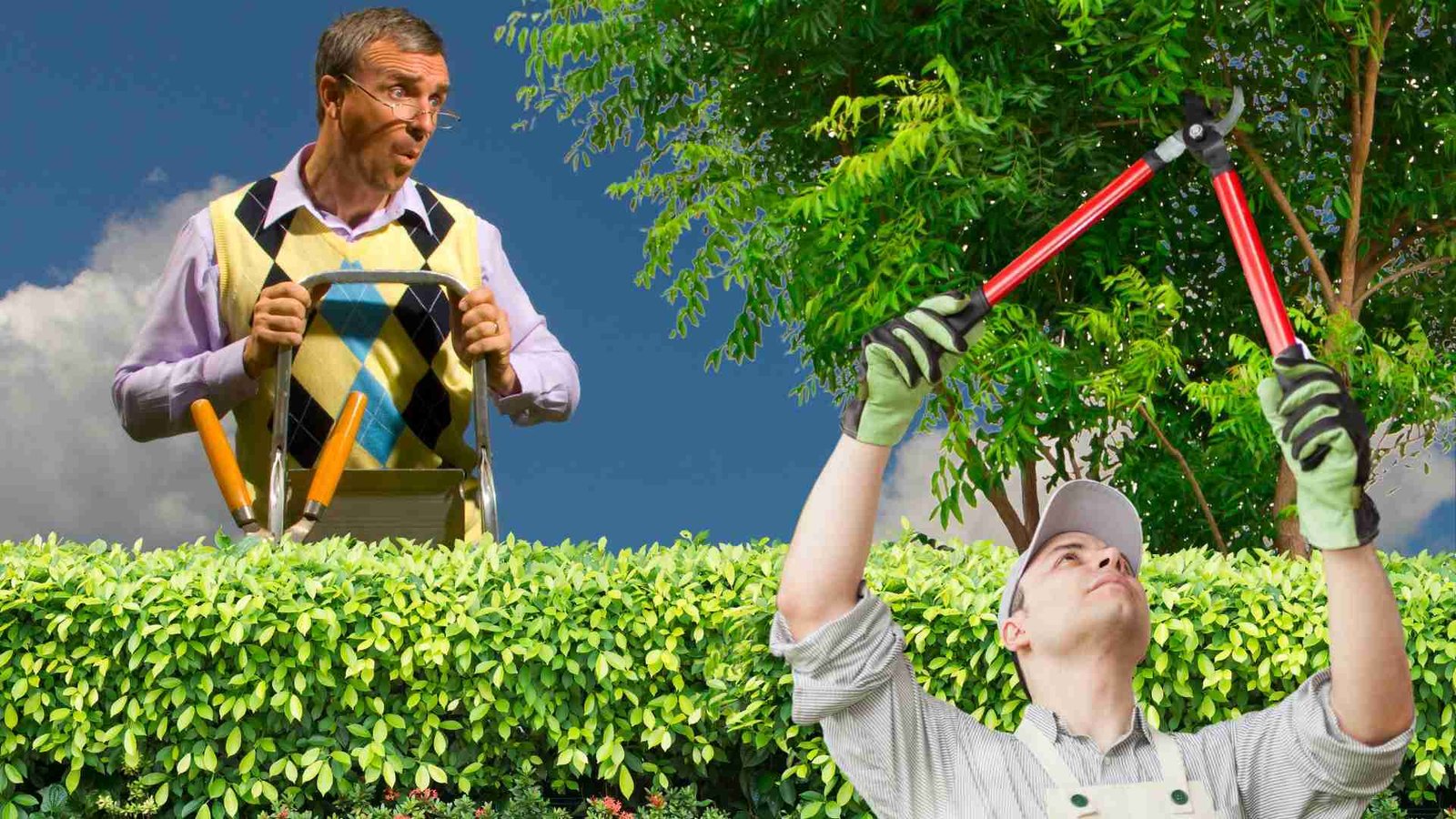
Under common law, your neighbour has the right to cut back branches or roots that encroach onto their property. However, there are important considerations and restrictions to bear in mind.
Legal Considerations
Permission and Notification
While your neighbour has the right to cut back branches or roots encroaching on their property, the law does not oblige them to ask for your permission.

However, it is considered good practice and courteous for them to inform you before taking any action. This can help maintain a good relationship and avoid potential disputes.
Duty of Care
When cutting back branches or roots, your neighbour must exercise a duty of care to avoid damaging the tree or property.
They should not trespass onto your property without permission, and any cut branches or roots must be offered back to you, as they are considered your property.
Protected Trees
Some trees are protected by Tree Preservation Orders (TPOs) or are located within a Conservation Area.
If this is the case, special permission from the local planning authority is required before any work can be done on the tree, including cutting back overhanging branches.
Unauthorized work on protected trees can result in hefty fines.
Resolving Neighbour Disputes
Communication is Key
Many neighbour disputes can be avoided through open and honest communication.
If you suspect that your tree is causing an issue, talk to your neighbour about it. Discussing the problem can often lead to a mutually agreeable solution.
Mediation Services
If communication does not resolve the issue, you might consider using a mediation service. Mediation is a way of resolving disputes without going to court.
An independent mediator can help both parties reach an agreement in a more amicable and cost-effective manner.
Legal Action
In extreme cases where mediation fails, legal action might be necessary. Before proceeding, it is advisable to seek legal advice to understand your rights and the potential outcomes of such actions.
Legal proceedings can be costly and time-consuming, so it is often considered a last resort.
Best Practices for Tree Maintenance
Regular Inspection and Maintenance

Regular inspection and maintenance of trees on your property can prevent potential disputes. This includes checking for overhanging branches or roots that may encroach onto a neighbour’s property.
Pruning and Trimming
Regular pruning and trimming can help manage the growth of trees and prevent overhang. Hiring a professional arborist can ensure that the job is done safely and correctly, especially for large or high trees.
Document Agreements
If you reach an agreement with your neighbour about tree maintenance, document it. Having a written record can prevent misunderstandings and serve as evidence if disputes arise later.
Conclusion
Understanding the legalities of tree maintenance and the rights of property owners is crucial in preventing neighbour disputes.
While your neighbour can cut back branches or roots that encroach onto their property, they should do so with care and ideally communicate with you beforehand.
By following the best practices for tree maintenance and fostering good communication, you can maintain a harmonious relationship with your neighbours and ensure that your trees remain an asset to your property.
Remember, when in doubt, seek advice from a legal professional or a certified arborist to ensure that you are in compliance with local laws and regulations.