From a landlord’s perch, you’re balancing cost, durability, and happy tenants. Flooring isn’t glamorous, but it’s the backbone of a rental that doesn’t scream “replace me every year.” Let’s cut through the noise and pin down durable options that actually hold up in real life.
What makes flooring durable in a rental anyway?
Durability in rentals isn’t about flashing a shiny finish for a week. It’s about resisting scratches, spills, moisture, and the daily awkwardness of real-life living. Think tenants dropping furniture, pets leaving their paw-prints, kids micromanaging juice boxes, and the occasional DIY project gone rogue. Durable flooring should stay cool under pressure, easy to clean, and cost-effective to replace or repair.
Key durability traits to look for:
- Scratch resistance – less is more here; you don’t want visible nicks from furniture legs or pet claws.
- Moisture resistance – especially in kitchens, bathrooms, and basements.
- Wear layer / thickness – more isn’t always better, but thicker often means longer life in high-traffic areas.
- Ease of maintenance – simple cleaning routines beat fancy products that require special cleaners.
- Ease of installation and future replacement – you’ll thank yourself when it’s time to redo a room.
Hardwood: timeless but not foolproof
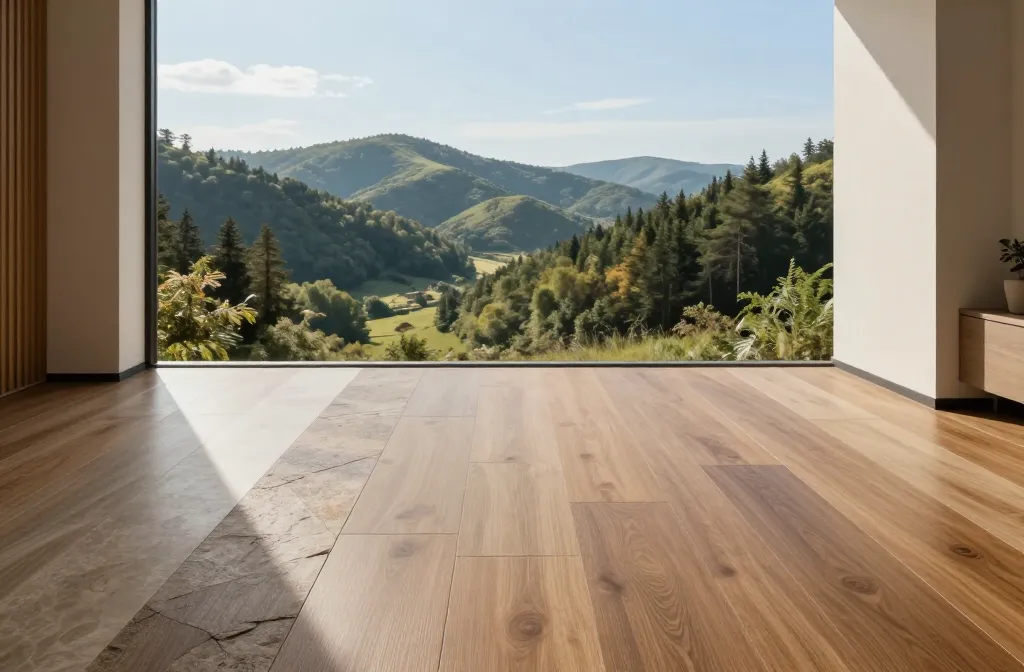
Wood floors look fantastic and can be a selling point. But how durable are they in a rental? It depends on the species, finish, and maintenance plan. If you’re leaning hardwood, consider engineered options and durable finishes.
What to know before you commit
- Engineered over solid can handle fluctuations in humidity better, which saves you from cupping and gapping.
- Choose a durable finish like aluminum oxide or polyurethane with a thick wear layer.
- Consider a satin or matte finish hides footprints and scratches better than gloss.
Pro tips for rentals with wood
- Offer area rugs in high-traffic zones to protect the finish without sacrificing style.
- Provide furniture pads to eliminate scratching from chair legs and couches.
- Regular refinishing can be scheduled in longer-term leases to refresh the surface without surprises.
Laminates and Luxury Vinyl Plank (LVP): budget-friendly heavy hitters
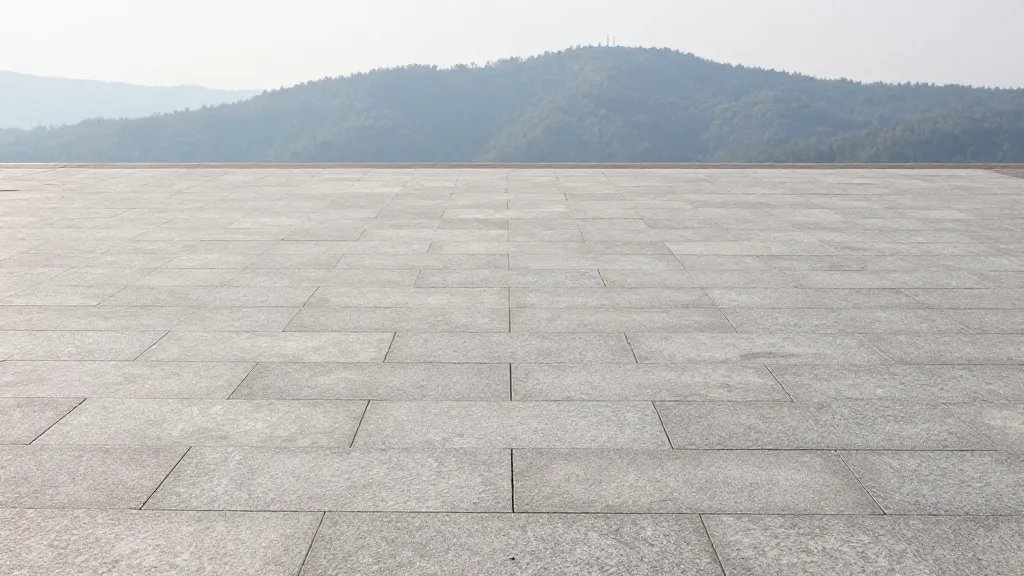
If you want the look of real wood or stone without the headaches, laminates and LVP are your best friends. They’re rugged, easy to install, and forgiving to tenants’ mishaps.
Why tenants and landlords both lean on these
- Water resistance in many products is surprisingly good, especially in modern LVP.
- Scratch resistance is solid, even with kids and pets in the mix.
- Easy to replace small areas when wear shows up—no whole-room demolition needed.
Choosing the right flavor
- For high-traffic zones, pick thicker wear layers (millimeter counts matter).
- Go for premium embossing and texture that hides minor imperfections.
- Check warranties—look for lifetime residential warranties or substantial wear-layer guarantees.
Luxury Vinyl Tile (LVT) and Planks: waterproof wonderlands
LVT takes knock-around durability to a new level. It’s essentially a floating floor that snaps together, with a lot of realistic looks.
Stats you can brag about
- Waterproof options are real—great for kitchens, baths, laundry rooms, and basements.
- Strong wear layer means less visible scuffs, even in bustling households.
- Easy to install in spaces you’d normally dread (basements, concrete slabs, etc.).
Maintenance and lifespan
- Regular sweeping and occasional mopping keep the surface pristine.
- Avoid harsh scrubbers that can dull the top layer.
- Repair strategy: minor scratches can be spot-filled; deeper damage might require panel replacement rather than a full reno.
Ceramic and porcelain tile: durability with a caveat
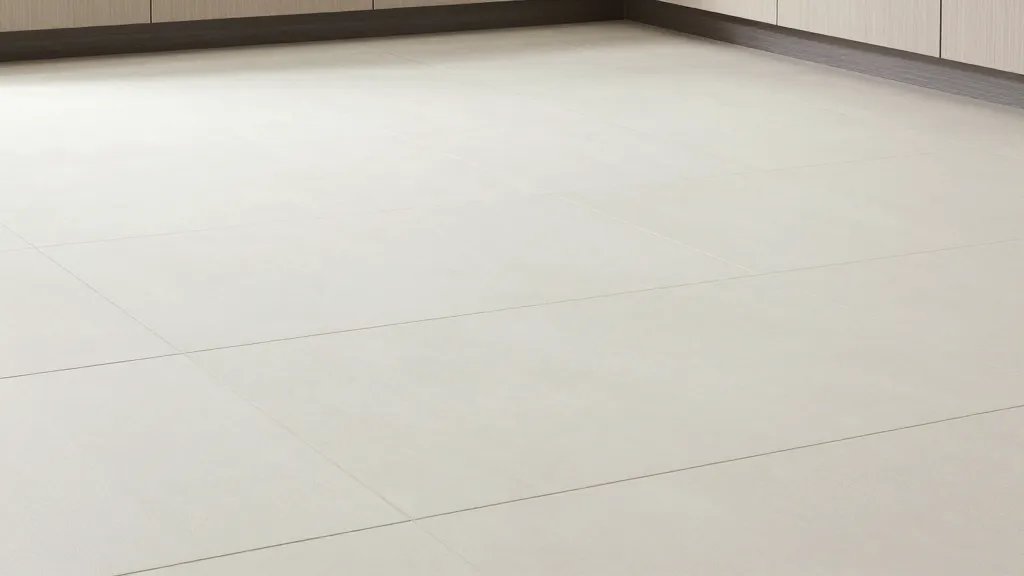
Tile is tough, especially in bathrooms and entryways. It handles water like a champ and is nearly indestructible when properly installed. The caveat? Grout.
Tiles that work well in rentals
- Porcelain and ceramic tiles with a matte or textured finish to reduce slip‑ups.
- Large-format tiles reduce grout lines and look more seamless in open layouts.
Grout matters
- Sealing grout helps prevent staining and moisture seepage. Do it during install, then re-seal as recommended.
- Consider epoxy or cementitious grout for maximum stain resistance in high-traffic zones.
Carpet: comfort with caveats
Carpet is warm and cozy, which tenants often love. It’s not the most durable choice in high-traffic rentals, but it can work in bedrooms or low-traffic spaces if you pick the right fiber and pad.
Smart carpet decisions
- Low-pile or textured loop fibers resist crushing and vacuuming hassles better than plush.
- Stain-resistant carpets are a perk, but remember they’re not magic—spill cleanup matters.
- Underpad quality matters as much as the carpet itself for longevity and comfort.
Why some landlords still choose carpet
- Soft underfoot in bedrooms can reduce wear in other rooms by shifting activity away from carpeted zones.
- Replacement costs in high-traffic areas can be lower than hard-surface options—depends on the market and patchwork opportunities.
Installing and maintaining for longevity
No matter what you pick, installation quality and ongoing care determine how long floors actually last in a rental.
Installation tips that save you money
- Hire pros for waterproof products or when mold risk exists. Poor installation leads to expensive headaches.
- Make sure subfloors are clean, dry, and level. Uneven surfaces ruin wear and feel.
- Ask about underlayment and expansion gaps. Drying times and temperature control matter for how floors settle.
Maintenance that extends life and keeps tenants happy
- Provide a simple cleaning guide for tenants—what to use, what to avoid, and how often to mop.
- Reinforce the habit of quick spill cleanup to prevent staining in carpet and grout in tile.
- Annual checks: look for loose planks, grout cracks, or wear hotspots and address them before they snowball.
Cost, value, and landlord-friendly trade-offs
Choosing durable flooring is a balancing act between upfront cost, maintenance, and tenant experience. You want a floor that lasts, looks good, and doesn’t bankrupt you when a tenant moves out.
Numbers that matter
- Upfront cost per square foot: hard surfaces (LVP, tile) can be affordable; real wood costs more but adds appeal.
- Replacement cost per square foot: plan for spot repairs vs. full room redo.
- Maintenance cost over time: cleaners, sealants, and occasional refinishing—budget for them.
Smart strategies to stretch dollars
- Choose floors that you can repair in place rather than ripping out—LVP and certain tiles shine here.
- Bundle rooms with similar materials to simplify ordering and installation and maybe snag a bulk discount.
- Document the floor’s condition at move-in and move-out to avoid tenant disputes—photos are your friends.
What I’d actually pick for a typical rental
If I’m outfitting a mid-range rental that sees a lot of family traffic and the occasional pet, I’d lean toward a layered approach:
- Living areas: LVP with a robust wear layer. It looks great, resists moisture, and wears like iron with the right finish. FYI, avoid ultra-thin wear layers unless you’re absolutely strapped for cash.
- Bedrooms: either LVP or a mid-grade carpet with good underpad. Keeps things cozy but avoids squeaky drama in high-traffic zones.
- Bathrooms and kitchens: porcelain or ceramic tile with epoxy grout. Water resistance is king here.
- Basement or laundry: LVP or tile—avoid moisure-prone options that warp easily.
DIY-friendly fixes and replacements
A rental isn’t a spa retreat; it’s a place people live and occasionally spill soup on. When damage happens, quick, straightforward fixes save you a lot of headaches.
Spot fixes that actually save you time
- Pea-sized gouges in LVP? Replace the affected plank rather than redoing the entire floor.
- Shattered tile or grout cracking? Patch epoxy grout and replace the damaged tile if needed.
- Stains on carpet from kids or pets? Consider carpet tiles for easy replacement in small patches.
When to call in the pros
- Water damage, mold risk, or structural concerns require trained hands.
- Complex leveling issues or radiant heat systems demand professional installation.
FAQ
How long does flooring typically last in a rental?
It depends on the material, traffic, and maintenance. LVP and tiles often last 15–25 years in rentals with proper care. Engineered wood can stretch to 15–20 years, while solid hardwood might go beyond 20 with regular upkeep. Carpets vary, but expect around 8–12 years in busy homes.
Is LVP really as durable as people say?
Yes, for the most part. It handles moisture well, resists scratches, and is easy to replace if a panel gets wrecked. Look for a thick wear layer and a reputable warranty. IMO, the best value tends to come from mid-to-high wear layer products rather than the cheapest options.
What’s the cheapest durable flooring option that still looks nice?
In many cases, LVP is your best bet. It mimics wood or stone without the price tag or humidity headaches. Ceramic or porcelain tile can also be affordable per square foot and incredibly long-lasting, especially in bathrooms and kitchens.
How do I handle tenant damage without breaking the bank?
Document everything at move-in, use durable materials, and save up for targeted replacements. Consider carpet tiles or modular planks for easy repair. A proactive maintenance plan and a clear damage policy cut both costs and friction during turnover.
Should I offer different flooring in different rooms?
Often yes. A single flooring type across high-traffic zones keeps the look cohesive and cost down, while adding a more premium option in living areas or entryways can boost appeal. The key is balance and practicality—don’t overcomplicate the install or future replacements.
Conclusion
Durable flooring for rentals isn’t the sexiest decision, but it’s one of the smartest moves you can make. It protects your investment, keeps tenants happy, and makes turnover smoother than a fresh coat of wax on a shiny car. Whether you go with LVP, tiles, engineered wood, or budget-friendly carpet, pick options with strong wear layers, good moisture resistance, and easy maintenance. FYI, a little planning now saves a mountain of headaches later. If in doubt, lean on the basics: water resistance where it matters, replaceable zoning, and materials that handle the chaos of real life with style.