From dripping faucets to ruined drywall, DIY seems like a superpower until it isn’t. You grab a tool, a YouTube tutorial, and boom—costly mistakes that sting long after the project is “done.” Let’s cut through the noise and talk about the everyday missteps that quietly drain your wallet. FYI, you don’t have to be a pro to avoid them.
1) Skipping the Plan: Sketch It Out Before You Hammer
Have you ever started a project with a vague goal and a vague timeline? Yep, that’s how you end up with mismatched parts and a cascade of “oops.” Planning isn’t boring—it’s money in your pocket.
– Define the scope: What are you fixing, replacing, or upgrading? Write it down.
– Gather exact measurements: Measure twice, cut once, right? Make a quick checklist so you don’t buy the wrong thing twice.
– Budget buffer: Add 10-15% to your material costs for the inevitable extra screws, sealant, or the “oh crap” item you forgot.
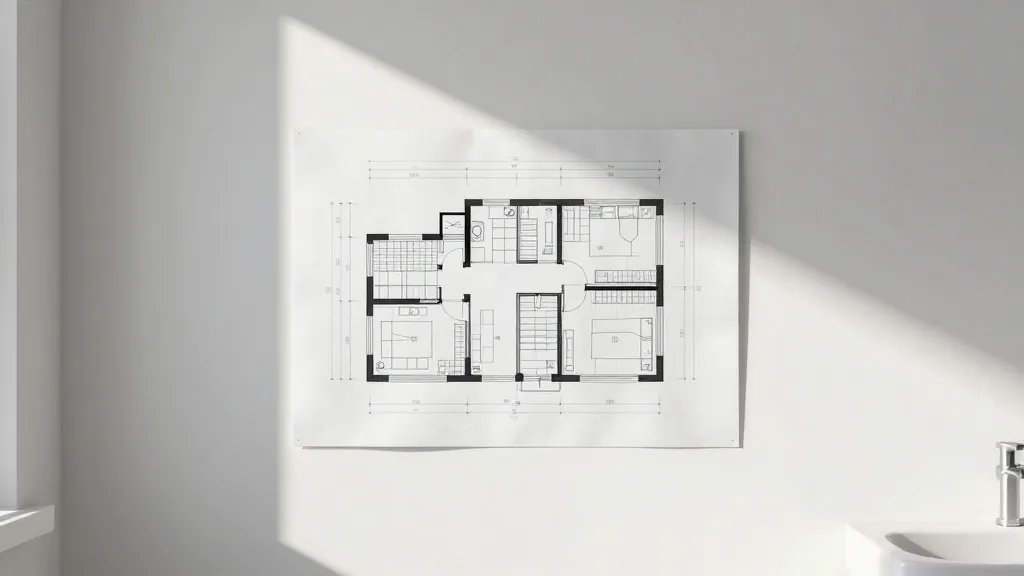
Subsection: When a blueprint saves you a refund check
If you skip the plan, you’ll likely waste time and materials. A simple sketch, a list of materials, and a rough timeline keep you from mid-project detours. It’s not nerdy; it’s practical.
2) Underestimating the Basics: Tools, Safety, and Prep
DIY magic happens with the right tool for the job and a respect for safety. Skimping here costs more than money—risk and regrets.
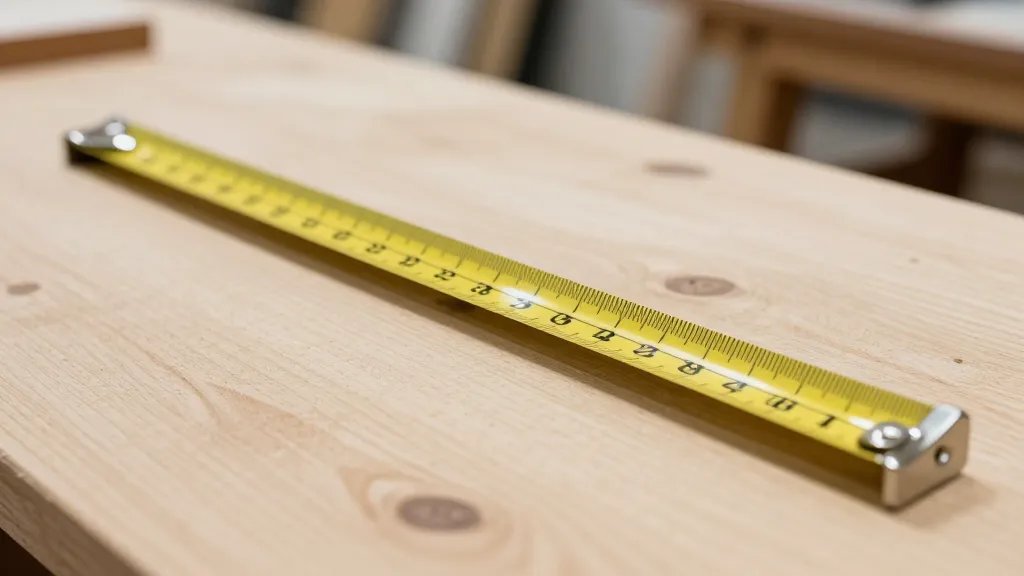
– Tool basics: A decent drill, a level, a tape measure, and a stud finder go a long way. Don’t turn a simple shelf into a broken wall by guessing.
– Safety first: Goggles, gloves, and proper ventilation aren’t optional accessories; they’re life jackets.
– Prep matters: Clean the area, remove obstacles, and protect floors. A little prep prevents big cleanup later.
Subsection: The “I’ll DIY it, I’ll figure it out” syndrome
If you buy a power tool for one project and barely use it again, you wasted money—and time. Renting or borrowing for occasional projects can be smarter than a shiny, rarely-used gadget hoard.
3) Bad Fastening and Fitting: Screws, Nails, and Joints That Never Sit Still
Fasteners are the quiet budget killer. Skipping torque specs, wrong screws for the material, or shallow holes leads to saggy shelves, wobbly decks, and leaks where you really don’t want leaks.
– Material match: Use corrosion-resistant screws for outdoor work; wood-specific for wood; masonry for brick.
– Pilot holes: Don’t skip them. They prevent splitting and reduce stripped screws.
– Load considerations: Don’t mount a heavy TV with drywall anchors alone. Consider studs or proper anchors.
Subsection: The difference between “good enough” and “holds up for years”
If you ignore load ratings, you’ll be replacing the same thing sooner than you think. It’s not sexy, but reputation for sturdy work pays off in the long run.
4) Plumbing Pitfalls: Drips, Leaks, and Welcome Mats for Water Damage
Plumbing disasters feel dramatic, but they often start with tiny mistakes: overtightening, mis-sizing, or ignoring proper sealants.
– Don’t over-tighten fittings: It strips threads and causes leaks. Hand-tight plus a quarter-turn is usually plenty.
– Right materials: PEX, copper, PVC? Use the right type for the job and don’t mix incompatible systems.
– Sealant sanity: Use plumber’s tape where it’s appropriate and don’t overdo it. Too much tape equals a slippery future.
Subsection: When DIY becomes flood control
A small leak can turn into a bestseller for your water bill. If you’re unsure about turning off the main or dealing with pressure, call a pro before you flood the living room.
5) Electrical Errors: Don’t Let Sparks Be the Original Soundtrack
Electricity is where DIY goes from satisfying to dangerous quickly. Respect the rules, or you’ll end up with more than a burnt outlet.
– Know your limits: If it involves wiring, breakers, or old wiring, consider a pro. You don’t want a DIY scare montage in your home.
– Proper outlets and GFCIs: Outdoor outlets and bathrooms need appropriate protection. Don’t skip the safety features.
– Wire sizing and box fill: Use the right gauge for the load and don’t overfill electrical boxes.
Subsection: Quick win checks
– Turn off power at the main breaker before you start.
– Test circuits with a tester before touching wires.
– Label breakers so you can shut things off quickly in an emergency.
6) Flooring and Finishing: A Visible Slap in the Face

Cosmetics can be deceiving. You might have painted walls that look fine in the store lighting, but once you walk on them at home, you notice wobbly edges, gaps, and uneven surfaces.
– Surface prep matters: Sand, clean, and prime before paint or finish. Skipping prep costs you coverage and vibes.
– Adhesives: Use the right adhesive for the floor material. Subfloors aren’t all the same.
– Transitions: Don’t forget transition strips between rooms. They hide gaps and create a polished look.
Subsection: DIY paint mistakes to avoid
– Too thick coats cause drips and uneven color. Apply multiple thin coats for a smoother finish.
– Don’t paint over glossy surfaces without degreasing and priming. Nothing sticks to slick surfaces forever.
7) HVAC and Insulation: Comfort That Won’t Break Your Bank (Or Your Back)
Heating and cooling costs creep up with DIY mistakes. Poor insulation, leaky ducts, or clogged filters can make your home feel drafty and expensive to heat or cool.
– Seal leaks: Use caulk and weatherstripping around doors and windows.
– Check ducts: Leaky ducts waste energy and money. A quick seal or replace damaged sections.
– Filters matter: Change HVAC filters regularly. It saves energy and extends system life.
Subsection: When to call the pros
If you’re encountering unusual smells, uneven heating, or a complex duct network, bring in a professional. It’s not a waste of time; it’s saving you money in the long run.
FAQ
What are the biggest DIY mistakes homeowners make that cost a lot of money?
Common culprits include skipping a plan, using the wrong materials for the job, underestimating safety and prep, and ignoring proper fasteners or electrical and plumbing guidelines. A little planning, better material choices, and respecting limits can save big bucks.
How can I tell when I should hire a pro instead of DIY?
If the project involves electrical work beyond basic outlets, major plumbing, structural changes, or anything with gas lines, call a pro. If you feel unsure about your safety or if you’re facing code compliance issues, it’s smarter to get an expert.
What are smart ways to save on DIY mistakes without sacrificing quality?
– Plan thoroughly and measure twice.
– Use the right tools and proper safety gear.
– Invest in a few high-quality items rather than many cheap ones.
– Don’t rush; take breaks to rethink the approach.
– Consider renting tools for one-off jobs to avoid clutter and storage costs.
How can I prevent water damage from DIY plumbing projects?
Turn off the main supply before you start any work, use appropriate sealants or tapes, test fittings for leaks after completion, and don’t ignore small drips. If you see signs of a leak you can’t fix easily, call a pro before it becomes a flood.
Are there budget-friendly resources to learn more without messing up my home?
Yes. Reputable home improvement channels, local community college classes, and library resources can boost your skills. Look for guides focusing on your specific project and always cross-check with professional recommendations.
Conclusion
DIY can be incredibly rewarding and money-saving when you do it right. The key is acknowledging limits, planning well, and choosing the right moment to call in a pro. With a bit of preparation, the right materials, and a pinch of humor, you’ll avoid the big mistakes that cost homeowners more than a few extra bucks. So next time you eye a project, ask yourself: have I planned, prepared, and protected my home properly? If the answer is anything less than a confident yes, take a beat, regroup, and tackle it smarter. You’ve got this.