
It’s tough enough to find a decent rental; turning a standard property into an HMO honestly feels like a superpower. You get more rooms, more income, and yes, more headaches to juggle. Let’s cut to the chase: here’s how to convert properties into HMOs without losing your mind.
Why convert a property into an HMO in the first place?
Short answer: more doors, more dollars. A properly run HMO can push rental yields well beyond a typical single-let. You’ll diversify your tenant base, reduce vacancy risk, and often benefit from more efficient use of space. But it’s not free money—extra regulations, safety checks, and management intensity come with the territory. FYI, it’s a numbers game: higher rent per room can be offset by higher operating costs. Are you ready to handle that balance?
First things first: planning and feasibility

Before you lift a single floorboard, answer a few blunt questions:
- Is the layout viable? Do you have enough bathrooms and common areas?
- What’s the local demand? Are students, professionals, or families the target?
- What licensing or planning permissions do you need?
Doing your homework up front saves you from expensive surprises later. IMO, sit down with a map of the property and sketch out room placements, then cross-check with a local agent or council guidelines. It’s not glamorous, but it’s smarter than discovering a zoning issue after you’ve invested.
Step-by-step: the conversion process
Converting a house into an HMO is a marathon, not a sprint. Here’s a practical path you can actually follow.
1) Check licensing and planning requirements
– Some councils require HMO licensing for three or more tenants in one property, with certain room counts or property sizes.
– Some areas have additional constraints, like mandatory fire safety measures or minimum room sizes.
– Pre-emptive chat with the local council can save you months of hassle.
2) Safety first: fire, health, and safety checks
– Install hard-wired smoke alarms on every floor and in all living spaces.
– Provide clear escape routes and doors that open clearly.
– Consider fire doors where needed and ensure proper signage.
– Speak with a qualified electrician about separate power circuits for each unit if you’re splitting meters.
– Create a simple, documented safety plan for tenants. It’s not just polite—it’s a legal shield.
3) Design the space for living well
– Plan a mix of private bedrooms and shared spaces. Aim for functional layouts that maximize natural light and reduce noise bleed.
– Each room should have adequate egress, ventilation, and climate comfort.
– Shared kitchens and bathrooms should be easy to clean and maintain with durable surfaces.
– Storage matters. Build a little scrubby nook for cleaning supplies and a small wardrobe in each room.
4) Plumbing, electrical, and utilities setup
– Separate meters are a nice-to-have for easy rent charging, but they aren’t always required. Check feasibility and cost.
– Ensure plumbing fixtures are sized for peak usage and installed by a licensed plumber.
– Use energy-efficient appliances to keep heating bills from spiraling. FYI, tenants appreciate low-running costs that don’t burn a hole in their wallets.
5) Furnishing and room standards
– Furnish rooms with a solid bed, desk, chair, and adequate storage.
– Keep a standard set of amenities for all rooms to keep management simple.
– Create a checklist for landlords and tenants so everyone knows what’s included and what isn’t.
6) Marketing and letting strategy
– Decide whether you’ll target students, professionals, or a mix. Each group values different features.
– Stage the property to emphasize communal spaces and the convenience of multiple bedrooms.
– Draft clear tenancy agreements that cover shared areas, noise policies, and maintenance expectations.
Red flags and deal-breakers to watch for

Not every house makes a great HMO. Here are warning signs you should not ignore.
- Poor structural condition or dubious electrical wiring. You’ll regret it every winter when the thermostat breaks and the trip switch trips constantly.
- Inadequate bathroom ratio. If there aren’t enough bathrooms for the number of tenants, expect chaos and complaints.
- Unclear access to exits. Fire safety doesn’t take holidays.
- Local restrictions that outright ban HMOs or impose heavy licensing burdens. If the council makes it a nightmare, it’s probably not worth the trouble.
Financing and budgeting: what you actually need to plan for
Converting costs can sneak up on you. Here’s a lean budgeting outline to keep you from buying a fantasy project.
- Acquisition cost: purchase price, stamp duty, and buying costs.
- Conversion works: building, plumbing, electrical, fire safety, and any required refurbishments.
- Furnishings and fittings: beds, wardrobes, kitchen appliances, furniture for common areas.
- Licensing and professional fees: surveys, planning advice, and any licensing fees.
- Ongoing costs: maintenance, utilities, cleaning, and property management if you hire help.
- Contingency: a reserve fund for unexpected issues—storms, boiler failures, or a rogue tenant who somehow floods the place.
Managing an HMO: tenants, maintenance, and money
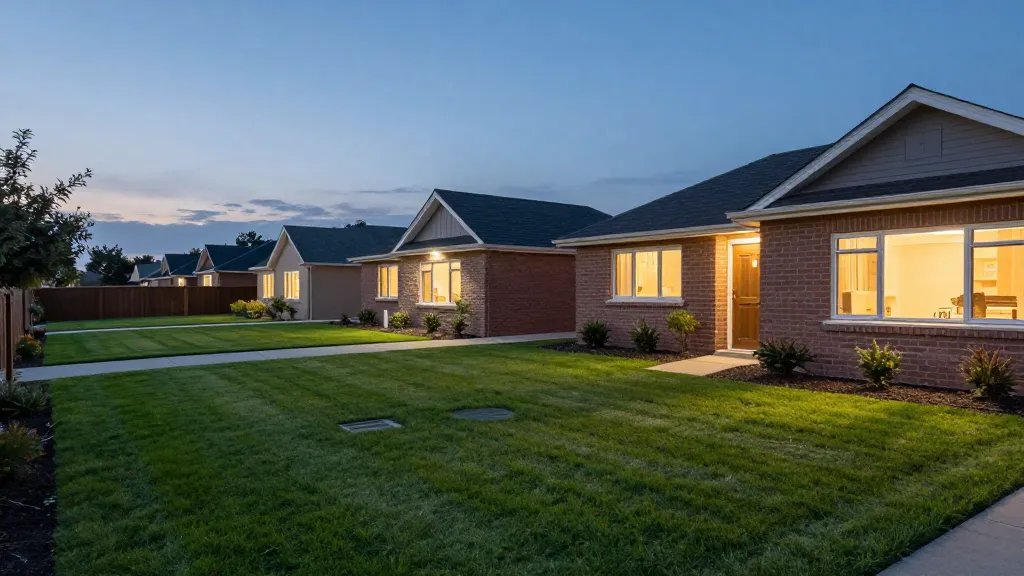
Let’s face it: HMOs can be a lot of fun, and they can be a lot of work. Here are practical tips to keep the ship sailing smoothly.
Tenant selection and contracts
– Use a robust reference process to reduce voids and problem tenants.
– Have a clear tenancy agreement that outlines shared responsibility, house rules, and rent payments.
– Consider joint and several liability clauses so you’re not left chasing one bad apple.
Maintenance and housekeeping
– Schedule regular inspections with plenty of notice.
– Keep a straightforward system for reporting repairs. Quick response times = happier tenants.
– Outsource cleaning for shared spaces if needed; consistent standards matter.
Financial management
– Set up a reliable rent collection process. Online payments with reminders help everyone stay on top.
– Track income and expenses meticulously. A simple spreadsheet works, but you might want a property management software if you’ve got multiple HMOs.
– Build a cash reserve for emergency fixes. Nothing ruins a month like an unplanned boiler swap.
Case study tease: learning from real conversions
Let me drop a quick, real-world snapshot. A mid-sized terrace house in a university town became an eight-bedroom HMO after some thoughtful reconfiguring. They added two extra bathrooms, a larger shared kitchen, and soundproofing between floors. Within six months, rents per room covered mortgage and maintenance, and occupancy stayed steady around 92%. The caveat? They stayed on top of licensing and safety compliance from day one. If they’d skipped the safety checks, the dream would’ve collapsed into a nightmare.
Common myths about HMOs debunked
– Myth: HMOs are illegal or always heavily regulated. Reality: Regulations exist, yes, but many areas welcome well-run HMOs with proper licensing and safety measures. Do your homework.
– Myth: HMOs mean you’ll never have vacancies. Reality: Vacancies happen, especially during summer. A clear letting strategy helps you fill spaces faster.
– Myth: You must be a landlord expert to start. Reality: You don’t need to be a wizard, but you do need to be a student of your market and a solid project manager.
FAQ
What’s the first thing I should do if I want to convert to an HMO?
Begin with a feasibility check: confirm planning and licensing requirements with the local council, assess the layout for enough bedrooms and bathrooms, and estimate costs. It’s your due diligence sprint, not a leap of faith.
Do I need separate meters for utilities in an HMO?
Not always, but it’s nice to have. Separate meters simplify rent recovery and tenant accountability. Check cost vs. benefit with an electrician and your energy supplier. If you can’t do separate meters, plan a fair, simple utility bill split method.
How long does a typical HMO conversion take?
It depends on your property and approvals. A straightforward internal reconfiguration with safety upgrades might take a few weeks to a couple of months. Add planning permissions and licensing, and you’re looking at several months. FYI, factor in lead times for contractors and inspections.
What license do I need for an HMO?
Licensing varies by location. Some councils require HMO licenses for properties meeting specific criteria (like number of tenants or bedrooms). Others impose fire safety or building code standards. Check with your local council to get exact requirements.
How do I manage tenants in a shared house without turning into a babysitter?
Set clear house rules, establish a fair rent and maintenance system, and create a simple tenant portal or notification method. Proactive communication, predictable routines, and a reliable maintenance process keep the peace without you micromanaging every day.
Conclusion
Converting a property into an HMO isn’t a stroll through a sunny garden. It’s more like assembling a puzzle where every piece has to fit just right: layout, safety, licensing, and a solid management plan. When you nail the basics, you unlock a space that’s productive, resilient, and genuinely livable for tenants. It’s not magic, it’s meticulous planning plus a touch of pragmatism. Ready to dive in? IMO, with the right prep, you’ll turn that ordinary house into a thriving HMO that earns its keep while keeping tenants happy.