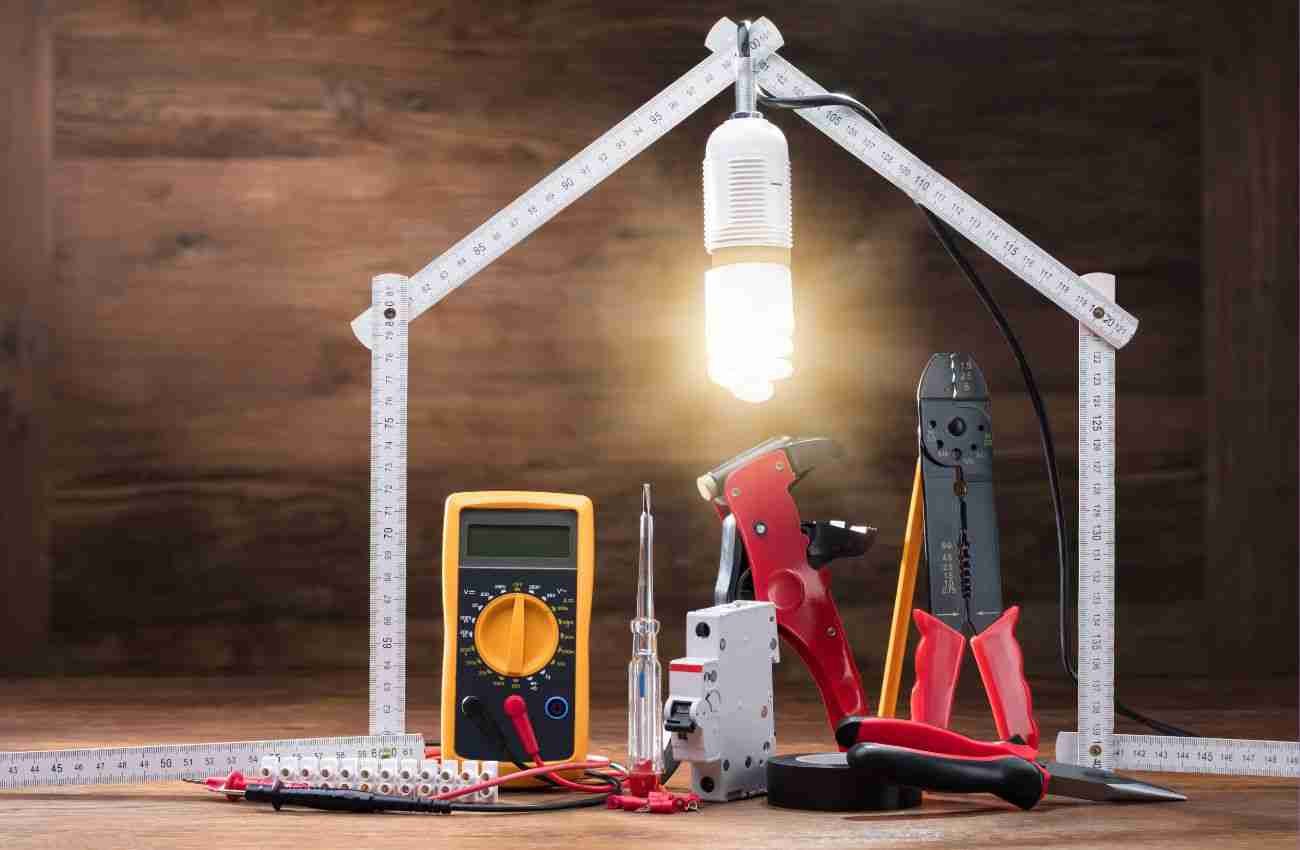
Rewiring a home is a major project that enhances both the safety and efficiency of a property’s electrical system.
Cost of Rewiring a House
For UK homeowners, being aware of the expenses involved is essential for proper budgeting and planning.
This in-depth guide explores the key factors that impact the cost of house rewiring in the UK, offering valuable insights to help homeowners make well-informed choices.
Understanding the Importance of Rewiring
Electrical wiring degrades over time due to factors like wear and tear, environmental conditions, and technological advancements.
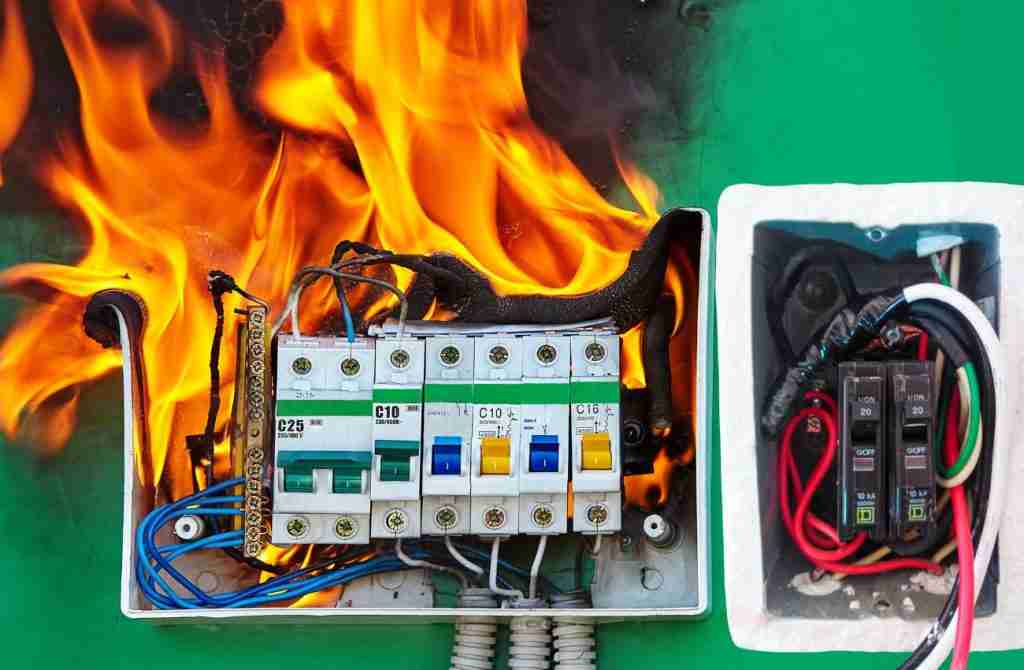
Outdated or faulty wiring not only poses safety hazards, such as electrical fires and shocks, but can also lead to inefficiencies in energy consumption. Rewiring ensures compliance with current safety standards and enhances the overall functionality of a home’s electrical system.
Factors Influencing the Cost of Rewiring
Several key factors impact the overall cost of rewiring a house in the UK:
- Size of the Property: Larger properties require more materials and labor, leading to higher costs. For instance, a three-bedroom house will generally cost more to rewire than a one-bedroom flat.
- Age and Condition of Existing Wiring: Older homes may have outdated wiring systems that are more challenging to replace, potentially increasing labor time and costs.
- Property Layout and Accessibility: Complex layouts or limited access to wiring areas can complicate the rewiring process, leading to increased labor and time requirements.
- Quality of Fixtures and Fittings: Choosing higher-end sockets, switches, and other fixtures can significantly increase the overall cost.
- Geographical Location: Labor rates vary across the UK, with urban areas, particularly London, typically experiencing higher costs compared to rural regions.
- Additional Work: Supplementary tasks such as installing new lighting fixtures, additional sockets, or upgrading the consumer unit (fuse box) can add to the total expense.
Average Costs Based on Property Size
While costs can vary based on the factors mentioned, the following estimates provide a general idea of how much to rewire a house in the UK:
| Property Type | Estimated Cost |
|---|---|
| 1-Bedroom Flat | £3,000 – £4,800 |
| 2-Bedroom House | £4,800 – £5,500 |
| 3-Bedroom House | £4,000 – £8,000 |
| 4-Bedroom House | £6,080 – £9,380 |
| 5-Bedroom House | £7,500 – £12,500 |
(Source: MyBuilder)
Labor Costs
Labor constitutes a significant portion of rewiring expenses. On average, electricians in the UK charge between £25 and £50 per hour, or a daily rate of around £320. The total labor cost will depend on the project’s complexity and duration.
(Source: Checkatrade)

Duration of Rewiring Projects
The time required to complete a rewiring project varies based on property size and complexity:
| Property Type | Time Required |
| 1-Bedroom Flat | 4 – 7 days |
| 2-Bedroom House | 4 – 7 days |
| 3-Bedroom House | 5 – 7 days |
| 4-Bedroom House | 7 – 10 days |
| 5-Bedroom House | 10 – 15 days |
(Source: MyBuilder)
Additional Costs to Consider
Beyond the primary rewiring expenses, homeowners should anticipate additional costs:
- Electrical Installation Condition Report (EICR): Before rewiring, an EICR assesses the current state of the electrical system. Costs range from £150 for a 1-bedroom flat to £375 for a 5-bedroom house.
- Plastering and Decoration: Rewiring often involves channeling walls, necessitating plastering and redecorating afterward.
- Temporary Accommodation: Given the disruptive nature of rewiring, some homeowners may choose to stay elsewhere during the process, adding to overall expenses.

Steps to Ensure Accurate Cost Estimation
To obtain a precise price to rewire a house, homeowners should:
- Conduct an EICR: This report identifies the extent of rewiring needed.
- Obtain Multiple Quotes: Solicit detailed quotes from at least three qualified electricians to compare prices and services.
- Check Qualifications: Ensure the electrician is registered with a recognized body, such as NICEIC or NAPIT, to guarantee adherence to safety standards.
- Discuss Specific Requirements: Clearly outline any additional features or specific materials desired to ensure they are included in the quote.
Potential Funding and Grants
Homeowners may explore available grants or funding options to offset how much does rewiring a house cost:
- Government Grants: Occasionally, grants are available for energy efficiency improvements, which can include electrical upgrades. Eligibility criteria vary, so it’s advisable to consult local authorities or official government websites for current information.
- Energy Company Obligations (ECO): Some energy suppliers offer schemes to improve home energy efficiency, potentially covering part of the rewiring costs.
Conclusion
Understanding the cost of rewiring a house in the UK is essential for homeowners planning an electrical upgrade. Factors such as property size, age, layout, and geographical location influence how much to rewire a house, with costs ranging from £3,000 to £12,500 depending on these variables.
By obtaining multiple quotes, ensuring electricians meet industry standards, and exploring financial assistance options, homeowners can make well-informed decisions regarding the price to rewire a house.
While the investment may seem substantial, it ensures safety, compliance with regulations, and improved energy efficiency in the long run. Find a local electrician