Navigating the world of council tax can be a complex task, especially when it comes to empty properties.
Council Tax On Empty Property For Sale:
If you’re a property owner with an empty property for sale, you might be wondering about your council tax obligations.
Do you still need to pay council tax?
Are there ways to avoid it?
This article aims to shed light on these questions. We’ll explore the intricacies of council tax as it pertains to empty properties, providing clear guidance on your financial responsibilities.
Whether you’re a seasoned real estate investor or a first-time seller, this guide will help you understand the ins and outs of council tax on empty properties.
Understanding Council Tax on Empty Properties

Council tax is a local tax in the UK. It’s used to fund local services like rubbish collection and street cleaning.
An ’empty property’ for council tax purposes is one that is unoccupied and substantially unfurnished. This definition is crucial when determining your council tax obligations.
The general rule is that council tax is charged on all properties, whether occupied or not. However, there are exceptions and potential discounts, which we’ll explore later.
Remember, council tax rules can vary by location, so always check with your local council.
Do You Pay Council Tax for an Empty Property?
Yes, in most cases, you do pay council tax for an empty property. This is a common misconception among property owners.
However, the amount can vary. It depends on how long the property has been empty and the local council’s policies.
Some councils offer a discount for the first few months. Others may charge an extra ’empty homes premium’ for properties empty for two years or more.
How to Avoid Paying Council Tax on an Empty Property
Avoiding council tax on an empty property is not always possible. However, there are certain circumstances where you can get a discount or even an exemption.
For instance, if the property is undergoing major repair work or structural changes, you may be exempt. The same applies if the property is left empty by someone who has moved into a care home.
Here are some steps you can take:
- Inform your local council about the status of your property.
- Apply for any applicable discounts or exemptions.
- Keep all records and documentation related to your property’s status.
Remember, the rules can vary between different local councils. Always check with your local council for the most accurate information.
Exemptions and Discounts for Empty Properties
There are several exemptions and discounts available for council tax on empty properties. These can significantly reduce your financial burden.
Here are some common exemptions:
- Properties left empty by someone who has moved into a care home.
- Properties undergoing major repair work or structural changes.
- Properties that are empty due to the owner passing away (probate).
Remember, these exemptions vary between local councils. Always check with your local council to understand what exemptions and discounts you may be eligible for.
Legal Obligations and Penalties
As a property owner, you have legal obligations regarding council tax. You must inform your local council if your property becomes empty.
Failure to do so can result in penalties. These can include fines or even prosecution in severe cases.
Always ensure you meet your legal obligations to avoid unnecessary complications.
Selling Your Property: Council Tax Considerations
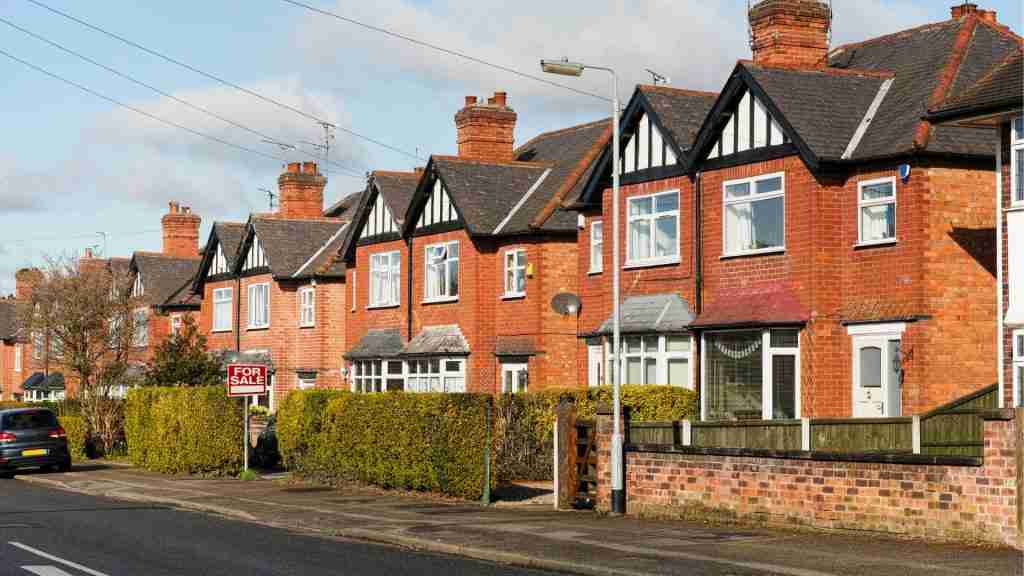
When selling an empty property, council tax can be a factor. It may be included in the costs of selling.
Always check with your local council for specific rules and regulations.