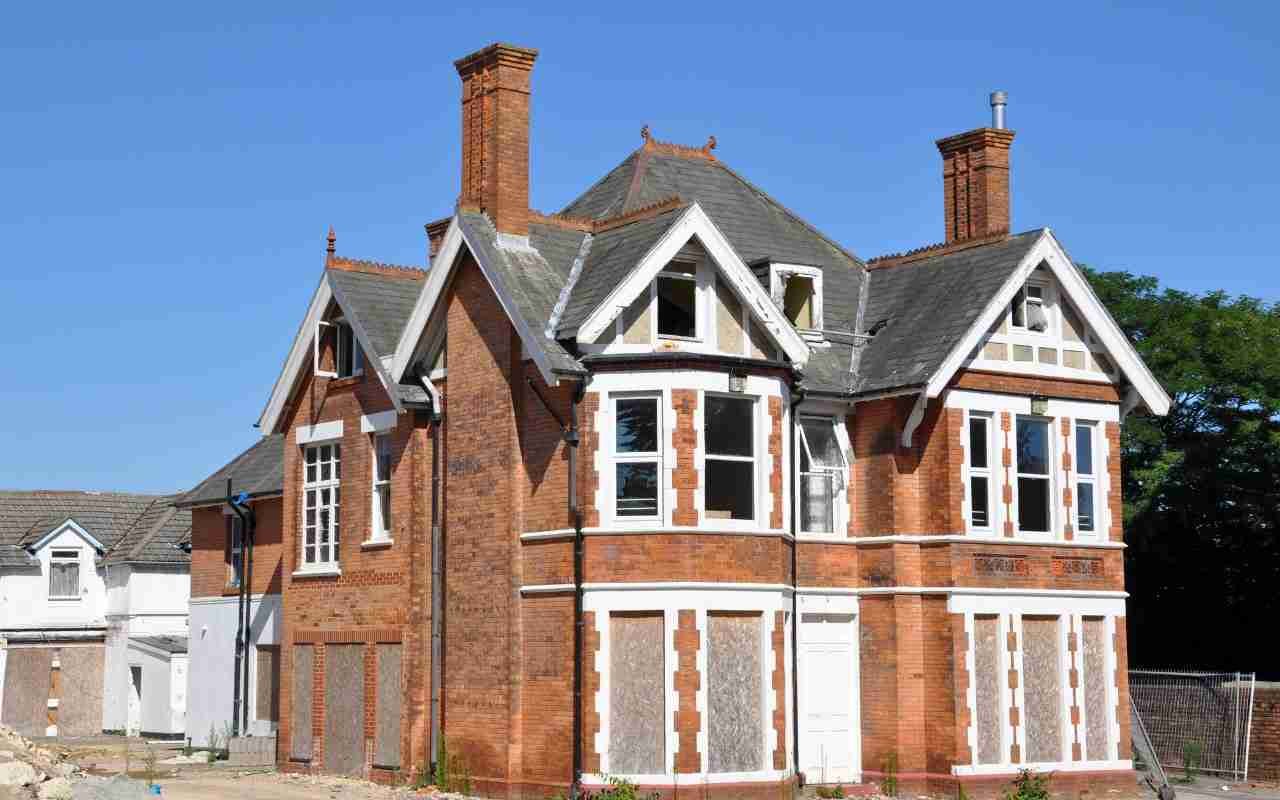
Finding a derelict property for sale in the UK can be an exciting venture, offering the potential for significant investment returns or the chance to create a unique home.
However, the journey from discovering a vacant derelict property to restoring it involves careful planning, legal navigation, and resourceful searching.
In this comprehensive guide, we will explore where and how to find these properties, the steps to purchase them, and the legal challenges you may encounter.
What is a Derelict Property?

Definition of a Derelict Property
A derelict property is a building or structure that has fallen into disrepair and is no longer in use.
These properties can be found in various locations, including rural areas, towns, and cities, and can range from small cottages to large farmhouses and barns.
Derelict properties often require significant renovation and restoration to make them habitable again.
Whether it’s a quaint cottage nestled in the countryside or a sprawling farmhouse with acres of land, these properties offer a unique opportunity for those willing to invest time and resources into their transformation.
Types of Derelict Properties
Derelict properties can be categorized into several types, each offering different opportunities and challenges:
- Residential Properties: These include houses, cottages, and apartments that have been abandoned or neglected. They often have unique architectural features and are situated in desirable locations.
- Commercial Properties: These encompass shops, offices, and other business premises that are no longer in use. They can be repurposed for various commercial ventures or converted into residential spaces.
- Agricultural Properties: This category includes farmhouses, barns, and other outbuildings that are no longer used for farming or agricultural purposes. These properties often come with large plots of land, ideal for those looking to create a rural retreat.
- Industrial Properties: Factories, warehouses, and other industrial buildings that have fallen into disuse. These properties can be transformed into trendy loft apartments or commercial spaces, depending on their location and structure.
Each type of derelict property presents its own set of opportunities and challenges, making it essential to carefully consider your goals and resources before making a purchase.
Why Consider Derelict Properties?
Before diving into the specifics of finding a derelict property for sale, it’s important to understand why such properties are worth considering:
- Affordability: Derelict properties often come with a lower price tag compared to move-in-ready homes.
- Customization: Buyers have the opportunity to renovate and design the property according to their preferences.
- Investment Potential: With the right investment, derelict properties can significantly appreciate in value.
- Unique Character: Many derelict properties have historical and architectural features that new builds lack.
Benefits of Buying a Derelict Property
Buying a derelict property can be a rewarding venture for those looking to renovate and restore a property to its former glory. Some of the key benefits include:
- Huge Potential for Renovation and Restoration: Derelict properties often come with unique architectural features and historical significance, offering a blank canvas for creative renovation projects.
- Desirable Locations with Surrounding Countryside: Many derelict properties are located in picturesque rural areas, providing a peaceful and scenic environment.
- Lower Purchase Price: Derelict properties are typically more affordable than fully restored homes, allowing buyers to invest more in the renovation process.
- Personalization: Renovating a derelict property gives you the opportunity to put your own stamp on the property, tailoring it to your tastes and needs.
- Investment Opportunity: With the right renovation, derelict properties can significantly appreciate in value, offering a lucrative return on investment.

By understanding the benefits and potential of derelict properties, you can make an informed decision and embark on a rewarding renovation journey.
Popular Locations for Derelict Properties
Rural Areas
Rural areas are a treasure trove for derelict properties, offering a variety of old farmhouses, cottages, and barns that are ripe for renovation.
These properties often have huge potential for restoration and are situated in beautiful countryside locations, providing a serene and idyllic setting. Some popular rural areas for derelict properties include:
- Ireland: Known for its rolling green hills and picturesque countryside, Ireland is a popular location for derelict properties. From quaint cottages to expansive farmhouses, the Irish countryside offers a wealth of opportunities for those looking to escape the hustle and bustle of city life.
- United Kingdom: The UK is home to many rural areas with derelict properties, including Scotland, Wales, and England. Each region has its own unique charm and a variety of properties, from historic cottages to large barns, waiting to be restored.
- United States: Rural areas in the US, such as the countryside of New York, Pennsylvania, and Ohio, are also popular locations for derelict properties. These areas offer vast plots of land and a range of properties with significant renovation potential.
When searching for a derelict property, it’s essential to consider the location and the potential for renovation and restoration.

Many derelict properties are situated on large plots of land, offering plenty of space for expansion and development.
Additionally, some derelict properties may be located in areas with woodland or other natural features, making them ideal for those looking to create a tranquil retreat.
To find a derelict property, you can search online or contact local real estate agents who specialize in derelict properties. Some popular websites for finding derelict properties include:
- Property Websites: Websites like Rightmove, Zoopla, and PrimeLocation often have listings for derelict properties.
- Auction Websites: Websites like Auction House UK and Allsop often have listings for derelict properties being sold at auction.
- Local Classifieds: Local online classifieds, such as Gumtree, may also have listings for derelict properties.
When purchasing a derelict property, it’s essential to consider the cost of renovation and restoration.
This can include the cost of materials, labor, and any necessary permits or inspections. Additionally, it’s crucial to ensure that the property is safe and secure before beginning any renovation work.
In conclusion, derelict properties in rural areas offer a unique opportunity for those looking to renovate and restore a property to its former glory.
With huge potential for renovation and restoration, these properties can be purchased at a lower price than a fully restored property and offer a chance to put your own stamp on the property and make it your own.
Where to Find Derelict Properties for Sale UK
1. Online Property Portals
The internet is a treasure trove for finding a vacant or derelict property for sale.
Websites like Rightmove, Zoopla, and PrimeLocation often have listings for vacant, derelict, and renovation properties. Use search filters to narrow down options to those needing refurbishment.
- Rightmove: Known for its comprehensive listings, it often features properties that require significant work.
- Zoopla: Offers detailed information on properties, including those marked as vacant, derelict, or needing refurbishment.
- PrimeLocation: Focuses on high-end properties, including vacant derelict estates with potential for luxury renovation.
2. Auction Houses
Property auctions are a prime source for finding vacant and derelict properties. Auctions can offer a variety of properties, often at competitive prices. Some well-known auction houses include:
- Savills: Known for high-end properties, including historic and derelict estates.
- Allsop: Offers regular property auctions with a mix of residential and commercial derelict properties.
- Auction House UK: Has a wide range of properties across the UK, often including derelict options.
3. Local Estate Agents
Estate agents, particularly those with a focus on rural and historic properties, can be valuable resources.
Establishing a relationship with local agents can give you a heads-up when a derelict property for sale comes onto the market.
4. Local Authorities and Councils
Local councils sometimes sell off derelict properties as part of urban regeneration projects. Contacting the housing department of local councils can reveal opportunities not listed on mainstream property websites.
5. Property Finder Services
For those willing to invest in professional help, property finders specialize in locating unique properties, including derelict ones. They can offer insider knowledge and access to off-market deals.
How to Assess a Derelict Property
1. Structural Survey
Before purchasing a vacant, derelict property for sale, it is crucial to conduct a thorough structural survey. This will help identify any major issues such as foundation problems, roof damage, or structural weaknesses.
2. Budgeting for Renovation
Renovating a derelict property can be costly. Create a detailed budget that includes:
- Purchase Price: Initial cost of the property.
- Renovation Costs: Estimates from builders and contractors for all necessary work.
- Contingency Fund: Extra funds to cover unexpected expenses.
3. Planning Permissions
Many derelict properties, especially those with historical significance, may require specific planning permissions for renovations. Checking with the local planning authority can prevent legal issues down the line.
Legal Challenges in Purchasing Derelict Properties
1. Ownership Issues
One of the main legal challenges in buying a derelict property for sale is ensuring clear ownership.
Derelict properties can sometimes have unclear or disputed ownership, requiring extensive legal checks and potentially lengthy resolution processes.
Get information about property and land at HM Land Registry.
2. Planning and Zoning Laws
Different areas have varying planning and zoning regulations. Ensuring your renovation plans comply with local laws is crucial.
Non-compliance can lead to hefty fines or the need to undo completed work.
3. Listed Building Regulations
If the derelict property is a listed building, there will be stringent regulations governing any alterations.
Listed buildings are protected by law, and any renovations must preserve the building’s historical and architectural integrity.
4. Environmental and Safety Regulations
Renovating a derelict property often involves dealing with hazardous materials like asbestos or lead paint.
Complying with environmental and safety regulations is necessary to avoid legal issues and ensure the safety of the property.
5. Financing Challenges
Securing financing for a derelict property can be more complex than for a standard home.
Many lenders see derelict properties as high-risk, so you may need to seek specialized renovation mortgages or bridging loans.
Steps to Purchase a Derelict Property
1. Research and Shortlist
Start by researching and shortlisting potential properties. Use the resources mentioned earlier to identify derelict properties for sale that meet your criteria.
2. Arrange Viewings
Once you have a shortlist, arrange viewings to assess the condition of each vacant property. Take notes and photographs to help compare options later.
3. Conduct a Structural Survey
Hire a qualified surveyor to conduct a detailed structural survey of the property. This will help you understand the extent of the work required and avoid any hidden surprises.
4. Secure Financing
Explore financing options suitable for derelict properties. This might include renovation mortgages, development loans, or bridging finance.
5. Make an Offer
Based on your survey and budget, make an offer on the property. Be prepared for negotiations and ensure your offer reflects the cost of necessary renovations.
6. Legal Due Diligence
Engage a solicitor to handle the legal aspects of the purchase. This includes verifying ownership, checking for any planning or zoning restrictions, and ensuring all necessary permissions are in place.
7. Complete the Purchase
Once all legal checks are completed, proceed with the purchase. Ensure you have all necessary documents and permissions in place before starting any renovation work.
Renovating a Derelict Property
1. Planning and Design
Work with architects and designers to create detailed renovation plans for properties, specifying the acre size of the land involved.
Ensure these plans comply with all local regulations and reflect your vision for the property.
2. Hiring Contractors
Select reputable builders and contractors to carry out the renovation work. Obtain multiple quotes and check references to ensure quality and reliability.
3. Managing the Renovation
Regularly visit the site to monitor progress and address any issues promptly. Effective project management is key to staying on schedule and within budget.
4. Final Inspections and Approvals
Once the renovation is complete, conduct final inspections to ensure all work meets required standards. Obtain any necessary approvals or certifications before moving in or selling the property.
Case Studies of Successful Derelict Property Renovations
Case Study 1: The Victorian Townhouse
A couple purchased a derelict Victorian townhouse in London for a fraction of the cost of a ready-to-move-in home.
After securing the necessary planning permissions and conducting a thorough renovation, including restoring original features and modernizing the interior, they significantly increased the property’s value.
The couple not only created a beautiful home but also made a substantial profit when they eventually sold it.
Case Study 2: The Country Cottage
An investor found a derelict cottage in the countryside through a local estate agent. Despite initial structural issues, the investor saw potential in the property’s location and charm.
After a detailed survey and careful budgeting, they transformed the cottage into a desirable holiday rental, enjoying high occupancy rates and a steady income stream.
Case Study 3: The Industrial Warehouse
A developer acquired a derelict warehouse in an up-and-coming urban area. With a vision to create trendy loft apartments, they navigated complex planning regulations and environmental challenges.
The end result was a successful conversion that attracted young professionals and boosted the area’s real estate market.
Finding and renovating a derelict property for sale in the UK can be a rewarding experience, offering both financial and personal satisfaction.
By utilizing a variety of resources to locate these properties, conducting thorough assessments, and understanding the legal challenges, you can turn a derelict building into a valuable asset.
Whether you are looking for a unique home, a profitable investment, or a challenging project, derelict properties offer endless possibilities for those willing to take on the challenge.
For additional insights into similar ventures, you might also find my blog post on finding abandoned houses for free in the UK helpful.
It offers a detailed guide on locating and acquiring such properties, further expanding on the possibilities available in the realm of property restoration and investment.