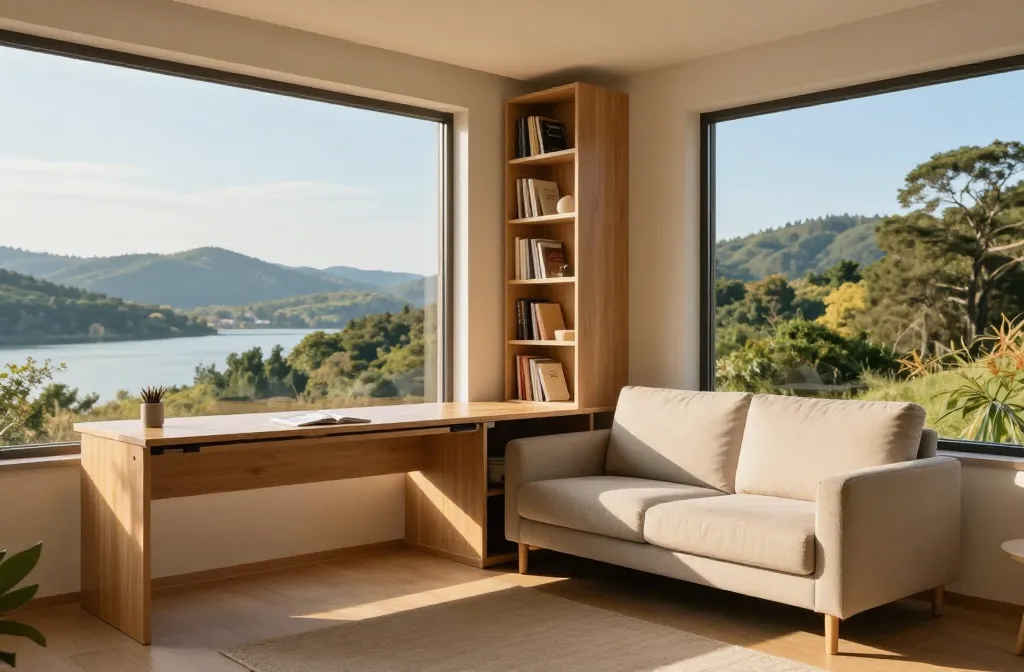
Designing tenant-friendly homes is all about making life easier without sacrificing style. It isn’t a fancy luxury brief—it’s practical, livable, and a little bit cheeky. If you’ve ever rented and felt stuck with clunky layouts or annoying quirks, you’re not alone. Let’s dive into design choices that put tenants first, without making landlords cry or budgets explode.
Smarter layouts that adapt with you
Tenant-friendly design starts with space that flexes as life shifts. You don’t need a sprawling floor plan to hit this sweet spot—just clever zoning and thoughtful anchoring points.
– Create distinct zones: living, working, and sleeping areas should feel separate even in a small footprint. A sofa that sides up with a fold-down desk, or a bookcase that doubles as a room divider, can do wonders.
– Prioritize natural flow: doors, corridors, and entry points should feel intuitive. Avoid awkward dead ends where you can’t pass a coffee cart or a mop bucket.
– Think vertical storage: high shelves, wall hooks, and magnetic strips multiply storage without stealing floor space.
Pro tip: If you’re renting, ask for permission to install removable features like tension rods, organiser rails, or lightweight curtain tracks. You’ll thank yourself later when you don’t have to live with holes and spackle.
Adaptive kitchens that actually function

Kitchens can make or break tenant happiness. The good news: you don’t need a chef’s kitchen to cook with joy. You just need smart design choices.
– Layout matters: a galley kitchen can be incredibly efficient if you have a dedicated prep zone and clear sightlines to the dining area. If you’re lucky enough to have a larger space, zone cooking, cleaning, and storage so you don’t chase gadgets around.
– Storage that sticks: pull-out drawers, lazy Susans, and shallow pull-out racks make misplacing spices a thing of the past. Consider adjustable shelves so tall appliances don’t demand a bigger footprint.
– Countertop real estate: a dedicated coffee prep area, a portable cutting board overhang, or a fold-down table becomes your best friend on busy mornings.
– Durable surfaces: opt for easy-clean finishes that stand up to coffee splashes and tomato sauce disasters. FYI, landlords may prefer wipeable materials, but you can still layer style with color.
DIY note: Removable backsplash decals or temporary contact paper keep the vibe fresh without committing to a permanent choice you’ll regret later.
Bathrooms that actually handle life
Bath time should feel calm, not chaotic. A few well-chosen features can save you hours of frustration and a few squeaky mornings.
– Water control: a showerhead with good flow and a controllable temperature helps you avoid the “hot-cold rollercoaster.” Consider a handheld option for flexibility.
– Smart storage: install slim shelving over the loo, a medicine cabinet, and a towel rack that doubles as a shelf. Small bathrooms need vertical storage to avoid claustrophobia.
– Ventilation matters: a decent exhaust fan keeps mold away and saves you from living in a humidity cave. If the unit lacks ventilation, a compact dehumidifier can be a gentle fix.
– Non-slip basics: a bath mat with grip and a simple shower-tloor rug can prevent drama after a long day.
Bedrooms that double as calm zones

Renters often crave a sanctuary that still leaves room for life’s other activities. The trick is balance: cozy, quiet, and versatile.
– Acoustic awareness: soft textures like a thick rug, heavy curtains, and a plush headboard help dampen street noise. Even small audio experiments can make a big difference.
– Lighting layering: a mix of ceiling, table, and floor lamps creates zones for reading, dressing, and streaming without turning the room into a glare-fest.
– Flexible furniture: a bed with storage drawers or a wall-mounted desk that folds away keeps the space usable for guests or workouts.
– Color psychology: lighter neutrals with a few bold accents can make a small room feel bigger and calmer. IMO, a pop of color on a throw pillow is enough to wake things up without overstating it.
Materials that resist the chaos of daily life
Tenants aren’t always the ones who choose materials, but they do notice how surfaces hold up. Durable, easy-care materials win.
– Floors: durable vinyl planks or laminate that mimics wood can handle pets and spills. If you’re dealing with carpet, opt for low-pile varieties that are easier to clean and feel nicer underfoot.
– Surfaces: quartz or solid-surface countertops resist stains and scratches better than plain laminate. Kitchen islands or peninsula counters can host extra prep space and casual meals without crowding the room.
– Fabrics: stain-resistant upholstery and washable slipcovers are a game changer for living rooms with kids or pets. If you’re renting, consider removable slipcovers that you can launder when things get chaotic.
– Finishes: matte finishes tend to hide fingerprints and smudges better than gloss. It’s not hidden sorcery—just good sense.
Tech that doesn’t turn a home into a fortress
Smart design isn’t just about gadgets; it’s about making tech less annoying and more useful.
– Power planning: outline charging stations in common areas and bedrooms. USB outlets and a few surge-protected hubs keep devices organized instead of sprawling across every surface.
– Cable management: use adhesive channels, cable boxes, and under-desk trays to keep cords out of sight. Cluttered cables are the fastest way to feel overwhelmed.
– Smart control, simple life: consider smart bulbs and simple automation for lights and climate. You don’t need a full smart home to gain a few minutes back each day.
– Privacy matters: smart cameras or doorbells? If you’re renting, check with your landlord before mounting or wiring anything that leaves permanent marks.
Finishes that feel like “home” without breaking the lease
You don’t have to live in a sterile show flat to feel at home. Finishes set the vibe and protect the space.
– Color with purpose: paint is inexpensive and transformative, but many leases restrict painting. Use peel-and-stick wallpaper or removable wall decals to create a personality without forfeiting your security deposit.
– Textures that tell a story: a woven wall hanging, a jute rug, or a linen curtain adds warmth without heavy commitments. Texture helps rooms feel layered and lived-in.
– Personal touches: plants, framed photos, and a few statement pieces make the space feel uniquely yours. Just don’t overdo it—plants in a rental should be easy to manage and not leave water rings on shelves.
How to talk to your landlord about tenant-friendly design
This section is for renters who want to push for better spaces without becoming a problem tenant.
– Lead with value: explain how a design tweak can reduce maintenance calls, increase energy efficiency, or improve safety. Landlords respond to ROI, even if it’s not monetary.
– Propose a plan: come with specific, reversible changes. Removable shelves, temporary floor mats, or smart bulbs that don’t require rewiring show you’re reasonable.
– Schedule a win-win moment: offer to share the cost of upgrades or to document the before-and-after. A good relationship beats drama every time.
– Don’t be pushy about style: preferences vary, but practical improvements often have universal appeal. If they say no, ask for permission to revisit later and propose a smaller, reversible change in the meantime.
FAQ
Is it okay to make changes to a rental for tenant-friendliness?
Yes, but only with the landlord’s approval. Start with reversible, non-damaging changes like removable wallpaper, adhesive hooks, or furniture rearrangements. If you want more involved updates, present a plan that outlines costs, timelines, and how you’ll restore the space when you move out.
What are the most renter-friendly upgrades I should push for?
Prioritize
– Better storage: built-ins, shelves, and organizers
– Flexible furniture solutions: fold-down desks, storage beds
– Improved lighting: layered lighting and dimmable options
– Easy-clean surfaces: durable countertops and wipeable fabrics
– Improved ventilation: good exhaust or dehumidification if the unit lacks it
How can I design a small space to feel bigger without painting the walls?
Maximize light and flow: use light-colored, reflective surfaces, keep windows unobstructed, and choose multi-functional furniture. Mirrors placed strategically create an illusion of depth, and vertical storage draws the eye upward, expanding the feel of the room.
What should I consider when choosing finishes in a rental?
Look for durability and reversibility. Opt for washable paints or removable decals, durable flooring options that resist stains, and fabrics that can be cleaned or washed. Remember, lease terms matter—avoid anything that leaves permanent damage.
How do I balance style with lease restrictions?
Start with non-permanent touches: textiles, decor, and removable accents. If you want a big change, propose a reversible upgrade like temporary wallpaper or removable tile decals. Always get written approval for anything that touches walls, floors, or fixtures.
What’s the simplest way to maintain a tenant-friendly home long-term?
Create a maintenance rhythm: quick daily checks, a simple weekly cleaning routine, and a monthly audit of storage and clutter. Keep a small “fix-it” kit handy for quick issues and maintain a running list of improvements you’ve made for future reference.
Conclusion
Designing tenant-friendly homes isn’t about chasing a perfect magazine shot. It’s about making spaces work better for real life—without turning landlords into personal architects or breaking the bank. Focus on flexible layouts, durable materials, and practical storage, then layer in personality with texture, color, and a touch of humor. FYI, the best spaces feel lived in and loved, not pristine and barren.
If you’re renting, start conversations with landlords armed with concrete ideas and a fair plan. If you’re designing a space you hope tenants will return to, build in flexibility from the start: modular furniture, reversible finishes, and systems that scale with life’s twists and turns. After all, homes should adapt to you, not the other way around. And yes, a little whimsy goes a long way—a plant here, a quirky lamp there, and suddenly your tenant-friendly home feels like a real home, not just a place to crash between chores and commutes.