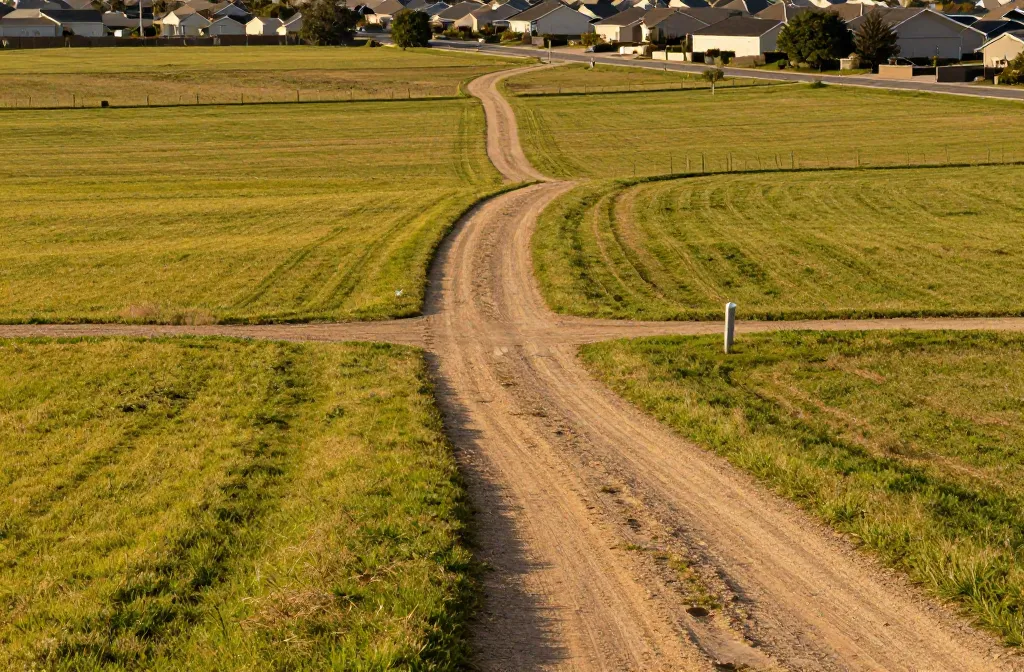
It only takes one pesky fence that isn’t yours to turn a sunny weekend into a showdown. Easements and rights of way aren’t scary legal mumbo jumbo; they’re practical tools that keep water flowing, paths open, and neighbors from tripping over your hedge every morning. Let’s break them down without the dry textbook vibes.
What are easements and rights of way, anyway?
You’ve probably heard these terms tossed around by a realtor or a cranky neighbor. But what do they actually mean in plain English? An easement is a legal right to cross or use someone else’s land for a specific purpose. A right of way is a type of easement that specifically lets people travel across land—think sidewalks, driveways, or a path to a subway entrance.
– Easement: a broad umbrella term for limited use of land.
– Right of way: a focused kind of easement that grants passage.
Why should you care? Because if you own land or want to use someone else’s land for a practical purpose, these rules determine what you can and can’t do. No drama, just boundaries.
How easements come to be
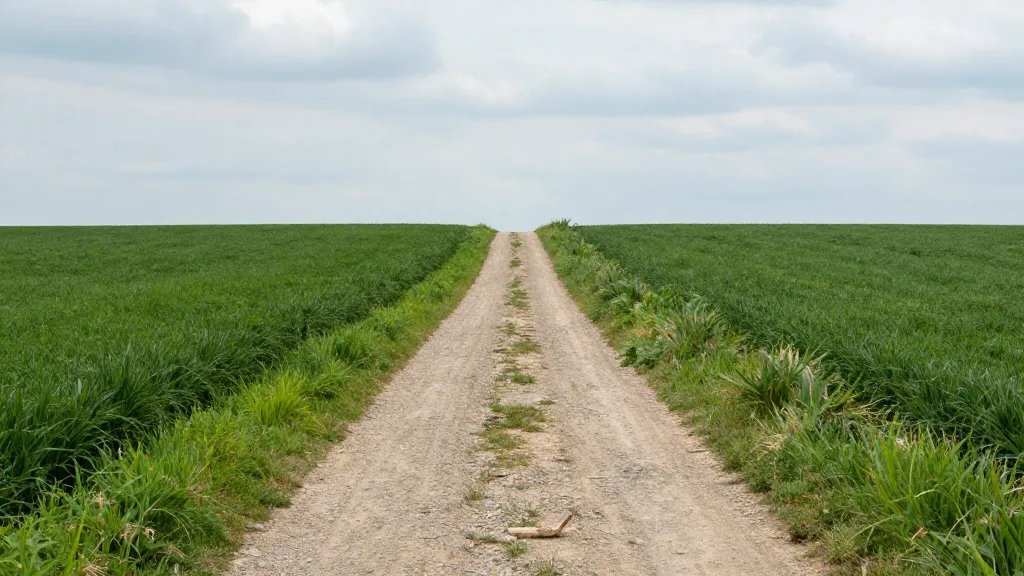
Easements don’t usually pop up by magic. They’re created in a few reliable ways:
– By agreement: You and your neighbor sign a contract that spells out what’s allowed, where, and for how long.
– By necessity: If you need access to a main road or utilities and there’s no easy route, a court might grant an easement to keep essential services flowing.
– By prescription: If someone uses another person’s land openly and continuously for a long time (think decades) without permission, the law might recognize that use as an easement.
– By statute or plat recording: Local laws or subdivision plans can set up easements in advance.
If you’re buying land, ask: Is there an easement on the deed? How broad is it? Can it be upgraded or narrowed? The answers can change how you plan landscape projects, builds, or even where you park.
Types of easements that actually show up in real life
Some easements are more common than a neighbor’s cat sightings.
Right of way easements
These are the bread and butter of everyday life. They let people move from point A to point B without tripping over your fence. They’re not personal to you; they stay with the land. So if you sell, the new owner inherits the same rights and responsibilities.
– Typical examples: shared driveways, public sidewalks, utility lines, access to a fire exit.
– Practical impact: You might need to keep a path clear, not block a utility panel, or maintain the surface.
Drainage and utility easements
Ever notice a sloped strip labeled “drainage easement” along a property line? That’s about moving water away or letting utilities run through a corner of your land.
– Drainage easements keep basements dry and prevent flooding.
– Utility easements let power, water, or telecom companies lay lines.
– Oops moments: If you want to plant trees or build a big shed, make sure you’re not planting in the line of a buried pipe.
Easements by necessity
Think of a road that becomes the only practical way to reach your home. The law sometimes grants a path through someone else’s land so you’re not cut off from the world.
– It’s not about friendship; it’s about access to basics like road networks or water supply.
– These can be temporary or permanent, depending on the situation and court decisions.
Conservation and scenic easements
These are the “can we keep the view but still cut a road” kind of arrangements. They limit what you can do to protect natural resources or pretty landscapes.
– You still own the land, but certain uses shrink to keep the environment intact.
– Common on mountainside properties or historic sites.
What rights and duties come with an easement?

Easements aren’t a free pass to do whatever you want. They come with responsibilities.
– Respect the scope: Use the easement only for its intended purpose. No cruising across the lawn for a joyride unless that’s in the agreement.
– Maintain your side: The party who benefits from the easement may have maintenance duties. If you’re the easement holder, keep the path clear and safe.
– Don’t block it: Even a cosmetic upgrade like a decorative fence can block passage if it’s supposed to be a clear route.
– Notice to new neighbors: If you transfer property, the easement stays with the land. New owners must honor it.
If you’re on the opposite side and think an existing easement isn’t working, you can sometimes renegotiate or legally modify it. But you’ll want a lawyer who knows local quirks—trust me, there are quirks.
How to handle an easement dispute like a grown-up
Disputes pop up more often than you’d expect. Here are smart moves that keep things from getting spicy.
– Read the deed: It’s not thrilling, but it’s golden. The exact language dictates the scope, location, and limitations.
– Document everything: Photos, dates, and notes about when use occurs can save you headaches later.
– Talk early and clearly: Life is easier when you hash things out before tempers flare.
– Involve professionals: A surveyor can pin down exact boundaries; a real estate attorney can interpret the language and negotiate solutions.
Remember: the goal isn’t to win a argument but to preserve access and property value while staying on the right side of the law.
Practical tips for landowners and users
Let’s turn theory into street-smarts you can actually use.
– Do a quick map check: Is there a utility corridor on your property? Are there any historical paths that might be easements?
– Keep maintenance logs: If you’re the beneficiary, show you’re actively maintaining the path. If you’re the owner, prove you’re not neglecting your duties.
– Be network-aware: Utilities and public agencies sometimes update infrastructure. Stay informed about changes that might affect an easement.
– Plan improvements with care: If you want to build a deck over an easement or plant a row of trees, confirm what’s allowed. Happens more than you’d think, and it’s a nightmare to un-do later.
Subtle complications you’ll want to spot
A few tricky corner cases can bite you if you don’t see them coming.
– Right of way versus access rights: Some neighbors think “my road” gives broader access than legally granted. Nope. The line between private rights and public rights matters.
– Easement termination: How and when an easement ends isn’t always obvious. Some end by time or by change of use; others require formal steps.
– Apparent vs. implied rights: You might assume something is an easement because people use it, but legally it might not be recognized unless documented.
If you’re unsure, treat it like a mystery novel—document, question, and verify until you’re sure of the ending.
FAQ: Quick answers to common questions
Can an easement be revoked?
Typically, easements don’t vanish on a whim. They’re records tied to land. They can end by agreement, expiration, or if the purpose no longer exists—but it usually requires a formal process. If you’re thinking about ending one, talk to a real estate attorney and check local rules.
What’s the difference between an easement and a license?
A license is permission to use someone’s land that can be revoked at any time. An easement is a property right that remains with the land, not the person. If you lose ownership, the right to continue uses with the land via the easement still exists.
Who pays for maintaining an easement?
Depends on the deed or agreement. Sometimes the burden falls on the servient property (the land over which the easement runs); other times the dominant property (the land benefiting from the easement) covers maintenance. Clear terms prevent finger-pointing.
Can I modify the location of an easement?
Often yes, but it requires the agreement of all parties involved and sometimes court approval. Changing a location can disrupt someone’s access or utilities, so expect pushback and careful negotiation.
What should I do before buying land with an easement?
Review the title and deed for all easements, survey the property to confirm boundaries, and talk to neighbors and local agencies about any ongoing or future work. FYI, some easements aren’t obvious on a simple map, so hire a pro to confirm.
Are there public rights of way that always stay in place?
Yes, public rights of way—like sidewalks, trails, or transit access—typically stay in place regardless of private land sales. They’re about public access, not private benefit.
Conclusion: Easements as practical tools, not puzzles to fear
Easements and rights of way aren’t about who owns what so much as who can get where and do what. They’re the quiet guardrails that keep neighborhoods functional—from getting the groceries to keeping utilities humming. With a little clarity, they can be a win-win: you keep your property intact, the other party keeps their access, and everyone avoids a drawn-out battle over fence lines and culverts.
If you’re knee-deep in a project or just curious, start with the deed and a quick chat with a local real estate pro. IMO, a little upfront understanding saves dozens of headaches later. FYI, when in doubt, document, verify, and communicate. The road (and the path) ahead will thank you.