
If you’re touring homes and your gut keeps whispering “forever project,” you’re not alone. These red flags are the game-changing clues that save you from buyer’s remorse and surprise bills. Let’s dive in and spot trouble before you sign on the dotted line.
1. Unusually Low Asking Price Without Clear Reason

That price dip might look dreamy, but it can hide a mess. Sellers sometimes slash to attract attention, not because the house is a steal.
Before you sprint to the offer button, check the logic behind it. Ask about recent repairs, neighborhood trends, and property tax history. FYI, confirmation beats assumption every time.
Key Points
- Compare to recent sales in the area (preferably within 6 months)
- Ask for a full disclosure list and any known issues
- Investigate HOA fees, special assessments, and upcoming neighborhood projects
The benefit? You’ll know if the price is a genuine bargain or a door to hidden costs. Trust me, early clarity saves heartbreak later.
2. Persistent Maintenance Red Flags Are Everywhere

Seeing a few scuffed walls? No big deal. But repeating maintenance stories across systems? That’s a pattern worth worrying about.
Focus on what’s not being said as much as what is. An owner who glosses over problems or blames “quirks” often hides bigger fixes you’ll pay for after move-in.
Tips
- Ask for recent receipts and work orders
- Look for water damage, mold signs, and roof experiences
- Inspect electrical panels and plumbing access points
Addressing issues early means you avoid a cascade of repairs in year one. Seriously, a little diligence goes a long way.
3. Surprising Utilities and Tax Anomalies

Budgeting isn’t sexy, but it’s essential. If your estimated monthly costs spike after a viewing, you’ll regret ignoring it.
Unearth hidden charges: unusual utility bills, upcoming reassessments, or unusual tax jumps tied to property lines or improvements.
What to Check
- Recent electric, gas, and water bills (if available)
- Property tax history and any planned reassessments
- Nearby planned developments that could raise costs or improve value
When you know the true ongoing monthly burden, you can compare apples to apples across listings. It’s not glamorous, but it’s genius budgeting.
4. Unclear Title or Boundary Conflicts
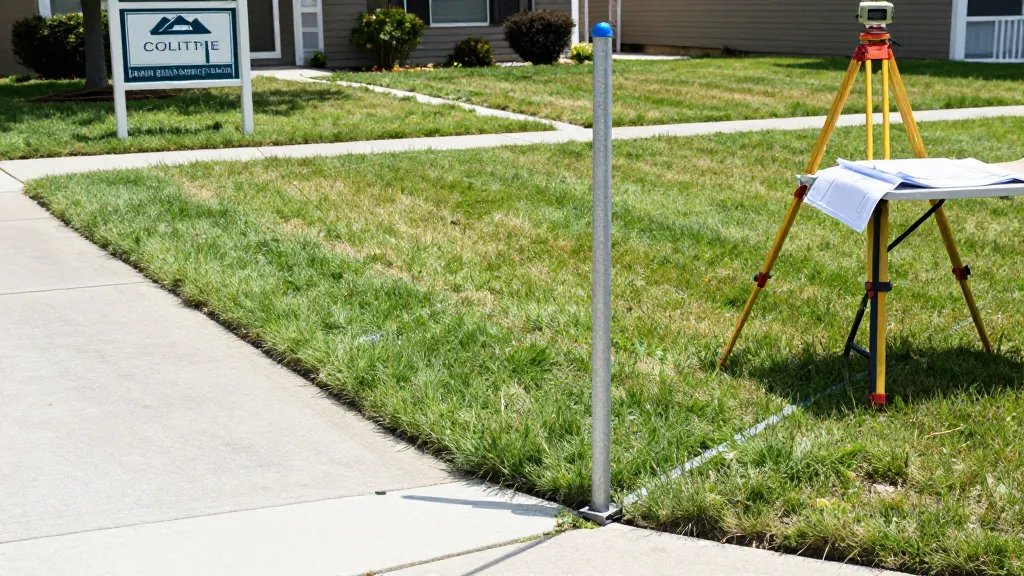
Boundary lines aren’t just for bragging rights with fence posts; they influence who pays for what and how you use space.
A murky title or boundary dispute can trigger legal headaches and costly corrections. Don’t let a dream home become a legal drama.
What to Do
- Order a professional title search and survey
- Ask the seller for a current property survey and any easements
- Consult a real estate attorney if anything feels off
Clear boundaries protect your investment from sneaky encroachments and future compromises. It’s not dramatic to want solid lines; it’s smart.
5. Structural and Systemic Red Flags Hidden in Plain Sight

Structural concerns aren’t always obvious, but they’re the money milestones you don’t want to miss. Think beams, foundations, and major HVAC scares.
A quick gut check plus a pro inspection can reveal whether you’re buying a teardown or a dream home momentarily interrupted by reality.
Inspection Cheatsheet
- Schedule a licensed home inspection and consider a termite/ pest evaluation
- Check for signs of foundation movement, cracks, or moisture intrusion
- Ask about HVAC age, water heater life, and roofing condition
Investing in a thorough inspection now pays for itself in fewer surprises and better negotiation power at the table. And yes, you’ll sleep better after knowing the full picture.
Conclusion: You’ve got this. With these five red flags in hand, you’ll walk away from a deal that looks shiny but shakes your budget. Start using these checks on your next viewing and feel the confidence (and savings) stack up. Happy house hunting — you’re steering this ship.