
Finding empty properties near you
If you’ve ever walked past a shuttered storefront or a vacant lot and thought, “Someone should do something with that,” you’re not alone. Empty properties aren’t just eyesores; they’re opportunities hiding in plain sight. Let’s ditch the mystery and map out how to find these spaces near you, fast and with a smile.
Why empty properties matter (and how they can matter to you)
Ever wonder why anyone talks about vacant buildings at all? Here’s the quick rundown: they’re cheap to grab, often ripe for creative reuse, and can become profitable ventures with the right plan. They also tend to attract neighborhood buzz—good buzz, the kind that makes you the “see-something, do-something” person you always wanted to be.
– They’re easy to track down if you know where to look.
– Reuse ideas range from pop-up shops to micro-co-working spaces.
– Local councils sometimes offer incentives to fill them.
So yes, these spaces can be a win-win for you and the community.FYI, not every empty property is a gem—some come with surprises. That’s part of the fun, right?
Where to start your hunt: the obvious and the offbeat
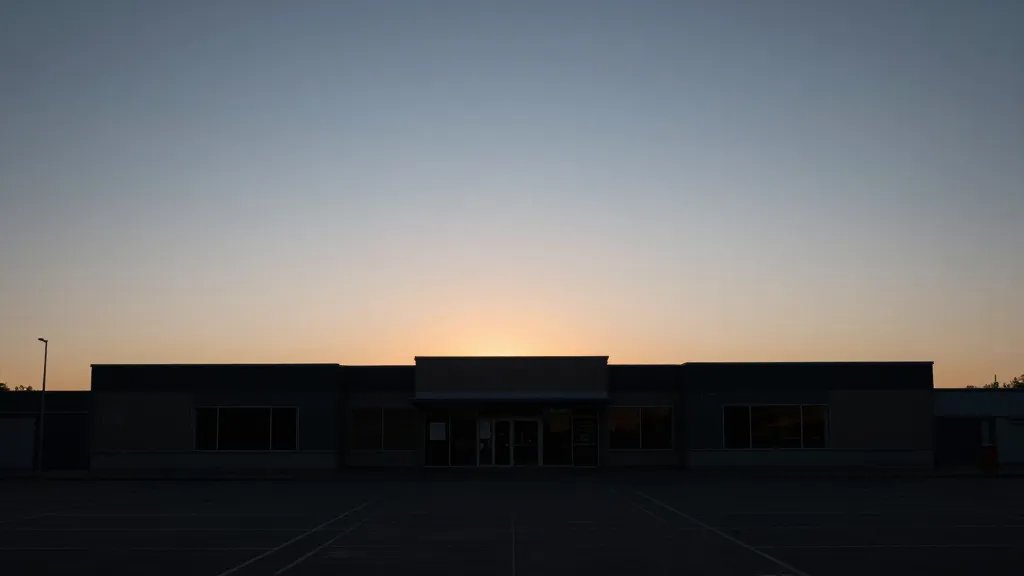
You don’t need a fortune or a formal real estate team to begin. You just need a plan and a bit of curiosity.
1) Local listings get you in the door
Start with the usual suspects:
– Online portals dedicated to commercial space
– Local commercial real estate agencies
– Municipal surplus property boards
Pro tip: set up alerts for “vacant storefront,” “for lease,” and “dry dock” (okay, not literal dry dock, but you get the idea). The moment something pops, you’ll know first.
2) The “eyes on the street” method
Walk your neighborhood with purpose. Look for:
– For-sale-by-owner signs
– Boards outside closed shops or shutters
– Unused lots with “coming soon” banners
Take photos, jot down addresses, and note any obvious community uses that could clash with your ideas or actually help your case.
3) Talk to the people who know the ground
Reach out to:
– Local business associations
– A neighborhood watch or community group
– Real estate attorneys or brokers who know the lay of the land
These folks often have early intel on properties that haven’t hit the market yet. And yes, they’ll appreciate someone who isn’t a total mystic about real estate.
How to evaluate a vacancy without losing your mind
You’ve found a few. Now comes the fun part: figure out if they’re worth chasing. Spoiler: it’s all about potential, not just price.
1) Zoning and usability are king
Ask yourself:
– What is the current zoning, and can I use it for my idea?
– Are there building code hurdles that would derail my plan?
– Is there a landlord-friendly lease in place, or will negotiations be a circus?
If you’re unsure, a quick chat with a planning officer or a pro can save you days of guesswork.
2) Structural health and retrofit cost
Vacant doesn’t mean pristine. Check for:
– Roof leaks, foundation cracks, or obvious water damage
– HVAC, electrical, and plumbing viability
– Accessibility features (think ramps, elevators, ADA considerations)
Get a rough cost idea before you fall in love with a space. You don’t want to be that person who rents a hole in the ground and pretends it’s a penthouse.
3) Location vibes and foot traffic
Ask: is the spot on a busy street or a quiet lane? Proximity to transit, parking, and neighboring businesses matters a lot for future use. If you’re planning a cafe, a block with late-night foot traffic is a dream. If you want a gallery, a quiet space with good natural light might win.
Creative reuse ideas that prove a space’s worth
Vacant spaces aren’t just about traditional leases and brick-and-mortar shops. They’re playgrounds for fresh concepts.
1) Pop-up magic
– Short-term leases or flexible terms keep risk low.
– Test a menu, a concept, or a seasonal shop without long commitments.
– Build customer data and buzz before committing to a long-term plan.
2) Community-centered ventures
– Co-working hubs for remote workers or students
– Makers’ spaces with shared tools and workshops
– Community studios for artists, dancers, or filmmakers
3) Hybrid uses that maximize hours
– Daytime coffee shop, evenings coworking, weekends market space
– Flexible retail and event venue
– Light industrial + gallery for artisans
Remember: the more people you can attract to a space at different times, the more valuable it becomes.
How to approach the owner: negotiating without feeling slimy
Approaching the owner can feel awkward, but you’re not proposing a crime—just a smarter use of their asset. Do it with clarity, honesty, and a plan.
– Prepare a simple business plan or concept brief outlining your vision, timeline, and community benefits.
– Be transparent about funding and timelines. If you’re pre-seed or still raising, say so.
– Propose flexible terms that reduce risk for both sides, such as a staged rent or a short-term trial.
– Highlight potential improvements that add value to the property and neighborhood.
Always remember: a well-thought-out offer beats a dream you can’t back up. And yes, a friendly vibe goes a long way.
Financing and incentives that might surprise you

If you’re worried about the money side, you’re not alone. Here are some routes people actually use.
- Municipal incentives: some towns offer tax breaks or grants for repurposing vacant spaces, especially if you boost local commerce or housing.
- Private grants and crowdfunding: handy when you want to prove community support before serious investors come in.
- Partnerships: team up with artists, nonprofits, or a small business with shared goals to split costs and risks.
- Creative leasing: negotiate step-down rents, rent-free build-out periods, or revenue-sharing models.
FYI, the best plan often blends a few of these. It’s not cheating—just being smart about where the money comes from and how it flows.
Legal basics you don’t want to ignore
You don’t need to become a lawyer, but you do need to cover your bases.
1) Permits and licenses
– Check what permits you’ll need for your intended use.
– Understand any change-of-use implications if you’re switching from, say, a storefront to a cafe with a kitchen.
2) Insurance and liability
– General liability insurance is non-negotiable for most ventures.
– If you’re hosting events or workshops, consider additional coverage for those activities.
3) Lease type matters
– Gross vs net leases, escalation clauses, maintenance responsibilities.
– A lawyer or a savvy broker can help you spot red flags before you sign.
Tech tools that speed up the chase
If you want to stay ahead of the curve, lean on some digital helpers.
- Property alerts on commercial listing sites
- Open data portals for zoning and permits in your area
- Neighborhood apps or forums to gauge community sentiment
And yes, sometimes a well-timed DM or email to a letting agent can cut through the noise. A little persistence goes a long way.
What to do the moment you spot a good candidate
You’ve found something that clicks. Now what?
- Visit at different times of day to gauge foot traffic and energy.
- Take measurements and sketch a rough floor plan for your concept.
- Talk to neighbors about how your idea might fit the area.
- Draft a quick next steps plan and a rough budget to show you’re serious.
If you can translate a vacant space into a tangible plan within a week or two, you’ve got momentum. Momentum attracts partners, investors, and landlords who want to see you succeed.
FAQ
What makes a vacancy a good fit for a specific project?
Look for spaces with the right size, layout, and tilt of the local market. A storefront with open space and good natural light suits retail or gallery concepts. A boxy, warehouse-like space can be perfect for a workshop or maker space. Always compare to your planned use and the neighborhood’s vibe.
How long does it usually take to convert a vacant property?
It depends a lot on financing, approvals, and build-outs. A simple pop-up can be ready in a few weeks, while a full conversion might stretch to several months or longer. Build a timeline with milestones and buffer time for permits and inspections.
What are common red flags to watch out for?
– High maintenance or retrofit costs that wipe out your margins
– Hidden zoning restrictions that block your intended use
– Unclear lease terms or unexpected escalations
– Owner reluctance to provide basic info or show the space
Do I need a professional to help scout vacancies?
Not always, but it helps. A broker or real estate attorney can save you from costly mistakes, especially when negotiating leases or navigating permits. If you’re pinching pennies, start with thorough research and ask for a second opinion from someone with experience.
Is there any risk in chasing empty spaces that aren’t on the market?
There is. The upside is big, but you can spend a lot of time chasing ghosts. Use a balanced approach: pursue obvious candidates, but also cast a wider net with documented interests (neighborhood groups, council inputs, or property owners who’ve shown interest in similar ideas).
What if my idea doesn’t fit a traditional storefront?
Great question. Look for options like pop-up spaces, shared-use facilities, or community hubs that can host your concept on flexible terms. If a long-term lease feels risky, propose a trial period or a shorter commitment with extension options.
Conclusion
Finding empty properties near you isn’t about luck; it’s about curiosity, preparation, and a touch of hustle. Start with the obvious places, then broaden your net with community chats and a dash of creative thinking. The right space can become a thriving hub, a cash-flowing venture, or a neighborhood gem that people actually remember.
If you’re ready to dive in, get out there and look with new eyes. FYI, the next vacancy you pass might just be your next big project. And if you want, drop what you’re chasing in the comments and I’ll brainstorm ideas with you. After all, I’m here to help you turn empty into something awesome.