
The UK housing scene is changing fast enough to make open-plan kitchens feel quaint. From energy bills to city skylines, the future of where we live is getting smarter, greener, and a little more radical. Ready to ride this wave with me? Let’s dive in.
Density, Diversity, and Decisions: Where We’re Housing People Now
Housing markets aren’t one-size-fits-all anymore. We’re seeing more varied solutions than a shopping list at IKEA: micro-homes, modular builds, and urban villages that feel like neighborhoods, not just collections of units.
– Micro-homes aren’t about sacrificing comfort. They’re about smart layouts, clever storage, and a living space that adapts to needs.
– Modular and factory-built homes cut timelines and waste. Yes, they’re real, and yes, they’re getting prettier.
– Urban villages mix homes with workplaces, green spaces, and shops. Convenience doesn’t have to come with a long commute or a sky-high mortgage.
Why this matters: affordability and resilience. With land at a premium and climate risk on the horizon, the UK needs housing that fits tighter budgets and tighter climate constraints without turning people into nomads.
Net-Zero Living Becomes Everyday Living

You’ve heard the buzzword “net-zero.” The big question isn’t if but how quickly it becomes a default in new homes. The trend isn’t about living in a cave with a solar panel on the roof; it’s about making the everyday better for less money.
– Energy efficiency is now the baseline. Good insulation, airtightness, and heat recovery systems translate to lower bills from day one.
– Heat pumps are stepping up. They’re not a gimmick; they’re the new normal, especially with support schemes and improved performance in cold weather.
– Passive design wins. South-facing living spaces, thermal bridge minimization, and smart shading bring comfort without the expensive tech.
Smart Homes: Tiny Tech, Big Impact
If you thought smart home tech was a luxury, think again. In the future, it’s about simpler living, not just flashy gadgets.
– Smart thermostats and zoned heating save cash by focusing warmth where you actually live and work.
– Demand-side response and grid services let you earn a little from your energy habits. Yes, you can be energy-efficient and financially rewarded.
– Water efficiency tech reduces bills and leaks. Smarter meters, leak detection, and smart irrigation protect the wallet and the planet.
Subsection: The data-as-a-friend, not a spy
– Home systems learn your routines and adapt. They also share anonymized data to help the grid run better.
– Data privacy matters. Look for transparent controls and opt-outs so you stay in the driver’s seat.
Communal, Co-Living, and the Rise of “Together Spaces”
The days of living in a sterile block with one elevator and a distant mailbox are fading. People want communities, not just square footage.
– Co-living is evolving: shared facilities, flexible leases, and a sense of belonging that a private flat sometimes struggles to offer.
– Communal spaces go beyond lounges: workshops, gardens, rooftop flats, and tool libraries create real neighbors, not just neighbors who wave as you pass the elevator.
– Partnerships with employers and developers bring living and working bodies closer. Hybrid work isn’t a trend; it’s a lifestyle.
Flexibility First: Adaptable Homes for Changing Lives
Life throws curveballs: new jobs, growing families, or kids who suddenly need quiet study spaces. Flexible homes are designed to adapt without a full renovation.
– Moveable walls and modular interiors let you reconfigure rooms as needs shift.
– Adjustable ceiling heights and clever storage turn a small space into a big one for different stages of life.
– Multifunction rooms become guest bedrooms, workspaces, or fitness zones with a simple reconfiguration.
Building Materials and How We Build It Better

Sustainability in construction isn’t a fancy afterthought. It’s a core part of how UK homes will be built and maintained.
– Timber frame and low-carbon concrete are gaining ground. They reduce embodied carbon and can speed up construction.
– Recycled and locally sourced materials cut transport emissions and support local economies.
– Design for deconstruction means parts of a home can be reused or repurposed at the end of life. No more wasted assets.
Finance and Housing Access: How We Pay for the Future
Money talks, even when the weather is talking climate policy. The way we finance homes is shifting to support smarter, greener, and more flexible living.
– Green mortgages and energy-efficient discounts are becoming standard. The better the home performs, the lower the cost of finance.
– Shared equity and public-private pilots could unlock more regional housing. It’s not charity; it’s a strategy to unlock capacity where it’s needed.
– Rental models evolve too. Long-term, stable tenancies paired with landlord incentives for energy upgrades create a healthier ecosystem for tenants and owners.
Public Spaces and the Streets: How Housing Shapes a City
Homes don’t exist in a vacuum. The street, the bus stop, the school run—these all shape how people live in them.
– Greener streetscapes and accessible public parks boost well-being and property values in a balanced way.
– Transit-oriented development reduces car dependence and makes commutes more predictable and cheaper.
– Noise, air quality, and daylight access are now design considerations baked into the planning process, not nice-to-have extras.
What This Means in Your Day-to-Day
Let’s ground this in reality. How do these trends show up in a way you can notice while scrolling through property listings or touring a show home?
– You’ll see more flexible floor plans: rooms that morph from home office to nursery to gym without costly renovations.
– Energy bills will be easier to predict thanks to better insulation, air-tight builds, and efficient systems.
– The neighborhood becomes part of the home’s value: parks, cafes, and clinics nearby aren’t luxuries; they’re features that make a place livable long-term.
Section Deep Dive: Retrofit Renaissance
Retrofits are where the big impact lives for homeowners with existing properties. Here’s what to expect:
– Government grants and incentives will push homeowners to upgrade insulation, windows, and heating systems.
– Professional assessments guide where to spend for the best return on comfort and energy savings.
– DIY improvements will still matter, but major gains come from well-planned, vetted upgrades and professional installation.
Section Deep Dive: Urban Villages vs. Suburban Sprawl
Urban villages aim to bring the best of city life into mixed-use neighborhoods. Expect:
– Shorter trips to work and shops, with a kinder climate footprint.
– More green space integrated into daily routines—green roofs, pocket parks, and shared courtyards.
– Diverse housing types within walking distance: affordable flats alongside higher-end units, so the community stays diverse.
In the suburbs, the story shifts a little. Expect better transport links, more energy-efficient exteriors, and smarter, denser layouts that reduce the perimeter you need to heat.
FAQ
What will a typical new UK home look like in 2030?
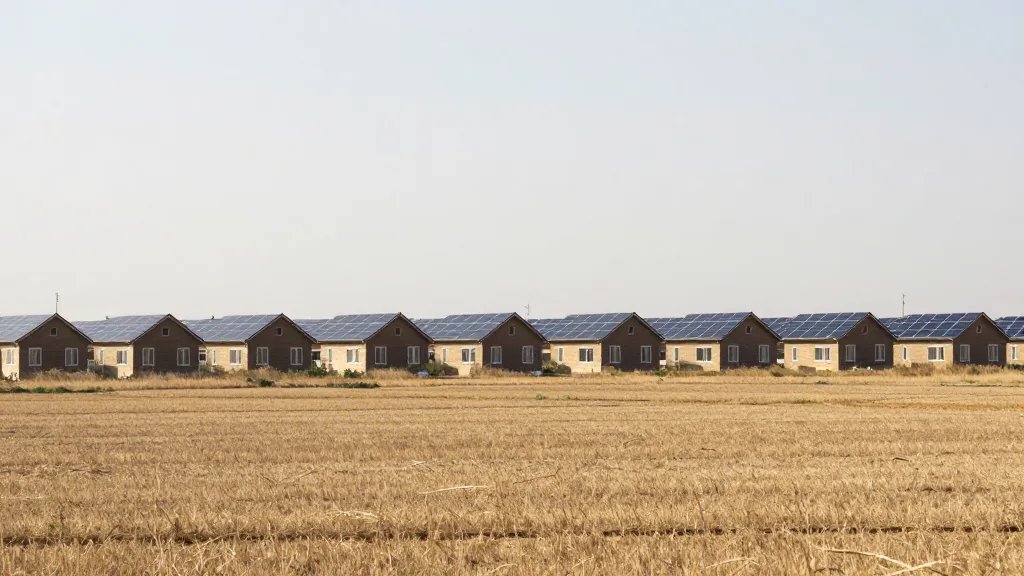
Expect a compact, energy-efficient design with flexible spaces, smart controls, and high-quality insulation. You’ll likely see solar or heat-pump combos as standard, with materials chosen for lower carbon footprints. It won’t be a futuristic cave, but it’ll feel thoughtfully crafted for everyday life.
Are retrofits worth it for my current home?
Yes, if you plan to stay put. Retrofits can dramatically cut energy bills and improve comfort. Start with a professional energy assessment to identify the lowest-hanging fruit—ceiling/roof insulation, draught-proofing, and efficient heating systems are usually the quickest wins.
Is co-living a sustainable solution for families?
Co-living isn’t one-size-fits-all. For singles or couples, it can offer social connection and lower costs. For families, it can be more challenging but can work well in well-planned communities with private space options and strong privacy boundaries.
How will financing change for first-time buyers?
Expect more green mortgage products, government-backed equity schemes, and lenders prioritizing homes with energy-efficient features. The goal is to reward buyers who invest in long-term efficiency and resilience.
What role will councils play in future housing trends?
Councils shape where and how we build. They’ll push for denser, more sustainable layouts, faster planning approvals, and funding for retrofit programs. They’re a big part of making the future affordable and practical.
Conclusion
The future of UK housing isn’t about a single silver bullet. It’s a blend of smarter design, greener construction, and smarter economics that together change what home feels like. We’re moving toward places that are more adaptable, more connected, and kinder to the planet without turning daily life into a complicated puzzle.
If you’re shopping for a home or planning a project, lean into flexibility, energy efficiency, and community. Ask about whether a place was built with modular methods, what the retrofit options look like, and how the bill adds up over the long haul. FYI, the best homes won’t just look good on visit day—they’ll feel good in the winter mornings and the summer evenings alike.
So, what excites you most about future housing in the UK? Is it the idea of a modular, net-zero home, or the thought of a friendly, green-lined street that actually makes you want to walk to work? Share your thoughts and let’s nerd out about the homes of tomorrow together.