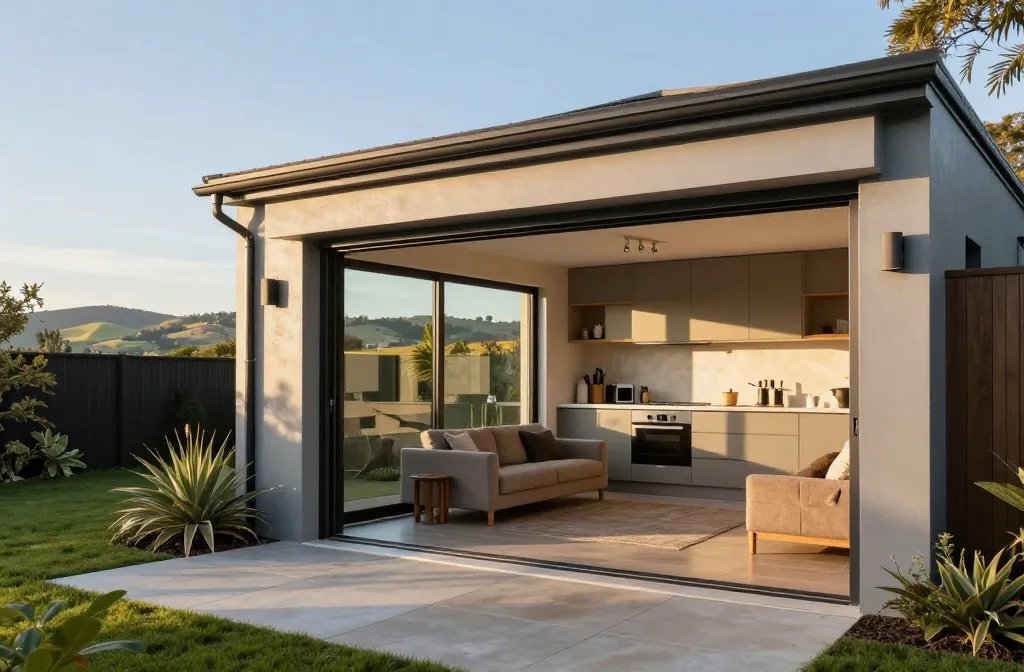
If you want to squeeze more dollars from a property without buying a second one, a garage conversion could be your best side hustle. You turn a dull storage space into a rentable gem, and suddenly vacancy rates feel like a bad dream. It’s not magic, it’s planning, permits, and a splash of DIY spirit. Ready to dive in?
Why a Garage Conversion Makes Financial Sense
Turning a garage into usable living space isn’t just about glam décor and a new kitchenette. It’s about stacking value with relatively low risk and a quicker timeline than a full-blown house addition.
– It’s usually cheaper than building an extension or buying a new unit.
– It taps into a high-demand market: affordable, move-in ready living space.
– You can charge a fair market rent without pushing overly into luxury territory.
Still skeptical? Think of it like this: you’re repurposing a space that’s already wired, plumbed, and attached to the main house. You’re not reinventing the wheel—just repaving it in a shinier coat.
From Storage to Studio: The Essentials You’ll Need
Before you measure concrete, you’ll want a plan. Here’s the quick playbook to get you from “garage” to “great rental.”
– Insulation and climate control: Garages get drafts. Proper insulation and an efficient HVAC system keep tenants comfortable and bills sane.
– Windows and natural light: People don’t want to feel boxed in. Add a window or two, or consider a skylight if the footprint is tight.
– Flooring that works: A durable, easy-to-clean surface beats high-maintenance carpet every time.
– Plumbing and kitchen basics: A compact kitchenette and a bathroom with a shower are often non-negotiable.
– Noise control: Shared walls? Soundproofing helps a ton with tenant satisfaction and neighbor relations.
– Safety first: Carbon monoxide detectors, smoke alarms, and secure egress for emergencies.
Design Don’ts and Do’s for a Comfortable Rental
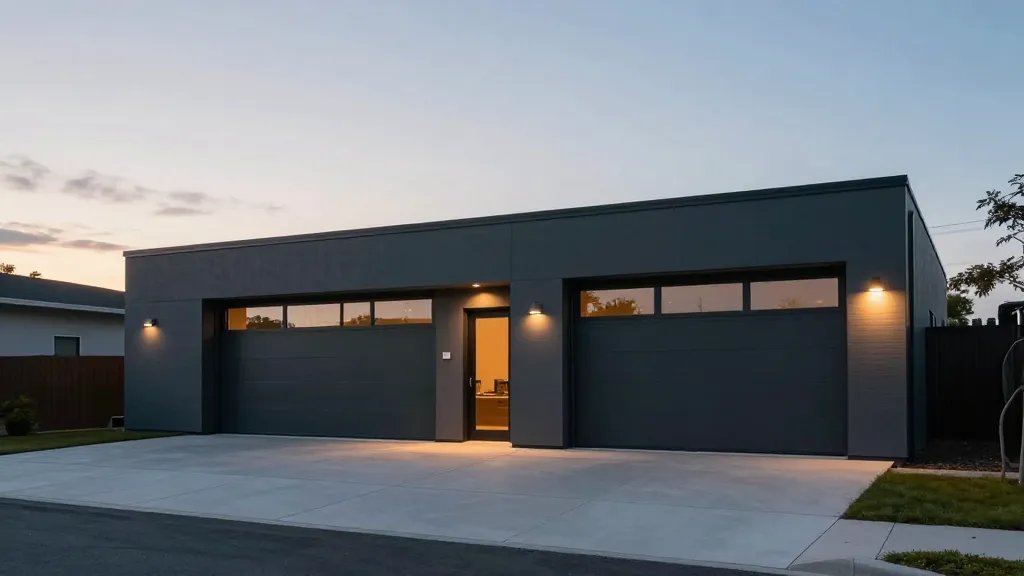
The payoff comes when tenants actually want to live there. Design with real life in mind.
Do: Create a cohesive, compact layout
– A single flexible living area that can serve as living room + bedroom, plus a separate bathroom and a kitchenette.
– Clever storage: built-ins, under-bed drawers, wall niches.
– Keep traffic flow simple: doorway placement that feels natural, not like a maze.
Don’t: Overbuild the space
– Don’t pretend you’re building a mini loft if the ceiling is low. Lean into cozy, not claustrophobic.
– Avoid expensive finishes that won’t hold up to rental wear and tear. You want durability over drama here.
Permits, Codes, and the Legal Stuff (Yes, You’ll Need It)
No one likes red tape, but this is where the project either starts or stalls forever. Do it right, and you remove a ton of headaches down the road.
– Check whether you need planning permission or just building permits. Your local authority’s website is your friend here.
– Look into habitable space standards: ceiling height, egress windows, ventilation, and insulation requirements.
– If your garage shares a wall with a living space, you’ll likely need sound insulation around that wall.
– Utility connections: ensure your water, electrical, and HVAC meet current codes for a rental unit.
- Get a rough budget + timeline from a licensed contractor.
- Ask about required inspections at key milestones.
- Keep permits and documentation organized; future you will thank you.
Picking the Right Setup: Studio vs. One-Bedroom
Your choice hinges on market demand, budget, and what you can legally fit.
– Studio: Cheaper to build, easier to manage, great for single renters or students. Pros include lower maintenance and higher absorption rate when priced right.
– One-bedroom: More flexible for couples or tenants with a bit more independence. Higher rent and better resale potential, but pricier to convert and maintain.
Consider the layout: a wall that divides kitchen and living space can create the perception of privacy without breaking the budget.
Finishes That Win Fans (Without Breaking the Bank)
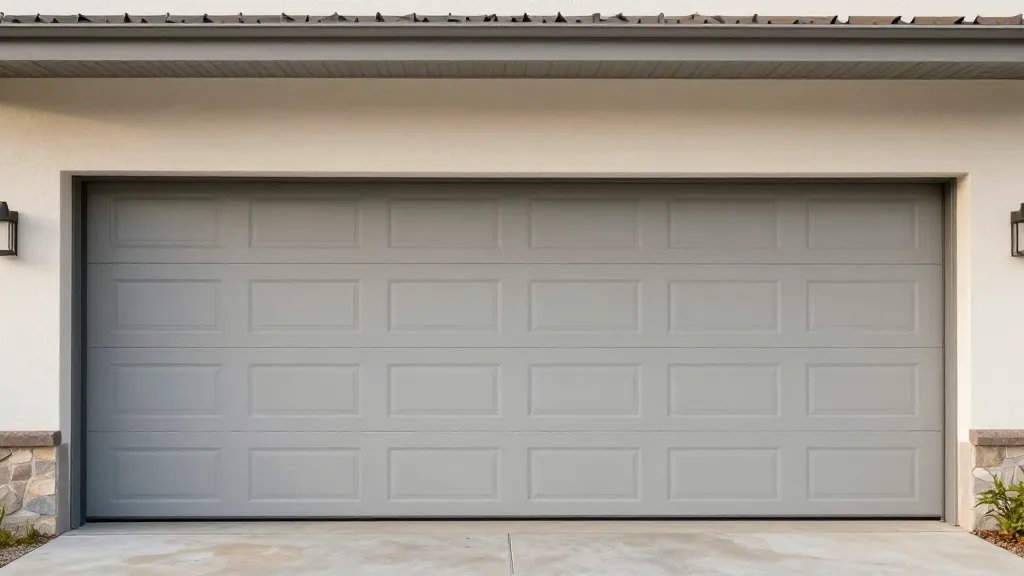
You don’t need a designer’s dream to attract tenants. You need practical, clean, and appealing.
– Kitchens: Small but mighty. A compact kitchenette with a two-burner stove, sink, fridge, and good storage can do wonders.
– Bathrooms: A modern shower, solid tiles, and water-efficient fittings feel fresh without a fortune.
– Lighting: Layered lighting—overhead, task, and ambient—creates a welcoming vibe.
– Storage: Built-ins and clever use of corners maximize space.
– Colors and textures: Light neutrals with a few warm accents read bigger and friendlier.
Maximizing Rentability: Location, Access, and Utilities
Your unit’s value comes from accessibility and practicality as much as design.
– Entry and privacy: A dedicated entry makes people feel independent. If possible, a separate outdoor path is ideal.
– Parking: If your property allows, a dedicated parking spot or close street parking is a huge plus.
– Utilities: Decide whether you’ll include utilities in the rent or bill them separately. Either way, make it simple and transparent.
– Internet and smart features: A speedy Wi-Fi setup or a smart thermostat can be surprisingly attractive.
Financials: Budget, ROI, and a Reality Check
Let’s talk numbers without the fluff. A practical plan beats wishful thinking any day.
– Budget buckets: Permits and fees, demolition and prep, structural and insulation, electrical and plumbing, fixtures, and finished interiors, plus a contingency fund (10-20% is typical).
– ROI basics: Estimate monthly rent, subtract ongoing costs (mortgage, insurance, maintenance, property management if you use it), and compare to your total investment.
– Financing: Some lenders will view a garage conversion as a secondary dwelling. It might affect your loan rate or require additional documentation.
– Risk cushion: Build a buffer for unexpected issues like mold, moisture problems, or a delayed permit process.
Now, how do you quantify success? A simple rule of thumb: aim for a cap rate in line with or better than your market’s average for small rental units, while keeping vacancy low and tenant turnover minimal.
Tenant Perspective: What They Really Want
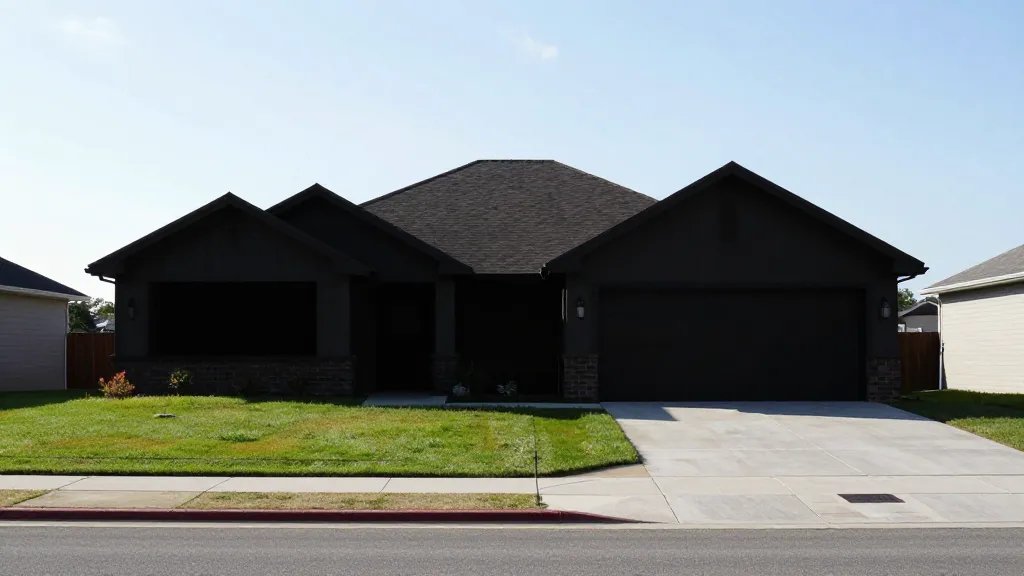
If you’re going to market this, think from their shoes. What makes a space feel like home, not just a roof over their head?
– Privacy and independence: A separate entry, soundproofing, and a dedicated bathroom matter.
– Comfort: Reliable heating/cooling, good insulation, and a comfortable living area.
– Practical amenities: A functional kitchen, storage, and a place to do laundry (if possible).
– Safety: Well-lit entrances, secure doors, and working smoke/CO detectors.
If you can nail these, you’ll cut vacancy and boost happy tenants who stick around.
Common Pitfalls (And How to Dodge Them)
No plan is perfect, but you can dodge the biggest headaches with foresight.
– Underestimating moisture and ventilation issues: Moisture can ruin flooring and invite mold. Invest in a proper vapor barrier and a robust fan system.
– Skimping on egress: A legal bedroom usually needs a proper exterior exit. Skipping this will bite you when you try to rent or sell.
– Ignoring insulation: Poor insulation creates cold tenants and high bills. Do it right from the start.
– Non-sexy but crucial: Electrical load, GFCI outlets in kitchens and bathrooms, and proper lighting circuits. Don’t skip safety.
DIY vs. Pro: When to Call in the Pros
If you’re handy, you’ll save with DIY in some areas, but not all.
– Do DIY for: painting, finishing touches, furniture, and light cosmetic work that’s well within your comfort zone.
– Call pros for: structural changes, plumbing, electrical, HVAC, and any work requiring permits or inspections.
Pro tip: get a detailed scope of work and written quotes. Even better, ask for a staged plan so you can progress in logical steps and keep the project moving.
FAQ
What’s the fastest way to transform a garage into a rental unit?
Start with a practical plan: clear the space, fix the basics (insulation, heating, cooling, ventilation), add a compact kitchen and a bathroom, then finish with a simple, durable floor. Get permits early and hire a reliable contractor for the critical steps. You’ll be amazed how quickly it comes together when you avoid redoing work.
How much can I expect to rent out a converted garage for?
Rent depends on location, size, and finish level. In many markets, a well-done studio-like unit can fetch a competitive monthly rent that’s noticeably higher than a generic “garage” joke but lower than a full apartment. Do local research, check comparable rentals, and price aggressively at first to attract tenants and build positive reviews.
Do I need a separate utility meter for the unit?
Not always, but it’s a smart move. A separate meter or sub-meter simplifies billing and reduces disputes with tenants. If a separate meter isn’t feasible, be transparent about sharing costs and include a cap or a plan for how charges are calculated.
What about safety and compliance—how do I stay on the right side of the law?
Start by contacting your local building department to confirm permit needs and habitable space requirements. Hire licensed professionals for critical work, and keep all inspections, permits, and approval letters organized. FYI, tenants will rely on this paperwork too, so don’t skip it.
Is it okay to rent to long-term tenants while I still live in the main house?
Yes, many people convert garages to create a detached or semi-detached rental while living in the primary home. Just ensure privacy and clear separation of entrances. Be mindful of local rules about related-party rentals and any HOA restrictions if applicable.
Conclusion
So you’re thinking, can a garage really become a legit rental unit? Absolutely. With a clear plan, smart budgeting, smart design, and a little persistence, you’ll squeeze more value out of your property without turning your life into a construction zone. It’s about balancing comfort, safety, and practicality while keeping the vibe casual and the costs sensible.
If you’re ready to dive in, start with a quick feasibility check: what can you spend, what can you legally build, and how quickly can you move from “garage” to “great rental”? IMO, the payoff isn’t just the dollars—it’s the confidence of knowing you’ve unlocked a scalable, repeatable way to grow your rental portfolio. FYI, every successful conversion starts with a solid plan and a dash of stubborn optimism.