
Gas and electrical safety requirements
Ever tripped over a cord and thought, “That could’ve ended badly”? You’re not wrong. Safety in the home or workshop isn’t glamorous, but it’s essential. Let’s cut through the confusion and get you up to speed on the basics, the must-dos, and the why behind gas and electrical safety.
Why safety rules exist and why you should care
No one wants a gas leak or an electric shock to ruin a weekend project. Safety rules exist because real people have real risk in real environments. Gas leaks can lead to fires or explosions; faulty wiring can cause shocks or fires. Following simple requirements dramatically lowers those chances.
– They’re practical, not petty red tape.
– They help protect your home, family, and pets.
– They reduce insurance headaches if something does go sideways.
If you want the short version: respect the potential hazards, and you’ll keep the odds in your favor. FYI, “DIY without the basics” looks impressive until it doesn’t.
Gas safety essentials you should know
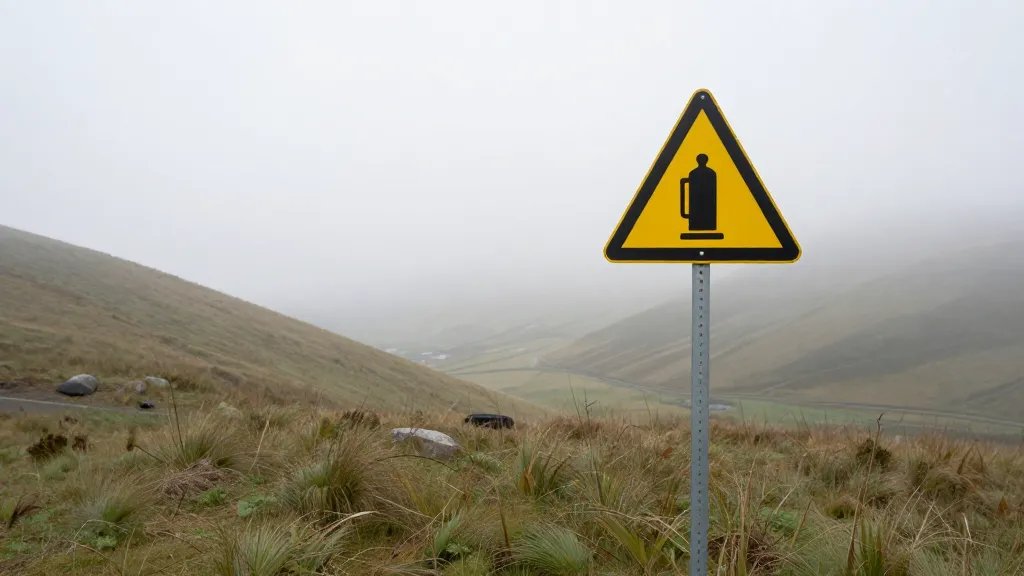
Gas systems bring comfort, heat, and cooking joy, but they also bring responsibility. Here’s how to keep things safe without becoming overly paranoid.
Know where the gas lines are and how to shut them off
– Locate the main shutoff valve for your gas supply and know how to turn it off quickly.
– If you rent, ask your landlord or property manager where it is and get a quick demo.
– Do a quick drill with family members so no one panics in an emergency.
If you sense a strong rotten-egg smell, act fast: evacuate, call emergency services, and don’t toggle any switches or use phones inside the building. It’s a serious signal that something is leaking.
Ventilation matters
– Gas appliances need proper venting to prevent buildup of dangerous fumes.
– Use exhaust hoods, vents, and keep combustion appliances clean.
– Never block vents or place a gas appliance in a cramped, closed space.
A simple rule: if a room feels stuffy or you notice condensation or soot, there’s a problem. Open doors, crack a window, and call a pro.
Regular maintenance saves money and lives
– Schedule annual inspections for furnaces, boilers, water heaters, and gas stoves.
– Look for corrosion, loose connections, or yellowing flames (blue is good; yellow can mean incomplete combustion).
– Clean or replace filters as recommended.
Pro-tip: DIY is cool, but leave gas line inspections to licensed professionals. FYI, licenses aren’t just for show—they’re about ensuring the right fittings and safe pressure.
Electrical safety: keeping the current under control
Electricity powers our lives, but it also comes with a hardware store worth of hazards. Here’s how to stay on the bright side (without shocking outcomes).
Outlets, breakers, and the right loads
– Don’t overload extension cords or power strips. If you trip a breaker, there’s a reason.
– Use Ground Fault Circuit Interrupters (GFCIs) in moisture-prone areas like kitchens and bathrooms.
– Replace damaged cords and plugs promptly. Exposed wiring is a no-go zone.
Drops of common sense: feel a switch or outlet that’s warm? Stop touching it and shut off power at the main panel. If it smells hot or looks burnt, call an electrician.
Water and electricity don’t mix
– Keep electrical devices and outlets away from water sources.
– Use rubber-soled footwear and dry hands when handling equipment.
– Install splash guards around sinks and wet work zones.
If you’re doing a project near water or moisture, consider battery-powered tools as a safer alternative when possible.
Fixtures and proper spaces
– Use the right bulb wattage for lamps and fixtures to prevent overheating.
– Don’t hang heavy fixtures on weak or damaged supports.
– Ensure cords aren’t pinched behind furniture or under carpets.
A quick litmus test: if something hums, sizzles, or flickers, stop, unplug, and reassess. Improvise cautiously, not carelessly.
Where to find and how to use the official safety requirements
You don’t have to memorize every obscure code, but you do need to know where to find the good stuff and how to apply it.
National and local codes you’ll encounter
– Most places follow a national standard with local amendments. In the US, that often means the National Fuel Gas Code and the National Electrical Code, plus state and city tweaks.
– In the UK, you’ll see regulations around gas safety and electrical safety standards, managed by specific authorities.
– In many countries, codes are updated every few years. It matters because technology and materials evolve.
Bullet points to remember:
– Codes are living documents, not museum pieces.
– They focus on safe installation, maintenance, and inspection.
– Always check your local jurisdiction’s version of the rules.
Certification and who should touch it
– Hire licensed professionals for gas line work and electrical installations beyond basic plug-and-play.
– For minor tasks, DIYers can handle unplugging, replacing fuses, and basic maintenance—but only if you’re confident and the work complies with local rules.
– Get permits when required and don’t skip inspections after major work.
If you’re ever in doubt, a quick call to a local licensed contractor can save you a world of trouble later. IMO, better safe than snorkel-in-a-fire later.
Practical safety routines for everyday life
Safety isn’t a one-time thing; it’s a routine you build into your projects, repairs, and upgrades.
Create a two-minute pre-check ritual
– Inspect hoses and connections for gas appliances. Look for wear, cracks, or loose fittings.
– Check cords and outlets for damage or overheating signs.
– Ensure detectors and alarms (smoke, gas, and carbon monoxide) are functioning and have fresh batteries.
Two minutes can be the difference between a simple problem and a costly disaster. Don’t skip it.
Keep a basic safety kit handy
– A gas detector and a CO detector in the right spots (near sleeping areas and on each floor).
– A fire extinguisher rated for electrical and gas fires (ABC or BC types are common).
– A flashlight with fresh batteries and a few spare fuses or breakers of common sizes.
FYI: know how to use the extinguisher before you actually need it. It’s not the moment to learn by trial and error.
Documentation and planning
– Maintain manuals for appliances and tools, including model numbers for service calls.
– Keep a simple floor plan showing gas lines and electrical panels for quick reference.
– If you’re renting, document conditions before moving in and when you finish any upgrades.
A little paperwork now saves a headache later, especially when a pro asks for a model or serial number.
Common scenarios and how to handle them safely

Let’s walk through a few real-life situations and how to handle them without breaking a sweat.
Smell gas in the kitchen or basement
– Evacuate everyone and leave doors open on your way out.
– Don’t switch lights, use phones, or create sparks.
– Call emergency services from outside the building and report the odor.
Never try to “taste” or sniff for confirmation. Gas leaks are serious business.
Electrical outlet heats up or smells burnt
– Immediately unplug the device if it’s safe to reach, or switch off the circuit at the main panel.
– Do not use the outlet until inspected by a licensed electrician.
– If you see burning or melting, call for help and evacuate if it’s severe.
Water exposure to electrical devices
– Shut off power at the main panel if you can do so safely.
– Do not touch wet devices or cords with bare hands.
– Dry the area and have a professional check before restoring power.
It’s not worth the adrenaline rush of a DIY electrical shock. Keep it safe and dry.
FAQ
How often should I have my gas appliances inspected?
Gas appliances should be professionally inspected at least once a year, with more frequent checks if you use older equipment or notice any changes in performance or smells. Regular tune-ups help catch leaks, improper venting, or flame issues before they become expensive problems.
What should I do if my carbon monoxide detector goes off?
Take it seriously. Evacuate everyone from the building, call emergency services, and don’t re-enter until authorities declare it safe. Then schedule a professional inspection of all fuel-burning appliances and vents to find the source and fix it.
Can I install a gas line or electrical outlet myself?
Basic tasks like replacing a light fixture or unplugging a device might be OK for confident DIYers, but gas line work and major electrical installations require a licensed professional. It’s not worth the risk, and it’s often illegal to do without the right credentials in many places.
How do I know if I need a permit for electrical work?
If the work involves new circuits, major rewiring, or service panel changes, you’ll usually need a permit. Minor tasks like replacing outlets or light fixtures may not. Check your local building department’s guidelines and don’t skip permits—they’re there to ensure safety.
What’s the best way to teach kids about gas and electrical safety?
Turn safety into a game with simple rules: no playing near outlets, keep cords tidy, don’t tamper with stoves or heaters, and know how to call for help. Use kid-friendly explanations and a clear stop sign for any risky activity. FYI, kids are natural risk detectors—listen to their caution.
Conclusion
Gas and electrical safety isn’t glamorous, but it’s incredibly empowering. When you understand the basics, you reduce risk, save money on repairs, and sleep a little better at night. Stay curious, stay cautious, and stay compliant with local rules. If you’re ever unsure, call a pro—your future self will thank you. In the end, it’s all about creating a safe space where projects flourish, not fizzle.
Remember: safety is not a boring checkmark; it’s the cornerstone of every smart upgrade. Stay curious, stay safe, and keep the lights—and the gas—under control.