There were 30,296 house fires reported between April 2016 and March 2017. In most cases, 49% of the fire’s cause was related to cooking. While cooking appliances were a major source of residential fires, they were not fatal in most cases, the figure being just 9%.
Still, the cost of damage and distress caused cannot be ignored, especially with something as preventable as a fire. Most fires break out due to gas-related incidents since most properties have gas-based cooking facilities.
There are many different precautionary measures that can be taken to prevent gas-related incidents. Gas safety plays a key role in protecting individuals, whether they are the owners or tenants. In the case of rented properties gas safety provisions may be tricky to enforce since the responsibilities are divided among the landlord and the tenants.
This can, however, be a good thing as it increases the level of gas safety measures implemented since both landlords and tenants are required to do their part. Additionally, one party can hold the other party accountable as well if a need arises. Let us examine the guidelines for landlords and tenants regarding gas safety in rented properties.
Gas Safety Responsibilities Borne by the Landlords
Here are gas safety measures that landlords of rented properties are responsible for:
· Investing in Proper Gas Installation
Gas safety begins at the outset of getting a gas connection. Landlords, even if they are building the property to rent it out, must ensure that professionals are hired and that all the gas connections and appliances are installed with the necessary safety measures in place.
There is no need to skim the budget on safety measures since they are essential. Gas safety is a major priority and property owners must make sure that experts are hired at every step of the way to prevent issues later on.
· Getting Regular Gas Safety Checks
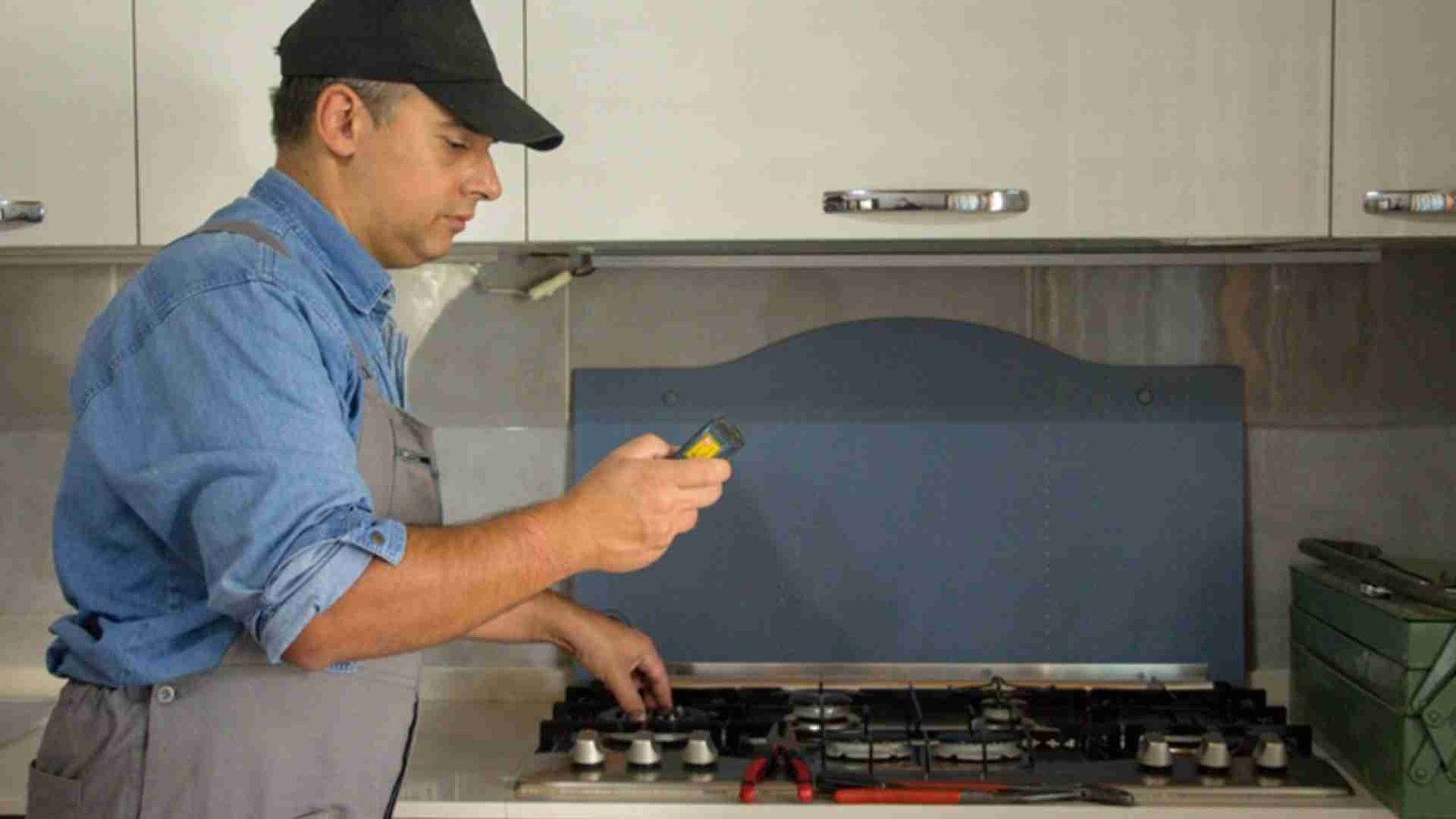
Landlords in the UK are required to get annual gas safety checks conducted on their property. this annual inspection ensures that the appropriate gas safety measures are in place and residents are safe from gas-related incidents. If an issue is found, the owner is informed and advised on the necessary corrective measures.
Only a registered gas safety engineer can issue a CP12 certificate. You can get the most reliable and trusted service at Gas Safety Certs. An inspection takes a little under an hour typically and gives you the peace of mind that your home is safe.
Aside from getting the annual gas safety check, landlords are also required to provide a copy of the certificate to the tenants and maintain a gas safety record for the last two years. It acts as proof of compliance.
· Regular Repair and Maintenance Works
Like any other property aspect, the gas connections undergo the usual wear and tear. Regular repairs and maintenance are very important. Keeping the vents clean, fixing issues when they arise, and ensuring that appliances are functioning optimally are just a few areas that need constant attention.
· Installing Carbon Monoxide Detectors
Carbon monoxide detectors are a great investment. They are sensors that monitor the levels of carbon monoxide in the air. When CO levels rise above the usual, these sensors can raise an alarm in case of a leak.
Getting a timely alert for a gas leak can lead to prompt action and save lives. It is a small yet important device that should be installed on every property.
Gas Safety Responsibilities Borne by the Tenants
The gas safety responsibilities that tenants must bear include the following:
· Timely Reporting of Gas-Related Issues
Any gas appliance or vent problems must be communicated instantly to the landlords. They must also make sure that quick action is undertaken. This may mean requesting the landlord multiple times to get a gas safety engineer to come in and check the problem. Tenants must raise an alarm as and when they find it necessary.
· Take Care when Using Gas and Related Appliances
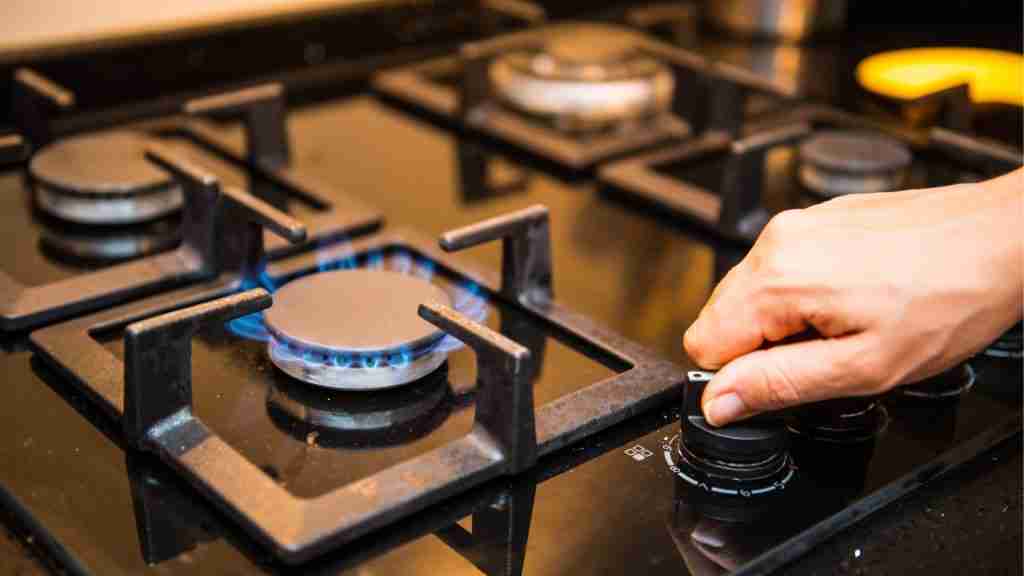
Care when working with gas and related appliances is very important. Cooking is an activity that regularly leads to gas-related incidents. So, leaving the stove unattended when it is on should not happen. Make sure that the knobs are turned all the way and the gas is turned off completely after you are done using the stove.
Additionally, gas appliances must be used with the utmost caution. This includes following instructions and implementing the recommended safety measures.
· Requesting Proper Documentation
Tenants must hold landlords accountable by asking for a copy of the latest gas safety certificate. It is a legal requirement and tenants must do their part to ensure enforcement. Regarding the gas safety check, tenants will be required to allow for the gas safety engineer to carry out the inspection. They will have to show the gas safety engineer around and inform them of all the gas appliances around the house.
· Being Aware of their Surroundings
Prevention is always better than dealing with the situation. However, it is important to pay attention to your surroundings. Tenants need to be aware of the signs of a gas leak and be cognizant of recognizing one when even a single sign appears. If you detect a strange smell or experience symptoms such as dizziness or headaches without any reason, then you should assume the worst.
A gas leak can be deadly, so it is better to err on the side of caution. Have a plan of action thought out well in advance so you can execute it in the case of an emergency. The best thing to do is to evacuate the property as soon as possible and call for help.
Collaborating for Gas Safety
Gas safety in a rented property is a team effort. Landlords own the property while the tenants reside in it. This puts the responsibility of keeping the property and its residents safe on both the landlords and the tenants.
The two have different yet complementary roles. They must collaborate and work together to achieve the best results, that is, a property that is optimally protected against gas-related incidents. It is not just desirable but necessary that both parties do their share to ensure maximum gas safety.