
Gutters aren’t glamorous, but they’re the quiet heroes of your house. If you ignore them, they’ll remind you who’s boss with leaks, mold, and sagging eaves. Let’s cut to the chase: clean, inspect, and maintain your gutters like a pro—or at least like a peer who knows what they’re doing and isn’t afraid of a ladder.
Why gutters matter more than you think
Gutters aren’t just decorative drain pipes. They control where rainwater goes, protect your foundation, and keep basements dry. When gutters fail, water finds other routes—often through walls, windows, or the soil under your house. That’s drama you don’t need.
– They prevent fascia board rot and wood damage
– They reduce soil erosion around the foundation
– They keep crawl spaces and basements dry
– They stop overwatering your siding with roof runoff
Think of gutters as the unsung plumbers of your home. IMO, they earn a little TLC, not a full-scale renovation.
Getting started: what you’ll need

A straightforward gutter care kit saves you trips to the hardware store later. Here’s a quick shopping list and prep advice.
- Extending ladder stable, tall enough to reach the gutters without bending awkwardly
- Gloves, eye protection, and a small trowel or scoop
- Gutter scoop or scoop-attachment to collect debris
- Garden hose with spray nozzle
- Gutter guards or mesh (optional, for less maintenance later)
- Sealant and patching material (for quick fixes)
- Measuring tape and a screwdriver or rivet gun (if you need to re-secure)
FYI: if you spot wildlife—yes, birds nest or a family of squirrels—pause and step back. Safety first, comedy second.
Seasonal rhythm: when and how to clean
Clean gutters at least twice a year, more if you have pine trees or heavy leaf fall. Spring and fall are the usual suspects, but you might squeeze in a post-storm session if you’ve got stormy weather.
How to clean safely
– Set up your ladder on solid ground and have a spotter if possible. No hero stunts here.
– Remove large debris by hand, then use a scoop to collect wet muck.
– Rinse with a hose from the end opposite the downspout to avoid clogging.
– Check the drainage path as water flows; listen for gurgling sounds that signal a clog.
– Inspect for leaks and fix them on the spot.
If you don’t have a downspout exit far enough from the foundation, consider adding a splash block or extending the downspout. Small tweaks, big payoff.
Dealing with stubborn clogs
– Use a plumber’s snake or a stiff rod to loosen compacted gunk.
– Flush with water; if you still see slow drainage, move to patching.
– For root or severe blockages, call in a pro to avoid damaging the gutters or the roof edge.
Keeping your gutters clean is easier when you break it into steps. Don’t try to do all the work in one go and then hate life for the next week.
Repairs and maintenance: keeping everything snug
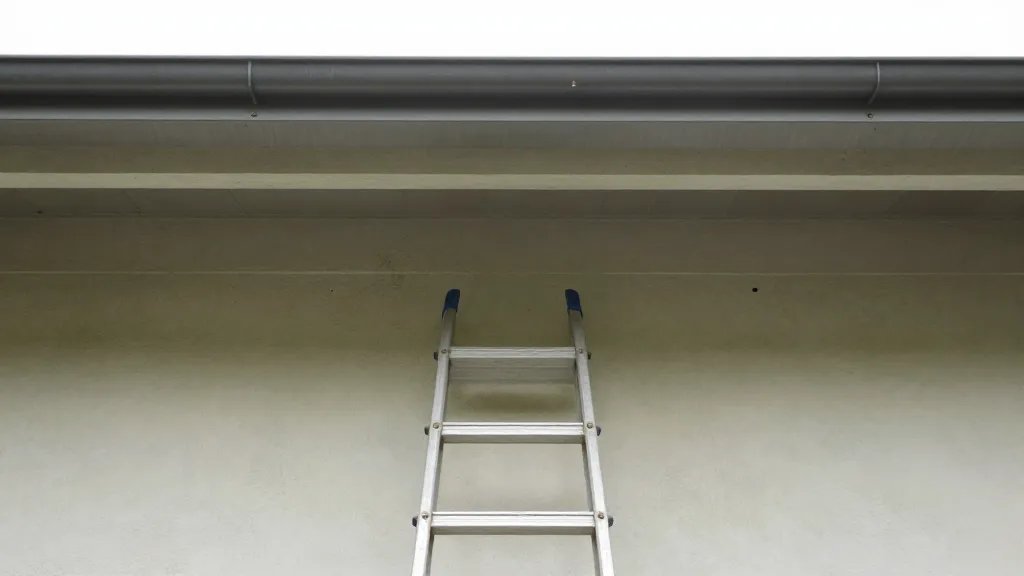
Maintenance isn’t just cleaning. It’s keeping joints tight, screws in place, and seals intact. Let’s cover the essentials.
Secure and seal
– Tighten loose screws or rivets along the gutter line. Don’t overtighten and warp the metal.
– Re-seal joints with compatible gutter sealant. A bead of sealant keeps leaks at bay and prevents rust from spreading.
– Check hangers and brackets for corrosion. Replace if necessary; sagging gutters are a telltale sign you need work.
Fixing leaks
– Small leaks at joints: reseal with gutter sealant.
– Leaks along the length: check for cracks or holes and patch with metal or vinyl patch kits.
– If you notice big corrosion spots, you may need to replace that section. Don’t DIY the math — replace the damaged run for a clean fix.
Sagging gutters
Sagging means the entire system isn’t doing its job. Fix sagging by re-securing hangers and adding extra brackets, especially near corners and where heavy rain hits.
– Start at the downspout area and work outward
– Use properly spaced hangers (about every 2 feet is common)
– Ensure slope – a slight downward angle toward the downspout is ideal
A stiff, properly sloped gutter is a happy gutter.
Gutter guards and dividers: to guard or not to guard
Gutter guards can cut down on cleaning, but they’re not a magic shield. Choose wisely and install correctly, or you’ll end up with clogged guards and leaves piled up on top.
Are gutter guards worth it?
– Pros: fewer cleanings, longer intervals between maintenance, less pine needle buildup (in some environments)
– Cons: some guard designs still allow debris to accumulate; you may need occasional maintenance to clear the mesh
If you do install guards, pick a design that suits your climate and tree type. Fine mesh works well in pine forests; wide mesh is better for leafier trees.
Simple DIY guard tips
– Ensure guards sit slightly over the lip of the gutter to prevent water pooling on top
– Clean the guard as part of your seasonal check; don’t rely on it to keep everything clean forever
– Inspect guards after heavy storms for dislodgement
If guards sound like a win, go for it. If they feel like a headache, skip them and invest the time in a thorough manual clean twice a year.
Downspouts: the drain champions

Downspouts do the real heavy lifting, funneling water away from your foundation. Neglect them and all your hard work goes down the drain—no pun intended.
- Ensure downspouts direct water at least 4-6 feet away from the foundation
- Clear obstructions at the top and bottom ends; look for crushed sections or kinks
- Check extensions and splash blocks; you want a clean water path away from walls
If water pools around the foundation after a heavy rain, it’s time to rethink the downspout layout. You might need an extra downspout or a splash block that actually works.
Safety and DIY sanity checks
Gutter work routinely requires climbing ladders and leaning over the edge of your roof. Let’s stay safe without turning it into a fear-fueled adventure.
- Use a sturdy ladder on level ground; consider a ladder stabilizer for extra grip
- Never work alone on a ladder; have a buddy act as a spotter
- Wear gloves to protect hands from sharp edges and debris
- Take weather into account: don’t mess with gutters during rain or high winds
If you have a two-story home or tricky rooflines, consider hiring a pro for the hard parts. Better safe than calling a roofer for a cliffhanger rescue.
Low-effort maintenance routines that pay off
You don’t need a full weekend marathon to keep gutters in good shape. Try these light-touch routines.
Two-minute monthly checks
– Look for loose shingles or fascia damage from the ground using binoculars or a long mirror
– Check for new leaks after a couple of rainy days
– Inspect downspout extensions to confirm water is evacuating away from the house
Seasonal big-tidy plan
– Spring: clear debris, inspect for hail or wind damage, reseal joints
– Summer: check for warped sections if you’re in a hot climate
– Fall: preempt heavy leaf load with a thorough cleaning
– Winter: verify there’s no ice dam risk and ensure downspouts aren’t blocked by snow
A little maintenance goes a long way, and you’ll thank yourself when spring arrives with no surprises.
Common mistakes to avoid
Learn from others’ missteps so you don’t repeat them in your own yard.
- Forgetting to check the gutters after a storm
- Using the wrong sealant that isn’t compatible with your gutter material
- Over-tightening screws, which can deform the gutter
- Ignoring small leaks until they become big, expensive problems
Take a breath and do a quick check now and then. It’s cheaper than a DIY fiasco later.
FAQ
How often should I clean my gutters?
Gutters should be cleaned at least twice a year. If you have trees that shed year-round or lots of pine needles, check them every 3-4 months during peak seasons. FYI, a scheduled routine makes maintenance less painful.
Can I DIY gutter repairs, or should I hire a pro?
Most minor repairs—tightening screws, resealing small leaks, patching tiny holes—are doable DIY projects. If you’re dealing with sagging gutters, warped sections, or there’s roof damage involved, it’s smarter to call in a pro. Safety first, and a pro can save you money in the long run.
What’s the best material for gutters?
Aluminum is the most common choice because it’s affordable, lightweight, and resistant to rust. Steel is durable but heavier and may need repainting. Vinyl is inexpensive and easy to work with but can crack in extreme cold. Your climate and budget will guide you.
Do gutter guards actually save time?
They can, but not forever. Guards cut down the frequency of deep cleanings, especially if you have lots of trees. They still require occasional maintenance to prevent clog buildup. If you hate cleaning gutters, guards are a decent trade-off.
How do I know if my downspouts are directing water away from the foundation?
Watch how water flows during a heavy rain. Water should shoot out 4-6 feet away from the foundation. If it trickles down near the base or pools near the house, you may need extensions or a reworked layout.
Conclusion
Gutters aren’t glamorous, but they’re practical heroes that protect your home from water drama. With a simple routine—clean, inspect, seal, and adjust—you’ll keep the foundation dry, the fascia happy, and your stress level lower than your neighbor’s overflowing troughs after a storm. IMO, a little upkeep beats a big repair bill any day.
If you’re ever unsure, remember: UV, pine needles, and gravity are your enemies, not your friend. But with a steady rhythm and a bit of know-how, you can wrangle those gutters into shape and keep your home singing, not squealing, in the rain. FYI, you’ve got this.