
Renting out property sounds like a slam dunk: steady cash flow, tax benefits, and the glory of being a landlord without the full-time commitment of a family business. But the hidden costs can sneak up faster than a leaky faucet in the middle of the night. Let’s break down what nobody tells you when you buy that rental and start collecting rents like a pro… or at least like someone who’s pretending to be a pro.
Maintenance drains more than you expect
You already know about the big-ticket repairs: roofing, HVAC, water heaters. But the real drains are the small, never-ending things that chip away at your profits.
– Regular upkeep adds up: lawn care, gutter cleaning, pest control, appliance wear and tear.
– Seasonal fixes pile on: winterizing, air filter changes, thermostat calibration.
– Tenant-driven wear and tear: no, not every scuff is a disaster, but cabinets, flooring, and doors take a beating with every move-in and move-out.
Do you have a plan for ongoing maintenance or a fund set aside? If you don’t, you’re rolling the dice. FYI, many landlords aim for 1% of the property value per year for maintenance, but reality often looks more like 2-3% when you factor in emergencies.
Vacancy isn’t cute or glamorous
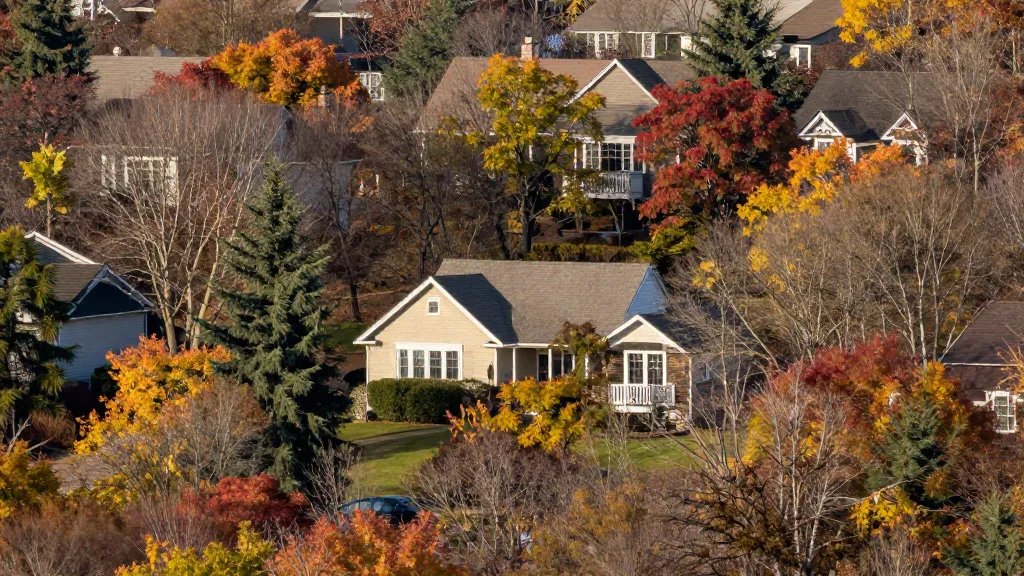
Renting out a place isn’t a constant flow of tenants lining up with first-month rents in hand. There are gaps.
– Lost rent during vacancies compounds quickly with ongoing expenses: mortgage, utilities, property management if you use one, insurance, taxes.
– Marketing time and turnover costs eat into profits: staging, professional photos, listing fees.
– Turnover surprises: new flooring, fresh paint, and deep cleaning between tenants can hurt the bottom line more than you’d expect.
How do you soften vacancy risk? Build a cushion, price competitively, and streamline onboarding. Pro tip: pre-screen tenants and have a smooth move-in process so you don’t lose weeks to red tape.
Taxes love to complicate things
Taxes aren’t just about writing off a mortgage interest deduction and calling it a day. They’re a maze, and every corner holds a potential trap.
– Depreciation is a gift that keeps on giving—until it stops being a deduction in your brain and you realize you owe tax on that “phantom” depreciation if you’re not careful with capital improvements.
– 1031 exchanges can delay taxes but come with rules and timing nightmares.
– Filing complexity grows with asset mixes: single-family vs. multi-tenant properties, different depreciation schedules, and upgrades you’ve made.
Do you have a tax pro who actually gets rental properties? If not, you’ll likely pay more in penalties and missed deductions than you think. IMO, establish a solid paper trail and set aside a little extra for advisory fees. It’s cheaper than a surprise audit.
Insurance isn’t a one-size-fits-all affair
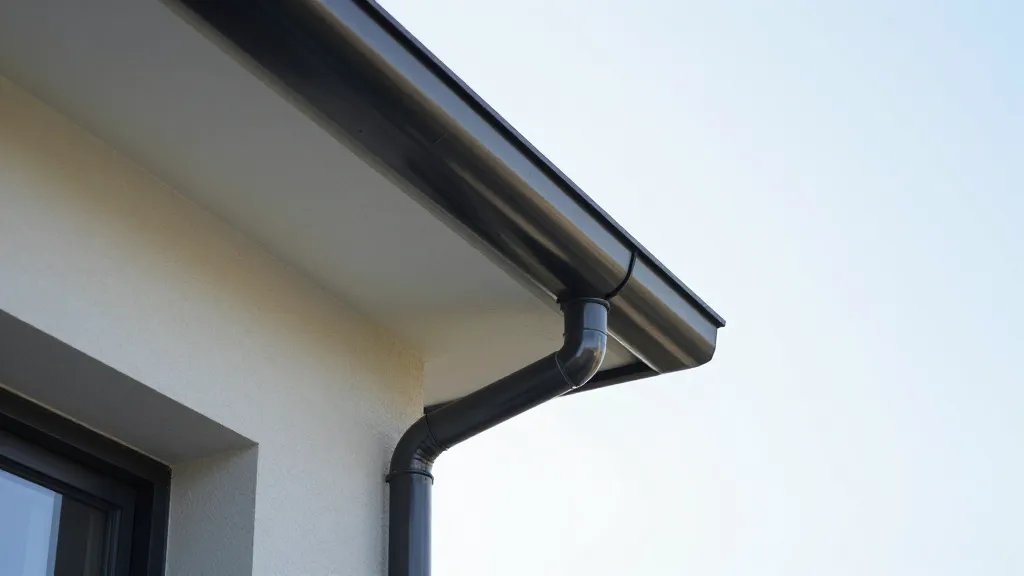
Your landlord policy isn’t the same as a homeowner’s policy, and it doesn’t cover every possible calamity.
– Landlord insurance typically excludes contents you might own in the rental and may not cover tenant-caused damages.
– You’ll need additional liability protection—consider umbrella policies if you own multiple properties.
– If you have rental-specific risks (short-term rental, condo associations with master policies, or property across state lines), insurance can get pricey fast.
Shop around and don’t just renew the same policy every year. FYI, bundling with your home policy can save a surprising amount, but read the fine print on what’s excluded.
Maintenance surprises disguised as “small fixes”
This is where the real sneaky costs hide. You fix one thing and uncover two more problems behind the scenes.
– Plumbing issues in older homes can morph into bigger projects if you discover hidden pipe corrosion or red-tagged lines.
– Electrical upgrades may be necessary to meet modern safety codes, especially in older rental stock.
– Appliances that were once fine become liabilities once they fail during a tenant’s lease term.
How do you handle the cascade of fixes? Build a robust vetting process for major systems, budget for capex replacements, and negotiate warranties on new installations. It’s not glamorous, but it saves you from playing “home repair roulette” with your cash flow.
Property management: the convenience tax
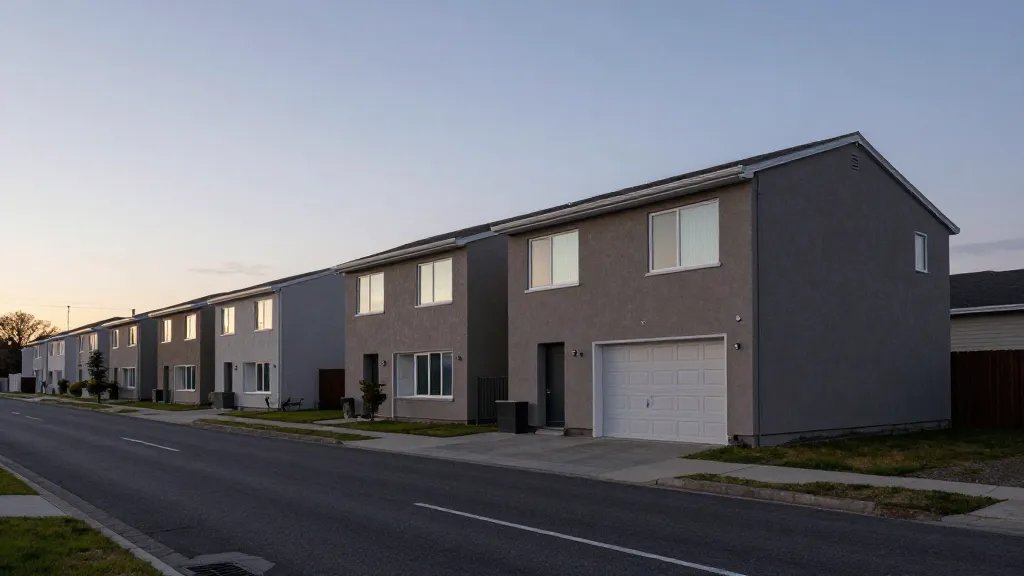
Managing a rental yourself sounds cost-effective until you realize your time has a price.
– Tenant communication, emergency calls, and coordinating repairs take time you could spend on other things.
– If you hire a property manager, you’ll pay a management fee (often around 8-12% of monthly rent) plus maintenance markups.
– There’s a trade-off: you save time and reduce stress, but you give up some control and a chunk of your profits.
If you DIY, you trade dollars for time. If you outsource, you trade more dollars for peace of mind. What’s your bandwidth? Ask yourself: could you handle midnight plumber visits or would you rather binge-watch Netflix with your leftovers?
Financing realities that bite back
Mortgages aren’t one-and-done when you own rental property. They keep you honest.
– Higher interest rates tend to pinch cash flow, especially on properties with thin margins.
– Lenders often require higher down payments and reserves for investment properties.
– If you’ve got multiple doors or a complex portfolio, serviceability tests and debt-to-income ratios become a constant tug-of-war.
Plan for scenarios: rate hikes, longer vacancy cycles, or a tenant who stops paying. A buffer is your friend here; it’s not excitement, but it’s courage in a piggy bank.
Capital expenditures: the big-ticket stuff you can’t ignore
Every property will eventually demand major upgrades. The smarter you are about planning, the less pain you’ll feel when the bill lands.
– Roof replacement, HVAC upgrades, electrical panel updates, plumbing overhauls—all can cost serious money and require months of planning.
– When you buy matters as much as what you buy. Older homes demand more capex over time, but newer ones aren’t guaranteed to be bulletproof.
– Financing capex can be tricky: do you pay cash, or do you finance the upgrade and spread the hit?
Create a long-range capital plan with a realistic replacement schedule and a funding strategy. In short: pretend like you’ll be in this game for 20 years and set aside accordingly.
Finding the sweet spot: where does cash flow live?
Riddling through costs to capture cash flow is a bit of an art and a little bit of math. Here’s how to find the sweet spot without turning your life into a spreadsheet purgatory.
– Start with a conservative rent estimate. Don’t fall for the “I could rent it for $X with unicorns” dream. Real-world comps win.
– Build a realistic expense budget. Include maintenance, management, insurance, property taxes, HOA fees (if applicable), and reserve funds.
– Run scenarios. Best case, worst case, and you-hope-not-to-need-this-case. See how cash flow holds up if vacancy lasts longer or if major repair pops up.
If cash flow is thin, explore value-adds: cosmetic upgrades that don’t break the bank, better tenant screening, or even a professional cleaner to keep turnover costs down. It’s not sexy, but it works.
FAQ
Why do I need a reserve fund for a rental property?
A reserve fund acts like a financial immune system. It covers unexpected repairs, vacancy gaps, and insurance deductibles without forcing you to raid your personal savings or dip into debt. A common rule is to set aside 3-6 months of expenses, but many seasoned landlords aim higher for multi-year security.
Is short-term rental riskier financially than long-term rental?
Short-term rentals can generate higher gross rents, but they come with higher operating costs, more frequent turnover, and stricter regulatory overhead. If you don’t have the infrastructure to manage cleaning, check-ins, and guest issues, the costs can outpace the revenue. Do a thorough pro/con before jumping into the short-term pool.
How do I handle tenant turnover without losing my mind?
Streamline processes: pre-screen applicants, have a solid lease, automate payments, and develop a quick-clean and quick-repair cycle between tenants. Build a small pool of trusted contractors and have clear expectations in the lease about wear and tear versus damage. A little organization goes a long way.
What’s the single biggest hidden cost most landlords miss?
Depreciation and tax planning. It’s not that depreciation is a cash outlay, but mismanaging it can cost you in taxes later. Work with a tax pro who knows rental real estate and set up a depreciation schedule that aligns with your improvements and upgrades.
Should I hire a property manager to save time?
If you value your weekends and dread late-night calls, yes. A property manager can pay for themselves in time saved, stress reduced, and better tenant turnover with professional leasing. If you enjoy the hands-on vibe and have the bandwidth, you can DIY—but be honest about your limits.
How do I forecast capital expenditures realistically?
Look at the age and condition of major systems, create a replacement timeline, and set aside a capital budget each year. Review the plan after big projects and adjust for life events, market changes, and the property’s unique quirks.
Conclusion
Owning rental property isn’t just collecting rent checks and playing landlord big shot. It’s a balancing act of cash flow, maintenance, taxes, insurance, and the occasional epic surprise. If you go in with eyes wide open and a plan that includes reserves, you’ll dodge a lot of heartbreak. There’s real value in property—and real risk in ignoring the math behind it. So: are you ready to run the numbers, build your cushion, and turn that ladder into a ladder you actually climb? IMO, the best landlords treat each problem as a puzzle with a monetary payoff on the other side.
Remember, the goal isn’t perfection; it’s sustainable profitability. You’ll thank yourself when the furnace hiccups don’t derail your month, or when a vacancy gap doesn’t turn into a full-blown crisis. Stay curious, stay organized, and keep the landlord life spicy but under control.